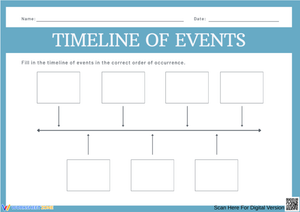
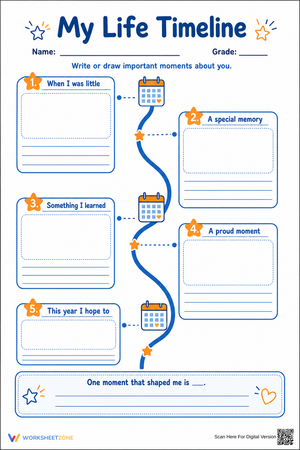
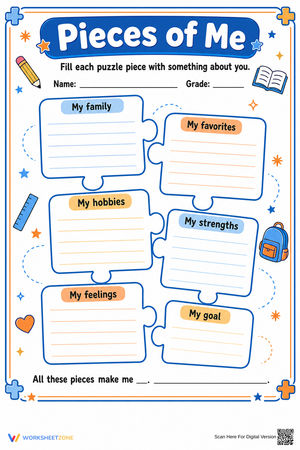
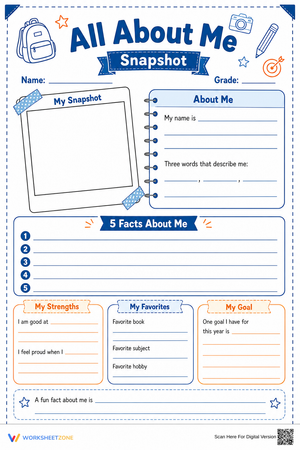
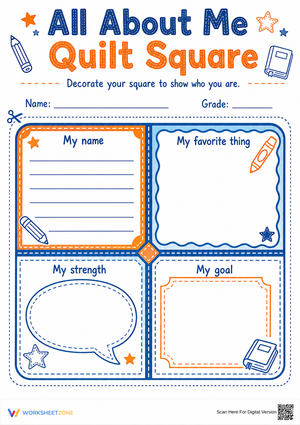
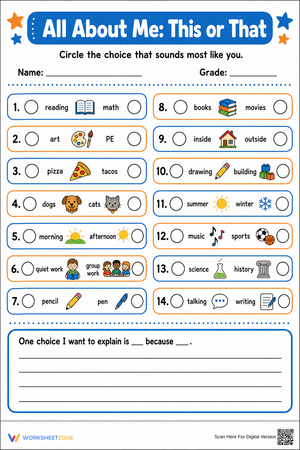
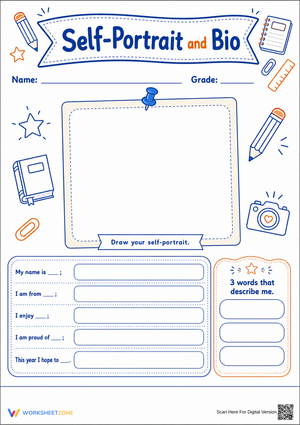
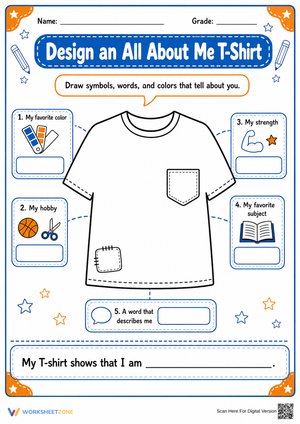
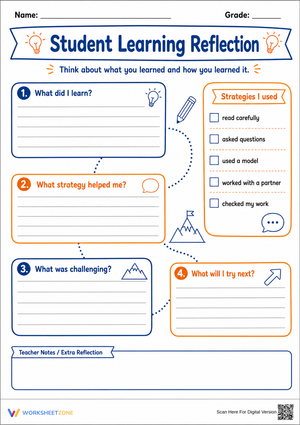
These 3rd grade nonfiction writing printable worksheets give teachers a direct path into W.3.2 instruction without building a unit from scratch — each worksheet targets one component of informational writing, so teachers can match the practice to exactly where a class is in the unit. The set covers the four core skills third graders are expected to control: introducing a topic clearly, developing it with facts and definitions rather than opinions, connecting ideas with linking words, and closing with a concluding statement. All worksheets are print-ready and work for guided practice, independent seatwork, or a writing center rotation.
What Each Worksheet Targets
Third grade is the year students shift from personal narrative into organized informational text, and that transition is harder than it looks. The writing forms in this set — short informational paragraphs, animal report organizers, how-to procedure templates, and biography outlines — each place a different organizational demand on students. One worksheet has students sort a list of statements about a topic into "fact" and "opinion" before they write anything, building the critical discrimination that informational writing depends on. Another asks students to complete a partially filled graphic organizer that separates the topic, three supporting facts, and a concluding sentence into distinct boxes — a visual structure that makes the paragraph's architecture visible before students draft prose.
Linking words get their own dedicated practice. Worksheets ask students to select from a word bank — also, another, for example, but, in addition — and insert them into partial paragraphs, then rewrite one choppy paragraph using transitions they choose themselves. The jump from inserting to choosing is intentional: it mirrors the gradual release pattern teachers build into writing units, where directed practice precedes independent application.
Mistakes Students Make That These Worksheets Help You Catch
The most common error third graders make in informational writing is opinion creep. A student who understands that nonfiction uses facts will still write "Penguins are really cool because they can swim fast." The second clause looks like a fact but rests on a subjective judgment. The fact-vs.-opinion sorting worksheets surface this confusion directly — students encounter a statement like "Dolphins are smarter than most animals" and must decide whether it qualifies as a fact. Most will mark it as a fact the first time through, which opens exactly the kind of discussion that sharpens the distinction for the whole class.
A second persistent error: students skip the concluding statement entirely, or they write a conclusion that simply adds another fact. Watch for papers that end with "Penguins also eat krill." That is a fourth supporting detail, not a conclusion. The concluding-sentence worksheets address this by placing two ending options side by side — one that restates the main idea and one that tacks on new information — and asking students to identify which one actually closes the piece.
Smart Ways to Work These Worksheets Into Your Week
The most reliable sequence: open the lesson with a short read-aloud — eight to ten minutes — of a well-structured informational text on the same topic the worksheet uses. When students hear a professionally written penguin passage before they fill out a penguin research graphic organizer, they internalize the organizational moves without having every one of them explicitly named. Comprehension flows directly into composition, and the writing process feels less like assembling mechanical parts and more like retelling something they already understand.
For the ten-minute morning warm-up slot, the linking-word worksheets work well — low-stakes, no prior preparation required, and students produce a visible, checkable product. For Friday review blocks, the full-paragraph draft templates — where students write a complete informational paragraph from a topic through three supporting facts to a conclusion — serve as a weekly culmination. Peer review pairs with a four-point checklist (topic sentence present? at least two facts? one or more linking words? concluding statement?) take about five minutes and give students a concrete framework for reading each other's drafts rather than just writing "good job."
Standard Alignment
These 3rd grade nonfiction writing printable worksheets align to CCSS.ELA-LITERACY.W.3.2, which requires Grade 3 students to write informative and explanatory texts that introduce a topic, develop it with facts and definitions, use linking words and phrases, and provide a concluding statement. In classroom terms, W.3.2 anchors the informational writing unit that most Grade 3 teachers place in the second or third quarter, after students have spent time reading and discussing nonfiction mentor texts. The fact-vs.-opinion worksheets also support RI.3.1, which asks students to locate and cite explicit textual evidence — reinforcing the same distinction between documented information and personal judgment that strong informational writing depends on.
Adapting These Worksheets for Different Student Levels
For students who are not yet ready to write independently, the graphic organizer worksheets work well in a guided small-group setting where the teacher fills in the topic and one example fact together, then releases students to complete the remaining details on their own. Partially completed organizers — with the topic sentence already written — remove one decision point and let students focus on finding and stating supporting facts. That reduction in task complexity is meaningful without changing what the student is ultimately practicing.
Students who are writing fluently can move past the organizers and work directly from the open-ended prompt worksheets, which provide a topic and a set of source facts but leave all organizational decisions to the writer. The 3rd grade nonfiction writing printable worksheets in this collection are sequenced to make that progression straightforward — teachers can hand a more advanced writer the second-tier worksheet in the same topic set without any additional preparation. The biography and how-to worksheets naturally invite more elaborate detail and multi-step structure, so the same format can carry a wider range of output quality across the same classroom.
Frequently Asked Questions
What CCSS standard do these worksheets address?
The set targets CCSS.ELA-LITERACY.W.3.2 — informative and explanatory writing for Grade 3. Each worksheet addresses at least one of the standard's sub-components:
- W.3.2a — introducing a topic clearly
- W.3.2b — developing the topic with facts and definitions
- W.3.2c — using linking words and phrases to connect ideas
- W.3.2d — providing a concluding statement
Some worksheets address two of those sub-components in a single activity, which is useful when a lesson needs to move quickly through the writing process.
How do graphic organizers fit into an informational writing unit?
Graphic organizers belong in the pre-writing phase, before students draft prose. They help students identify the topic, separate supporting details from opinions, and plan a conclusion — all before committing anything to full sentences. The visual structure reduces the cognitive demand of planning and writing simultaneously, which is one of the main obstacles eight-year-olds face when moving from personal narrative into informational writing. After students complete a well-structured organizer, the paragraph nearly writes itself.
Can I use these worksheets for formative assessment?
Collecting completed graphic organizers tells you which students can identify a strong supporting fact, which students are importing opinions without recognizing them, and which students are skipping the concluding statement entirely. A quick scan of a class set of these 3rd grade nonfiction writing printable worksheets takes about ten minutes and gives a clear picture of where small-group instruction is needed — faster and more informative than waiting for a cold prompt to reveal the same gaps.
What topics do the writing prompts cover?
The prompts use topics common in Grade 3 science and social studies curricula: animal biology, community helpers, weather, simple biographies of historical figures, and familiar procedural tasks like writing directions. These topic choices are deliberate — students push through the difficulty of a new writing form more readily when the subject matter is already familiar, and teachers can pair the writing practice with content they are already teaching in other subject areas.












 Interactive Worksheet Maker
 Quiz Maker
 Word Search Maker
 Crossword Puzzle Maker
 Word Scramble Generator
 Sentence Scramble Generator
 Handwriting Worksheet Generator
 Name Tracing Generator
 Fill In The Blank Generator