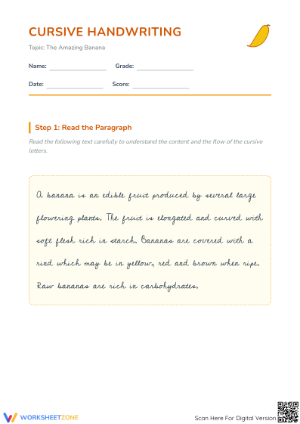
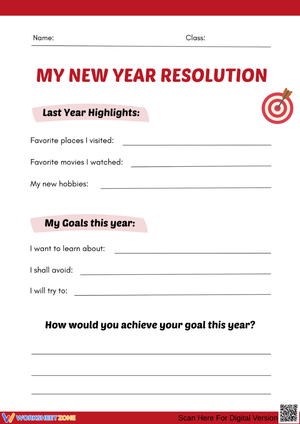
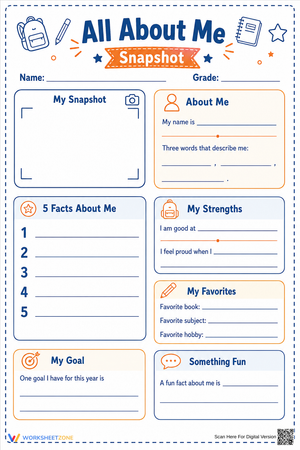
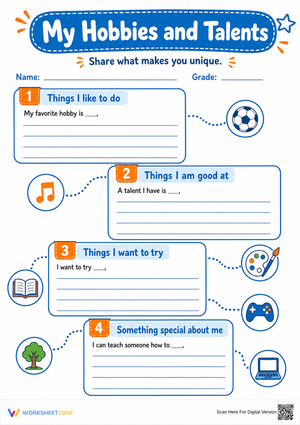
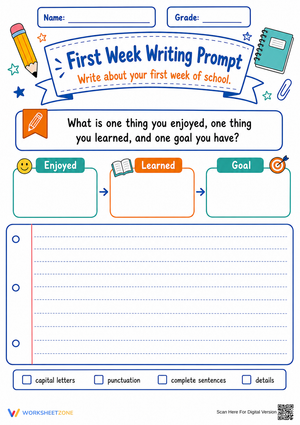
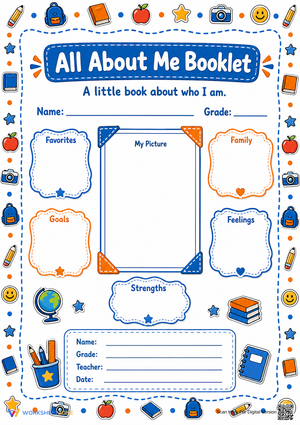
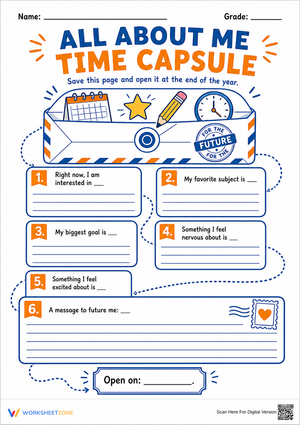
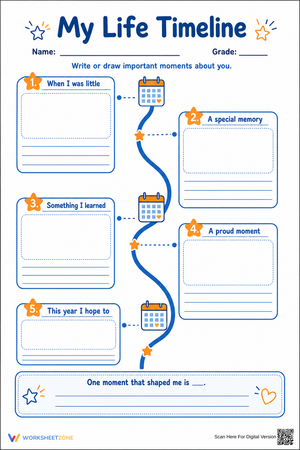
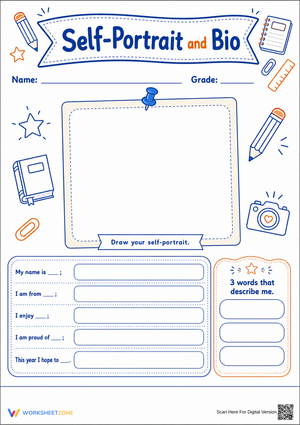
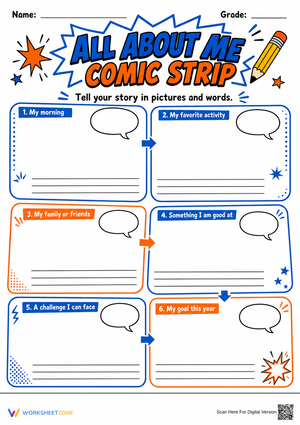
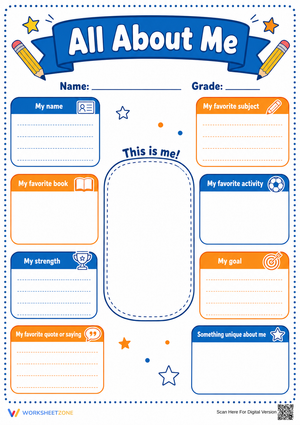
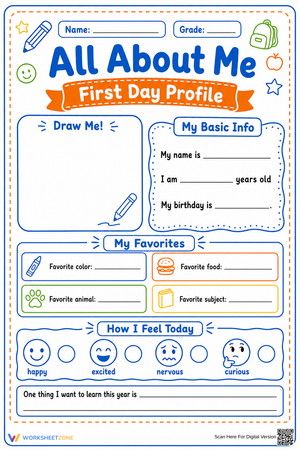
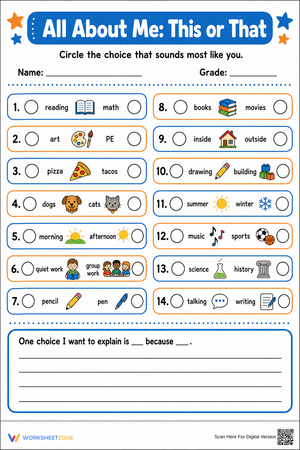
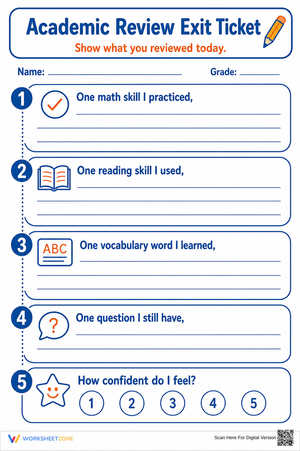
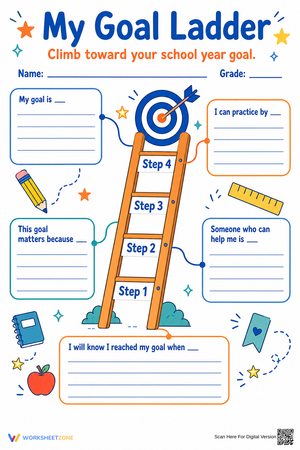
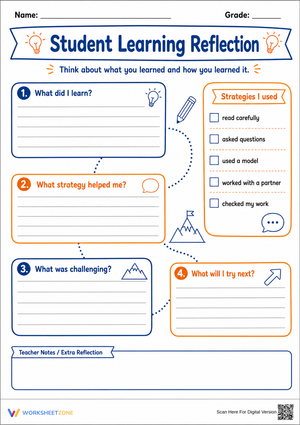
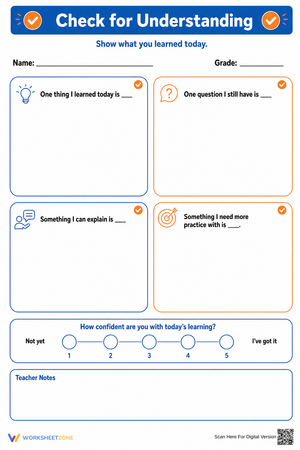
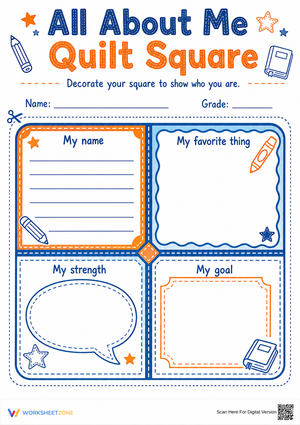
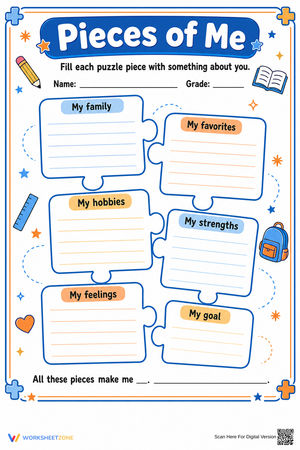
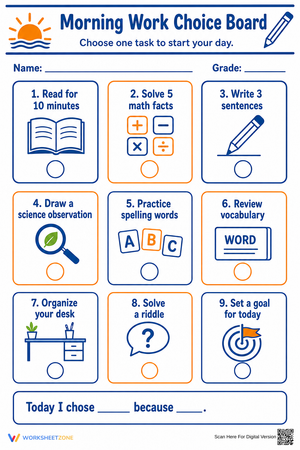
These writing printable worksheets for 3rd grade address the three genres at the center of the Common Core Writing standards for this level: opinion, informative, and narrative. Each worksheet focuses on one named skill — forming a claim with linking words, sorting related facts before drafting, using temporal phrases to sequence a story — which keeps practice targeted and makes it easier to match specific worksheets to specific gaps in student work.
Skills These Worksheets Build
Opinion writing worksheets ask students to open with a clear claim, develop it with reasons joined by because, since, or therefore, and close with a statement that returns to the original position. That three-part structure — claim, connected reasons, closing — maps directly to W.3.1, and students need deliberate, repeated practice before it becomes automatic rather than something they chase with a checklist.
Informative worksheets move through topic introduction, grouped supporting details, and a concluding sentence. Several include a pre-writing sort where students place facts into labeled categories before they begin drafting. That step matters: without it, 3rd graders tend to write facts in the order they surfaced in memory rather than in any logical arrangement. Sorting first reduces that disorder without slowing the writing itself.
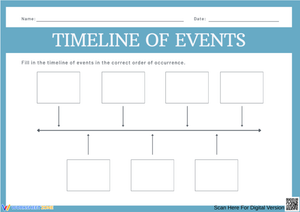
Narrative worksheets address the hardest structural move at this level — sequencing without relying on "and then" chains. Students mark overused connectors in a sample paragraph and rewrite using temporal phrases like later that afternoon or by the time we arrived. Story-starter worksheets pair a situational prompt with a sequence map so students establish a character, a reaction, and a resolution before drafting a single sentence.
Frequent Student Errors Worth Watching For
Opinion writing surfaces a predictable and telling error: students state a claim, then list reasons with no connecting tissue. A third grader writes "My favorite season is winter. It snows. You can go sledding. Hot chocolate is good." Each sentence is grammatically acceptable, but the linking words — the moves that tie a reason back to the claim — are absent entirely. Working through opinion worksheets that require students to rewrite bare reason lists using because or since is the most direct way to break that habit before it calcifies.
In informative writing, the error pattern shifts. Students introduce a topic competently, then drop facts without any grouping logic, and frequently skip the concluding sentence because they feel the last fact is the conclusion. A short self-monitoring question built into each informative worksheet — "Does your last sentence wrap up the topic, or does it add a new fact?" — gives students a concrete check before the teacher has to intervene individually.
Grammar errors cluster around irregular plural nouns and abstract nouns, both of which enter the curriculum at this grade level. Students write "childs" and "mouses" without hesitation, and they struggle to place abstract nouns like courage or honesty inside a real sentence rather than dropping them at the end of a paragraph as an afterthought. The grammar-focused writing printable worksheets for 3rd grade in this set place those rules in context — students correct errors inside real sentences before applying the same rule in their own original writing.
How to Build These Worksheets Into Your Lesson Plans
The most reliable placement is immediately after a whole-class mini-lesson, while the teaching point is still fresh. If Monday's lesson introduces the claim–reasons–closing structure for opinion writing, the corresponding opinion worksheet functions as guided practice during the last 12 minutes of the writing block. The task is narrow enough that most students work independently without repeated redirects — which is not always true of more open-ended writing assignments at this grade.
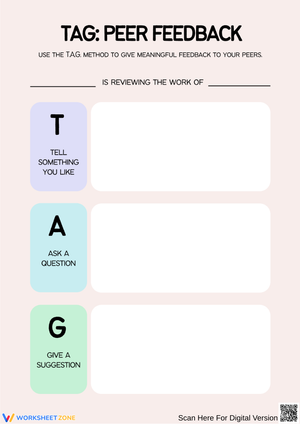
A second reliable slot is the morning warm-up. A narrative sequence worksheet takes about eight minutes and gives students low-stakes practice with temporal language before reading instruction begins. Revision checklists work well as a Friday partner activity — students use the checklist to evaluate a classmate's draft, which forces them to read for structure rather than surface-level errors. When students act as the evaluator, they internalize the criteria faster than they do from teacher feedback alone.
One approach worth building into the routine: project a completed sample worksheet and ask students to identify the topic sentence, mark the supporting details, and circle the linking words before anyone begins their own draft. That whole-class analysis — five or six minutes — significantly reduces the number of students who stall at a blank page because they are not sure what a finished product looks like. It also generates a shared vocabulary for the discussion afterward.
Standard Alignment
These writing printable worksheets for 3rd grade align to Common Core ELA Writing standards W.3.1 (opinion writing: state a claim, provide reasons with linking words, include a concluding statement), W.3.2 (informative writing: introduce a topic, group related information, include a conclusion), W.3.3 (narrative writing: establish a situation, use descriptive details and dialogue, signal event order with temporal words), and W.3.5 (writing process: plan, draft, revise, and edit with guidance from adults and peers). Language standards L.3.1 and L.3.2 are addressed in grammar-focused worksheets covering irregular plural nouns, abstract nouns, subject-verb agreement, dialogue punctuation, and possessives. In most scope-and-sequence plans, opinion and informative writing anchor the fall and winter terms while narrative work runs in parallel or intensifies in the spring.
Differentiating These Worksheets Across Ability Levels
For students still working on basic paragraph construction, the graphic organizer worksheets offer a useful entry point. Students fill in labeled sections — topic sentence, two or three detail sentences, closing sentence — before drafting. The visual structure keeps the task manageable without lowering the expectation that students produce original sentences in their own words. Reducing the required number of detail sentences from three to two for a struggling writer is a simple adjustment that keeps the genre structure intact while lightening the immediate load.
For students writing well above grade level, the same worksheets carry extended expectations: add a counterargument and rebuttal to the opinion piece, include a text-sourced detail in the informative draft, or extend the narrative beyond a single event sequence by introducing a second scene. The writing printable worksheets for 3rd grade in this set also work in small-group intervention settings — pulling three or four students who share a specific error pattern, such as missing concluding sentences or over-reliance on "and then," and working through the relevant worksheet together is more efficient than whole-class re-teaching, and the narrowness of each worksheet makes that kind of targeted pull-aside practical.
Frequently Asked Questions
What does each opinion writing worksheet ask students to do?
Each opinion worksheet targets one part of the W.3.1 structure. Some ask students to rewrite a list of reasons using linking words. Others provide a prompt and a planning frame — space for the claim, two or three reasons, and a closing — before the drafting section. A few present a flawed mentor paragraph and ask students to identify what is missing and revise it directly on the worksheet.
Are graphic organizers included with the narrative worksheets?
Yes. Most narrative worksheets include a sequence planner built into the same worksheet, with labeled sections for the opening situation, key events, and resolution. Students complete the organizer first, then draft directly below it. Keeping planning and drafting together reduces transition time and lets students refer back to the plan while writing rather than searching for a separate sheet.
How do the revision worksheets work?
Revision worksheets function as structured checklists with a concrete task attached to each item. Instead of a generic "check your work" prompt, students receive specific instructions: mark every linking word in your opinion piece, underline the concluding sentence in your informative draft, circle every temporal phrase in your narrative. If a required element is missing, students add it before considering the draft finished. This turns revision into a tangible editing action rather than a vague second pass that most 3rd graders skip entirely.
Do the grammar worksheets connect to the writing genres?
They do. Grammar practice appears inside genre-relevant sentences rather than isolated drills. Irregular plural exercises use sentences drawn from informative-style writing about science and social studies topics. Abstract noun practice appears inside opinion writing examples. Students practice the grammar rule while seeing it used in the same genre where they will most need to apply it independently.












 Interactive Worksheet Maker
 Quiz Maker
 Word Search Maker
 Crossword Puzzle Maker
 Word Scramble Generator
 Sentence Scramble Generator
 Handwriting Worksheet Generator
 Name Tracing Generator
 Fill In The Blank Generator