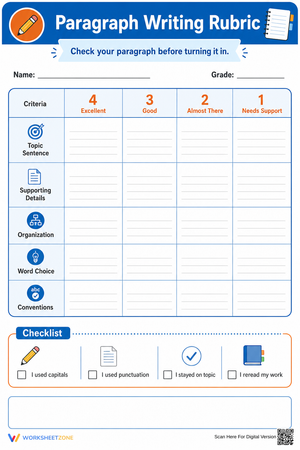
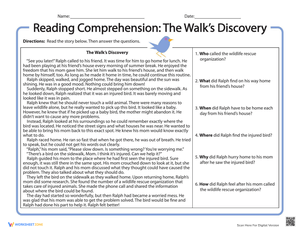
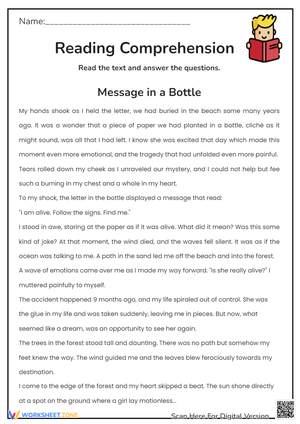
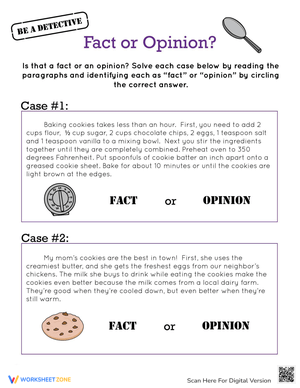
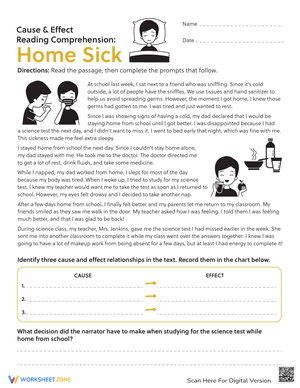
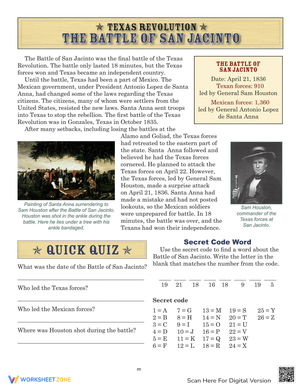
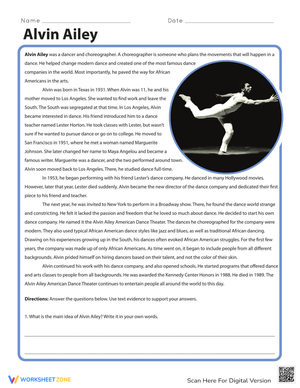
These 3rd grade organization and structure printable worksheets address the skill gap that surfaces consistently around October — students who can generate ideas but can't yet hold a paragraph together. The resources cover transition word use, logical sequencing, topic sentence work, and the structural demands of opinion, informational, and narrative writing at Grade 3.
What's Inside the Set
Each worksheet targets one organizational skill rather than asking students to manage everything at once. That narrowing matters — third graders working on transition words shouldn't also be negotiating paragraph shape at the same time.
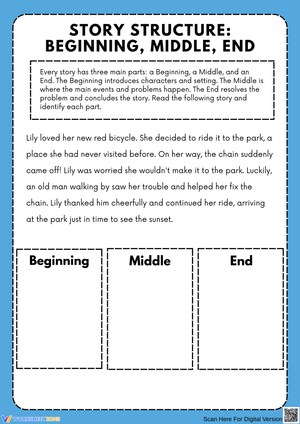
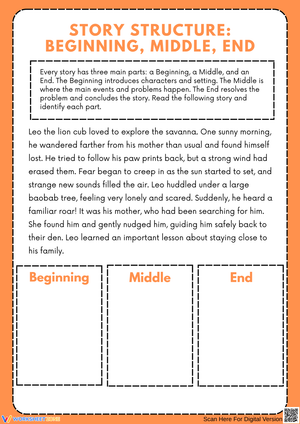
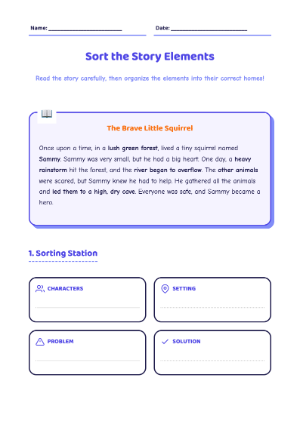
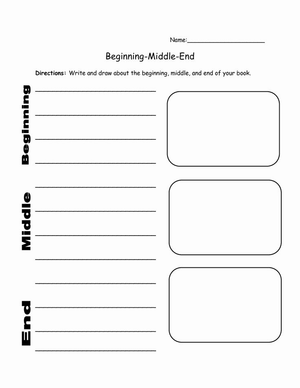
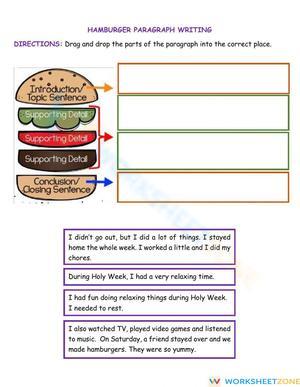
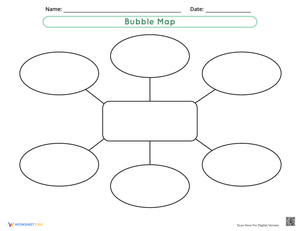
- Graphic organizers for pre-writing — hamburger paragraph frames, T-charts for informational writing, and story maps for narrative structure. The format shifts across the set so students don't fall back on memorized templates.
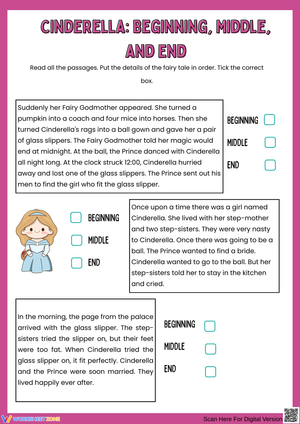
- Paragraph scrambles — sentences from a well-constructed paragraph shuffled out of order. Students use transition words and contextual logic to reconstruct the sequence, then write the corrected version.
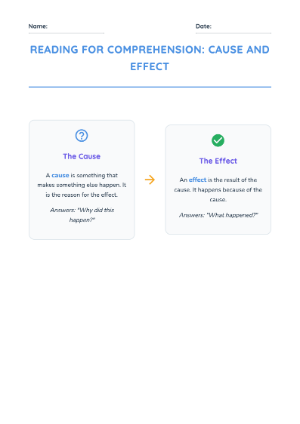
- Transition word practice — fill-in-the-blank and sorting activities covering sequencing words (first, next, finally), additive connectors (also, another, in addition), and cause-and-effect phrasing (because, therefore, as a result).
- Topic sentence work — students match topic sentences to sets of supporting details, then generate their own from scratch.
- Genre-specific structure frames — separate worksheets for opinion (claim, reasons, linking words, concluding statement), informational (introduction, grouped facts, conclusion), and narrative (situation setup, event sequence, closure).
The opinion and informational worksheets draw directly from the W.3.1 and W.3.2 frameworks, so students practice the exact components the standards require rather than a generalized idea of "good organization." Narrative worksheets pay particular attention to the temporal language that Grade 3 writers tend to skip — students often write a sequence of events but omit the signal words that tell a reader how those events connect in time.
Ways to Work These Worksheets Into Your Writing Block
3rd grade organization and structure printable worksheets slot naturally into the independent practice portion of a writing block — after a 10-minute mini-lesson on one targeted skill, not before. Handing students a paragraph scramble before they've seen transition words used in a mentor text puts them in decoding mode rather than thinking-about-structure mode.
Paragraph scrambles work especially well as Monday re-entry activities. After a weekend break, asking students to read, reorder, and discuss a short passage takes about 12 minutes and re-activates the vocabulary and logic needed for the week's writing focus. The physical version — where students cut sentence strips and move them around on their desks before gluing them down — gives you a visible window into their reasoning that a written answer alone doesn't provide. You can see which students are reading the whole paragraph before deciding, and which are sequencing one sentence at a time without reading ahead.
Graphic organizers also double as formative data. When a student completes a hamburger frame with a strong topic sentence and three supporting details but then writes a paragraph that ignores all of it, that's a different problem than a student who can't fill in the frame at all. Both need teacher attention, but not the same intervention.
Error Patterns Worth Addressing Before Moving On
The most common sequencing problem in third grade is what you might call the "list chain" — students who write first I did this, then I did this, then I did this, then I did this without ever signaling a shift in time, cause, or logical grouping. Every connector is then. Paragraph scramble worksheets surface this habit quickly because students must actively distinguish between connectors that sequence time and connectors that introduce reasons or contrasts.
A subtler issue shows up on topic sentence exercises. Students often write sentences that are too narrow to function as a topic sentence — asked to introduce three details about frogs, a student might write "Frogs have sticky tongues," which covers only one of the three details rather than framing all of them. This is different from not understanding what a topic sentence is; it's a specificity problem, and it needs direct modeling with a few examples before the worksheet makes sense as practice.
On transition word fill-in-the-blank exercises, students who are not strong readers sometimes choose the word that fits grammatically even when it doesn't fit logically. "The sky was cloudy therefore the flowers smelled nice" passes a surface grammar check. Reading answers aloud — a step worth building into the instruction before students work independently — catches these nearly every time.
Standard Alignment
The worksheets align to CCSS.ELA-LITERACY.W.3.1 (opinion writing), W.3.2 (informational writing), and W.3.3 (narrative writing). Each of these standards includes sub-standards that address structure specifically: W.3.1b requires students to supply reasons that support an opinion, W.3.2a asks them to introduce a topic and group related information together, and W.3.3a specifies that students establish a situation and introduce a narrator or characters while organizing an event sequence that unfolds naturally. These aren't incidental to the worksheets — each resource maps to one of those sub-standards rather than treating "organization" as a single undifferentiated goal.
Grade 3 is the first year the structural requirements appear in full across all three genres simultaneously. Students aren't revisiting a familiar concept — they're building a framework for organized writing from the ground up across three different text types at once. That's the developmental reason this skill cluster receives concentrated attention in third grade, and it's why the volume of targeted practice these worksheets provide is worth the instructional time.
Adjusting These Worksheets for a Range of Writers
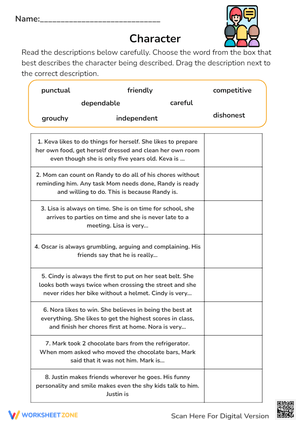
Students who struggle with paragraph structure respond well to graphic organizers that include a partially completed example in the first row — not to copy, but to show what a finished entry looks like. 3rd grade organization and structure printable worksheets at the more accessible end of the set also use wider lines, shorter passages for scramble activities, and word banks for transition exercises, so students aren't held back by word retrieval when the goal is structural thinking. Once the format becomes familiar after two or three uses, removing those supports tends to happen naturally without any formal announcement.
For writers who are ready for more, the challenge isn't longer passages — it's more precise connectors. Asking an advanced third grader to find every instance of also in a paragraph and replace it with a more specific connector (in contrast, as a result, for instance), then explain why each choice works, is genuinely demanding work. The genre-specific frames for opinion and informational writing can also be extended by asking students to add a second body paragraph, which requires them to manage both within-paragraph structure and across-paragraph flow at the same time.
For students reading below grade level, paragraph scrambles present a real barrier — the decoding demand competes directly with structural thinking. Pairing those students with a reading partner for scramble activities, rather than modifying the worksheet itself, usually preserves the structural thinking goal while removing the decoding obstacle.
Frequently Asked Questions
What's the difference between teaching organization in Grade 2 versus Grade 3?
In Grade 2, structure means a topic sentence, two or three details, and a closing sentence — all within a single paragraph. Grade 3 expands that expectation across three distinct genres, each with its own sub-requirements. Opinion writing now requires linking words that explicitly connect reasons to a claim. Informational writing requires grouping related facts rather than listing them at random. Narrative writing requires temporal language and a deliberate sense of closure. The structural demands are genuinely different at Grade 3, not simply more of the same.
How do graphic organizers fit into drafting without replacing it?
Graphic organizers belong in the pre-writing phase as a planning tool, not a finished product. The transfer problem is real — students who fill out a hamburger frame accurately sometimes write a paragraph that bears little resemblance to the plan. One way to close that gap is to have students point to each section of the organizer as they write the corresponding sentence, rather than setting it aside once drafting begins. That physical connection keeps the structure active while they write instead of making it a step they completed and forgot.
Can these worksheets support test preparation?
Directly, yes. Most state ELA assessments at Grade 3 include a writing prompt asking students to produce an opinion, informational, or narrative response — the same three genres covered here. Students who have practiced identifying topic sentences, sequencing events with temporal language, and connecting reasons to claims with linking words arrive at a writing prompt with a usable framework rather than a blank page. Consistent use across the year builds the automaticity students need when working under timed conditions.
How do I decide which worksheets to use and when?
Start with a quick diagnostic rather than working through the set in order. A paragraph scramble on day two of a writing unit takes about 10 minutes and tells you a great deal — if most students can reorder a five-sentence paragraph accurately, you can move past basic sequencing. If a third of the class is still struggling, that becomes the small-group focus for the first week while others move to topic sentence and transition work. 3rd grade organization and structure printable worksheets are most effective when selected based on observed student need, not taught as a fixed sequence from the first worksheet to the last.












 Interactive Worksheet Maker
 Quiz Maker
 Word Search Maker
 Crossword Puzzle Maker
 Word Scramble Generator
 Sentence Scramble Generator
 Handwriting Worksheet Generator
 Name Tracing Generator
 Fill In The Blank Generator