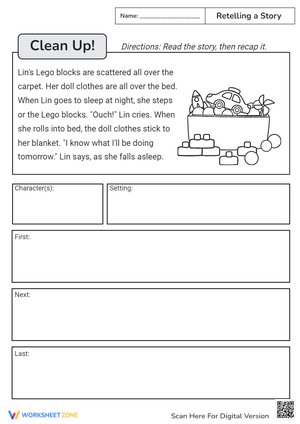
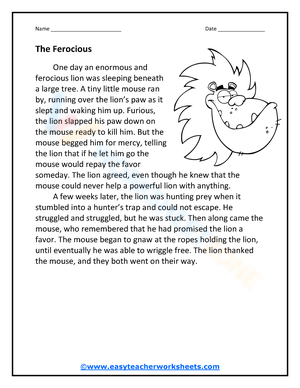
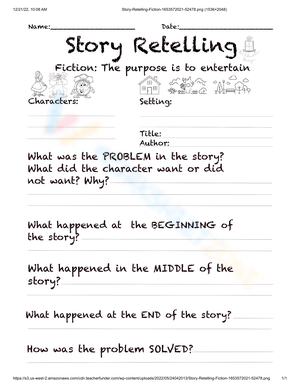
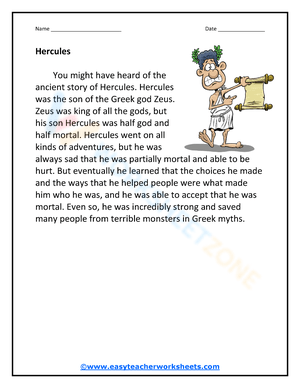
These story elements worksheets for 3rd grade give teachers a set of ready-to-print resources for one of the year's most demanding reading transitions — the shift from simple retelling to genuine narrative analysis. Each worksheet targets a specific element: characters, setting, plot sequence, conflict, and resolution. Teachers get formats ranging from story maps and character webs to SWBST summary frames and short-passage comprehension sets, all designed for independent work, guided reading groups, and literacy centers.
The Specific Skills Each Worksheet Builds
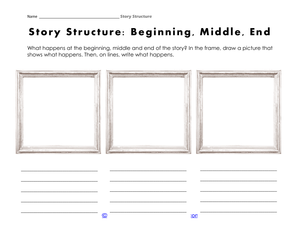
Character worksheets ask students to name a character's traits and then support each claim with direct evidence from the text. That evidence step is where the analytical work happens — third graders who can write "brave" also need to name the scene that proves it. Setting worksheets push beyond simple location and ask students to record both place and time, then note how the setting shapes the mood or direction of the story. Plot worksheets use a beginning-middle-end frame as the starting structure and layer in cause-and-effect: not just what happened, but what caused each event to follow from the last. Conflict worksheets isolate the central problem from surrounding events, and resolution worksheets ask students to trace whether the character's own actions drove the outcome — a distinction that requires direct instruction before most third graders can make it reliably.
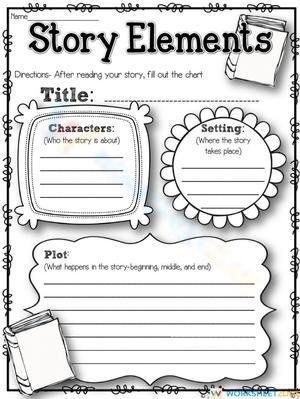
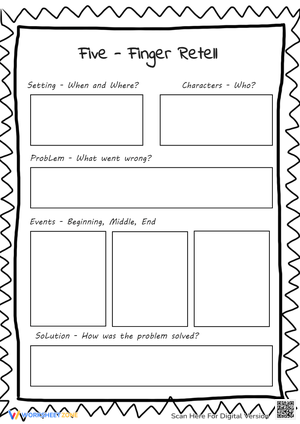
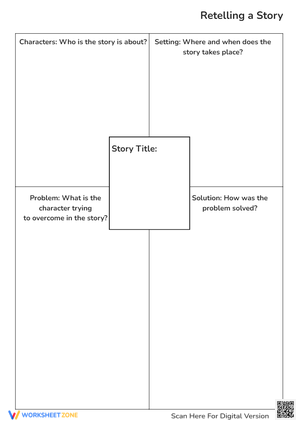
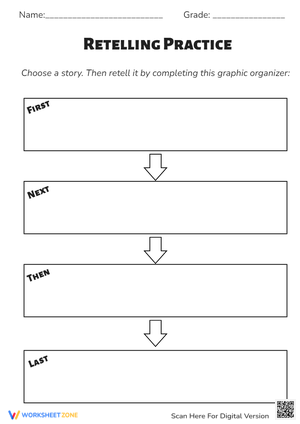
- Story map graphic organizers — labeled sections for all five elements; text-neutral format works with any read-aloud or independent reading selection
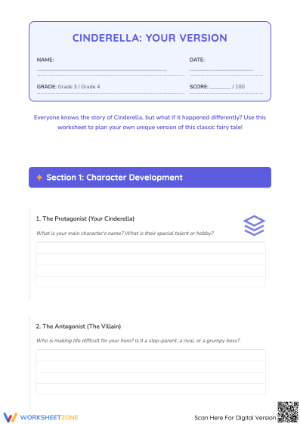
- Character analysis webs — character name at center, surrounding fields for traits, supporting text evidence, and motivation
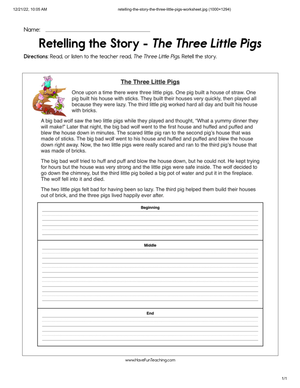
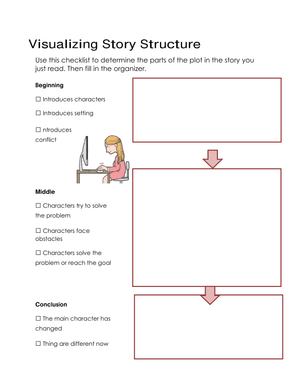
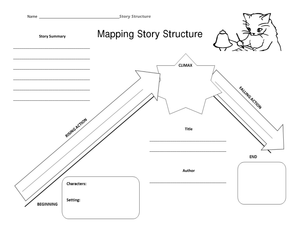
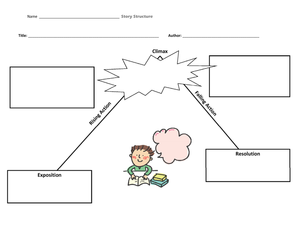
- Plot mountain frames — visual arc through introduction, rising action, climax, falling action, and resolution; a cut-and-paste version adds a sorting element for hands-on learners
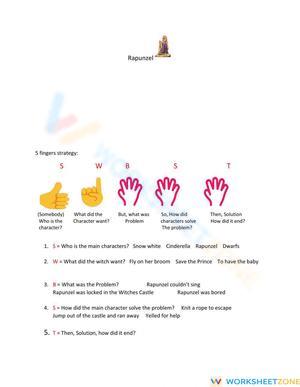
- SWBST summary sheets — Somebody, Wanted, But, So, Then columns guide students through a complete story summary in a structured, repeatable format
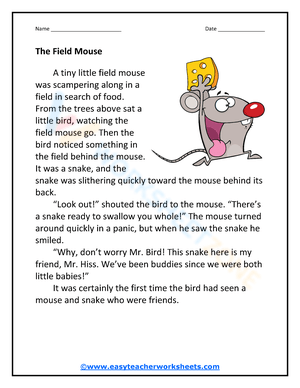
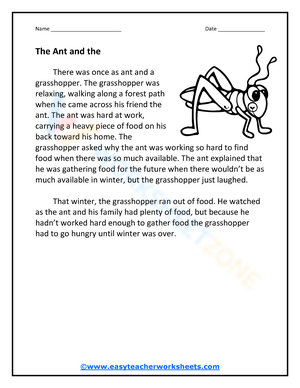
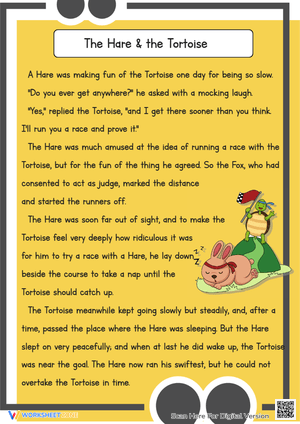
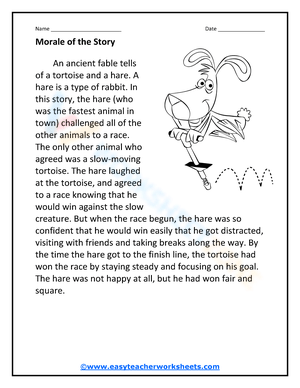
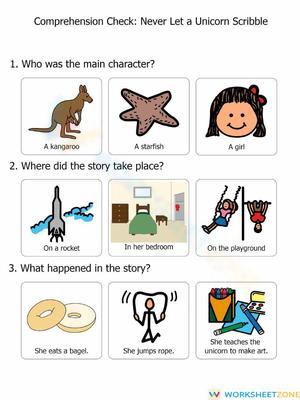
- Short-passage comprehension sets — leveled reading passages paired with targeted questions in multiple-choice and open-ended formats
Mistakes Students Make That These Worksheets Help You Catch
The most consistent error in third-grade story element work is writing a plot event where the conflict belongs. A student reading Charlotte's Web will fill in "Wilbur moved to Zuckerman's farm" as the problem — a true event, but not the obstacle that drives the story. The actual conflict is that Wilbur faces slaughter, and students need to understand the difference between things that happen and the central tension that makes those events matter. Because the conflict field sits apart from the plot sequence on these worksheets, students are forced to think twice rather than copy from their event list.
Character trait responses reveal a second pattern. Students write evaluative adjectives — "she is kind," "he is brave" — without connecting those claims to anything in the text. The character analysis worksheet addresses this by pairing every trait field with an evidence field directly beneath it. Students discover quickly that "brave" needs a scene attached to it, or the field stays empty.
A third error surfaces on SWBST frames. The "Wanted" column trips up many third graders because they default to recording what a character did rather than what the character needed or desired. A student writing "Charlotte wanted to write words in her web" is describing an action, not a motivation. Spotting that error in written responses — rather than during whole-class discussion, where students can adjust on the fly — gives teachers usable information about who has internalized the concept and who has not.
Building These Worksheets Into Your Lesson Sequence
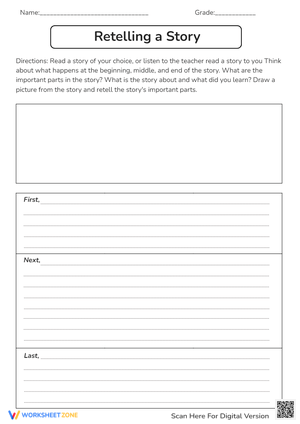
The clearest entry point is a whole-class read-aloud. Project a blank story map while reading, then model filling in each section aloud as students call out what they notice. That shared, teacher-led practice — model, then guided completion, then independent work — takes about three sessions before most third graders can fill in a story map on their own without stopping to ask what goes where. Once they have that, the story elements worksheets for 3rd grade run with minimal teacher oversight during centers or independent reading follow-up.
A weekly literacy center rotation keeps the practice active without consuming whole-class time. Story map on Monday after a read-aloud. Character web during Wednesday guided reading. SWBST frame as a Friday independent summary. Six weeks of that rotation means students have practiced all five elements repeatedly across different texts — which is what transfers to writing and assessments, not single-exposure practice with one memorable book.
Completed worksheets also function as formative data. A quick scan of a class set of conflict worksheets on Thursday afternoon tells you exactly which students are still listing plot events instead of identifying the central problem. That information feeds small-group instruction the following week without requiring a separate assessment period.
Differentiating the Worksheets for a Range of Readers
For students who freeze at open-ended fields, add sentence frames before distributing: "The main character is ___ because ___" or "The conflict in this story is ___ because the character needs to ___." Those frames reduce blank-page paralysis and let struggling readers demonstrate what they actually understood about the narrative. The worksheet structure stays intact; the entry point becomes more manageable.
Advanced readers need the opposite adjustment. Remove the five-element label list from the top of the story map and ask them to argue which element matters most in this particular story and why. A student who has to make a case that setting outweighs conflict in a survival story is doing higher-order analysis that the standard format only gestures toward. The story elements worksheets for 3rd grade work best for advanced students when the labeled fields become a starting point rather than a ceiling.
For English language learners, the SWBST frame is often the most accessible format because it converts narrative into structured columns. Pairing the worksheet with a brief vocabulary reference card — concise definitions for conflict, resolution, and character trait — prevents a vocabulary gap from blocking students who understand the story but stumble over the terminology.
Standard Alignment
These worksheets address CCSS.ELA-LITERACY.RL.3.3, which requires students to describe characters in a story and explain how their actions contribute to the sequence of events. In classroom terms, that standard is present in every character analysis worksheet and every SWBST frame in the set — students are not just naming characters but tracing how character choices move the plot forward. The setting and plot worksheets also support CCSS.ELA-LITERACY.RL.3.1, which asks students to ask and answer questions using explicit details and logical inferences. Story elements instruction at Grade 3 sits at the intersection of those two standards, and the worksheets address both without requiring separate planning for each.
Frequently Asked Questions
What are the five story elements covered in these worksheets?
The set addresses characters, setting, plot (structured as beginning, middle, and end with cause-and-effect connections), conflict or central problem, and resolution. Each element gets dedicated worksheet formats rather than being crammed onto a single, cluttered organizer.
Can these worksheets be used with any book, or only specific titles?
The story maps, character webs, plot mountain frames, and SWBST sheets are text-neutral — students fill them in based on whatever narrative the class or group is reading. Only the short-passage comprehension sets include their own reading material. That flexibility makes the story elements worksheets for 3rd grade reusable across the entire school year and compatible with any reading curriculum or classroom library.
How long does each worksheet take to complete?
A story map or SWBST frame typically takes 10–15 minutes following a read-aloud. Character analysis webs run closer to 20 minutes when students are locating and recording text evidence. The short-passage sets, which include reading time, generally fit within a 25–30 minute independent work block. Pacing varies depending on the complexity of the source text and how much discussion precedes the written task.
Are answer keys included?
The graphic organizers and open-ended response worksheets do not have a single correct answer, so traditional answer keys are not applicable for those. The short-passage comprehension sets include answer keys for multiple-choice questions and sample responses for open-ended prompts to support consistent teacher feedback across the class.












 Interactive Worksheet Maker
 Quiz Maker
 Word Search Maker
 Crossword Puzzle Maker
 Word Scramble Generator
 Sentence Scramble Generator
 Handwriting Worksheet Generator
 Name Tracing Generator
 Fill In The Blank Generator