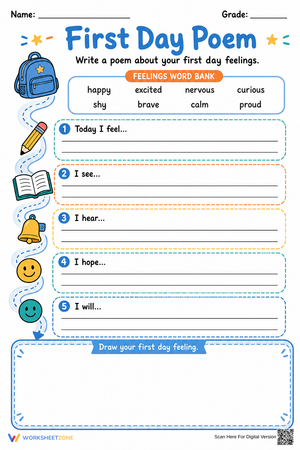
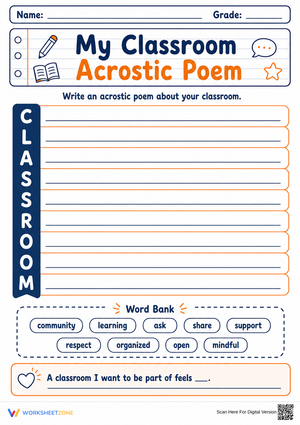
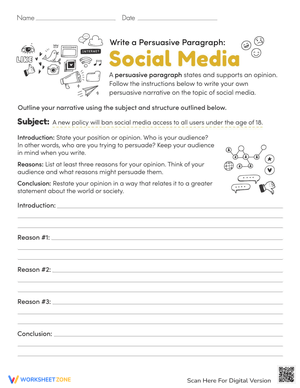
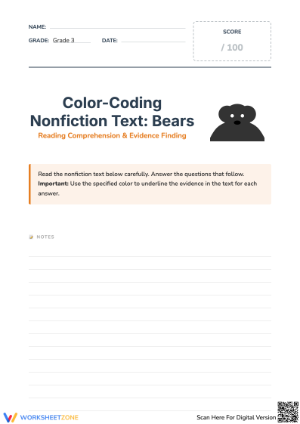
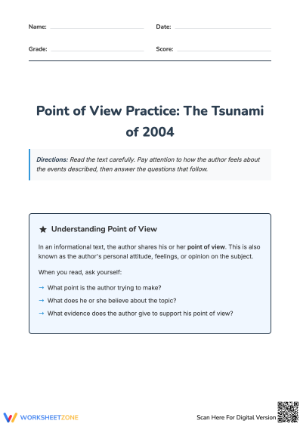
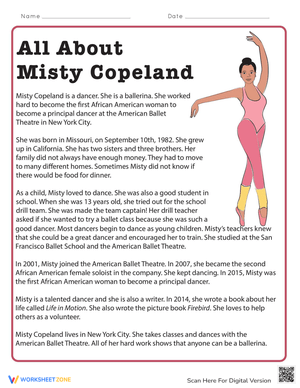
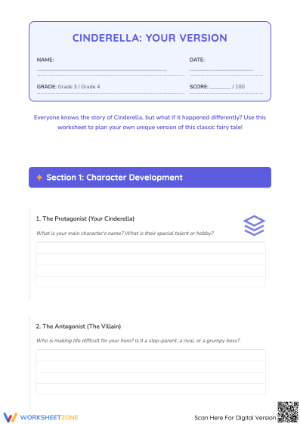
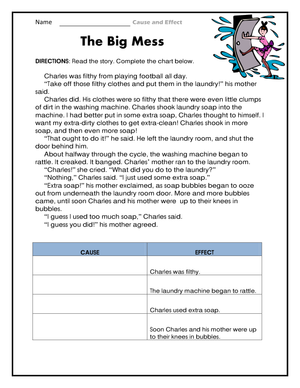
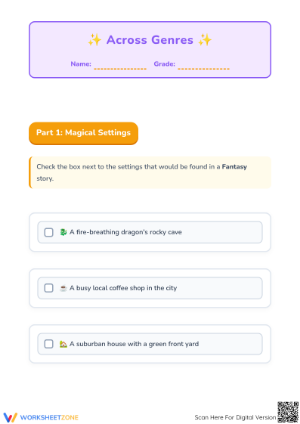
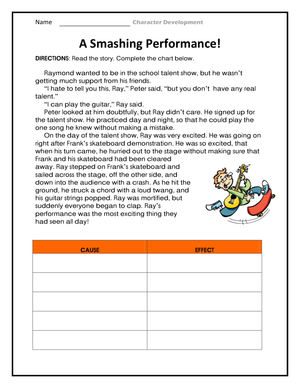
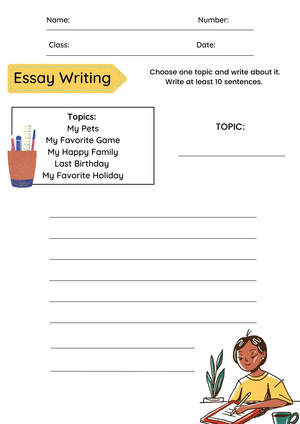
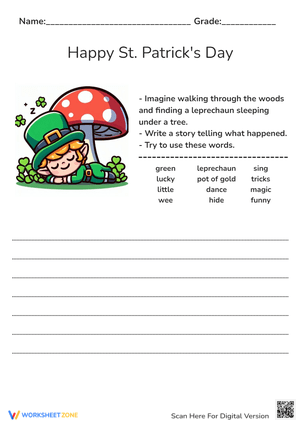
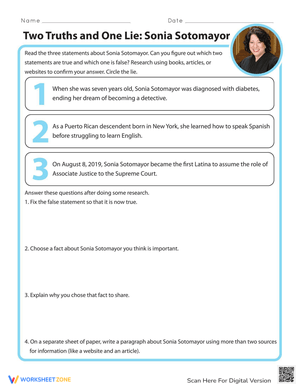
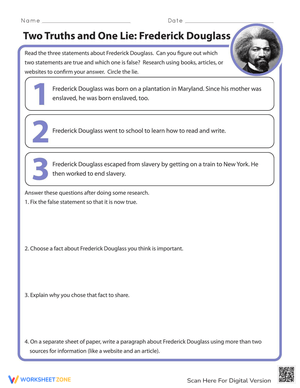
These 3rd grade genre writing printable worksheets give teachers a targeted set of practice resources covering the three writing genres Grade 3 students are formally assessed on: opinion, informative, and narrative. Rather than treating genre as a broad category, each worksheet zeroes in on a specific structural demand — so students practice the actual moves required, not just the general idea of "writing an opinion."
Genre-Specific Skills Across the Three Formats
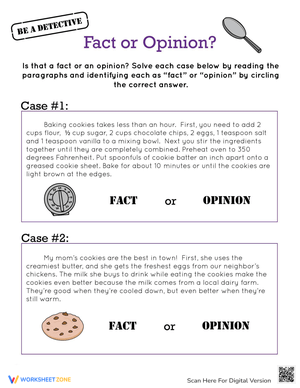
Opinion writing worksheets build the skills addressed in W.3.1: stating a clear position, providing at least two reasons, and connecting those reasons to the stated opinion with linking language. Students underline their claim, label their reasons, and practice the restatement that closes the piece. Several worksheets use the OREO framework — Opinion, Reason, Evidence, Opinion — because Grade 3 students internalize mnemonics quickly and can self-check their drafts against the letters without needing teacher prompting.
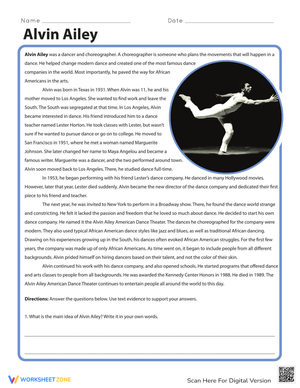
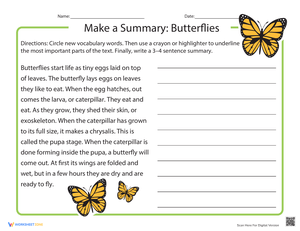
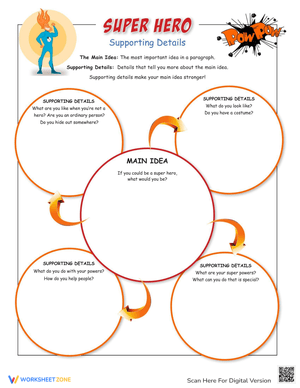
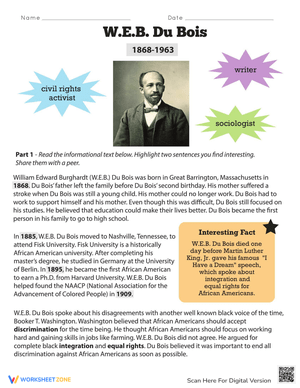
Informative writing worksheets (W.3.2) train students to group related facts rather than list everything they know in a single run-on paragraph. Each worksheet separates the introduction, supporting details, and closing statement into distinct labeled sections. Students sort fact cards by category before drafting — a step that directly targets the grouping expectation in the standard and interrupts the "dump everything" habit that shows up constantly in third-grade informative work.
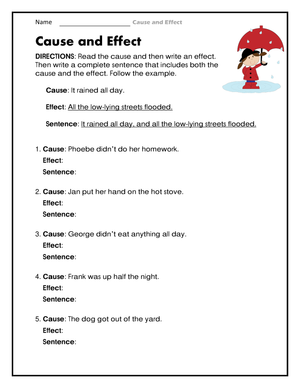
Narrative worksheets (W.3.3) focus on event sequence, dialogue, and temporal language. Students complete a story map before drafting, identifying the problem or challenge before they begin writing — a step many third graders skip, which is why so many Grade 3 narratives read as flat recounts rather than stories with actual tension. Sentence frames on the worksheet prompt for internal character response, pushing students past action-only narration into something closer to what the standard asks for.
Standard Alignment
The set addresses three specific standards within the Common Core ELA Writing strand for Grade 3. W.3.1 covers opinion writing, requiring students to introduce a topic, state an opinion, supply reasons, use linking words such as because and therefore, and provide a concluding statement. W.3.2 covers informative and explanatory writing, including the expectation that students group related information, define terms where necessary, and close with a statement that ties the piece together. W.3.3 covers narrative writing, with the expectation that students establish a situation, use dialogue and description to develop experiences, and deploy temporal words to signal event order. These 3rd grade genre writing printable worksheets resources map to W.3.1, W.3.2, and W.3.3 at the sub-skill level — meaning individual worksheets target specific moves like linking word selection or temporal phrase placement, not just overall genre completion. That granularity makes them easy to pull for targeted instruction rather than general writing practice.
Common Writing Mistakes Students Make Across These Three Genres
In opinion writing, the most consistent error is reason repetition — students restate the same reason in slightly different words rather than generating a second, distinct reason. A student might write "I think recess should be longer because it is fun" and then follow with "My second reason is that recess makes me happy," which is the same claim repackaged. The worksheets address this by requiring students to write their reasons in separate labeled boxes before drafting; when the two reasons sit side by side, students see the overlap themselves.
In informative writing, the error is grouping. Third graders know a lot about their chosen topic, and the instinct is to pile the facts in. A student writing about emperor penguins will often put diet, appearance, and habitat details inside a single paragraph with no organizing logic. The worksheets make the grouping expectation visible by separating those categories into labeled sections, which removes the abstraction from what the standard actually requires.
Narrative writing produces its own predictable problem — students write a sequence of events that never identifies a challenge, so the story ends up as a recount: "I woke up. We went to the beach. We swam. We drove home." No tension, no character problem, nothing for the ending to resolve. Story map worksheets that prompt for the problem explicitly force students to plan narrative structure before they write their first sentence. Dialogue is also consistently underdeveloped at this age; students know characters talk, but they write it as summary ("she said she was hungry") rather than direct speech. The worksheets include a dialogue box where students must draft at least one direct-speech exchange before they can move to full drafting.
How to Build These Worksheets Into Your Writing Block
The most productive use pattern is a genre rotation running three to four weeks per genre. Open with whole-class work using the graphic organizer on a document camera — teacher fills it out with students contributing ideas, then the class co-writes a short model piece. By the second week, students use the same organizer independently with a new prompt. In week three, they draft and peer-review using genre-specific checklist items: linking words for opinion, temporal words for narrative, grouped subheadings for informative. Each of those checklist items corresponds to a box on the worksheet, which gives reviewers something concrete to look for.
Individual worksheets also work well as Monday warm-ups — a five-minute opinion organizer with a low-stakes prompt reactivates the structural thinking students need before they tackle longer drafts later in the week. The Friday before a new genre begins is a useful moment to introduce the vocabulary: show the class the organizer layout and name the parts before any writing happens, so students arrive Monday with at least a visual memory of the structure rather than encountering it cold.
For writing conferences, having a completed graphic organizer in front of both teacher and student at the same time changes the conversation. Instead of discussing the whole draft, a teacher can point to the "reasons" box and say, "You have one reason here. Where is your second one?" The worksheet makes the structural gap visible to both parties and shortens the conference considerably — which matters when there are twenty-two students waiting their turn.
Adjusting the Work for Writers at Different Levels
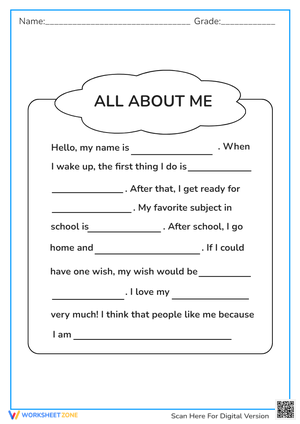
Students who need additional support work best with worksheet versions that include sentence starters — "My opinion is..." or "One reason is..." — alongside a word bank of linking or temporal phrases. Cloze-style versions of the graphic organizer, where portions of a model response are provided and students complete the missing sections, give struggling writers a foothold without removing the genre's structural expectations entirely. The 3rd grade genre writing printable worksheets format makes it straightforward to run two versions of the same organizer simultaneously in one classroom, with no obvious visual difference in the overall task.
Students working above grade level benefit from removing the pre-labeled sections and receiving a blank organizer, which asks them to decide on their own organizational structure. For narrative writing, an advanced version can require two-paragraph character development before the main event sequence begins. Informative writers who are ready can add a two-source research component rather than drawing entirely from prior knowledge, which raises the cognitive demand considerably without requiring a different worksheet altogether.
Frequently Asked Questions
Are these worksheets meant for a full writing unit, or can they be used for quick standalone practice?
Both. Each worksheet works as a standalone pre-writing tool for a single session, or as part of a multi-week genre unit. Many teachers use the graphic organizer worksheets early in a unit and reserve the drafting-focused worksheets for later in the writing process when students are ready to produce complete paragraphs from their plans.
My students complete the graphic organizer and then ignore it the moment they start drafting. Any fix for that?
This is one of the most common third-grade writing problems. A simple procedural fix: require students to keep the completed organizer next to their draft and draw a line from each labeled box to the corresponding paragraph in their writing. That physical connection slows down the impulse to start over and makes the organizer feel like a working document rather than a warm-up to discard. Students who have drawn those lines are noticeably more likely to actually use their plans.
What order do you recommend for introducing the three genres?
Opinion writing first, because third graders already hold strong preferences and can generate reasons quickly — the genre gives them immediate traction. Narrative second, after students have practiced supporting a claim, because strong narrative writing at this level depends on sequencing logic that students begin to develop through opinion work. Informative last, because it benefits from the fact-sorting and organizational habits students build during the earlier units.
Are these worksheets useful for English language learners in Grade 3?
Yes, especially worksheet versions that include word banks. For ELL students at the early intermediate stage, having transition words and genre-specific phrases visible on the worksheet reduces the vocabulary retrieval burden during writing. The visual structure of the organizer also communicates genre expectations without relying entirely on written instructions. Teachers working with ELL students find that pairing 3rd grade genre writing printable worksheets resources with a short mentor text in the same genre gives students a concrete model to reference as they fill in each section, which addresses both language and structure simultaneously.












 Interactive Worksheet Maker
 Quiz Maker
 Word Search Maker
 Crossword Puzzle Maker
 Word Scramble Generator
 Sentence Scramble Generator
 Handwriting Worksheet Generator
 Name Tracing Generator
 Fill In The Blank Generator