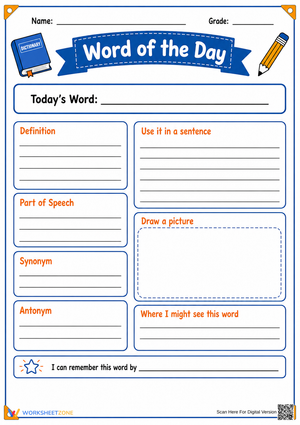
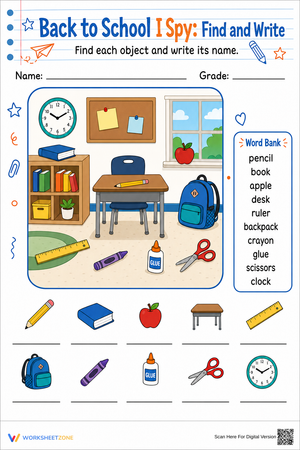
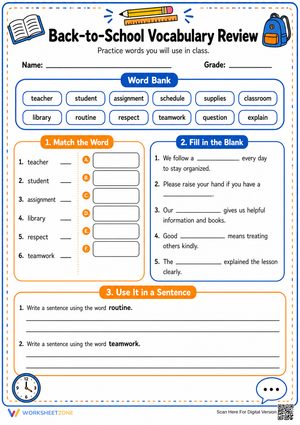
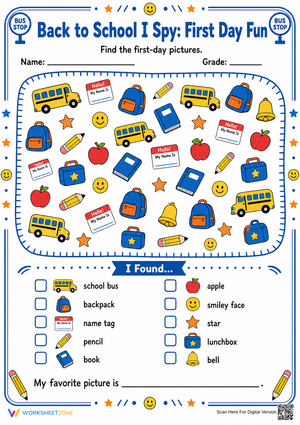
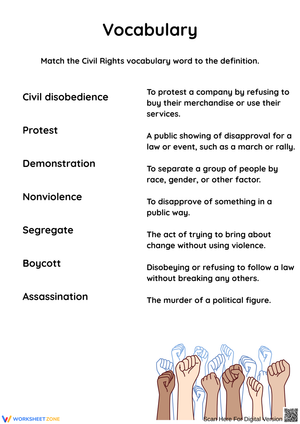
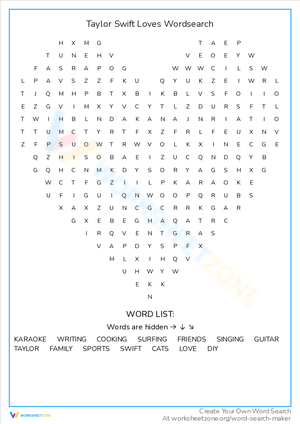
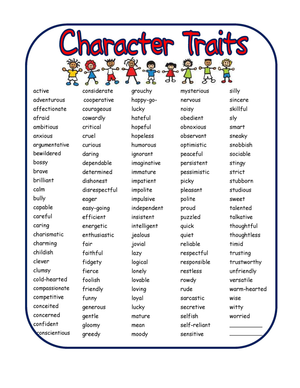
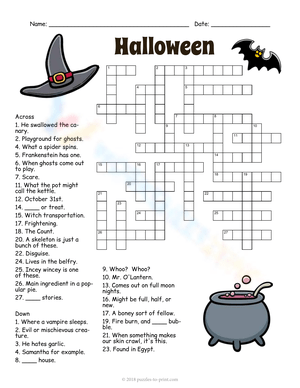
A worksheet packet labeled vocabulary practice can mean very different things depending on the classroom. For a 3rd grade teacher planning a literacy block, the real question is whether the practice actually builds word knowledge that transfers to reading comprehension. Grade 3 sits at a pivotal point: students move from learning to read toward reading to learn, and the words they meet in science, social studies, and chapter books get longer and more abstract. Worksheets that isolate context clues, word parts, and word relationships give teachers a way to target each of those skills without reinventing materials every week.
Matching Worksheets to CCSS L.3.4 Through L.3.6
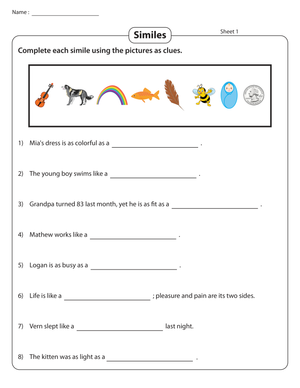
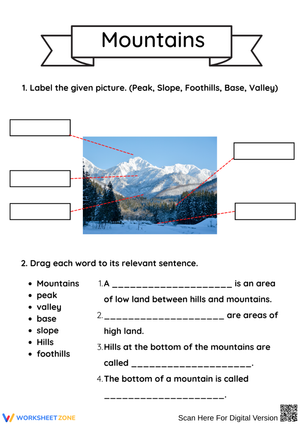
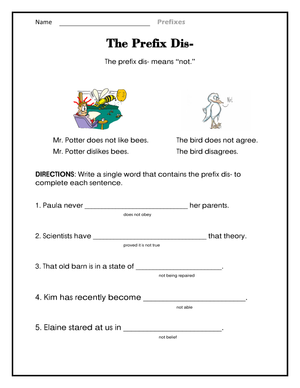
Grade 3 language standards give a clear map for worksheet selection. L.3.4 asks students to use context clues, and known prefixes and suffixes, to figure out unfamiliar words. L.3.5 focuses on word relationships such as synonyms, antonyms, and shades of meaning. L.3.6 pushes students to use general academic and content-specific words in their own speaking and writing. Rather than treating these as one blended skill, it helps to plan a rotation: a context-clue worksheet early in the week, a prefix or suffix worksheet mid-week, and a synonym or antonym task before a quiz or writing assignment. This rotation keeps each standard visible in student work samples, which is useful when a curriculum lead reviews evidence of standards coverage.
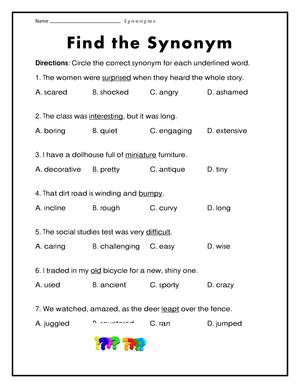
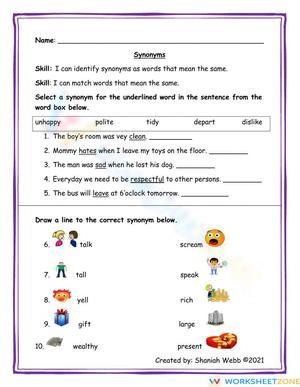
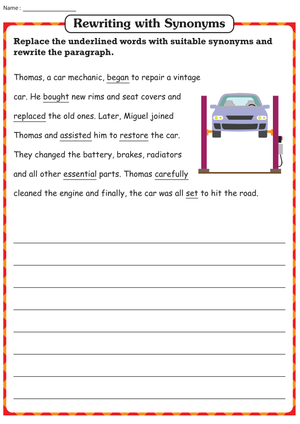
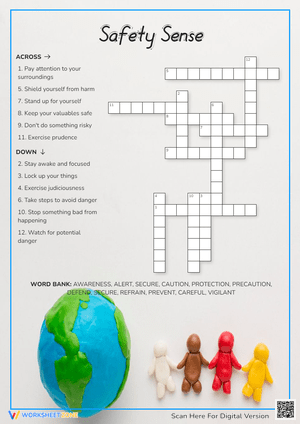
Worksheets built around word relationships also give students repeated chances to sort and categorize words, an active task that goes beyond matching a word to its dictionary definition. A synonym-antonym sort, for example, asks a student to apply meaning rather than recall it, which better reflects the intent behind L.3.5.
Pairing Worksheets With Read-Alouds and Content-Area Texts
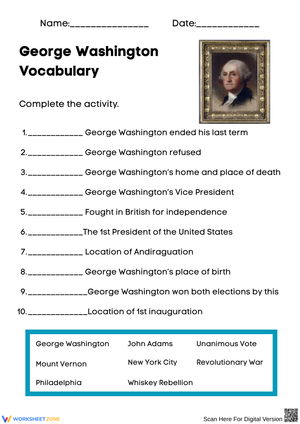
Vocabulary worksheets work best when they are not treated as a stand-alone subject but as an extension of what students are already reading. Tier 2 academic words that show up in a science unit on ecosystems, for example, can be pulled directly into a worksheet that asks students to use context clues from a science passage rather than a generic sentence. This keeps the practice connected to content students are already engaged with, and it reinforces the same words they will encounter again in a content-area quiz or writing task.
Teachers planning integrated units can build a short vocabulary worksheet directly from the read-aloud text for that week, pulling three to five target words rather than a long list. This keeps the worksheet tightly connected to classroom reading instead of functioning as an isolated activity disconnected from the rest of the week's lessons.
Teacher Tips for Building a Weekly Vocabulary Worksheet Sequence
Effective elementary vocabulary instruction combines rich exposure to words, explicit teaching of word-learning strategies, and repeated practice across several encounters with the same word, rather than a single definition-and-quiz cycle. A practical weekly sequence for a 3rd grade classroom might look like this:
- Monday: introduce five to six target words during a read-aloud or content lesson, with brief discussion of meaning
- Tuesday: assign a context-clue worksheet using the same words in new sentences
- Wednesday: use a prefix or suffix worksheet if any target words include common morphemes
- Thursday: assign a synonym, antonym, or word-relationship worksheet
- Friday: give a short independent worksheet or quiz that checks retention without reteaching
This structure spreads repeated exposure across the week instead of concentrating instruction into a single day, which better matches how students build lasting word knowledge. It also gives a teacher multiple, low-stakes data points before any formal vocabulary assessment.
Frequently Asked Questions
1. How many vocabulary words should a 3rd grade teacher target per week using worksheets?
Five to eight target words per week is a manageable range for most grade 3 classrooms, allowing time for context-clue practice, morphology work, and a retention check without overwhelming students with too many new words at once.
2. What is the difference between context-clue worksheets and morphology worksheets for grade 3?
Context-clue worksheets ask students to infer a word's meaning from surrounding sentence or paragraph information, directly supporting L.3.4. Morphology worksheets focus on prefixes, suffixes, and root words, asking students to break a word into parts to determine meaning, which also falls under L.3.4 but uses a different strategy.
3. How can vocabulary worksheets be used for small-group intervention versus whole-class instruction?
For intervention groups, choose worksheets with fewer words, added context support, and simpler sentence structures. For whole-class instruction, a shared worksheet on the same target words keeps the group aligned, while faster finishers can move to an enrichment worksheet with multiple-meaning word tasks or original sentence writing.
4. How do these worksheets align with grade 3 Common Core language standards?
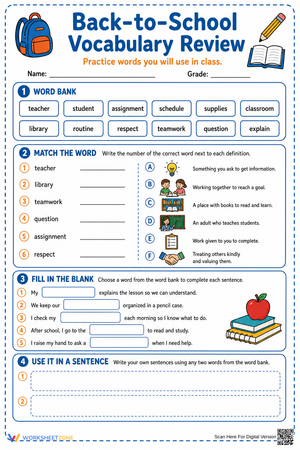
Worksheets built around context clues map to L.3.4, morphology and word-part worksheets also support L.3.4, and worksheets on synonyms, antonyms, and shades of meaning align with L.3.5. Worksheets that ask students to use target words in original writing support L.3.6.
5. How often should students revisit the same vocabulary words for retention?
Plan for at least three to four separate exposures to a target word across a week, spread across a read-aloud introduction, a guided worksheet, an independent worksheet, and a brief retention check, rather than a single introduction followed by one quiz.












 Interactive Worksheet Maker
 Quiz Maker
 Word Search Maker
 Crossword Puzzle Maker
 Word Scramble Generator
 Sentence Scramble Generator
 Handwriting Worksheet Generator
 Name Tracing Generator
 Fill In The Blank Generator