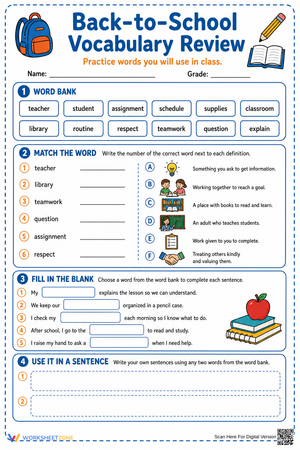
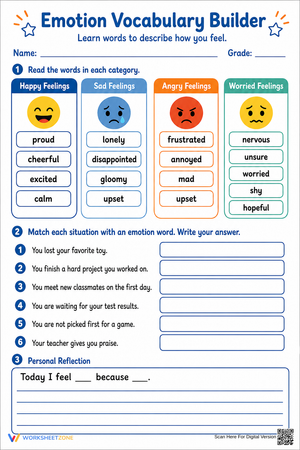
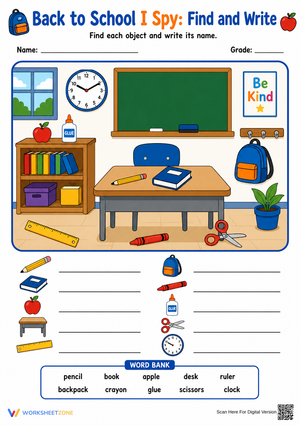
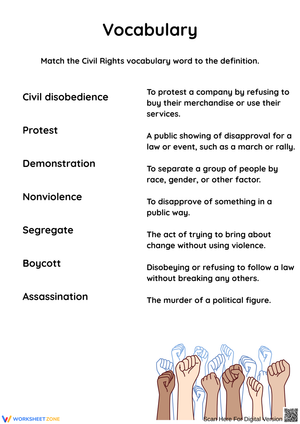
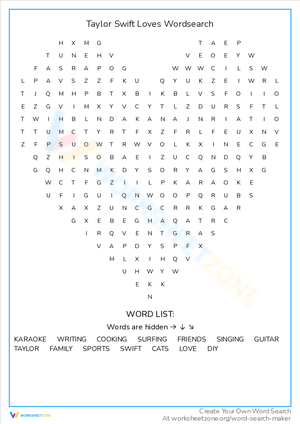
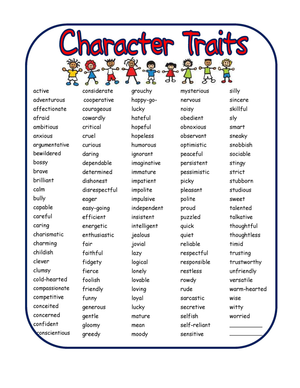
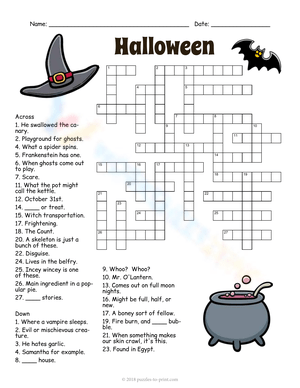
These language and vocabulary worksheets for 3rd grade target the four skill areas where 8- and 9-year-olds hit the most friction as texts start demanding real academic vocabulary: word-part analysis, context clue strategies, grammar conventions, and word relationships. Each worksheet addresses one of these areas through focused, repeatable practice — the kind that transfers into independent reading and writing, not just worksheet performance.
Skills These Worksheets Build
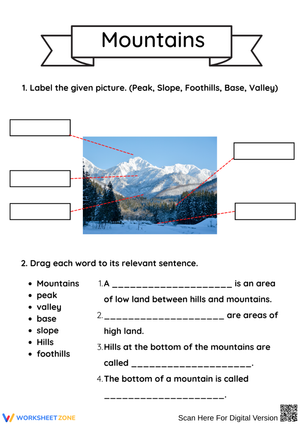
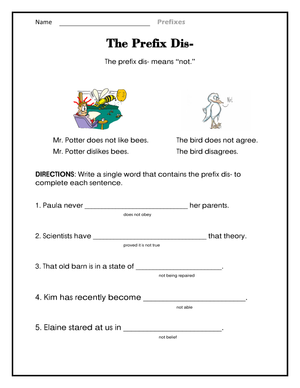
Word-part work forms the core of the set. Students identify common prefixes (un-, re-, pre-) and suffixes (-ful, -less, -ness), label each morpheme in a target word, and then write what the full word means based on its parts. The payoff shows up quickly in science and social studies: a student who knows pre- means "before" reasons through prehistoric without stopping the reading to ask. Context clue worksheets pair each vocabulary word with a short passage — typically three to five sentences — where students underline the evidence before writing their inferred definition. That anchoring step matters; without it, students guess from sound or visual familiarity rather than from the text itself.
Grammar worksheets hit the conventions that produce the most errors at this level:
- Irregular plural nouns (mouse/mice, leaf/leaves, child/children)
- Abstract nouns and their role in more complex sentences
- Comparative and superlative adjective and adverb forms
- Subject-verb agreement across varied sentence structures
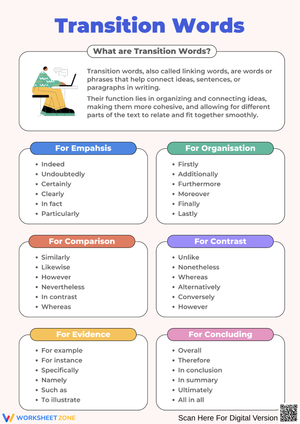
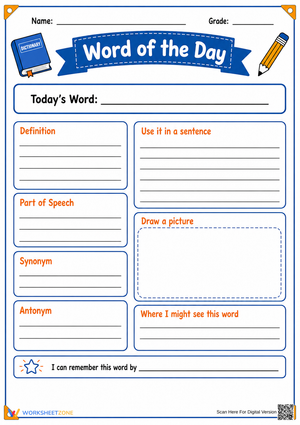
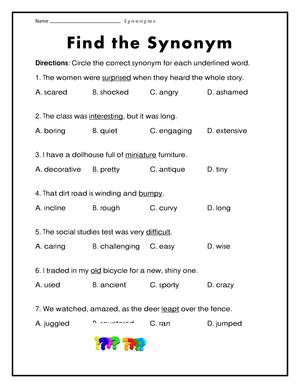
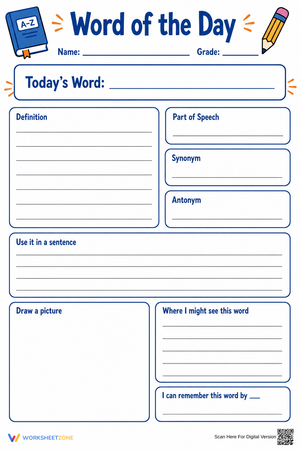
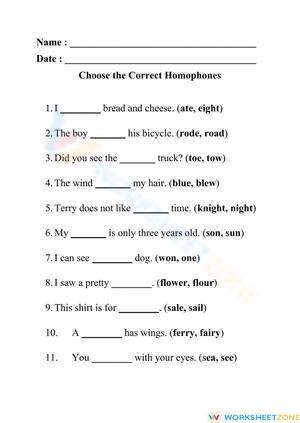
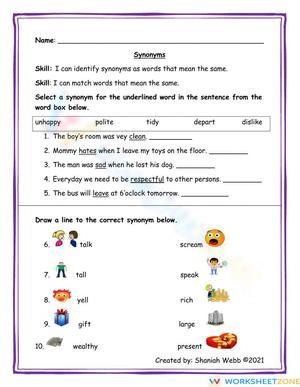
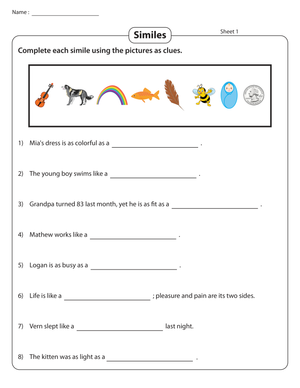
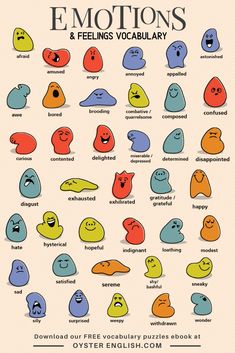
Word-relationship worksheets move from basic synonym and antonym matching into shade-of-meaning sorting — recognizing that angry, annoyed, and furious sit at different points on the same scale rather than functioning as interchangeable options. Homophone sets address the pairs that show up most stubbornly in student writing: there/their/they're, to/too/two, and its/it's.
How to Build These Worksheets Into Your Lesson Plans
The most reliable daily use for language and vocabulary worksheets for 3rd grade is a seven-minute warm-up at the start of your ELA block. A word-part worksheet on Monday primes the vocabulary instruction that follows; a grammar or context clue worksheet mid-week gives students retrieval practice without a full lesson pivot. That consistency matters more than any single worksheet — spaced, low-stakes repetition is what moves these skills from effortful to automatic.
Center rotations offer a second strong use pattern. During the 20-minute window when a small reading group is pulled, the rest of the class needs something that genuinely extends word knowledge rather than fills time. These worksheets fit that slot well. For exit ticket use, the grammar worksheets work especially cleanly: a quick subject-verb agreement check at the end of a writing lesson shows exactly who still needs re-teaching before the next draft. Cross-subject pairing also extends the value — if the science unit is running on plant biology, word-part practice featuring photo- and -synthesis makes the vocabulary feel purposeful rather than disconnected from content learning.
Student Errors Worth Watching For and Addressing
The prefix worksheets surface a consistent spelling error: students correctly break unhappy into base and prefix, but when they add -ness, they write unhappyness — attaching the suffix to the prefixed form rather than returning to the base. This happens because unhappy is more familiar in everyday speech than happiness, so students follow the auditory pattern. Worksheets that require students to label each morpheme separately interrupt that habit before it solidifies into a spelling default.
Homophone confusion follows a different arc. Students correctly fill in their versus there when the blank is surrounded by clear context. The breakdown comes in their own writing, where they produce "there dog ran across the yard" without flagging it as an error because the word sounds right. The homophone worksheets alone do not close this gap. The most effective sequence is to follow each worksheet with a brief writing prompt, then have students swap papers and circle every homophone — that transfer step is what the isolated drill skips entirely.
With irregular plurals, students overextend the pattern they have been using since first grade. They write mouses, leafs, and childs well into third grade, even after direct instruction on exceptions. The issue is not lack of exposure — the regular pattern is far more reliable and fires first. Repeated, distributed practice with irregular forms across different noun categories builds separate memory traces strong enough to compete with that default rule.
Standard Alignment
The grammar worksheets address CCSS ELA-Literacy L.3.1, covering irregular plural and abstract nouns, adjective and adverb comparison forms, and subject-verb agreement in complex sentences. Context clue practice falls under L.3.4.a, which asks students to use sentence-level information to determine word meaning. Word-part analysis covers L.3.4.b, the morphology standard that specifically targets prefixes, suffixes, and roots. Word-relationship work maps to L.3.5, including synonyms, antonyms, and shades of meaning. In classroom sequence, L.3.4 skills typically arrive mid-year once students have enough grade-level reading stamina to encounter genuinely unfamiliar words in context; the L.3.5 work integrates naturally into writer's workshop after students have a broader working vocabulary to draw from.
Differentiating the Set Across Learner Levels
Students already solid on basic affix identification move productively to worksheets that ask them to generate new words from a given root rather than decode existing ones — using morphology in its productive direction, not just the receptive one. For students still building foundational word-part knowledge, pairing each worksheet with a reference card listing the six to eight affixes in the current practice set reduces the recall load enough that they can focus on the reasoning rather than the retrieval.
For English Language Learners, word-relationship worksheets offer the strongest entry point because cognate knowledge transfers directly: furious/furioso, territory/territorio, president/presidente. The language and vocabulary worksheets for 3rd grade that target homophones require the most additional preparation for ELL students — the confusion being addressed (same pronunciation, different spelling and meaning) only makes sense after students have reliable oral command of both words. A brief partner discussion before the written work, where students say each word in a sentence aloud, closes most of that gap before the worksheet begins.
Frequently Asked Questions
Which Common Core Language standards do these worksheets cover?
The set spans L.3.1 through L.3.5. Grammar worksheets address L.3.1 — irregular plurals, abstract nouns, adjective forms, and verb tense. Context clue worksheets cover L.3.4.a; word-part worksheets cover L.3.4.b. Word-relationship worksheets map to L.3.5. Together, these language and vocabulary worksheets for 3rd grade address the full range of third-grade language conventions and vocabulary acquisition standards as defined in the CCSS ELA framework.
How long does each worksheet take in a typical third-grade class?
Word-part and grammar worksheets run six to ten minutes for most students working independently. Context clue worksheets with longer passages take closer to twelve to fifteen minutes, particularly early in the year when inference is still deliberate rather than automatic. If the full class works simultaneously, build in a two-minute buffer for students who write slowly — thinking quality drops when students feel pressured to finish rather than reason carefully through the task.
Can these worksheets work for both new instruction and review?
Yes, and the two uses call for slightly different positioning in the lesson. As an introduction, a word-part worksheet works best after brief direct instruction — students need the concept before the practice, not the other way around. As review, any worksheet in the set works as a warm-up or exit ticket without additional setup, because the task format is familiar enough that students move directly into the skill rather than managing new directions.












 Interactive Worksheet Maker
 Quiz Maker
 Word Search Maker
 Crossword Puzzle Maker
 Word Scramble Generator
 Sentence Scramble Generator
 Handwriting Worksheet Generator
 Name Tracing Generator
 Fill In The Blank Generator