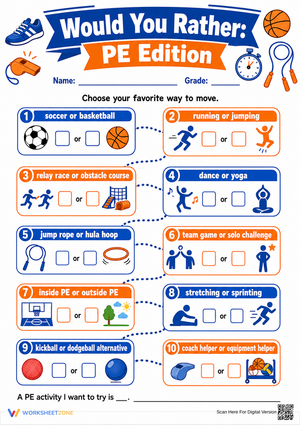
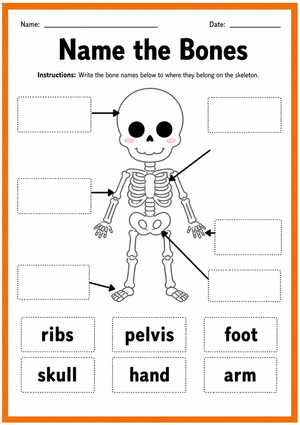
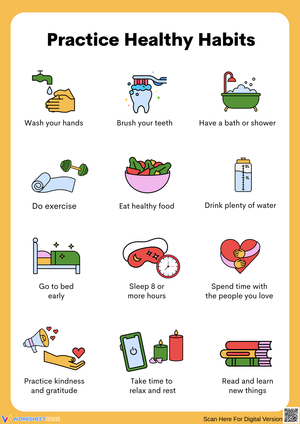
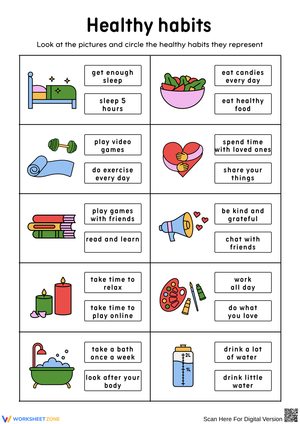
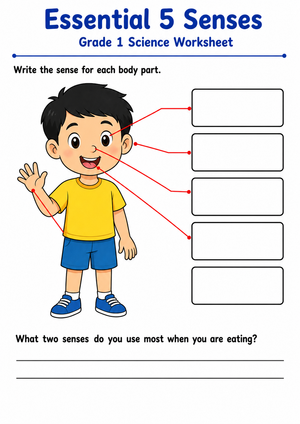
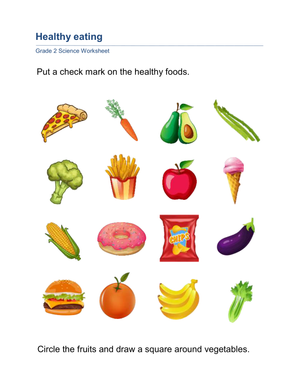
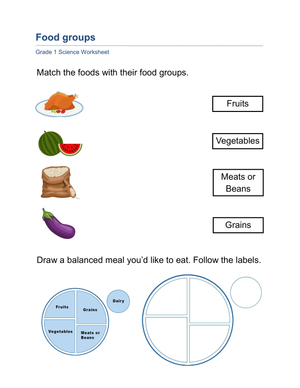
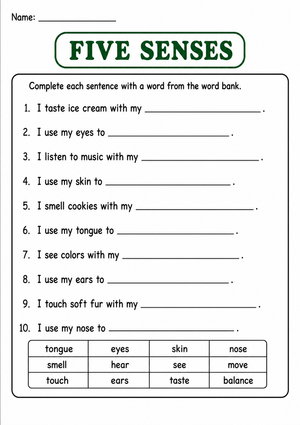
These 2nd grade body and health printable worksheets cover the four topic clusters that anchor most second-grade life science and health units: internal organs and their functions, the five senses, nutrition and food groups, and personal hygiene. Each worksheet stands alone, so teachers can pull individual resources to match what their class is currently studying rather than committing to a fixed sequence.
The Skills Each Worksheet Targets
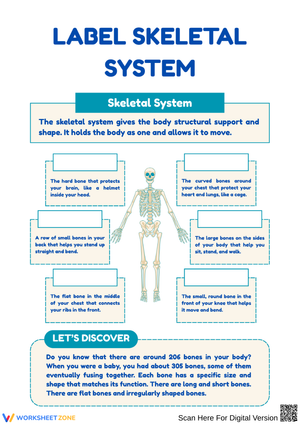
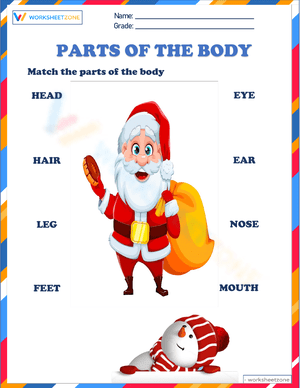
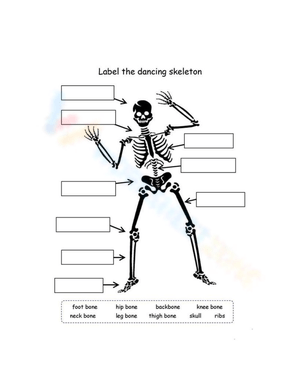
The organ-labeling worksheets ask students to identify the brain, heart, lungs, and stomach on a simple body diagram, then match each organ to its primary function — either with a written phrase or a drawn response. At this grade level, the instructional goal is the one-sentence job description: the heart pumps blood to your whole body, the stomach breaks food apart. Students who have heard about the heart before but never connected it to circulation often show genuine surprise when that link becomes explicit, which tells you the concept is landing for the first time.
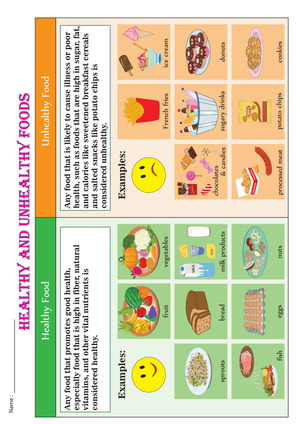
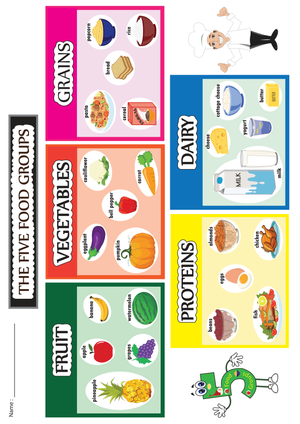
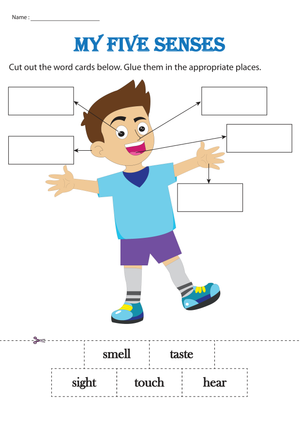
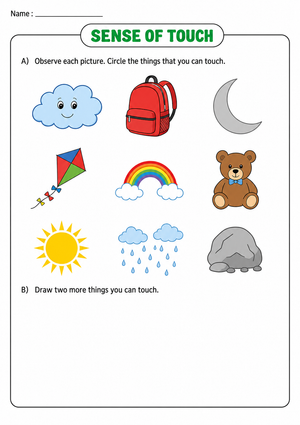
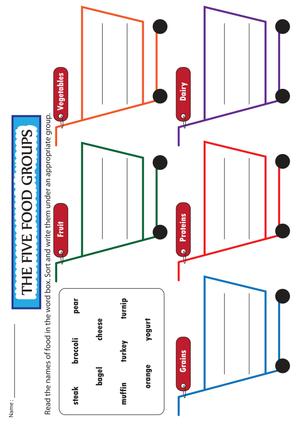
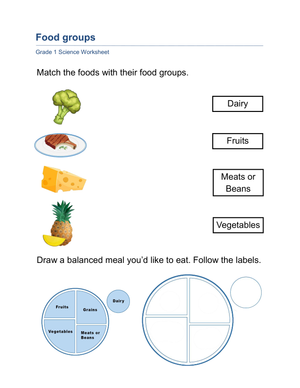
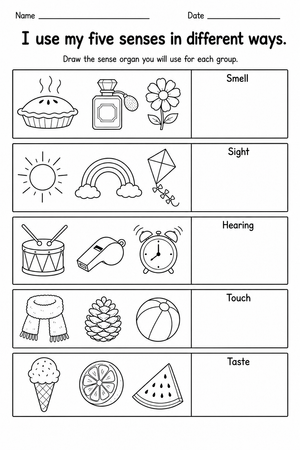
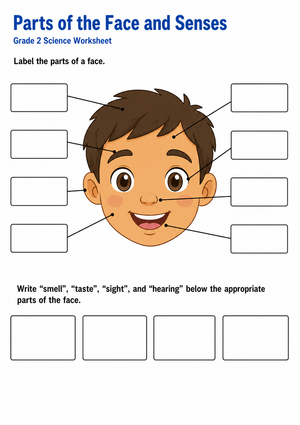
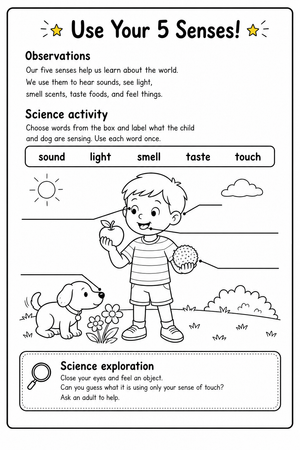
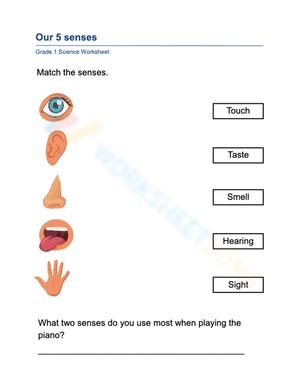
The five-senses worksheets function as science recording sheets. Students observe objects or images and mark which sense they would use to gather information, then write a descriptive word — not just "rough," but "rough like bark." The nutrition worksheets center on the USDA MyPlate model: students sort food images into the five food groups, plan a sample lunch, and identify which foods provide long-lasting energy. The hygiene resources include handwashing sequencing strips and dental health activities where students sort foods as tooth-friendly or cavity-causing.
Where Student Thinking Tends to Break Down
Organ placement is the most predictable trouble spot. On labeling diagrams, children routinely draw the stomach in the chest cavity rather than the abdomen — in second-grade logic, both the heart and the stomach are places where you "feel things," so they belong together in the same region. A quick pre-activity exercise where students point to where they feel hunger versus where they feel a racing heartbeat corrects this before it becomes a written mistake on the worksheet.
On the nutrition sorting worksheets, students who correctly place whole apples in the fruit category will still sort apple juice under dairy, apparently following container-color cues from the cafeteria milk line. The same students often debate whether a cheese pizza belongs under grains or dairy — which is actually a productive argument rather than a pure error, and worth a brief class discussion. The handwashing sequencing strips produce a near-universal ordering mistake: students place "turn off the faucet" before "dry your hands" because the faucet action feels like the natural conclusion to the process. Naming that tendency explicitly before students sort the strips saves a lot of reordering.
Putting These Worksheets to Work in Your Daily Schedule
The organ-labeling and five-senses worksheets fit naturally as opening activities before a science read-aloud or as a quick exit check at the end of a lesson. The nutrition sorting worksheets have an obvious timing window: the ten minutes immediately before or after lunch, when students are already thinking about what they just ate or are about to eat. In that window, even reluctant writers participate in the food-group conversation because the content is right in front of them.
The 2nd grade body and health printable worksheets also work well in a weekly rotation. Laminating the food-sorting and organ-labeling versions turns each worksheet into a reusable center activity — students mark answers with dry-erase markers, and the materials hold up for the full school year without reprinting. The hygiene sequencing strips are especially effective near a classroom sink: students complete the strip, then immediately practice the steps at the sink, making the connection between the written task and the physical routine concrete rather than abstract.
How to Adjust the Set for Mixed-Ability Second Graders
For students who are still building reading fluency, the visual-matching format on the organ worksheets removes the reading barrier from the science content itself. A labeled word bank keeps the cognitive focus on body-system understanding rather than spelling recall. Those students complete the same core task as everyone else without getting stuck at the vocabulary level.
Students who move through the basic labeling tasks quickly respond well to a single written extension: ask them to explain what would happen to the body if that organ stopped working. It deepens the same standard without requiring an entirely different worksheet. On the nutrition activities, advanced students can plan a full day of meals that includes every food group at least once — a task that requires tracking across multiple choices and self-correcting for gaps. The 2nd grade body and health printable worksheets lend themselves to this kind of layering because the core tasks are visual and structured enough that verbal or written extensions can be added without redesigning the worksheet itself.
Standard Alignment
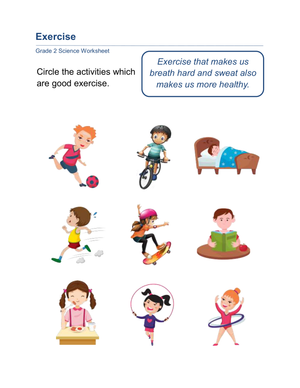
The organ-labeling and five-senses worksheets connect to NGSS disciplinary core idea LS1.A (Structure and Function), which addresses how organisms' internal and external parts support survival — a core idea that runs through the K-2 life science band in most state frameworks. Nutrition, hygiene, and physical activity content aligns with the National Health Education Standards (NHES), specifically Standard 1 (understanding health concepts that promote healthy development) and Standard 7 (demonstrating health-enhancing behaviors). The K-2 performance indicators for Standard 7 explicitly name handwashing, dental hygiene, and regular physical activity as required student behaviors, which maps directly to the hygiene and physical activity resources in this set.
Frequently Asked Questions
Which organs should second graders be able to identify and describe?
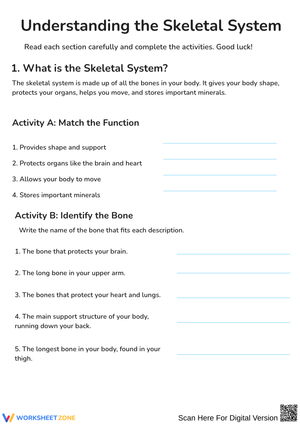
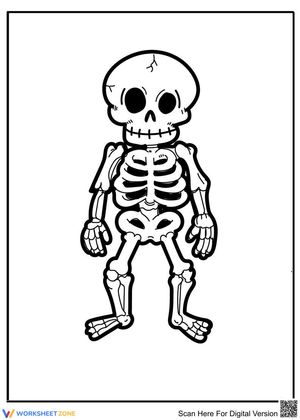
At this level, instruction focuses on four: brain, heart, lungs, and stomach. Students learn the single primary function of each — the brain directs thought and movement, the heart circulates blood, the lungs bring in oxygen, the stomach begins digestion. The skeleton comes up in physical activity discussions but is typically addressed as a separate strand. More detailed anatomy — cardiac chambers, lung lobes, digestive stages — belongs in later grades, when students can handle increased complexity without losing the functional understanding that second-grade standards require.
How do I explain germs to seven-year-olds without making them anxious?
The most effective framing describes germs as very small living things that spread through contact — not as invisible threats that are everywhere and unavoidable. The glitter demonstration (rub glitter on one student's hands, then watch it transfer to every surface and person they touch) makes transmission visible without making it alarming. Pair that demonstration immediately with the handwashing activity so students leave the lesson with a clear, doable response to what they just saw. The 2nd grade body and health printable worksheets in the hygiene cluster reinforce this pairing by presenting handwashing as an ordinary routine rather than a reaction to emergency.
Are these worksheets meant to replace a full health curriculum?
No — and they should not be used that way. These resources support instruction by giving students structured practice with specific skills and giving teachers a quick formative window into what students understand. A full health curriculum includes discussion, movement, community-building around health norms, and sustained reinforcement over time. Use these worksheets as a tool inside a larger instructional plan, not as the plan itself.












 Interactive Worksheet Maker
 Quiz Maker
 Word Search Maker
 Crossword Puzzle Maker
 Word Scramble Generator
 Sentence Scramble Generator
 Handwriting Worksheet Generator
 Name Tracing Generator
 Fill In The Blank Generator