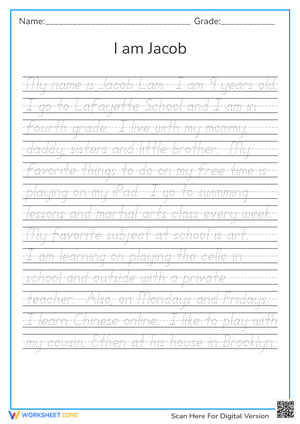
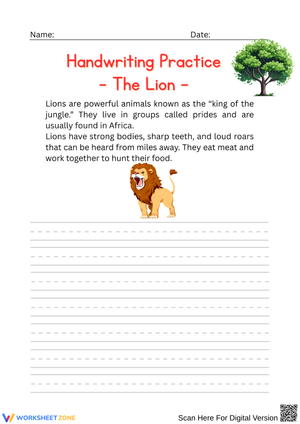
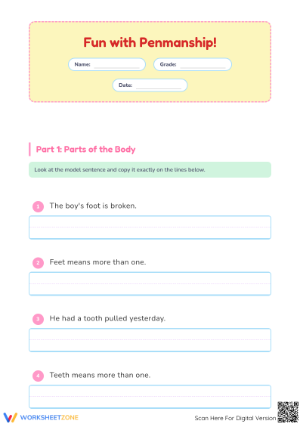
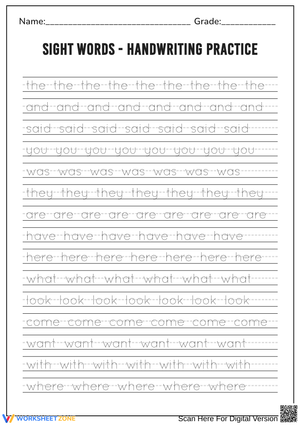
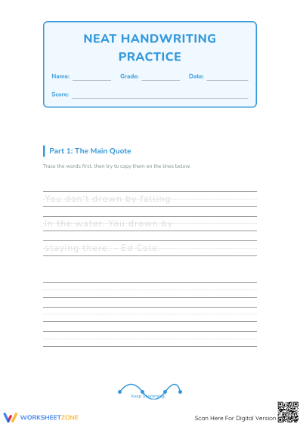
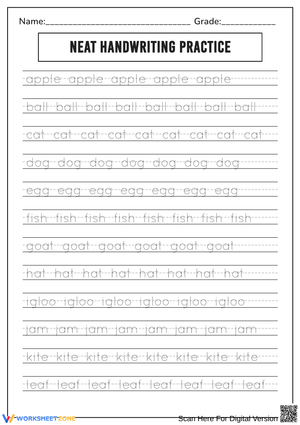
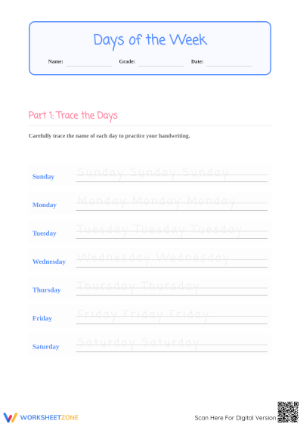
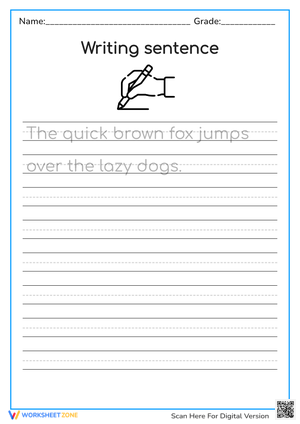
Second graders are expected to write legibly and use appropriate spacing and margins, but many state and district frameworks leave the specific legibility benchmarks to local decision-making. That gap means classroom teachers often have to define what good enough looks like for their own students, then build the practice routines to get there. Worksheets that isolate letter formation, sizing, and spacing give you a consistent, repeatable way to set that bar and track progress against it.
How Much Practice Second Graders Need
Handwriting researcher Steve Graham has recommended 50 to 100 minutes per week of direct handwriting instruction for students in grades K-3, delivered in short, frequent sessions rather than a single long block. For a typical five-day school week, that translates to roughly 10 to 20 minutes a day, which fits naturally into morning work, a literacy center rotation, or a warm-up before independent writing time.
This is a useful planning anchor because it reframes handwriting worksheets as daily maintenance rather than an occasional review activity. A single 10-minute worksheet focused on one letter family or one spacing skill, repeated most days of the week, lines up with the recommended dosage far better than a 45-minute handwriting unit once a month.
The Three Skills Worth Targeting
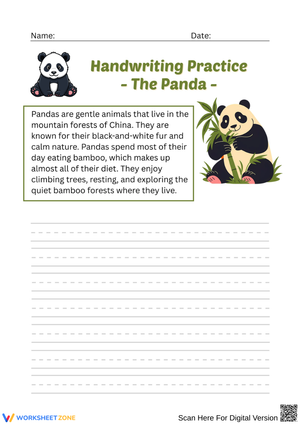
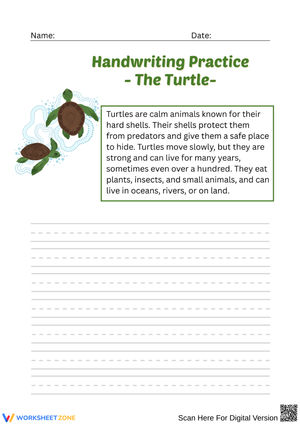
Handwriting instruction generally breaks down into three core components: pencil grasp, letter formation using consistent strokes, and legibility. Worksheets can support all three, but they work best when you are explicit about which one a given practice sheet is targeting.
- Pencil grasp: worksheets with grip reminders or shorter writing bursts reduce fatigue-driven grip breakdown during longer tasks
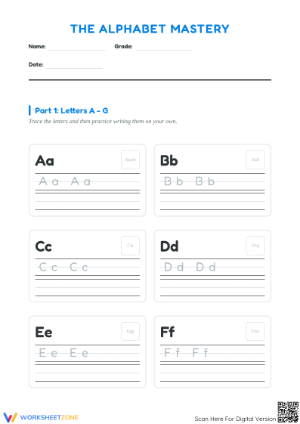
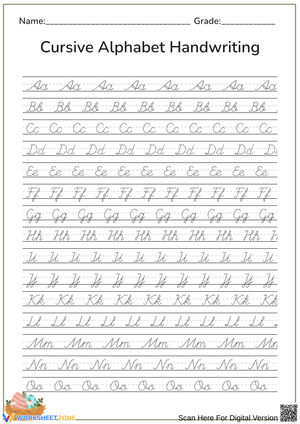
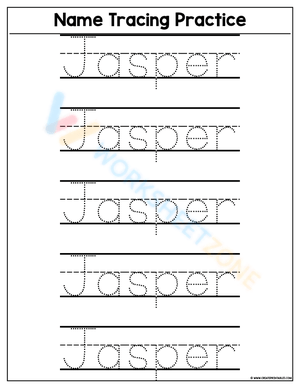
- Letter formation: tracing and copying practice that isolates stroke order for commonly reversed letters like b, d, p, and q
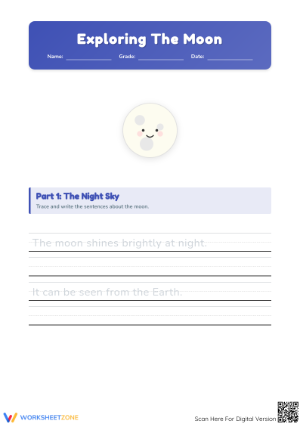
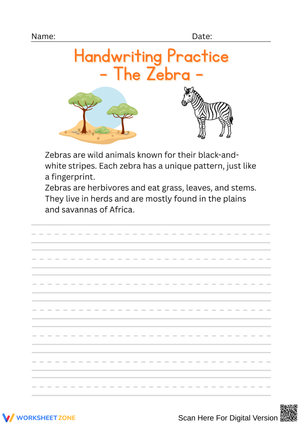
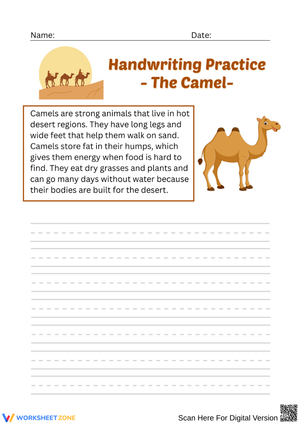
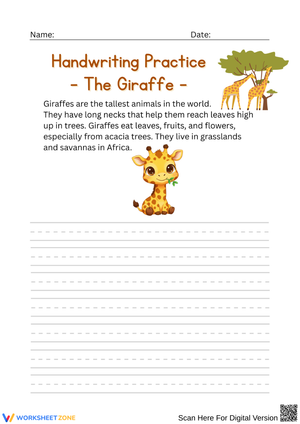
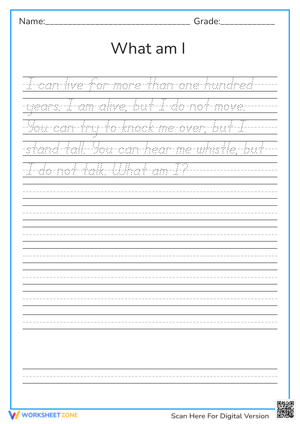
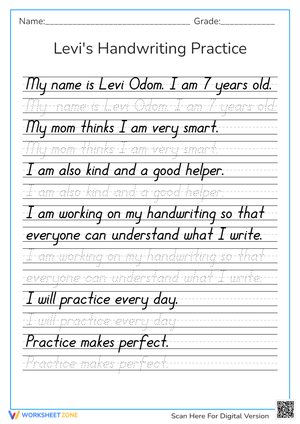
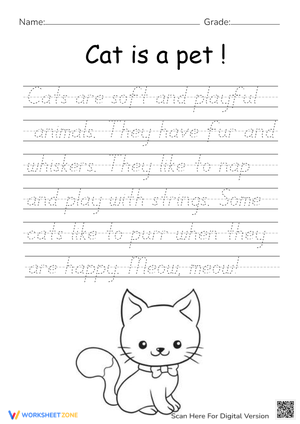
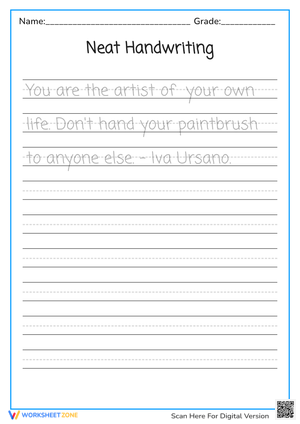
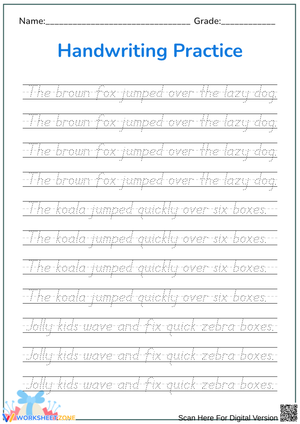
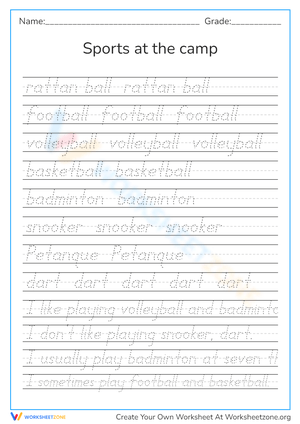
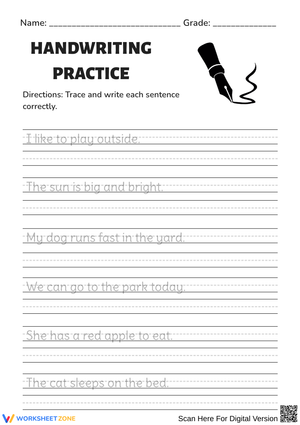
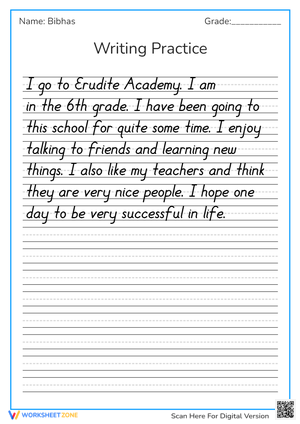
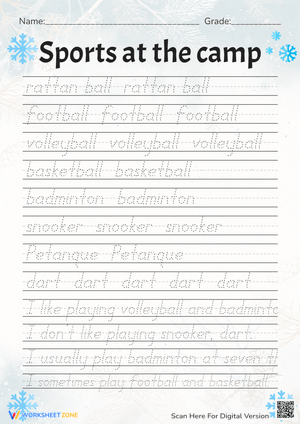
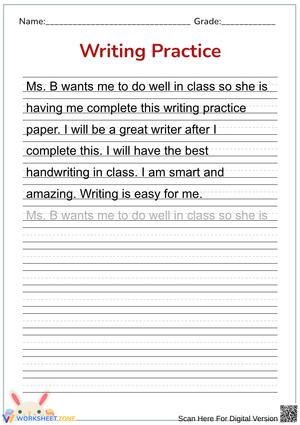
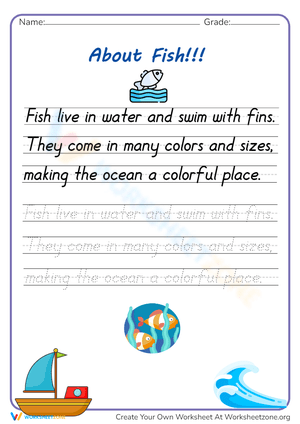
- Legibility: sentence-level practice where students self-check spacing, sizing, and baseline alignment rather than isolated letters
Rotating worksheets across these three categories across the week keeps practice from becoming repetitive while still hitting the full range of skills second graders need.
Matching Worksheets to Common Second Grade Trouble Spots
Not every student in your class needs the same handwriting support. Some common patterns worth watching for:
- Letter reversals that persist past first grade, especially b/d and p/q confusion
- Inconsistent letter sizing, where uppercase and lowercase letters vary widely within the same word
- Uneven or missing spacing between words, which makes writing hard to read even when individual letters are formed correctly
- Handwriting that starts legible and deteriorates by the end of a page, often tied to grip fatigue or rushed pacing
Worksheets built around a specific trouble spot, rather than generic alphabet practice, give you a faster path to visible improvement and make it easier to show growth during conferences or intervention check-ins.
Teacher Tips
- Pair every new worksheet with a 30-second modeling demonstration on the board before students begin independently
- Use a consistent verbal cue for stroke direction, such as top-to-bottom or left-to-right, so students internalize the same language across worksheets
- Save two or three completed worksheets per student across the term as simple, low-effort progress evidence
- Rotate worksheet focus weekly rather than daily so students get enough repetition to notice improvement
Frequently Asked Questions
1. How much time should 2nd grade teachers spend on handwriting instruction each week
Research recommends 50 to 100 minutes per week of direct handwriting instruction for grades K-3, delivered in short, frequent sessions of roughly 10 to 20 minutes rather than one long block.
2. What are common handwriting problems in 2nd graders and how do worksheets help address them
Common issues include letter reversals, inconsistent sizing, uneven spacing, and legibility that declines over longer writing tasks. Worksheets targeted at each specific issue give students focused, repeated practice instead of generic review.
3. How can teachers tell if a student's handwriting needs targeted intervention
A quick check of pencil grasp, letter formation consistency, and overall legibility on a completed worksheet can flag students who need small-group or one-on-one support beyond whole-class instruction.
4. Are lined or specialized paper formats important for 2nd grade handwriting practice
Yes. Paper with a midline guide supports consistent sizing between tall letters, short letters, and descenders, which directly addresses one of the most common legibility issues at this grade level.
5. How does handwriting practice support reading and writing skills more broadly
Handwriting quality is linked to academic performance across reading, writing, and math, since illegible or dysfluent handwriting increases cognitive load during composition and takes attention away from content and ideas.












 Interactive Worksheet Maker
 Quiz Maker
 Word Search Maker
 Crossword Puzzle Maker
 Word Scramble Generator
 Sentence Scramble Generator
 Handwriting Worksheet Generator
 Name Tracing Generator
 Fill In The Blank Generator