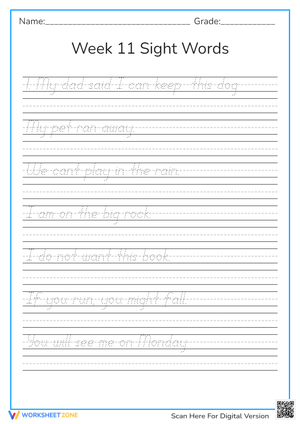
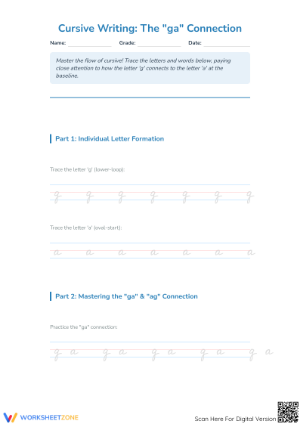
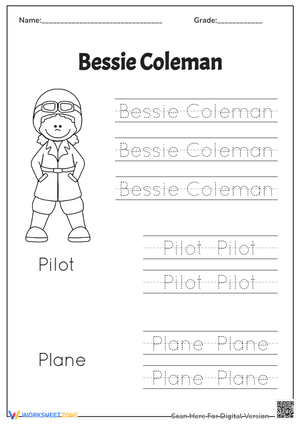
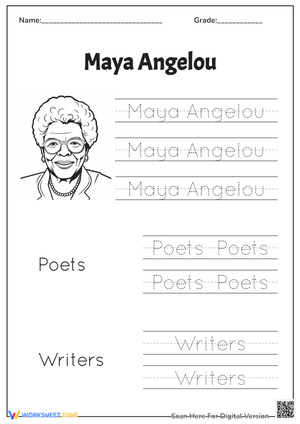
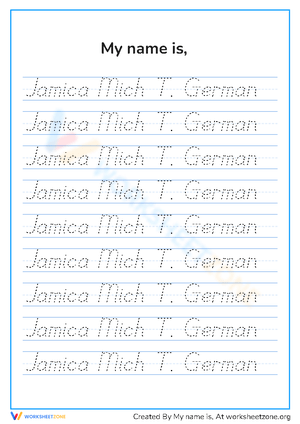
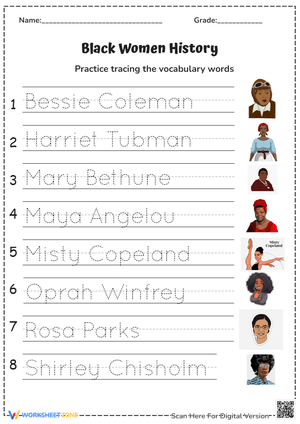
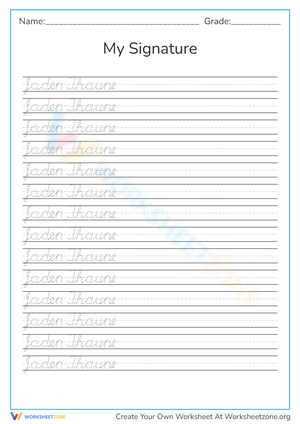
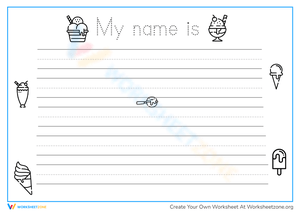
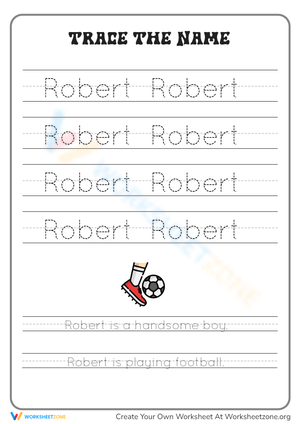
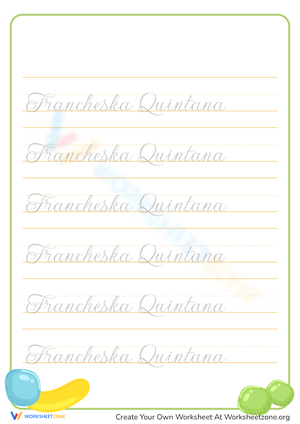
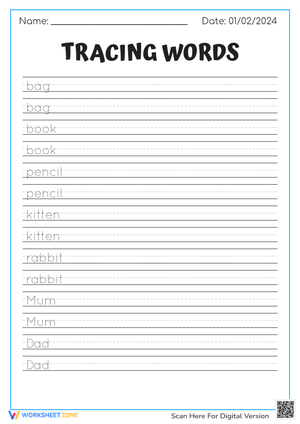
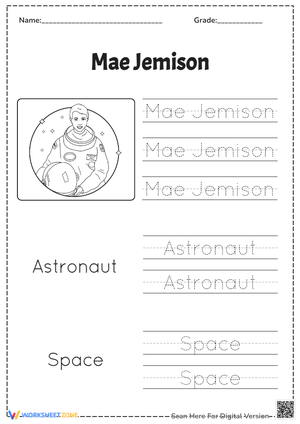
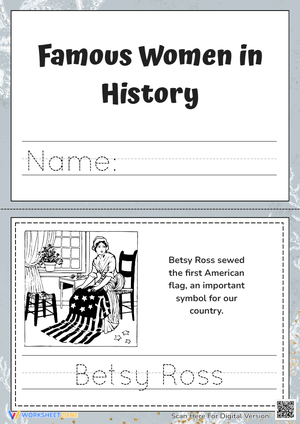
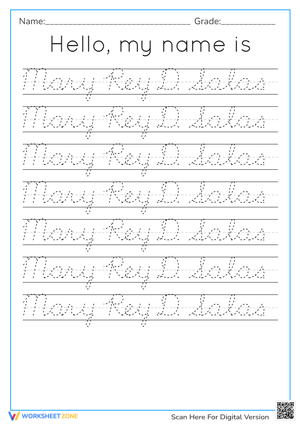
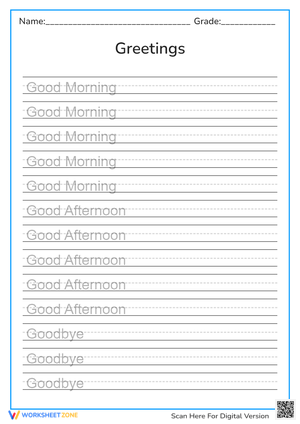
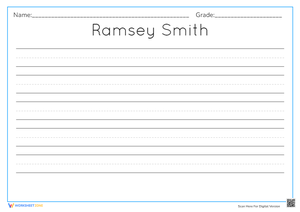
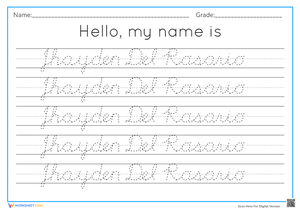
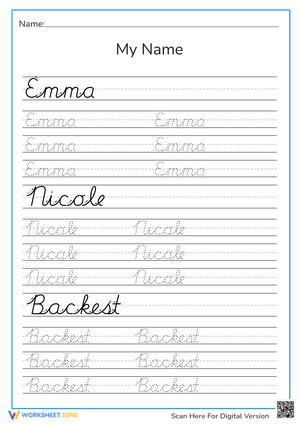
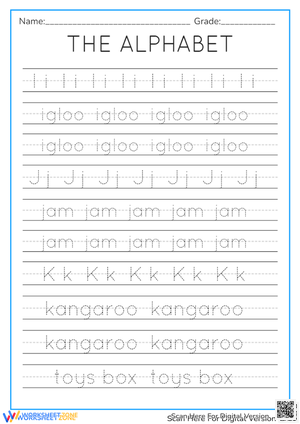
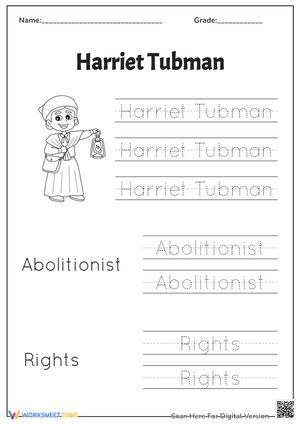
In a Grade 2 classroom, name tracing shifts from teaching basic strokes to reinforcing consistency, spacing, and speed, three skills that separate legible handwriting from handwriting that is technically correct but still hard to read quickly. Students who can form letters in isolation often struggle to keep that same shape and size steady when writing their own name at a normal pace.
Because a students own name is the most personally meaningful word they write, repeated tracing builds a stronger visual memory of stroke order and letter shape than watching a teacher demonstrate letters on the board. That personal connection is exactly why name tracing worksheets remain a practical, low-prep tool for Grade 2 teachers even after initial letter instruction is complete.
Using Name Tracing as a Quick Formative Check
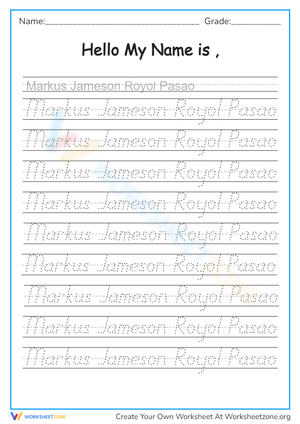
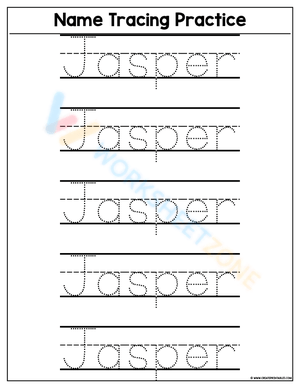
Name tracing worksheets double as an efficient formative assessment tool. Within a few minutes, a teacher can glance at completed sheets and note which students are struggling with consistent letter sizing, uneven spacing between letters, or pencil grip and pressure control. Because the content of the worksheet, the students own name, stays the same across the year, teachers can compare samples over time and see genuine growth rather than differences caused by unfamiliar vocabulary.
Classroom Implementation
Name tracing worksheets fit naturally into several routines that Grade 2 teachers already run. As morning work, they give students an immediate, low-stakes task while attendance and other start-of-day tasks are handled. As an early finisher station, they offer a meaningful option for students who complete assignments ahead of peers without requiring new instructions each time. During small-group intervention, personalized name tracing sheets let a teacher target specific handwriting goals, such as spacing between letters, with individual students while the rest of the class works independently.
- Use leveled guide intensity within the same worksheet format for mixed-ability groups
- Rotate name tracing into early finisher bins so it never feels like busywork
- Pair name tracing with a quick spacing or sizing check during small-group time
- Keep dated samples in a folder to track handwriting growth across the year
Setting aside just five to seven minutes, two or three times a week, is usually enough to keep handwriting fluency moving forward without cutting into core instruction time.
Connecting Name Tracing to Sentence-Level Writing
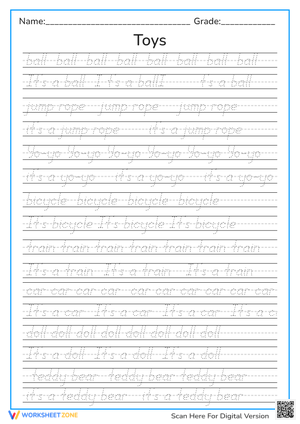
Grade 2 writing goals extend beyond single words to legible spacing within full sentences. Practicing consistent letter formation and spacing on a name tracing sheet gives students a smaller, more manageable target before they apply the same habits to longer writing tasks. A student who can keep letters evenly sized and spaced while tracing their own name is more likely to carry that same control into a short sentence or journal entry, since the underlying hand control being practiced is the same.
Teachers can reinforce this connection by pointing out the link directly, reminding students that the spacing habits they build during name tracing are the same habits expected when they write complete sentences during independent writing time.
Frequently Asked Questions
1. Is name tracing still appropriate for Grade 2, or is it only a kindergarten activity?
Name tracing remains appropriate in Grade 2 because its purpose changes. Instead of teaching basic stroke formation, it reinforces consistency, spacing, and writing speed, skills that Grade 2 students are actively developing.
2. How can teachers differentiate name tracing worksheets for a mixed-ability Grade 2 classroom?
Teachers can keep the same worksheet format for the whole class while adjusting guide intensity, using bold dotted lines with arrows for students who need more support and lighter guides for students who have internalized stroke patterns.
3. How often should Grade 2 students practice name tracing for handwriting improvement?
Two to three short sessions a week, around five to seven minutes each, are typically enough to build noticeable consistency in letter size and spacing over the course of a semester.
4. What classroom routines work best for name tracing worksheets in Grade 2?
Morning work, early finisher stations, and small-group intervention are the most common routines, since each allows students to practice independently while giving teachers a quick way to observe handwriting progress.












 Interactive Worksheet Maker
 Quiz Maker
 Word Search Maker
 Crossword Puzzle Maker
 Word Scramble Generator
 Sentence Scramble Generator
 Handwriting Worksheet Generator
 Name Tracing Generator
 Fill In The Blank Generator