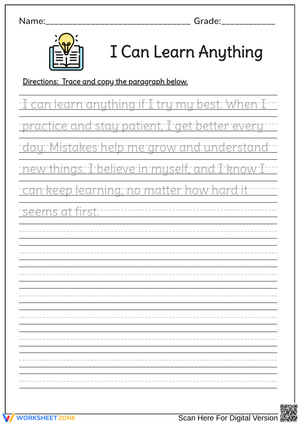
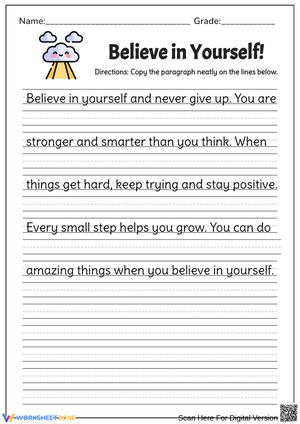
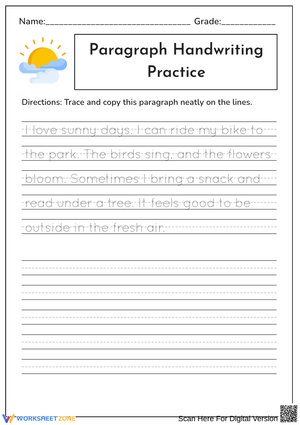
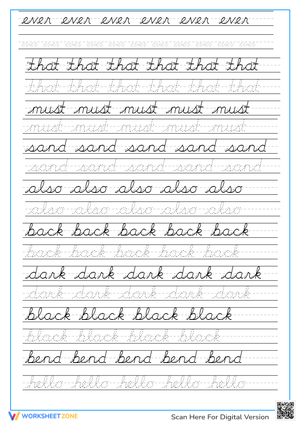
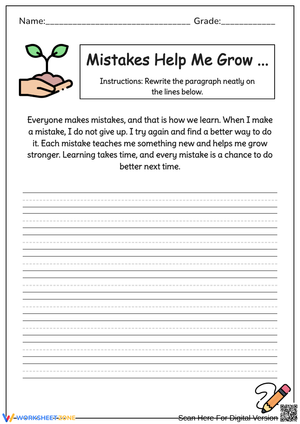
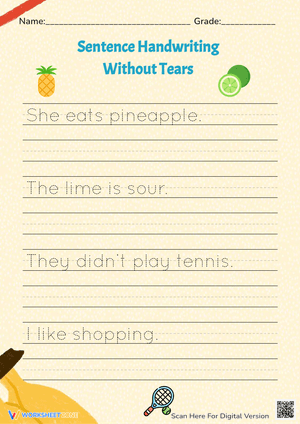
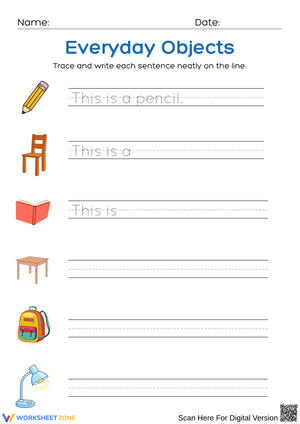
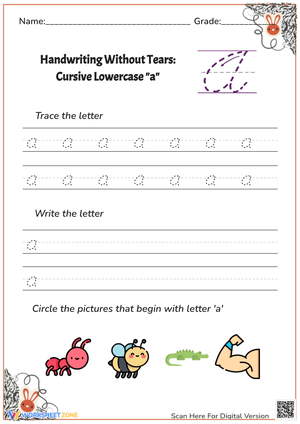
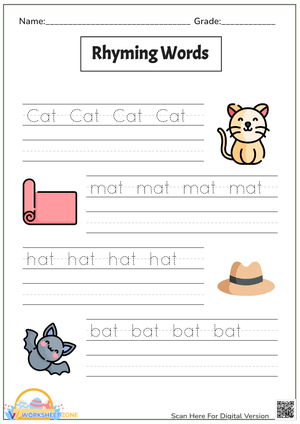
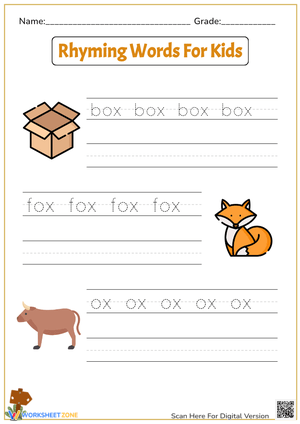
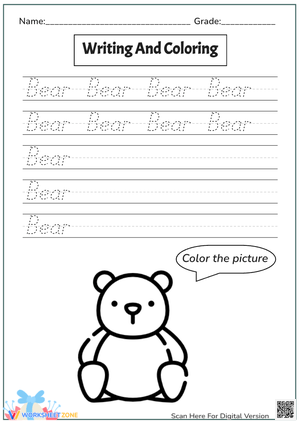
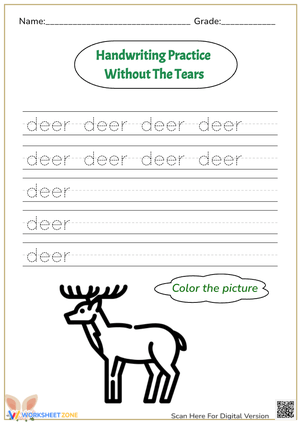
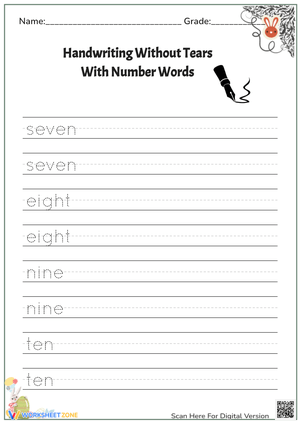
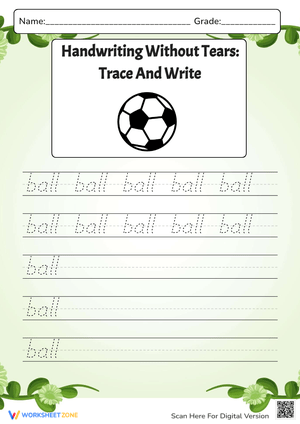
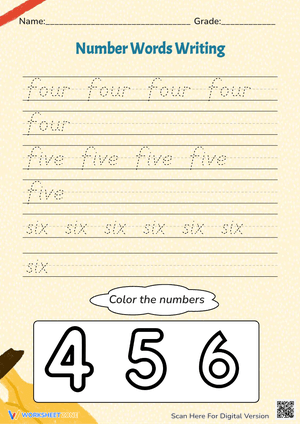
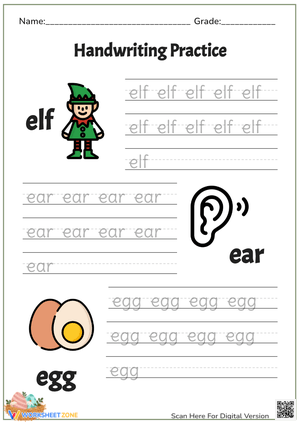
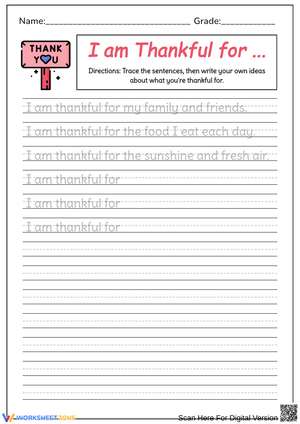
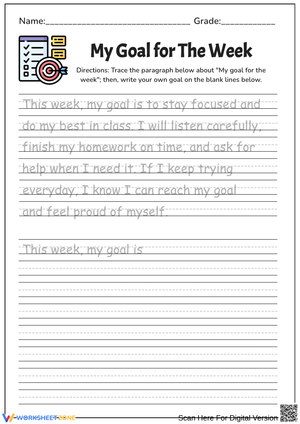
By second grade, most students have moved past drawing single letters and are writing full sentences, spelling words under a time limit, and copying from the board. Handwriting Without Tears, now published as Learning Without Tears, meets these 7- and 8-year-olds at that stage. The 2nd grade level is still print-focused, but it deliberately tightens letter formation, word spacing, and line placement so that writing becomes automatic enough for kids to think about ideas instead of mechanics.
How the 2nd Grade Worksheets Are Structured
The 2nd grade materials build in a predictable order, which is what makes them easy to slot into a routine. A typical progression moves through review of lowercase and capital letters, then into word and sentence writing with attention to spacing, and finally into the groundwork that prepares students for a later cursive transition.
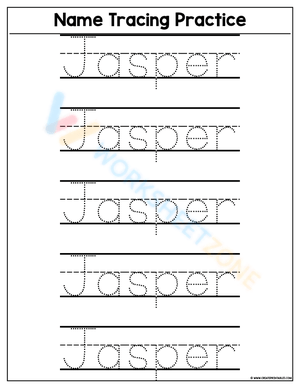
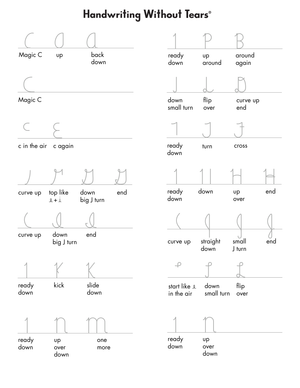
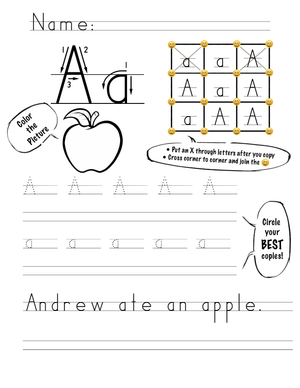
- Letter formation review using consistent starting-point language so every adult in the room cues the same way.
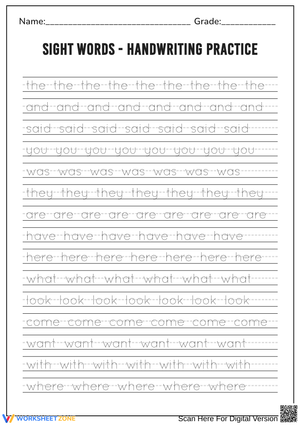
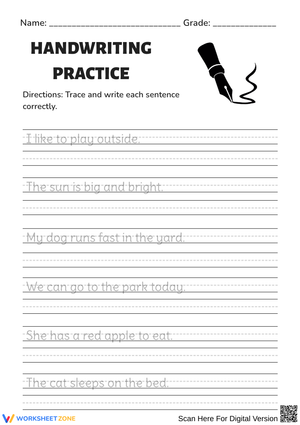
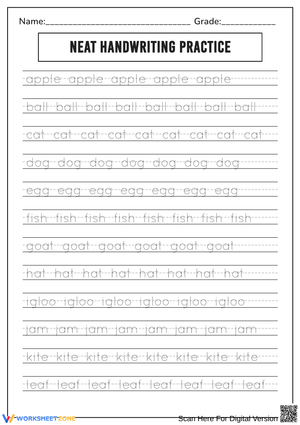
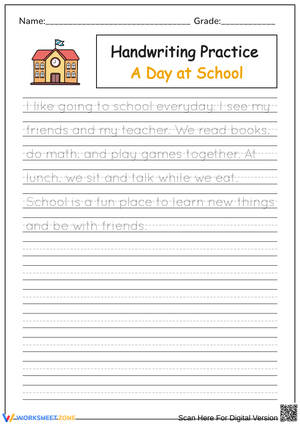
- Spacing and sizing practice on double lines, where the extra guide line helps kids place tall, small, and descending letters.
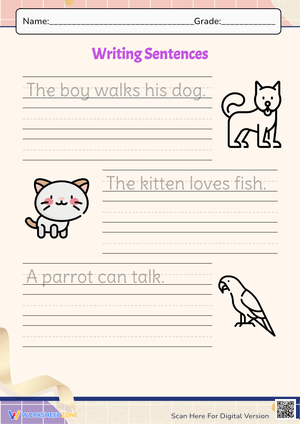
- Sentence and spelling work that connects handwriting to the words students are already learning in phonics.
- Cursive readiness activities that warm up the motor patterns without formally teaching cursive yet.
Because each worksheet targets one skill, you can pull a single page for a warm-up, a center, or a quick reteach without redesigning your week.
Classroom Implementation
The most sustainable approach is short and daily. A Grade 2 action research project involving four teachers followed a structured printing and spelling curriculum across a full school year and tracked both the quality and quantity of student writing. The teachers reported the curriculum was easy to implement, engaging, and effective, and notably that it worked without curriculum adaptations. That last point is worth underlining for anyone worried about prep load.
A practical weekly rhythm that fits most second grade schedules looks like this:
- Run 10 to 15 minutes of handwriting four days a week rather than one long block.
- Open with a 60-second multisensory warm-up, such as air-writing a target letter or tracing before students pick up a pencil.
- Use the worksheet as guided practice, then have students self-check one line against the model.
- Reserve one short session for a small-group reteach with the students whose samples show the same error.
Multisensory tools that many teachers know from the primary grades, like modeling letters and using tactile surfaces, still work in a whole-class second grade setting when you keep them brief and tied to the day's target letter or word.
Frequently Asked Questions
1. What makes Handwriting Without Tears different from traditional handwriting programs for 2nd grade?
It emphasizes short, multisensory practice and consistent formation language over long copying drills, and it uses double-line paper to make spacing and letter size concrete for 7- and 8-year-olds.
2. Is Handwriting Without Tears evidence-based or research-backed?
Yes. It earned an ESSA Tier 2 evidence rating in June 2022 based on an evaluation by the Johns Hopkins University School of Education's Center for Research & Reform in Education.
3. How much classroom time should 2nd grade teachers dedicate to handwriting each week?
Short and frequent beats long and rare. Aim for roughly 10 to 15 minutes on four days, which is enough to build automaticity without crowding out reading and writing instruction.
4. Can the worksheets be used for students with fine motor or IEP needs?
Yes. The program's occupational therapy roots make it easy to reduce the amount of writing, add textured surfaces, and support formation verbally while keeping students on the same grade-level task.
5. Does the 2nd grade level introduce cursive, or is it still print-focused?
Second grade remains print-focused. The materials sharpen print legibility and spacing while building the motor patterns that prepare students for a later cursive transition.












 Interactive Worksheet Maker
 Quiz Maker
 Word Search Maker
 Crossword Puzzle Maker
 Word Scramble Generator
 Sentence Scramble Generator
 Handwriting Worksheet Generator
 Name Tracing Generator
 Fill In The Blank Generator