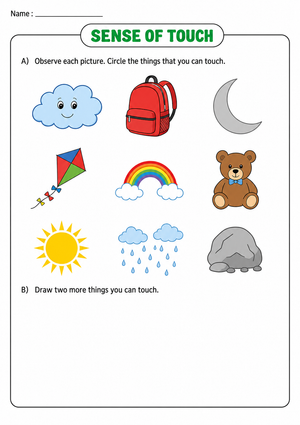
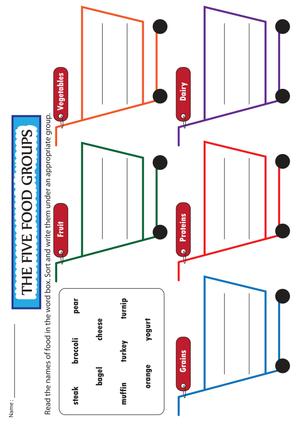
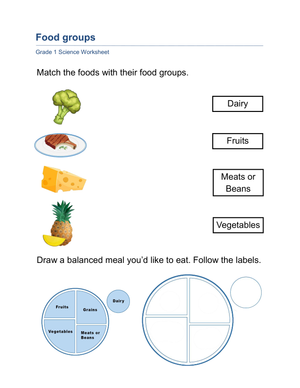
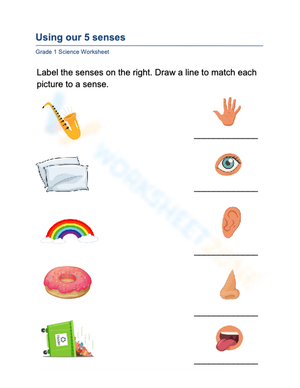
These 1st grade body and health worksheets give teachers print-ready materials that address human anatomy, the five senses, hygiene sequencing, and basic nutrition — all framed at the right level of complexity for six-year-olds who are just beginning to connect bodily experience to science vocabulary. The set follows a concrete-to-abstract arc: students first observe and name, then sort and sequence, then draw simple conclusions from their own findings.
The Specific Skills These Worksheets Build
Each worksheet targets a distinct component of body and health literacy. Together the set covers:
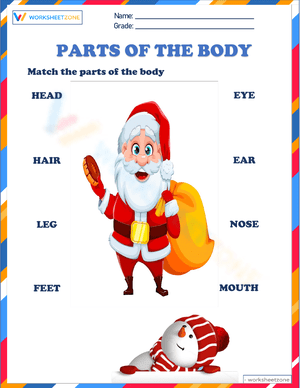
- Labeling external body parts on outline diagrams — head, neck, shoulders, arms, hands, legs, and feet — using a word bank or cut-and-paste format
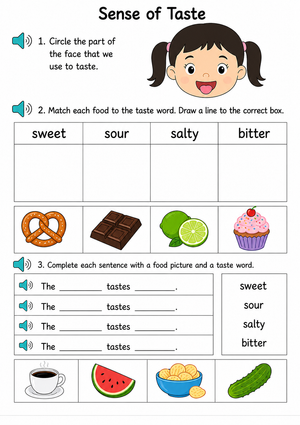
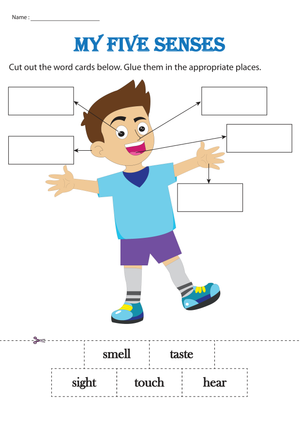
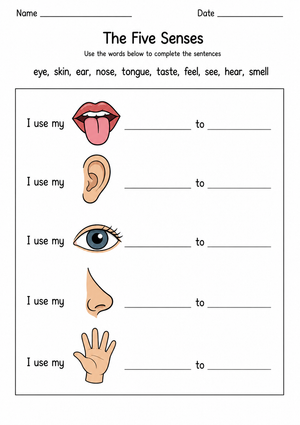
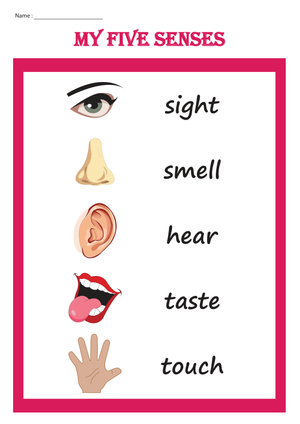
- Matching each of the five senses to its corresponding organ and recording sensory observations in structured logs
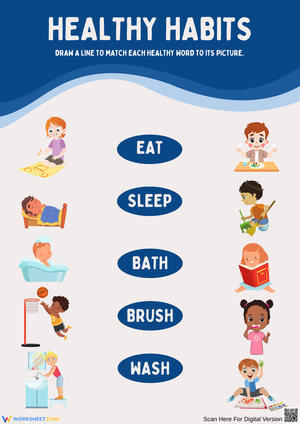
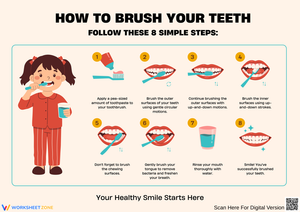
- Sequencing hygiene routines, particularly handwashing and tooth-brushing, by arranging illustrated steps in the correct procedural order
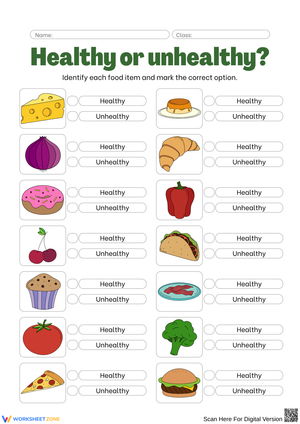
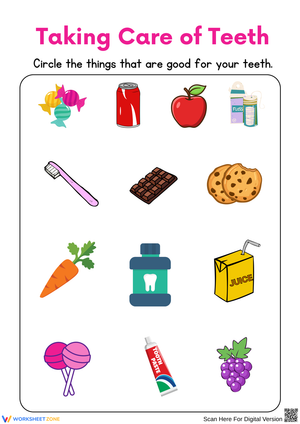
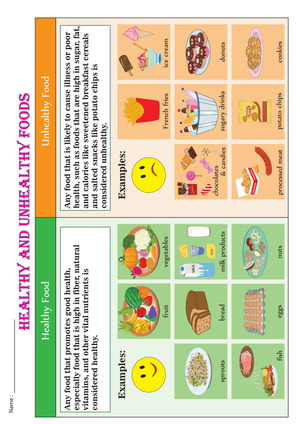
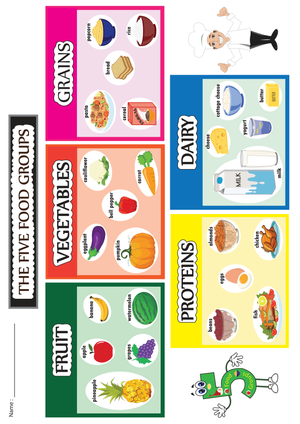
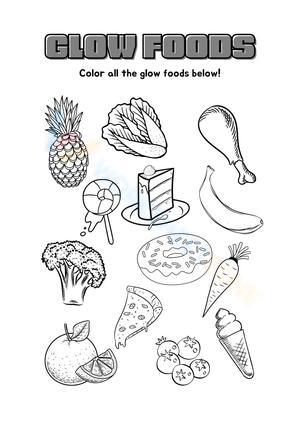
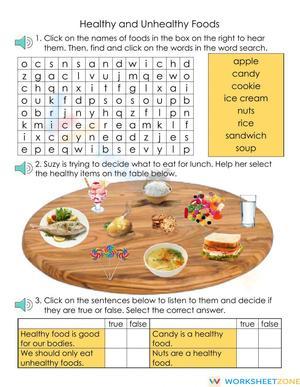
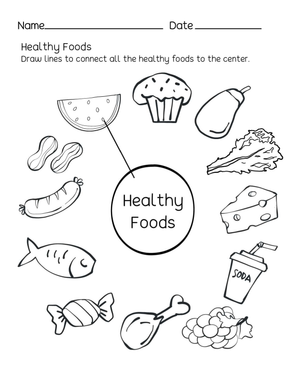
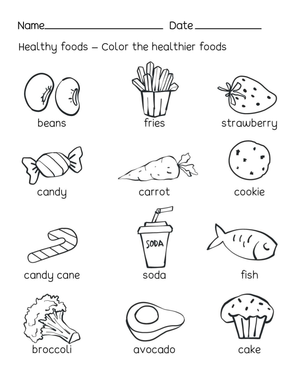
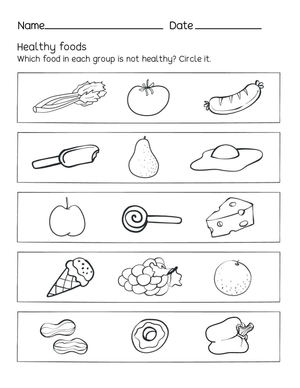
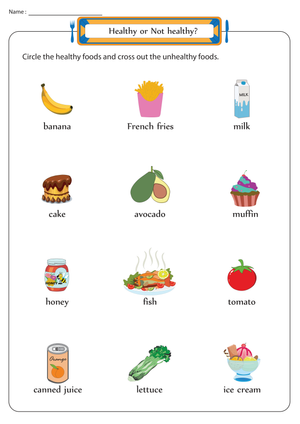
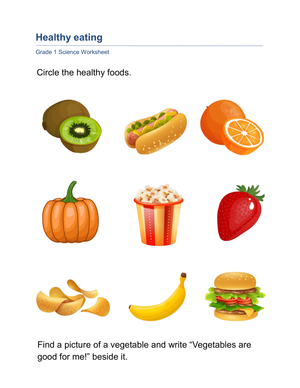
- Sorting foods into nutritious and less-nutritious categories using a plate-model template
- Connecting the heart and brain to their simplified functions: the heart moves blood, the brain directs thought and movement
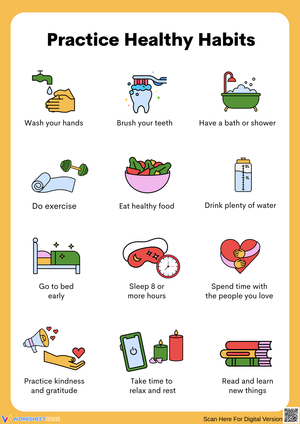
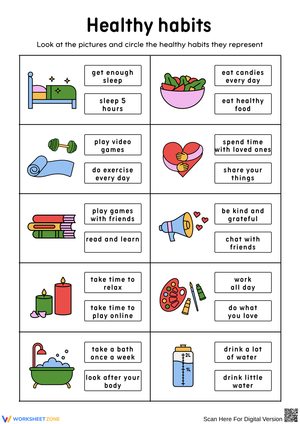
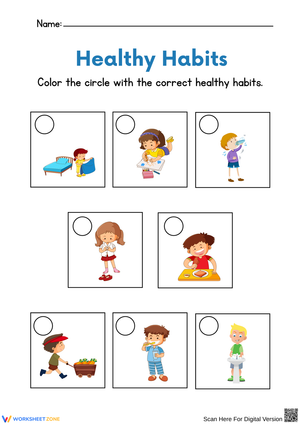
- Tracking personal health habits — water intake, sleep, and active-play time — on simple recording charts designed to travel home
Student Slip-Ups That Are Worth Watching For
The most persistent confusion in this unit is not with vocabulary but with mental models. When first graders label brain on an unlabeled body diagram, a noticeable share place it behind the face rather than inside the top of the skull — picture books that depict thinking as a floating thought bubble in front of the eyes seem to drive this. On sense-organ matching tasks, students who have correctly memorized "hearing equals ears" will still select the nose as a hearing organ if the distractor image shows a nose positioned close to a loud-sound illustration; they respond to picture proximity rather than reading the prompt. Sequencing worksheets reveal a third pattern: a large number of students place "dry hands" before "rinse" in the handwashing order, likely because drying is the step adults verbally remind them of most often at dismissal. Knowing these three errors in advance lets teachers address them directly before worksheets go out rather than correcting the same mistake at seventeen desks in a row.
Fitting These Worksheets Into Your Science Week
The smoothest entry point is the five-minute window directly after a body-themed read-aloud. That discussion primes vocabulary and reduces the blank-stare paralysis that slows first graders on cold-start tasks. For sensory observation work, clipping the worksheet to a clipboard and walking students through the hallway before they sit down consistently produces richer responses — children who did a brief sensory walk fill in two or three examples per category rather than one. The 1st grade body and health worksheets designed for hygiene sequencing work best as a mid-week warm-up — Wednesday, when the initial lesson ran Monday — because a night of rest gives procedural memory time to consolidate before students reproduce the order independently. Nutrition sorting activities make strong candidates for a small classroom display; students consistently reference the completed food-sort chart at snack time without any prompting, which is its own form of retention evidence.
Standard Alignment
NGSS does not carry a standalone body-and-health strand at grade 1, but the anatomy and senses worksheets connect directly to NGSS 1-LS1-1, which asks students to gather information about how animals use their external parts to survive, grow, and meet their needs. Mapping sensory organs to their functions gives students the foundational knowledge that standard requires. Hygiene and nutrition content aligns with NHES Standard 7, which targets health-promoting behaviors including personal hygiene practices and dietary choices. Most state science frameworks modeled on NGSS explicitly locate body awareness and basic hygiene instruction within the K–2 band, placing this set precisely in the instructional window where the content belongs.
Adjusting the Set for a Range of Learners
For students who are still building reading fluency, the labeling worksheets work better when the word bank sits directly beneath the diagram rather than at the top of the page — minimizing visual search keeps attention on the anatomy task rather than on locating reference text. Students who finish early and need an extension can write one sentence explaining why each sense matters for staying safe, which shifts the demand from identification to application without requiring a different worksheet entirely. For students who struggle with fine motor control, the cut-and-paste sequencing format can create real bottlenecks — scissors trouble consumes the whole work period for some first graders. Offering a version where students number pre-printed images rather than cut and paste removes that barrier without softening the sequencing demand. The 1st grade body and health worksheets in this collection include enough format variety that two students sitting side by side can work on different tasks within the same lesson block without the distinction being obvious — which matters for classroom culture.
Frequently Asked Questions
Are these worksheets strictly for first grade, or do they work across neighboring grades?
The reading level and diagram complexity are calibrated for first grade, but kindergarten teachers regularly pull the cut-and-paste sequencing and picture-based sense-matching worksheets, both of which require minimal independent reading. Second grade teachers use the nutrition and organ-function worksheets as a review anchor before moving into deeper body-systems content. The 1st grade body and health worksheets in this set occupy a productive middle zone — accessible enough to revisit with younger students, substantive enough to preview with older ones.
How long does a typical worksheet take during independent work time?
Most labeling and matching worksheets take eight to twelve minutes for students working independently after direct instruction. Sequencing worksheets with a cut-and-paste component run longer — fifteen to twenty minutes — because the physical cutting step consumes time for many first graders. Pre-cutting the images the evening before and storing them in small envelopes keeps those activities on schedule when the lesson period is short.
Which worksheets are designed to go home, and which are better kept in the classroom?
The tracking charts — daily water intake, sleep log, active-play minutes — are built with home use in mind and give families a specific, low-stakes way to continue health conversations outside school. The anatomy labeling and hygiene sequencing worksheets are better suited for classroom use, where teachers can address the misconceptions described above in real time. Sending anatomy work home before instruction produces completed-but-incorrect responses that are harder to address in a later lesson.