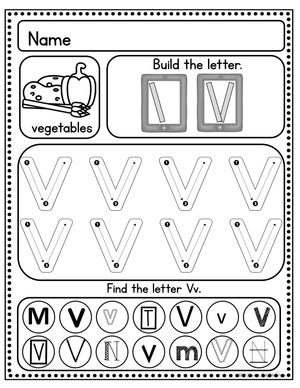
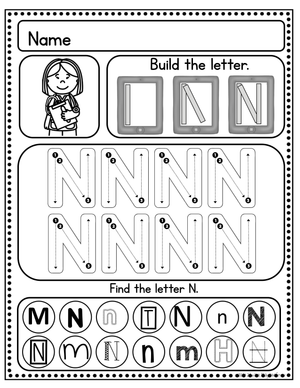
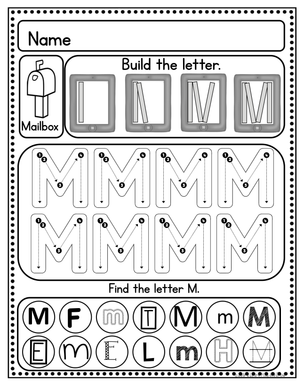
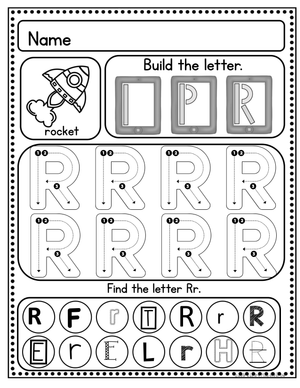
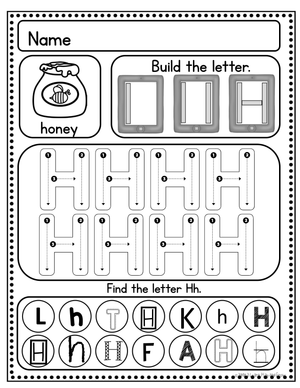
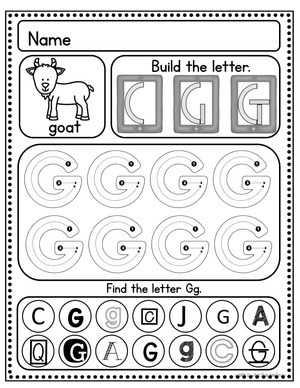
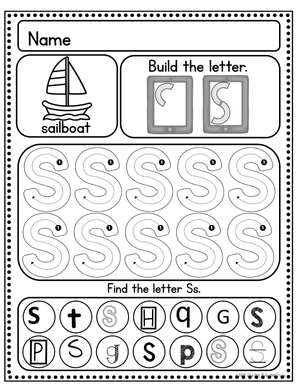
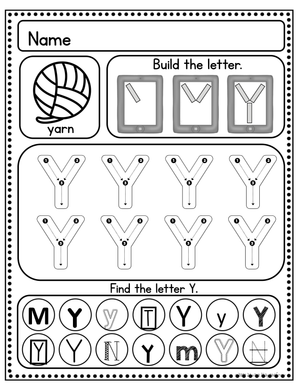
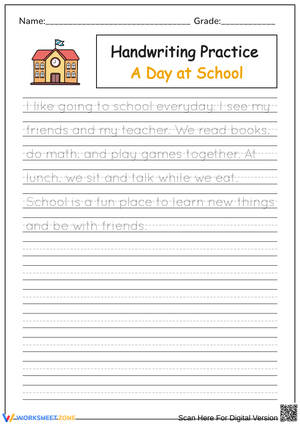
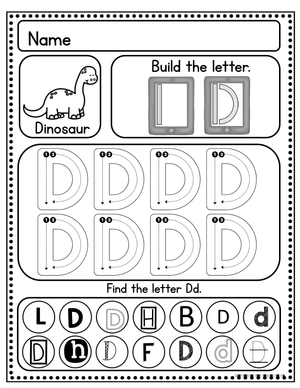
If you teach first grade, you already know handwriting is more than a warm-up activity. Clear letter formation frees up working memory for spelling, sentence building, and everything students write across the day. Handwriting Without Tears, now published under the Learning Without Tears name, is a structured manuscript method that many first grade teachers, special education teachers, and occupational therapists reach for because it breaks letter formation into a predictable, teachable sequence.
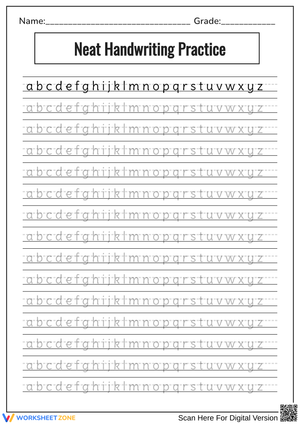
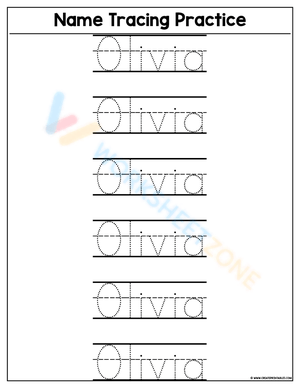
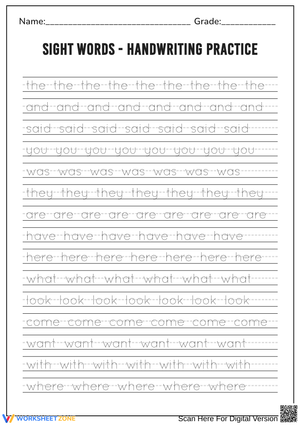
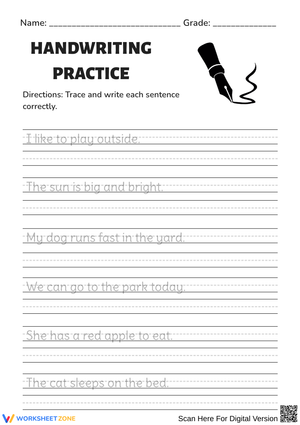
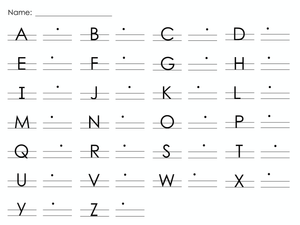
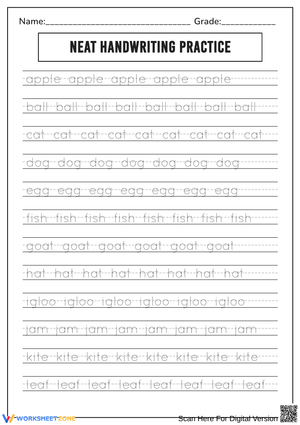
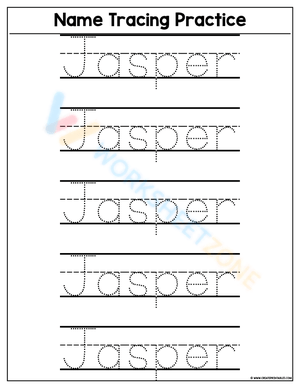
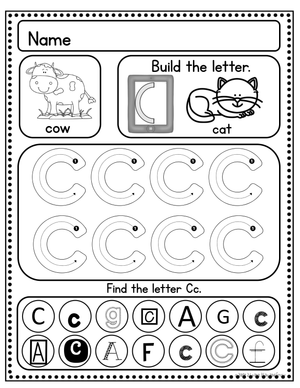
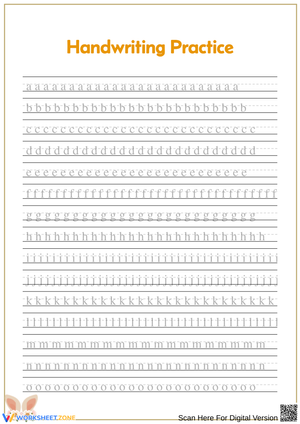
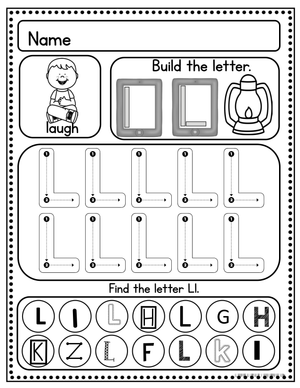
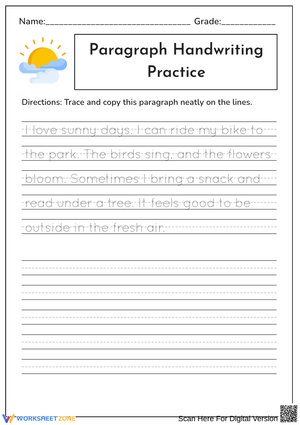
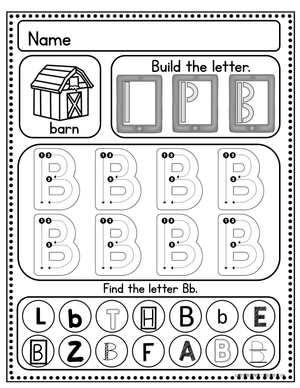
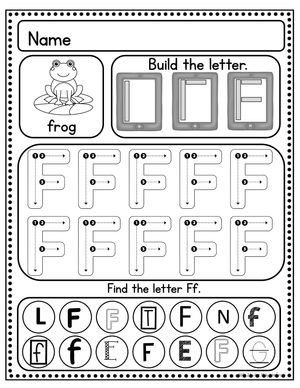
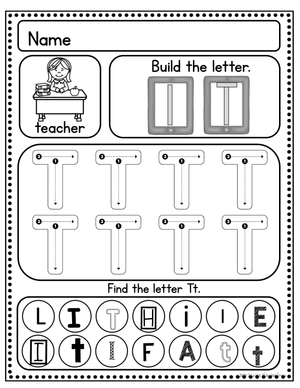
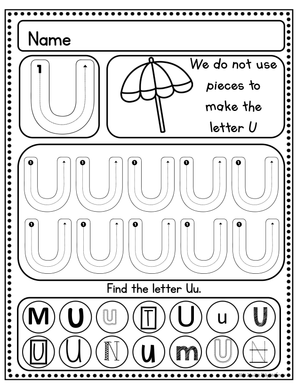
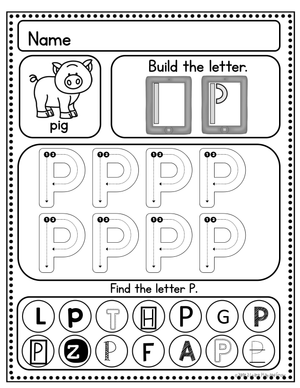
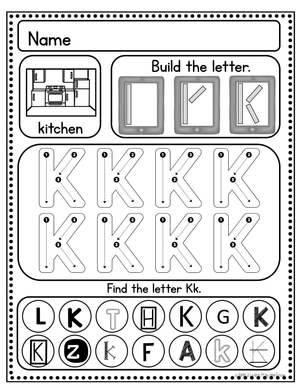
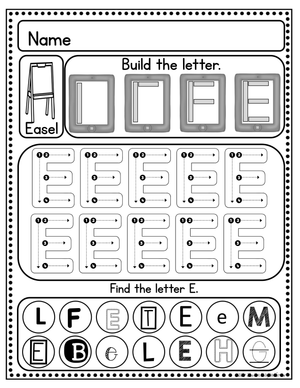
Developed by occupational therapists and refined over roughly 40 years, the program pairs simple language, a demonstration-then-practice routine, and its signature double-line paper. In a first grade room, that usually means short whole-class lessons, targeted small-group practice, and printable pages students can complete independently at a center. Worksheets aligned to the method give you a way to extend the lesson without reinventing your instruction.
Classroom Implementation
Consistency beats intensity with handwriting. Short, daily practice of five to ten minutes tends to outperform a long weekly block. Open with a quick teacher demonstration of the target letter or letter group, name the starting point out loud, and then move students into guided practice on a double-line worksheet while you circulate.
A practical rotation for a first grade room:
- Whole-class launch: model the letter, say the strokes, and have students air-write before touching a pencil.
- Guided practice: students complete a few rows on a double-line sheet while you check starting points and line placement.
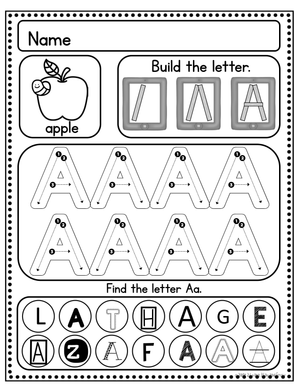
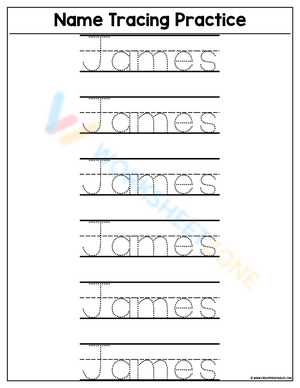
- Independent center: place matching printable pages at a station so students who need more repetitions get them without extra prep from you.
- Quick check: collect one row as a formative snapshot of formation, spacing, and size.
Because the double-line format is so visual, worksheets double as an assessment tool. Scan a completed page for three things: correct starting point, letters that stay in the right zone, and even spacing between letters. Those three signals tell you who is ready to move on and who needs another short cycle on the same group.
Supporting Struggling Writers and IEP or OT Goals
The structured, sequential design is one reason occupational therapists and special education teachers gravitate to this method. When a student has an IEP goal for legible letter formation, the consistent top-line start and single-zone spacing give you clean, measurable targets. You can track progress on one letter group at a time and document it with dated worksheet samples.
For students who need extra support, slow the pace rather than skipping steps. Reduce the number of letters per page, increase repetitions on the same group, and keep verbal cues identical from day to day. The predictability that helps the whole class helps struggling writers even more, because they are not asked to hold multiple rules in mind at once. Dated worksheet samples also make a simple, concrete artifact for progress monitoring and family conferences.
Frequently Asked Questions
1. What is Handwriting Without Tears and how is it different from traditional programs?
It is a manuscript handwriting method developed by occupational therapists, now published as Learning Without Tears. It differs from many traditional programs through its double-line paper, a consistent top-line starting point for most letters, and a multisensory, demonstration-then-practice teaching routine.
2. Is Handwriting Without Tears effective for 1st grade, according to research?
A pilot study of 43 first graders found the Handwriting Without Tears group showed a large treatment effect on handwriting scores versus a medium effect for the standard-curriculum group. Results are strongest when the method is used consistently rather than occasionally.
3. How does the double-line paper help 1st graders form letters correctly?
The two-line format gives one clear middle space, so students learn that small letters fill the middle, tall letters reach the top line, and descenders drop below the bottom. Fewer lines means fewer placement decisions and cleaner, more consistent letters.
4. Do teachers need special training or materials to use these worksheets?
No. Comparative research found teachers rated the program as easy to implement and engaging without adapting the curriculum. You can start with double-line printable pages and a short daily routine, then add multisensory tools as time allows.
5. How can teachers use these worksheets for students who need extra support?
Slow the pace, reduce letters per page, and increase repetitions on one letter group while keeping verbal cues identical. Use dated worksheet samples to monitor formation, spacing, and line placement, which supports IEP and OT handwriting goals.












 Interactive Worksheet Maker
 Quiz Maker
 Word Search Maker
 Crossword Puzzle Maker
 Word Scramble Generator
 Sentence Scramble Generator
 Handwriting Worksheet Generator
 Name Tracing Generator
 Fill In The Blank Generator