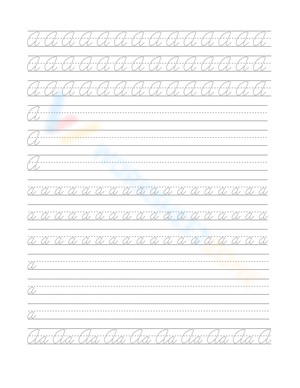
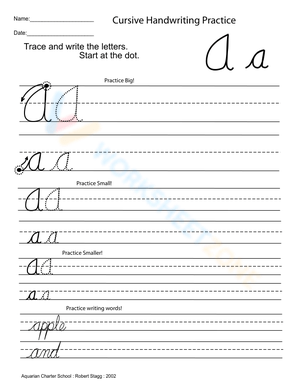
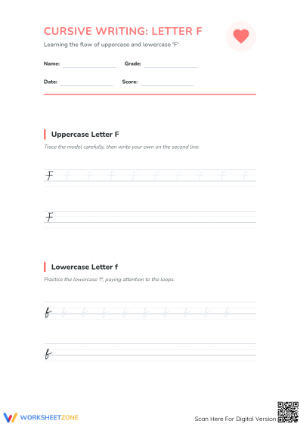
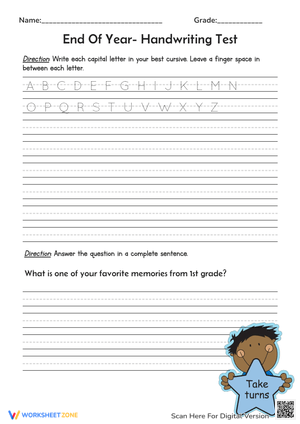
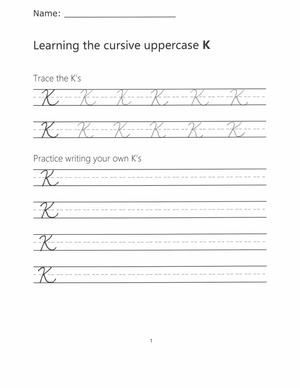
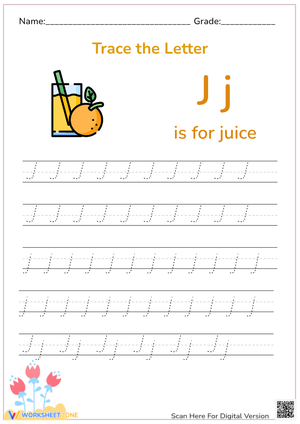
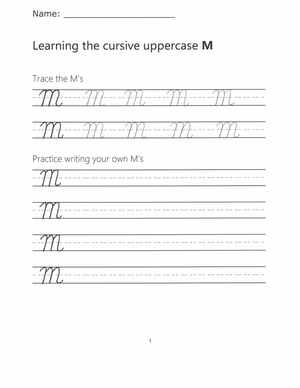
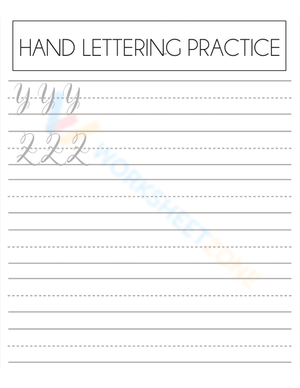
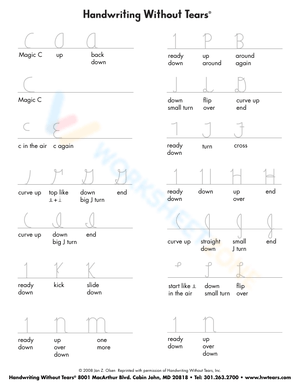
First grade cursive capital letters sit at an interesting spot in the handwriting sequence, early enough to feel ambitious and useful enough to be worth the time. This guide covers where capital practice fits developmentally, why uppercase is trickier than lowercase at this age, what research says about early cursive, and how to run short, effective sessions with six- and seven-year-olds.
Where 1st Grade Cursive Capital Letters Fit in the Sequence
If you teach first grade and you're introducing cursive capital letters, you're working a little ahead of the typical timeline. In most states that require cursive, formal instruction starts a year or two into the primary years, and uppercase mastery is expected later still. That doesn't make first grade too early. It means capital letter practice at this age works best as foundational exposure and enrichment rather than a graded mastery target.
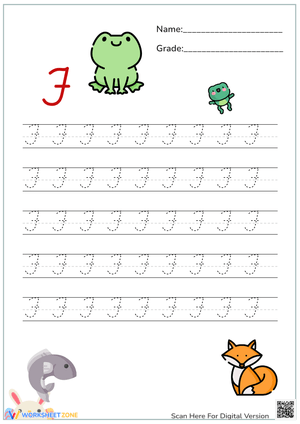
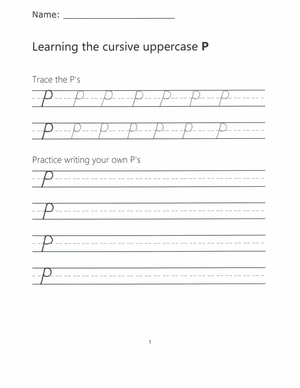
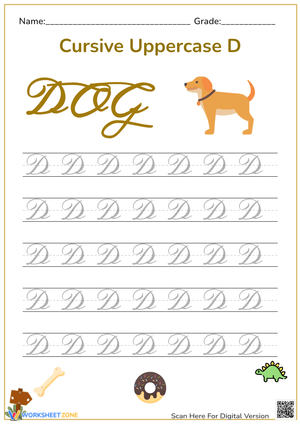
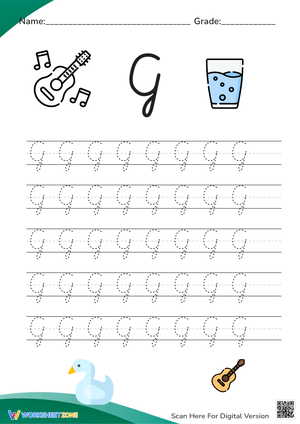
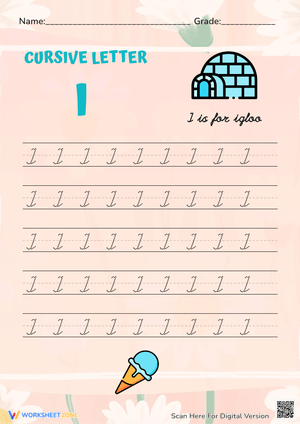
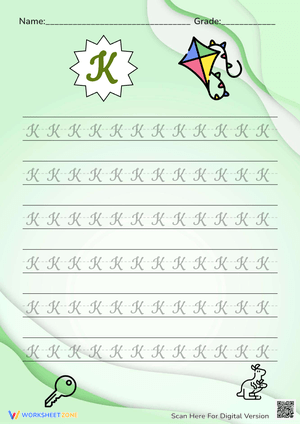
Framing matters for how you use these worksheets. When cursive capitals are enrichment, you can keep sessions short, low-pressure, and playful. Students trace, name the letter, and connect it to a print form they already know. You're planting motor patterns now that pay off when formal cursive instruction arrives, not demanding polished penmanship from a six-year-old.
Why Cursive Capitals Are Harder Than Lowercase at This Age
Many teachers assume capitals should come first because print instruction often starts there. Cursive flips that logic. Cursive lowercase letters share a small set of predictable entry strokes, so students can build muscle memory quickly. Capital letters, by contrast, each tend to start from a different point and use larger loops, curves, and retraces that demand more control of the hand and wrist.
For a first grader whose fine motor skills are still developing, those varied starting points are the real hurdle. A capital that begins at the top, swings left, and loops back challenges hand-eye coordination in ways a repeated lowercase stroke does not. Expect uneven results, and treat that unevenness as normal developmental progress rather than a sign the child isn't ready.
Build Fine Motor Readiness Alongside Letter Practice
Cursive capital formation rests on skills first graders are still building: pincer grip, wrist stability, and the hand-eye coordination that tracing activities develop. If a student grips too tightly or fatigues after a few letters, that's a fine motor signal, not a motivation problem. Pair worksheet time with short readiness activities so the pencil work has a foundation to stand on.
Simple warm-ups help. Have students trace large capital shapes in the air, on a whiteboard, or over a textured surface before they pick up a pencil. Playdough rolling, tweezers-and-bead sorting, and finger tracing over a printed model all reinforce the grip and control that connected writing demands. Five minutes of readiness before a worksheet often produces cleaner letters than five extra minutes of drilling.
Classroom Implementation
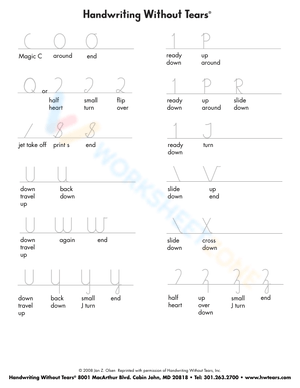
Keep cursive capital sessions short and daily rather than long and occasional. Ten to fifteen minutes of focused tracing four or five times a week suits most first graders better than a single long block. Introduce one or two capitals at a time, model the stroke path aloud, and let students trace before they write independently.
Pair each new cursive capital with its print counterpart. When students see the print A they already recognize next to the cursive A they're learning, you reduce cognitive load and reinforce letter identity at the same time. This pairing also gives fast finishers a natural extension: writing the same word in print and cursive.
Build in formative checks. As students trace, watch for the common formation errors, letters started from the wrong point, loops collapsed into scribbles, or reversed direction, and correct the stroke path early before it becomes habit. A quick thumbs-up or a dot marking each letter's starting point gives young writers immediate, low-stakes feedback.
Frequently Asked Questions
1. Is it appropriate to teach cursive capital letters in 1st grade?
Yes, as long as you frame it as exposure and enrichment. Most states introduce formal cursive a little later, so first grade is best treated as foundational practice. Keep expectations developmental, focus on the stroke path and grip rather than polished output, and there's no need to wait if students show interest and readiness.
2. What's the best way to introduce cursive capital formation to 6-7 year olds?
Start big and multisensory. Model each capital's stroke path aloud, have students trace it in the air and over a printed model, then move to worksheet tracing before independent writing. Introduce one or two letters at a time and connect each to the print form students already know.
3. How is teaching cursive capitals different from cursive lowercase?
Lowercase cursive letters share a few predictable entry strokes, so they build muscle memory fast. Capitals each start from different points and use larger loops and retraces, which demand more hand control. Because of that, expect capitals to take longer and produce more uneven results at this age.
4. How much daily practice do first graders need?
Short and frequent wins. Ten to fifteen minutes, four or five times a week, generally works better than one long session. Young hands fatigue quickly, so brief daily reps with a fine motor warm-up produce steadier formation than extended drilling.
5. Which cursive capitals are hardest for first graders?
The letters with unusual starting points and large loops tend to give the most trouble, capitals whose strokes begin mid-height or require a retrace back across the letter. Introduce simpler, single-stroke capitals first and save the more complex loops until students have steadier pencil control.