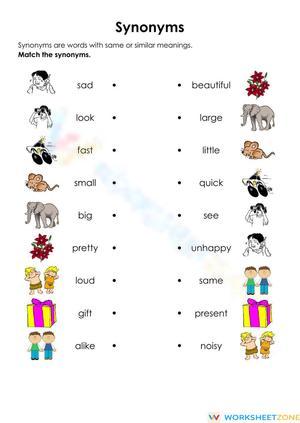
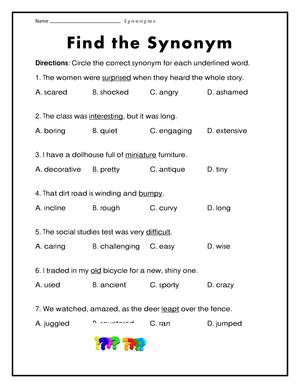
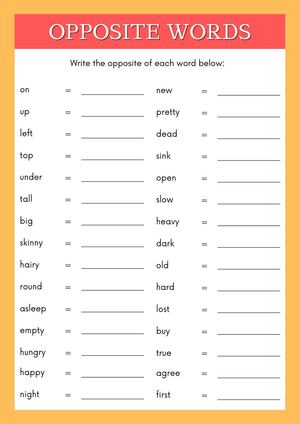
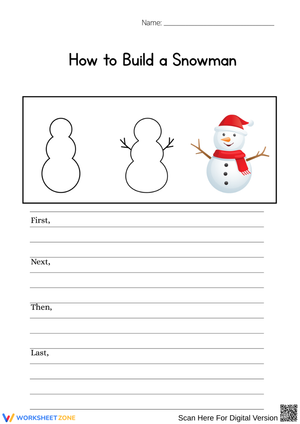
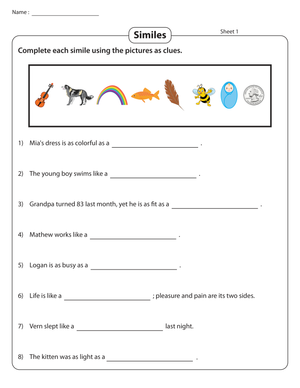
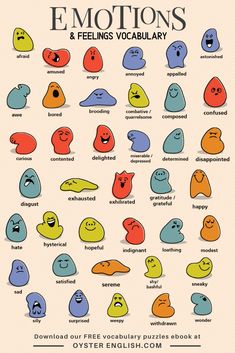
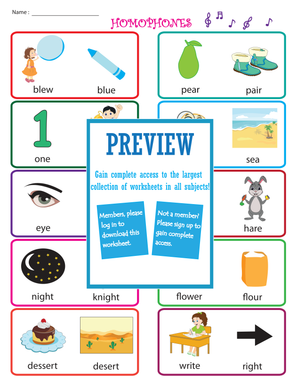
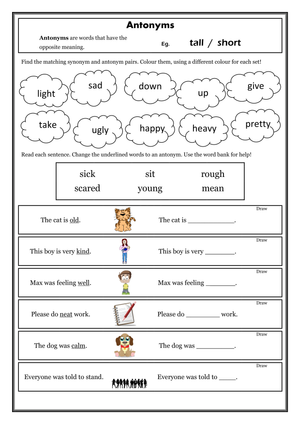
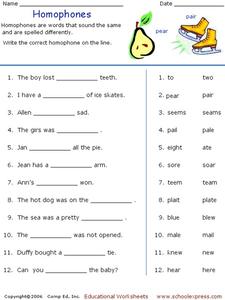
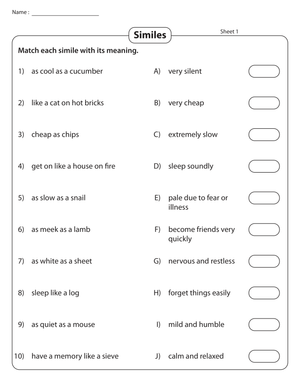
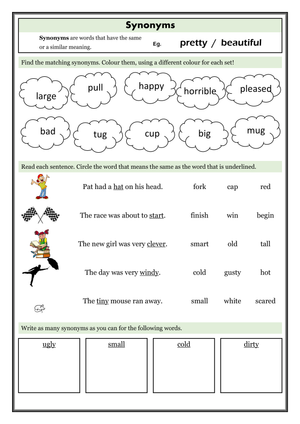
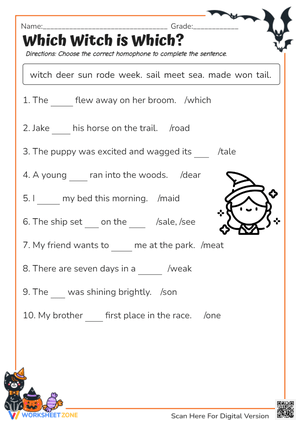
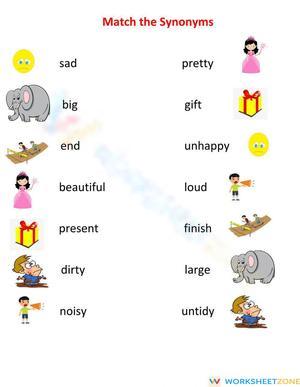
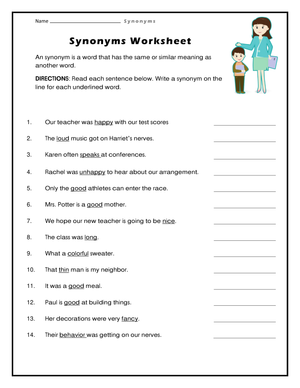
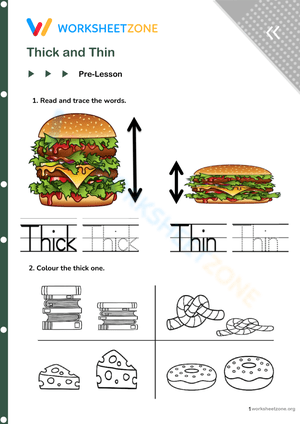
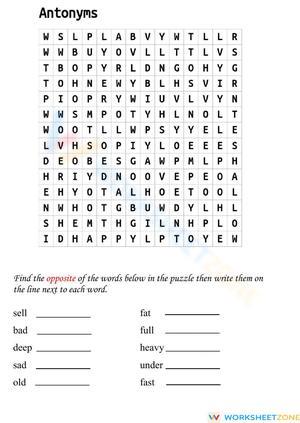
These 1st grade language worksheets resources cover the full scope of Grade 1 ELA Language standards — nouns, verb tenses, end punctuation, capitalization, and vocabulary work — each worksheet ready to use with no additional preparation. The set addresses every major skill students are expected to control by June, giving teachers specific, targeted practice for the conventions that show up in Grade 1 writing every day.
The Grammar and Conventions Skills Each Worksheet Targets
The worksheets move through the complete Language strand for Grade 1. On the grammar side, students identify and sort common and proper nouns, rewrite nouns to show possession using apostrophes, and match singular and plural noun forms with the correct verbs. Pronoun work covers personal pronouns (he, she, they), possessive forms (his, her, their), and the indefinite pronouns that trip up early writers — someone, everyone, nothing — which most students have never examined as a category.
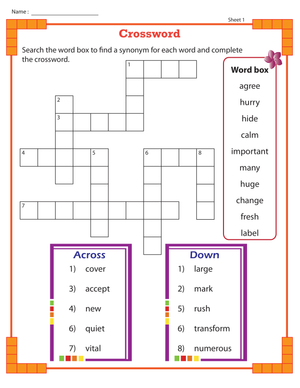
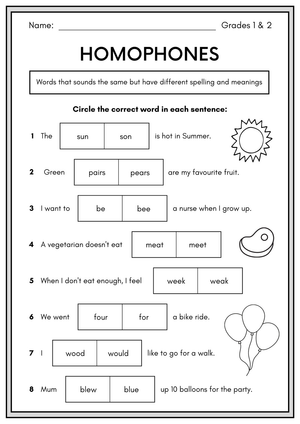
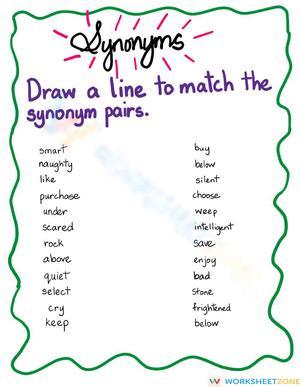
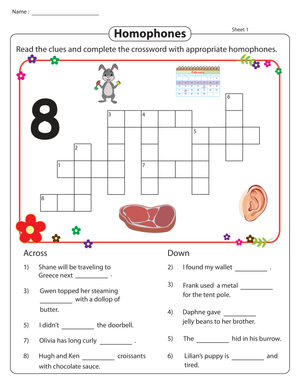
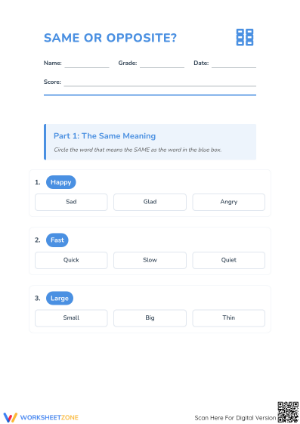
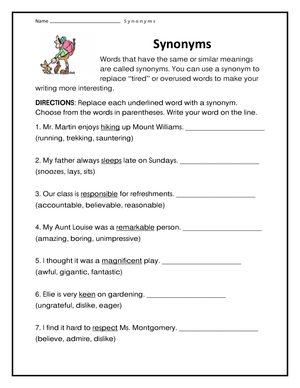
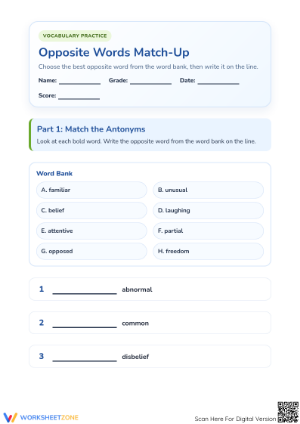
Verb exercises ask students to underline the action word, label its tense, and rewrite sentences to shift the timeline forward or backward — three separate operations that build toward tense awareness rather than just tense identification. Adjective work goes beyond circling a describing word: students mark the adjective and then substitute a more precise alternative, which builds the expressive vocabulary that separates flat first-draft sentences from writing with actual texture. Vocabulary worksheets center on context clues in short passages and the two prefixes introduced at this grade level, un- and re-, with sorting and sentence-completion tasks.
Errors Students Make That These Worksheets Help You Catch
The most predictable error with possessive nouns is that students understand ownership conceptually but write "the girls book" because they have not yet connected the apostrophe to the possessive relationship. They know the book belongs to the girl — they simply leave out the mark. That distinction is invisible in oral practice and shows up only in writing, which is why the worksheet format catches it when classroom conversation does not.
Irregular past tense verbs reveal a consistent over-application of the -ed rule. A student who correctly writes "walked" and "jumped" will write "runned" and "goed" on the same worksheet — sometimes in consecutive sentences. That pattern on paper tells a teacher precisely which verb forms need direct instruction before the student will stop producing them in original writing. Pointing to the worksheet is a cleaner instructional moment than correcting the same error in a journal entry.
Capitalization produces an error that surprises teachers the first time they encounter it: students who reliably capitalize "Monday" and "Mr. Torres" begin capitalizing "Dog" and "Car" when writing about a specific pet or a beloved toy. The rule "it's a name, so it gets a capital" has been internalized correctly but applied too broadly. The proper-noun worksheets in this set place common and proper nouns in contrast within the same sentence, which gives students the boundary condition their mental model is currently missing.
Why Short, Repeated Practice Builds These Skills More Durably Than Long Drills
First graders composing sentences are managing significant cognitive load: handwriting, spelling, word choice, and sentence meaning compete for working memory at the same time. When punctuation and capitalization rules are not yet automatic, they drop off — not because a student doesn't know the rule, but because the cognitive overhead of composition has used up the available attention. Short, focused worksheets — five to eight problems targeting one rule at a time — let students practice the convention in isolation, reducing that load until the pattern becomes background knowledge. Once it does, the rule stays active even when the student is concentrating on meaning. Distributing that practice across many brief sessions, rather than concentrating it in one long block, produces the retention that transfers to independent writing.
How to Work These Worksheets Into Your Week Without Losing Instructional Time
The most effective placement for this kind of practice is the transition moment, not the full lesson block. The eight minutes before students move to specials, the quiet work period after read-aloud, the last few minutes of morning meeting — a single targeted worksheet in those slots functions as a formative check without consuming a lesson. An exit ticket at the end of a direct instruction segment gives teachers concrete data before dismissal: which students correctly placed the apostrophe, which students are still capitalizing by proximity to a name rather than by rule.
For literacy centers, a 1st grade language worksheets works well at the independent writing or word work station while the teacher runs a guided reading group. Students at that station are working without support, so the worksheet needs to be self-explanatory — the task formats here use familiar structures (fill-in-the-blank, sentence correction, sorting) that first graders can execute independently after one modeling session. Rotating different skill worksheets through the same center over a two-week cycle gives each skill repeated exposure without requiring the teacher to redesign the center.
Standard Alignment
The worksheets address CCSS.ELA-LITERACY.L.1.1 (conventions of standard English grammar and usage) and CCSS.ELA-LITERACY.L.1.2 (conventions of standard English capitalization, punctuation, and spelling). Within L.1.1, specific sub-standards covered include L.1.1b (proper nouns), L.1.1c (singular and plural nouns matched with verbs), L.1.1d (personal, possessive, and indefinite pronouns), L.1.1e (verbs expressing past, present, and future), and L.1.1f (adjectives and conjunctions). L.1.2 coverage includes end punctuation (L.1.2b) and capitalization rules (L.1.2a). Teachers planning curriculum pacing will recognize these as the skills students touch in the second half of kindergarten and revisit in Grade 1 — arriving with loose familiarity and leaving with reliable control.
Differentiating the Worksheets Across Your Classroom
Students who are still solidifying phonemic awareness and high-frequency word reading benefit from worksheets built around single sentences with familiar vocabulary — the grammar task stays within reach even when decoding is still effortful. Pairing those worksheets with a word bank reduces the retrieval demand and keeps the student's attention on the language convention rather than the spelling of the answer.
Students who have already internalized basic noun and punctuation rules are ready for the worksheets that embed the skill in a short paragraph, require original sentence writing, or ask students to identify multiple error types in a single passage. A useful two-minute extension after completing a possessive-noun worksheet: ask the student to find three possessive nouns in books from the classroom library and copy them onto the back of the page. That task moves the skill from isolated practice into actual reading — the transfer step where retention is decided. A 1st grade language worksheets supports this kind of extension naturally because the PDF prints cleanly on one side, leaving the reverse available for open-ended follow-up without any additional handout.
Frequently Asked Questions
Do the worksheets address irregular plural nouns?
Yes. Several worksheets target irregular plurals — child/children, foot/feet, mouse/mice — specifically because these forms do not follow the -s or -es pattern and require their own direct instruction. Students sort the forms, complete sentence blanks, and write original sentences using the correct plural, building the explicit memory for these forms that will prevent them from appearing as errors in writing all year.
What task formats appear in the set?
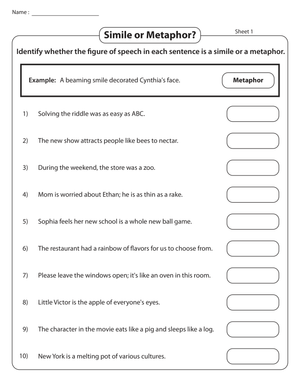
The primary formats are sentence correction (students identify and rewrite a sentence with an error), fill-in-the-blank with answer choices provided, sorting tasks such as common versus proper noun or past versus present tense, and short original-sentence writing. These are the formats first graders encounter in assessment contexts, so the practice transfers directly without requiring a separate orientation to an unfamiliar task type.
Can these worksheets be sent home as homework?
They work well as homework because each worksheet targets one skill with clear, consistent directions — no parent needs to pre-teach the format. Sending a 1st grade language worksheets home after a lesson also functions as a classroom communication tool: parents can see exactly what their child practiced that day and how the problems are structured, which makes follow-up conversations at home more specific and useful than a general "how was school" prompt.
How do these worksheets fit alongside a grammar program the school already uses?
The worksheets are organized by Language sub-standard, so teachers can pull individual worksheets to reinforce a skill that the core program introduces but does not practice deeply enough. They are not a replacement for a full language program — they are the additional repetition that consolidates what direct instruction introduces, used in the transition moments and center rotations where a textbook page is not the right tool.












 Interactive Worksheet Maker
 Quiz Maker
 Word Search Maker
 Crossword Puzzle Maker
 Word Scramble Generator
 Sentence Scramble Generator
 Handwriting Worksheet Generator
 Name Tracing Generator
 Fill In The Blank Generator