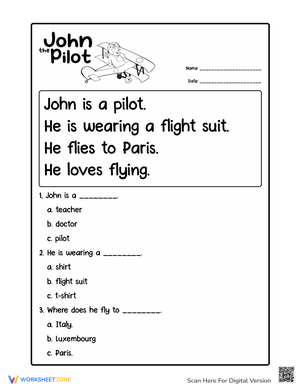
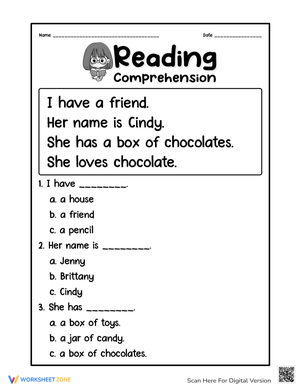
When a Kindergarten teacher pulls a Level B text for a guided reading group, they are working with one of the earliest points on the Fountas and Pinnell Text Level Gradient. Level B sits near the start of the emergent reading continuum, generally used with Kindergarten readers just after Level A. That placement matters for comprehension instruction because it tells you exactly how much text support a student has and how much you can reasonably ask them to infer.
How Level B Differs From Level A and Level C
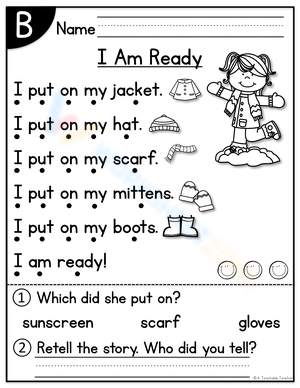
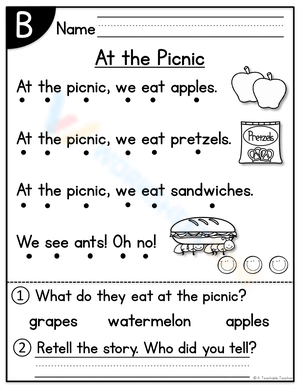
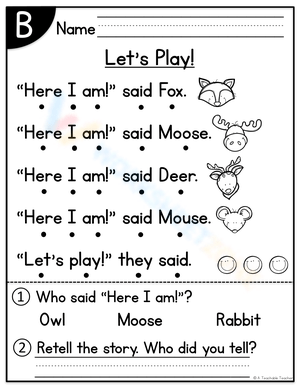
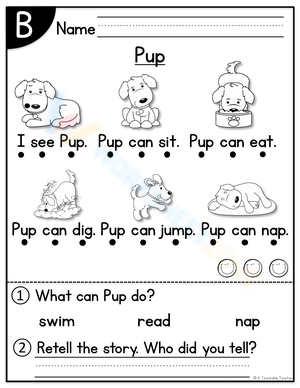
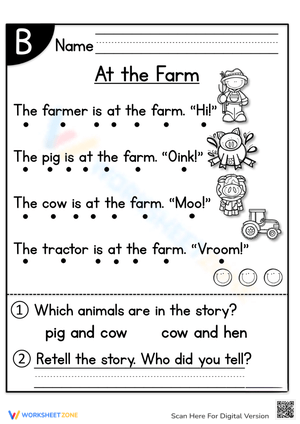
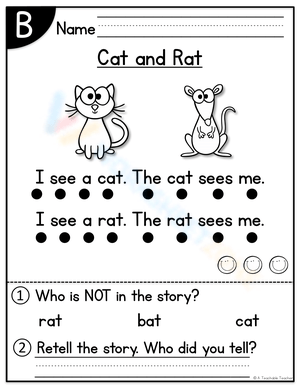
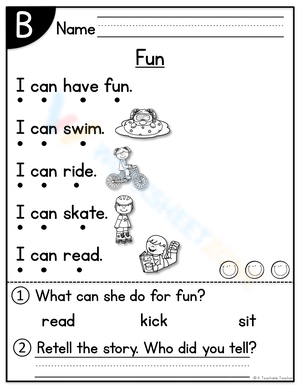
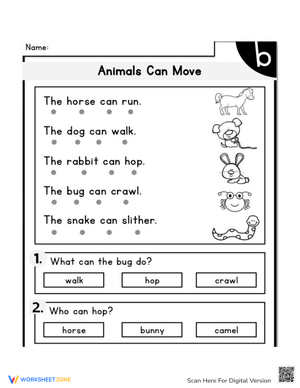
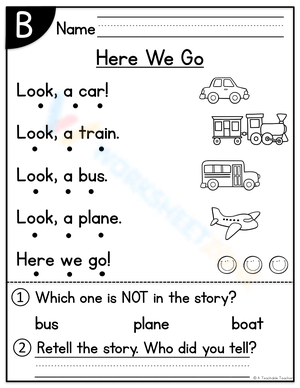
Level A texts are the simplest emergent readers, often just one word or a very short phrase per page with heavy picture reliance. Level B moves slightly beyond that baseline. Level B texts typically feature very simple repetitive sentence patterns, one or two lines per page, and strong picture support to aid comprehension. Students are starting to track print left to right and match spoken words to printed words, but they still lean on illustrations to confirm meaning.
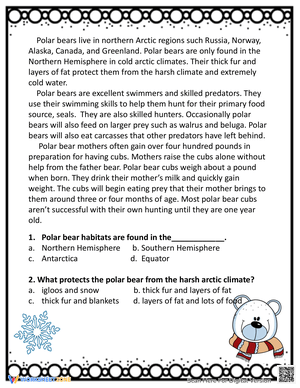
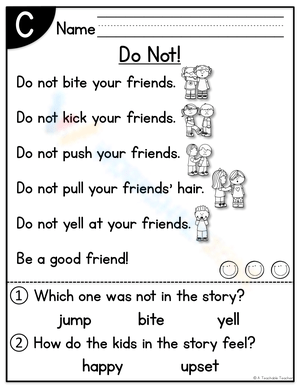
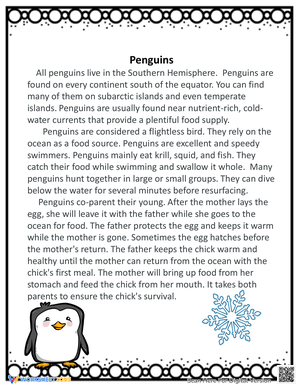
Level C introduces a bit more sentence variation and slightly less repetition, asking readers to hold onto more information without picture support carrying the entire story. Comprehension worksheets should reflect this gradient: a Level B page should never ask a child to infer character motivation the way a Level C or D worksheet might.
Comprehension Question Types That Fit Level B Readers
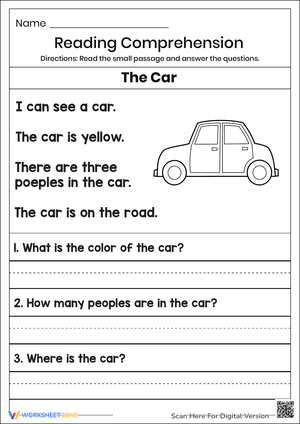
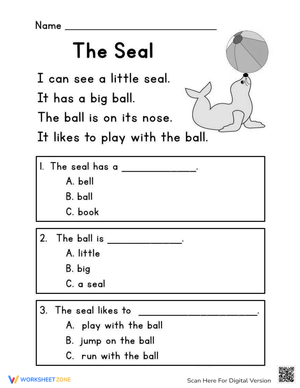
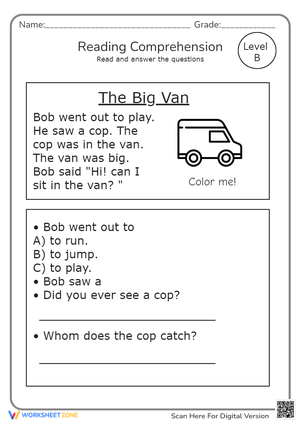
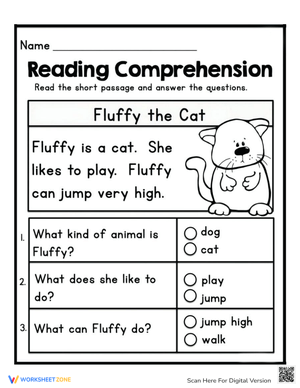
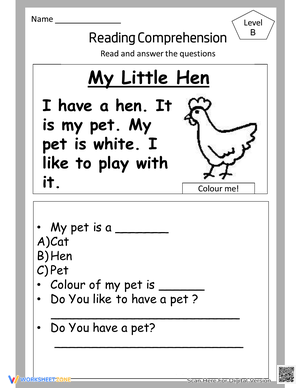
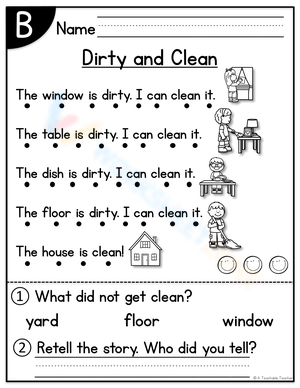
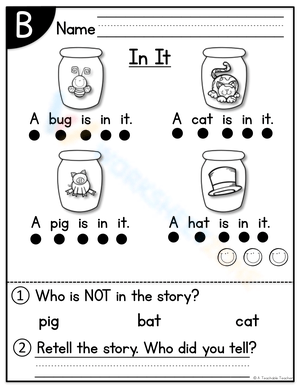
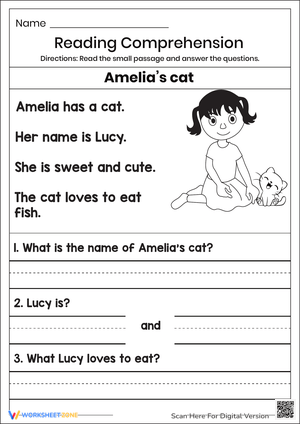
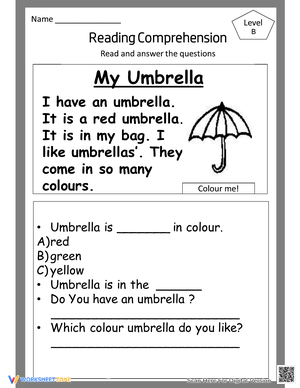
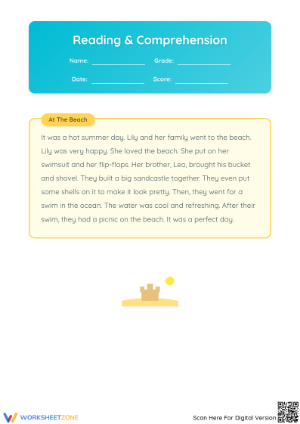
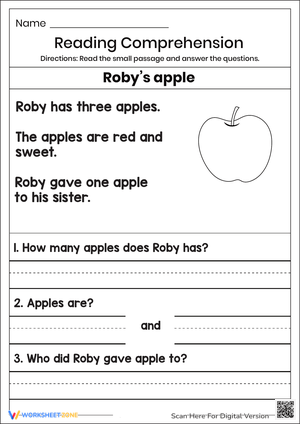
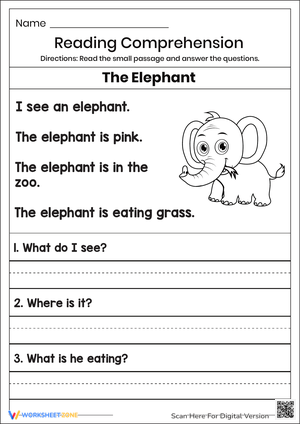
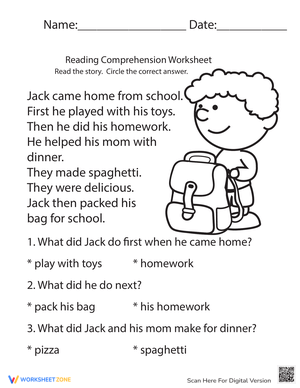
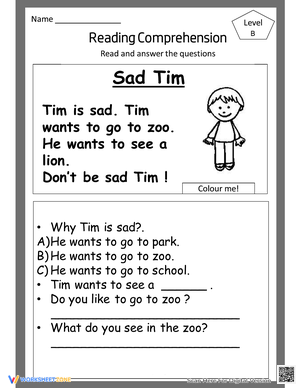
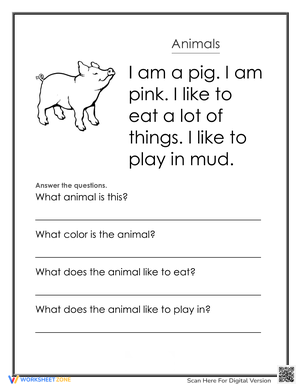
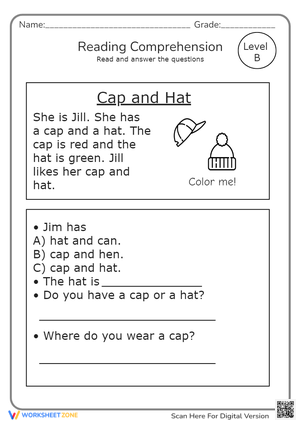
At this level comprehension checks focus on basic story elements such as characters, setting, and simple sequence rather than inference. Effective Level B worksheets ask direct, literal questions tied closely to the picture and the repeated sentence pattern on the page.
- Who questions: Who is in the story?
- What questions: What did the character do?
- Where questions: Where does the story happen?
- Simple sequence: What happened first, then next?
Keep answer choices short, often a single word or a picture the student can circle, since many Level B readers are still building writing stamina alongside decoding skills.
Pairing Worksheets With Read-Alouds and Shared Reading
Level B comprehension worksheets work best when they are not the only comprehension exposure a student gets that day. Pair the small-group text with a related read-aloud or shared reading big book on a similar topic, using bigger vocabulary and richer picture detail than the leveled reader itself allows. This gives emergent readers a chance to practice the same who, what, where thinking on content that is read to them, building comprehension habits even before their independent decoding catches up.
Classroom Implementation
Set up a simple weekly rotation so Level B worksheets do not become repetitive busywork. Monday and Tuesday can focus on introducing the new text and completing a guided comprehension worksheet together at the table. Wednesday can be an independent literacy center repeat of the same worksheet type with a new but similarly leveled book, checking for transfer. Thursday can add a partner-read component, and Friday can be a quick informal check where you observe one or two students independently completing a fresh worksheet to gauge readiness for the next level.
Keep a simple folder or binder per student with dated worksheet samples. This gives you concrete evidence for parent conferences and makes level-change decisions less subjective, since you can show a pattern of responses over several weeks rather than relying on a single snapshot.
Frequently Asked Questions
1. What grade level is Level B reading typically used for?
Level B is generally used with Kindergarten readers just after Level A on the Fountas and Pinnell Text Level Gradient, though some early first-grade students who need extra support may also work at this level.
2. How is Level B different from Level A in guided reading?
Level A is the simplest emergent level, often just one word or phrase per page. Level B introduces very simple repetitive sentence patterns with one or two lines per page, still supported heavily by pictures.
3. How often should teachers use comprehension worksheets at Level B?
Most Kindergarten teams use a Level B comprehension worksheet during each small-group meeting, roughly two to three times per week, paired with independent center practice on the days in between.
4. What skills should a Level B comprehension worksheet target?
Worksheets should target basic story elements such as characters, setting, and simple sequence, using who, what, and where questions tied directly to the pictures and repeated text pattern.
5. How do I know when a student is ready to move from Level B to Level C?
Look for consistent accuracy on running records alongside strong literal comprehension responses across at least two Level B titles before introducing a Level C text.