What Level M reading work usually looks like
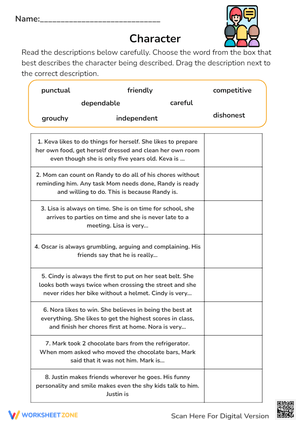
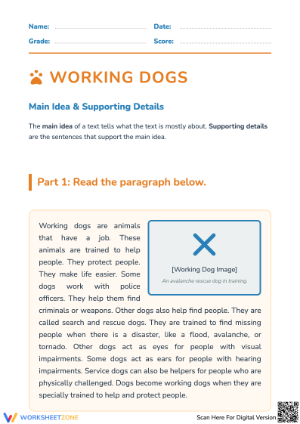
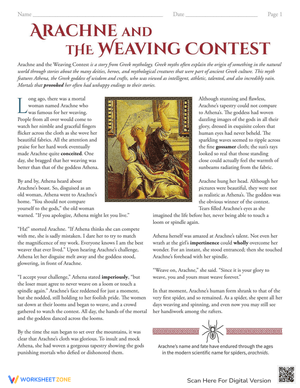
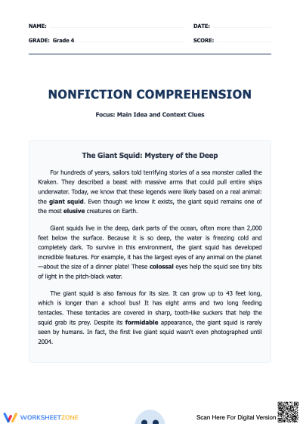
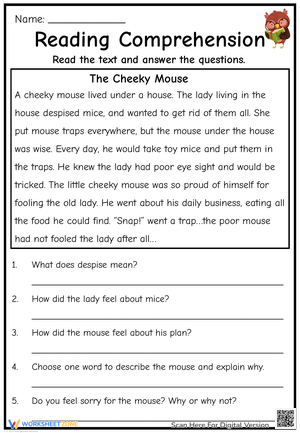
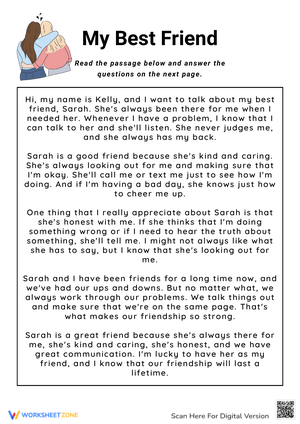
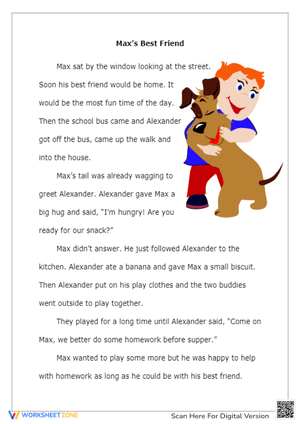
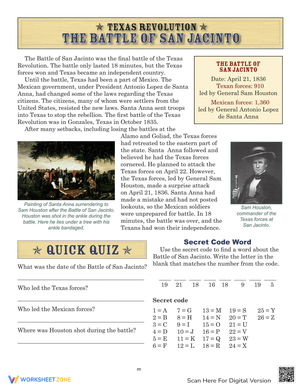
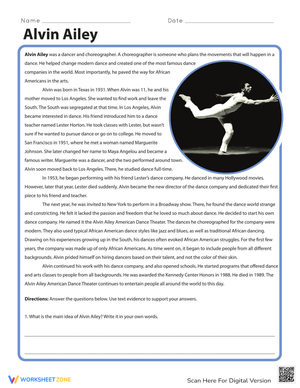
Level M reading comprehension worksheets are most useful when teachers need text-dependent practice that matches the way readers actually work at this stage. According to Worksheetzone's Level M collection, the page is built around printable guided reading passages with comprehension activities, and it is positioned for instructional-level practice during guided reading lessons. That matters because Level M readers are typically moving beyond heavy picture support and doing more of the meaning-making directly from print.
At this level, students often read texts with multiple characters, fuller plots, and ideas that are not always stated in one sentence. They may need to follow a sequence of events, notice changes in a character, and connect details across several paragraphs. A strong worksheet at this level does not just ask for recall. It gives students a reason to reread, compare evidence, and explain what the text suggests.
For teachers, that makes Level M materials a practical bridge between decoding-focused support and deeper comprehension instruction. When the passage and questions are matched well, students can practice reading with enough challenge to think hard without losing access to the text.
Which comprehension skills fit Level M texts best
Comprehension practice at Level M should line up with the text demands readers are likely to meet. The prefetched research points to inference, character change, plot tracking, and text structure as the best-fit areas. Those skills make sense because Level M readers are often expected to process more complex story events and more content-specific vocabulary than they did in earlier leveled books.
- Inference: Students look beyond a literal sentence and explain what a character may be thinking, why an event matters, or how details connect.
- Character change: Readers trace how a character responds to a problem, learns something, or shifts perspective from the beginning to the end of the passage.
- Plot tracking: Students keep track of important events, causes, effects, and turning points without relying on pictures to hold the story together.
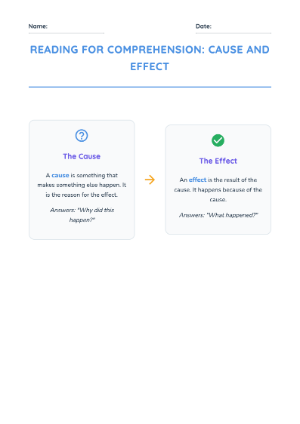
- Text structure: Readers notice patterns such as compare and contrast or cause and effect, which helps them organize what they read and answer with more precision.
- Vocabulary in context: Students use surrounding details to make sense of descriptive language or content words that may be new but are still readable within the passage.
When worksheets stay centered on those moves, they reinforce the exact habits teachers want to see during guided reading conversations and written follow-up.
Why printable worksheets still work for guided reading
Printable materials remain useful because they are easy to slot into the parts of the day where teachers need consistent, leveled follow-up. In a small-group lesson, a worksheet can frame a short written response after oral discussion. In intervention, it can help a specialist check whether a student can transfer a taught strategy to a fresh passage. In independent work, it gives students a familiar routine while the teacher meets with another group.
Worksheetzone's Level M page is positioned around a large bank of leveled passages for guided reading, which makes it easier to keep text complexity steady while rotating skills. That can save planning time for teachers who need multiple passages across grades 2-4 but want the same reading level target. Instead of searching for one-off texts, they can focus on the instructional move: Are students inferring, tracking plot, or comparing information?
Another reason these worksheets work is that they create a clean record of student thinking. Teachers can quickly see whether a student found evidence, misunderstood the sequence, or answered from background knowledge instead of the passage. That kind of sample is useful during regrouping, intervention planning, and routine formative assessment.
How Level M connects to grade bands and leveling references
Scholastic's Guided Reading Leveling Resource Chart places Level M around DRA 20-24, a data point often seen across grades 2-4. That range helps teachers place level m reading comprehension worksheets by instructional reading need rather than by grade label alone.
One of the most useful planning insights for Level M is that the level can span more than one grade while still pointing to a fairly specific reading demand. The research notes that a Scholastic leveling chart places Level M around DRA 20-24 and within grade-band expectations often seen across grades 2-4. In practice, that means a second grader and a fourth grader might both work with Level M text, but for different reasons. One may be building stamina with multi-character plots, while another may need tighter work on inference or text structure. The level gives teachers a text-complexity anchor; it does not replace instructional judgment.
The Fountas & Pinnell guided reading level descriptions also support this view of Level M as a stage where readers handle less picture support, more complex plots, and some abstract themes. For classroom planning, that helps teachers choose questions that ask students to explain how they know, not just what happened.
Classroom Implementation
Teachers can get more from Level M reading comprehension worksheets when they attach each worksheet to a clear lesson purpose. The passage should not function as busywork after reading. It should extend the teaching point.
- Small groups: Read part of the passage together, discuss one key comprehension move, then assign a short written response that requires evidence from the text.
- Intervention blocks: Use one passage to reteach a specific need such as cause and effect or inference. Keep the text level stable so the skill remains the focus.
- Independent follow-up: After a teacher-led lesson, assign a comparable worksheet to see whether students can repeat the strategy on their own.
- Progress monitoring: Compare student responses across several Level M passages to see whether errors are consistent, such as weak evidence use or difficulty tracking events.
A simple routine works well: preview the purpose, read the passage, annotate or talk through one tricky moment, then respond in writing. If students miss the same question type repeatedly, the worksheet has done its job by revealing what needs reteaching next.
For mixed classrooms, Level M passages can also support station rotation. One group may complete a teacher-supported inference task while another uses a worksheet independently to summarize or compare details. The format stays consistent even when the support level changes.
What to look for in strong Level M worksheets
Not every printable passage is equally useful. For Level M, the best worksheets reflect the text features readers are expected to manage. They should include enough substance for rereading, but the questions should remain teachable and focused.
- Text that carries meaning in print: The passage should not depend on illustrations to explain the main events or ideas.
- Questions beyond recall: At least some items should ask students to infer, explain, compare, or identify cause and effect.
- Manageable written output: Students should have room to write evidence-based answers without the task turning into a lengthy composition assignment.
- Clear alignment to guided reading use: The worksheet should feel suitable for small-group instruction, reteaching, or independent transfer practice.
- Room for discussion: Strong questions can be answered in writing, but they also invite talk before students write.
When teachers review materials with those filters in mind, they are more likely to choose worksheets that sharpen comprehension rather than just consume time. That is especially important in grades 2-4, where students may present very different reading profiles even inside the same classroom.
Frequently Asked Questions
1. What does Level M mean in guided reading?
Level M usually refers to a guided reading text band where students read with less picture support and handle fuller plots, multiple characters, and some abstract themes. The provided source hints also place Level M around DRA 20-24 on Scholastic's leveling chart.
2. What skills should Level M readers practice in comprehension work?
The strongest matches are inference, character change, plot tracking, text structure, and vocabulary in context. These skills fit the way Level M texts ask readers to connect details and explain thinking from the print itself.
3. What grades usually use Level M reading comprehension worksheets?
The prefetched research notes that Level M often falls within expectations seen across grades 2-4. Teachers usually use the level to match instructional reading need, not just a student's grade placement.
4. How can teachers use Level M worksheets in small groups or intervention?
They work well as follow-up after guided reading, as targeted practice during intervention blocks, and as independent transfer tasks. The main goal is to keep the text level steady while checking whether students can apply a taught comprehension strategy with evidence.