Level K worksheets support the move from sounding out words to making meaning
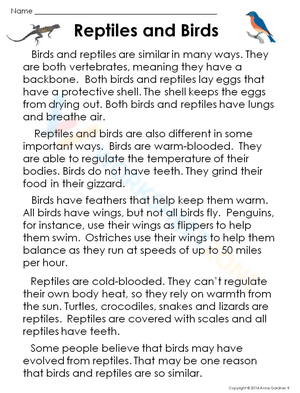
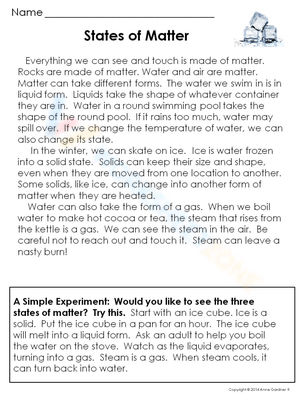
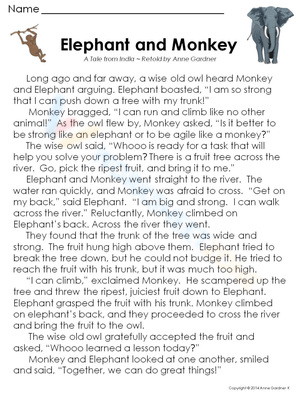
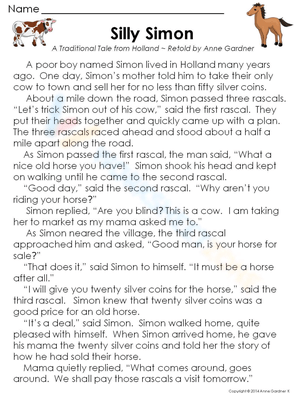
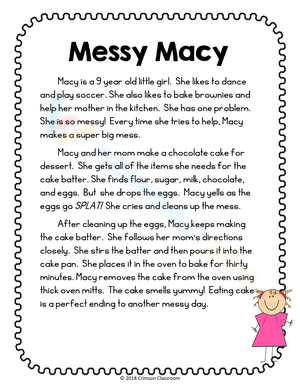
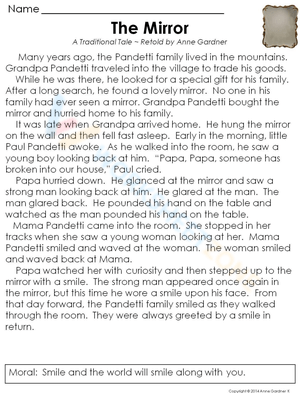
Level K reading comprehension worksheets work best when students are no longer limited to the earliest guided reading texts but still need tightly controlled practice. At this stage, teachers are often looking for short printable tasks that keep text demands manageable while asking students to show understanding. Worksheetzone positions its printable Level K reading comprehension worksheets as fun, interactive resources, which makes them useful for classroom routines that need fast, flexible materials.
In practice, Level K worksheets fill a specific gap. Students may be decoding with growing accuracy, but they still need direct support with retelling, identifying important details, sequencing events, and answering simple who, what, and where questions. A well-matched worksheet gives enough text for real comprehension work without overwhelming readers with length, vocabulary load, or open-ended writing demands. That makes these printables useful for literacy centers, intervention folders, independent practice after a read-aloud, and quick checks during guided reading rotations.
What makes a worksheet a strong Level K fit
Not every early reading worksheet is appropriate for Level K. A strong fit usually starts with text length. Students at this level can handle more than beginner lines, but they still benefit from short passages that hold one clear idea or a simple narrative arc. Vocabulary should feel supportive rather than dense, and sentence structures should be varied enough to require attention without turning the task into a decoding obstacle.
Teachers should also look at the response work. Level K reading comprehension worksheets are most useful when prompts stay focused on one thinking move at a time. That might mean circling the best answer, putting events in order, matching text to a picture, or completing a brief oral or written retell. When too many skills are stacked into one page, the worksheet stops functioning as a targeted comprehension tool and becomes harder to use for instructional decisions.
The comprehension skills teachers usually target at Level K
Most Level K comprehension work sits in a practical middle ground between basic recall and deeper interpretation. Students are learning to notice what happened, who was involved, where the action took place, and what detail matters most. That is why teachers often prioritize story retell, sequencing, identifying the main idea, and making simple inferences based on explicit clues in the passage.
- Recall and key details: Students answer direct questions about characters, setting, topic, or events.
- Sequencing: Students place 3 or 4 events in order to show they followed the text from beginning to end.
- Main idea: Students identify what the short fiction or nonfiction passage is mostly about.
- Simple inference: Students use a picture clue, repeated detail, or action in the text to make a sensible conclusion.
- Text-to-picture matching: Students connect sentences or short paragraphs to the image that best represents meaning.
These task types are especially useful because they help teachers see whether students understood the text itself, not just individual words. After a worksheet, a teacher can ask students to justify an answer with a phrase from the passage or explain why one sequence choice makes more sense than another.
Why printable Level K passages work in guided reading and intervention
Printable resources are valuable at Level K because they make targeted practice repeatable. In a guided reading group, a teacher can introduce a short passage, model one comprehension strategy, and then hand students a worksheet that asks for the same thinking in a concise format. In intervention, the same structure creates consistency. Students know what to expect, so the teacher can spend time on language and understanding instead of explaining directions every session.
An overlooked advantage of Level K worksheets is how well they support error analysis. When a student misses a sequencing item or chooses the wrong main-idea answer, the teacher can quickly determine whether the issue came from weak attention to text structure, limited oral language, or incomplete recall. That kind of clean signal is harder to get from longer assignments and helps teachers plan the next 10 to 15 minutes of instruction more precisely.
Teachers can also use these worksheets to compare fiction and nonfiction performance. A student may retell a simple story successfully but struggle to identify the topic of an informational paragraph. That contrast points toward the kind of text discussion the student needs next.
Classroom Implementation
Teachers usually get the most from Level K reading comprehension worksheets when they decide the instructional role before copying the page. If the worksheet is for guided reading, keep it connected to a text the group has already discussed. If it is for a center, directions should be familiar enough that students can complete the task with minimal teacher help. If it is for intervention, narrow the page to one priority skill so progress is easier to monitor over time.
- Before reading: Preview one or two vocabulary words and set a clear purpose such as listening for the problem in the story.
- During reading: Stop briefly to confirm meaning, not after every sentence, so students maintain the flow of the text.
- After reading: Use the worksheet to capture one main comprehension move, then discuss answers aloud.
- For centers: Pair the worksheet with whisper reading, partner retell, or picture support to keep the task independent.
- For assessment: Reuse the same task type across several passages to see whether improvement transfers.
This approach keeps the worksheet aligned with instruction instead of treating it as extra seatwork. For classroom practitioners, that is the real value of a printable bank: fast access to materials that can be slotted into existing routines without redesigning the lesson.
How to choose worksheets that stay challenging without becoming frustrating
Teachers often know when a worksheet is too easy because students finish quickly with little rereading or explanation. A worksheet may be too hard when students lose track of the passage, rely on guessing, or need repeated support just to understand directions. The best Level K reading comprehension worksheets sit in the middle. Students should need to think, look back, and talk through their reasoning, but they should still be able to complete the page within a short instructional block.
Understood's guidance on choosing books at a child's reading level reinforces a practical point for classroom selection: level fit is not only about word difficulty. It also involves whether the text lets students maintain understanding while reading with reasonable support. For worksheets, that means teachers should check passage complexity, question type, and the amount of written output required on the same page.
When choosing among printables, it helps to vary the response format across the week. One day might focus on sequencing. Another might ask for a short retell. Another might compare a passage to a picture. Rotating those demands keeps practice fresh while still staying within the comprehension expectations that make Level K work productive.
Frequently Asked Questions
1. What is guided reading Level K?
Guided reading Level K is part of the A to Z leveling continuum used to organize text difficulty. It sits beyond the earliest beginner levels and is typically used with early elementary readers who are ready for more sustained comprehension work with short fiction and nonfiction texts.
2. Are Level K reading comprehension worksheets better for kindergarten or first grade?
They can work in either setting, depending on the reader. Teachers usually use them with students who are reading beyond the first beginner levels but still benefit from short passages, supportive vocabulary, and focused comprehension questions.
3. What skills should Level K comprehension worksheets practice?
The strongest worksheets at this level usually target recall, sequencing, main idea, text-to-picture matching, and simple inference. Those skills help teachers see whether students understand what they read and can talk about meaning with evidence from the passage.
4. How can teachers use Level K worksheets in small groups or literacy centers?
In small groups, teachers can use a worksheet after shared reading to reinforce one strategy that was modeled in the lesson. In literacy centers, the same kind of worksheet works well when routines are already established and students know how to reread, answer, and check their work independently.