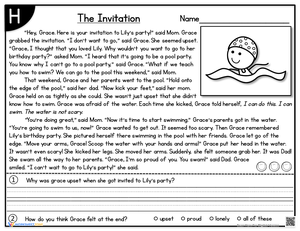
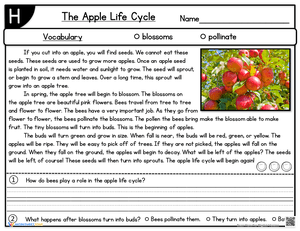
Why Level H reading comprehension worksheets matter in early guided reading
Level H reading comprehension worksheets work best when they extend what students already did with a short text, not when they replace real reading. For teachers planning guided reading, the value is in having a printable follow-up that checks whether students can hold onto meaning after a book or passage becomes less repetitive and less picture-dependent.
On the Worksheetzone Level H reading comprehension worksheets page, teachers can pull printables for small groups, independent work, homework, or intervention without rebuilding every response page from scratch. A focused worksheet gives you a quick snapshot of who understood the text and who only read the words.
For many classrooms, these worksheets fit best in Grade 1 or early elementary literacy blocks, especially when students are moving from strongly patterned books into texts with more distinct episodes and more information to track. The strongest Level H practice stays brief, specific, and tied to what students can reasonably process after one reading or a short reread.
What students are usually doing at Level H
Teachers searching for level h reading comprehension worksheets are usually trying to match the demands of the text level, not just the topic. According to Scholastic's Guided Reading Indicators, Level H includes informational texts, simple fantasy, realistic fiction, and folktales. Students aren't reading one narrow type of passage. They're learning how comprehension changes when the structure, vocabulary, and purpose of the text change.
Scholastic also notes that Level H texts often have more episodes, less repetition, and content that reaches beyond home, school, and neighborhood topics. In practice, that means a worksheet should ask students to remember what happened first, next, and last, connect an idea across pages, or explain a simple character action with evidence from the text.
A useful way to think about Level H is that decoding may still take effort, but comprehension starts to break down for a different reason: students can no longer lean on repetition and picture clues to carry the whole text. When a child misses one event in the middle, the rest of the retell can fall apart. That's why strong Level H worksheets protect sequence, text details, and oral-to-written transfer.
What to look for in a strong Level H worksheet set
Not every printable labeled for guided reading will actually fit Level H demands. The best worksheet sets keep the task load manageable while still checking real understanding. A single page with two or three high-value prompts is often more useful than a crowded activity sheet that mixes phonics, handwriting, and comprehension into one assignment.
- Retell and sequence: Students should show the order of events or explain the middle of a text, not only the beginning and ending.
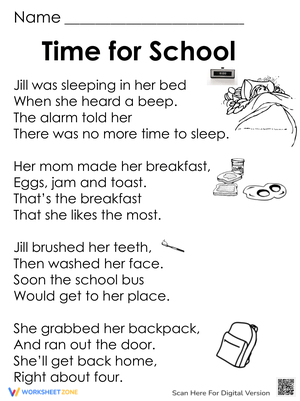
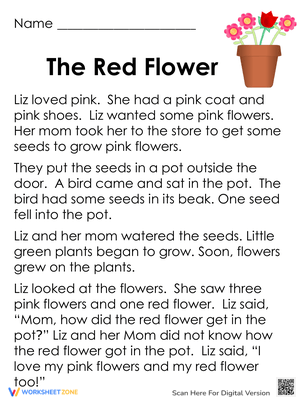
- Dialogue and character action: Fiction tasks should ask what a character said, did, or learned.
- Vocabulary in context: Students need practice using nearby words and sentence meaning to work through unfamiliar terms.
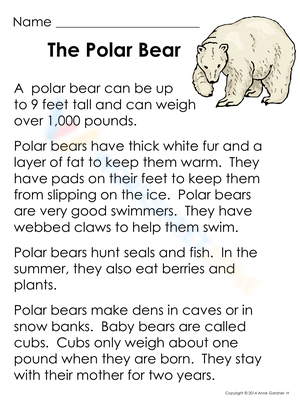
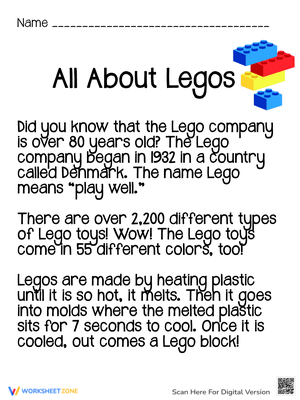
- Informational text recall: Nonfiction prompts should ask for one or two clear facts, categories, or details from the passage.
- Multi-syllable word support: The worksheet can include brief scaffolds for reading longer words without turning into a full phonics lesson.
If you're using worksheets in a literacy center, look for pages that can be finished in about 10 minutes after reading. If you're using them in intervention, it helps when the page leaves room for oral rehearsal first and written response second.
How Worksheetzone fits planning for print-ready practice
Worksheetzone's dedicated Level H landing page is useful because it narrows the search to one reading level inside a larger ELA reading collection. For teachers, that saves time during planning because the filter already matches the guided reading band you need. Instead of sorting through worksheets for very different readers, you can stay focused on materials that are more likely to fit this stage of comprehension work.
That kind of organization is especially helpful when you're planning multiple uses for the same week. A worksheet from the page can become a guided reading exit task, a center activity, and a quick reteach check later in the week. Because the format is printable, it's also practical for substitutes, take-home folders, intervention binders, or classrooms that want a paper record of student responses.
Teacher Tips for using Level H worksheets without overloading students
A Level H worksheet should come after meaningful reading and discussion, not before. If students meet the printable cold, the page may measure stamina or writing speed more than comprehension. A brief teacher prompt, partner retell, or picture walk review can make the written work much more accurate.
One effective routine is read, retell, then write. After the passage or book, ask students to tell the sequence aloud with a partner. Then have them complete a short printable with one sequencing item, one vocabulary or dialogue question, and one written response. That structure keeps the work aligned to comprehension while reducing the chance that students freeze when they face a blank answer line.
For intervention groups, trim the task even further. You might cover part of the worksheet and ask students to complete only the first two prompts in the first sitting. For stronger readers, use the same printable as a springboard for sentence expansion. The worksheet stays the same, but the expectation changes.
Matching worksheet tasks to fiction and nonfiction texts
Because Level H includes both fiction and nonfiction, teachers get better results when the response format matches the text type. A folktale or realistic fiction passage often calls for retell, character action, lesson, or dialogue-based questions. An informational passage usually works better with topic-detail, labeling, compare-and-sort, or fact recall prompts.
That distinction matters for assessment. If a student misses the key idea in a nonfiction passage, the issue may be organizing facts, not understanding story sequence. If a student struggles in fiction, the challenge may be tracking episodes across the middle of the text. Good level h reading comprehension worksheets make that visible by asking the right kind of question for the passage on the page.
Scholastic's Guided Reading Indicators are helpful here because they point out the range of text types students meet at Level H, while the K5 Learning Level H workbook description shows that fiction and nonfiction comprehension practice can sit side by side in a Grade 1 context.
Scholastic's Guided Reading Indicators describe Level H texts across four text types: informational text, simple fantasy, realistic fiction, and folktales. The same source also notes that many Level H texts offer little or no illustration support, which explains why worksheet questions need to check meaning built from print rather than pictures alone.
Classroom Implementation
In whole-class literacy blocks, Level H worksheets are usually most effective as a targeted follow-up for one group rather than a universal assignment for every student. A classroom can run more smoothly when the teacher uses the same response structure across groups but swaps the passage level.
In small groups, use the worksheet as an exit check. After reading, ask students to complete two prompts independently while you observe who can return to the text mentally and who needs oral prompting. In centers, keep the same format predictable from week to week so students spend their energy on comprehension, not directions. For homework, choose short pages with clear expectations so families can support completion without reteaching the lesson.
These printables also work well for quick formative checks. If a student can decode the passage but answers sequence or detail questions inconsistently, that signals a comprehension issue worth addressing in the next lesson. If the written response is weak but the oral retell is strong, the next step may be sentence support rather than another reading-level change.
Frequently Asked Questions
1. What reading skills are typical at Level H?
Students at Level H are often working on holding onto sequence across more events, understanding both fiction and nonfiction, reading with less repetition, and relying more on print than illustrations for meaning. Teachers may also see a growing need for vocabulary and multi-syllable word support.
2. What grade is usually associated with Level H reading?
Level H is often used with Grade 1 readers or students working at a similar early elementary reading stage. The exact match depends on the school's guided reading system and the student's reading profile, but the teaching moves usually fit first-grade comprehension instruction well.
3. How do Level H worksheets differ from lower guided reading levels?
They typically ask students to do more than identify one obvious detail. Compared with lower levels, Level H worksheets should pay more attention to sequence, text-based meaning, simple inference from context, and understanding with less illustration support and less repetitive language.
4. What comprehension questions work best for Level H passages?
The best questions are short and text-specific: retell the middle, put events in order, explain what a character said or did, identify two facts from nonfiction, or use context to figure out a word. Those prompts reveal more than broad opinion questions at this stage.