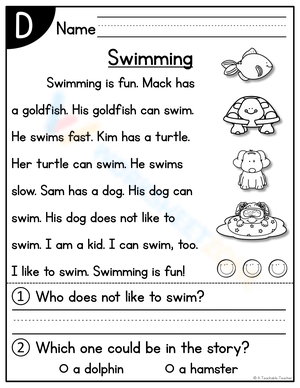
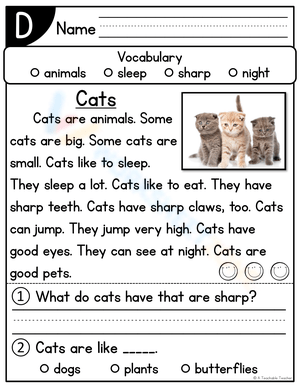
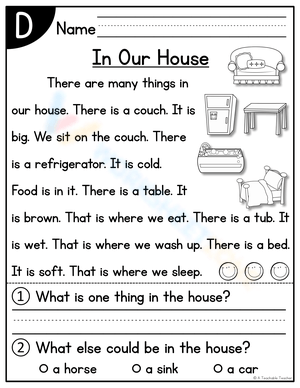
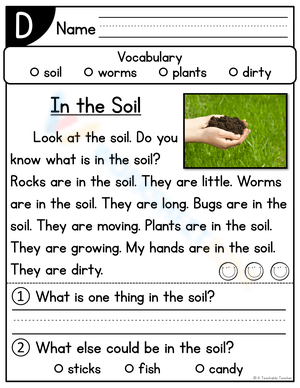
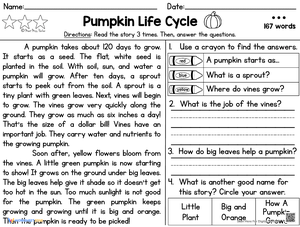
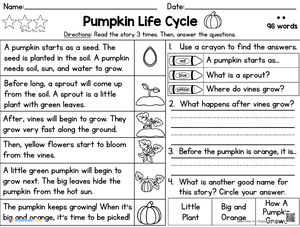
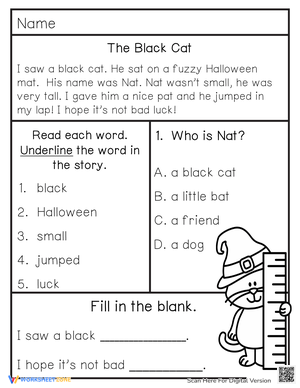
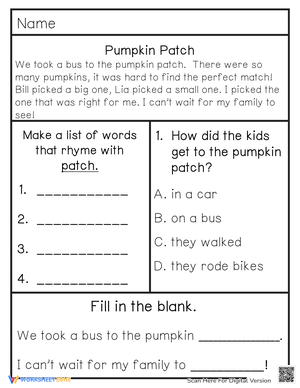
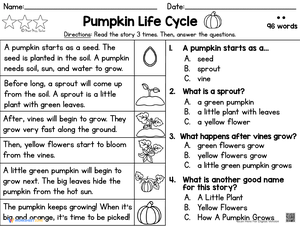
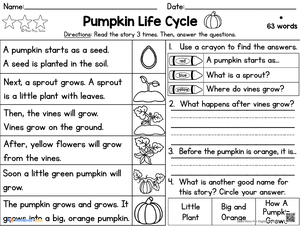
Level D worksheets give early readers the right amount of text to work through
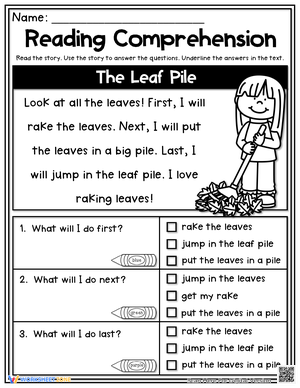
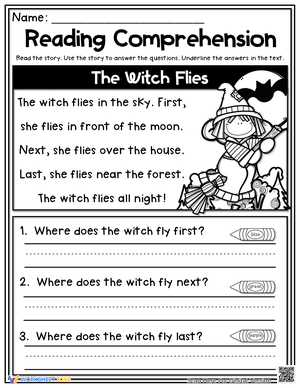
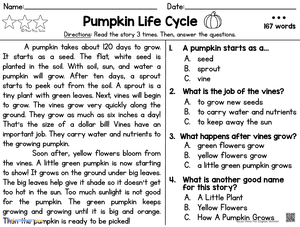
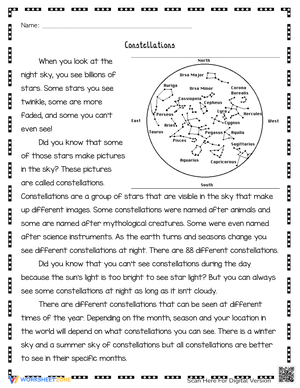
Teachers looking for level d reading comprehension worksheets usually need something very specific: printable passages that are short enough for early readers to manage, but connected enough to show whether students can track meaning across more than one line. Worksheetzone’s Level D reading comprehension collection fits that classroom need well because it centers on printable practice for emerging readers who are moving past isolated phrases and into short, connected text.
At this stage, students are often ready for brief fiction and nonfiction reading, simple oral retell, and literal questions that confirm they understood who, what, where, or what happened next. That makes Level D materials useful for guided reading groups, intervention blocks, center rotations, and take-home review when you want a fast comprehension snapshot without handing students text that is too dense.
What Level D usually means in classroom planning
Level D is commonly associated with early first-grade reading development. In the source hint from Reading A-Z, Level D benchmark passages appear under Grade 1, which gives teachers a practical placement reference when they are organizing small groups or choosing review work for students who are building independence with short books and passages.
Scholastic’s guided reading descriptors add more detail that matters during lesson planning. Their Level D indicators describe texts with about two to six lines per page, along with growing attention to punctuation, phrasing, and simple inflectional endings. That profile tells teachers these readers are not just matching words anymore. They are starting to read in phrases, notice sentence flow, and carry meaning from one line to the next.
That shift is exactly why comprehension worksheets at this level should stay focused and lean. Students still need manageable print, but they also need enough connected language to practice retelling, answering literal questions, and rereading for fluency.
What strong Level D reading comprehension worksheets should include
The best Level D worksheets do not overwhelm students with long answer sets. Instead, they keep the reading load and the response load balanced. A useful page usually starts with a short passage, then follows with a few clear prompts that check literal understanding and invite students to return to the text.
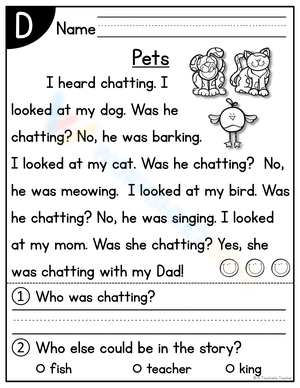
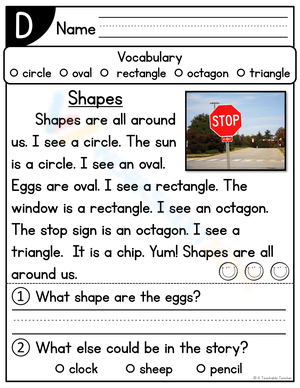
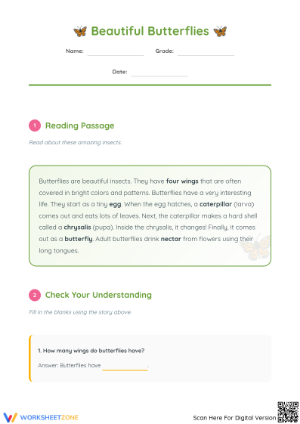
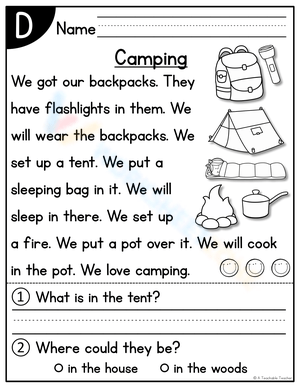
- Short connected sentences: The passage should feel like real reading, not a disconnected word list.
- Simple question types: Wh-questions, sequencing, matching details, and oral retell prompts work well.
- Support for rereading: Students at this level benefit from reading the same passage more than once for accuracy and phrasing.
- Room for teacher observation: A concise worksheet is easier to use while listening in on decoding, fluency, and comprehension at the same time.
When those elements are present, a worksheet becomes more than busy practice. It becomes a quick assessment tool that can help you decide whether a student is ready for slightly longer text, needs more support with phrasing, or should revisit a targeted phonics pattern during follow-up instruction.
Why these worksheets work well in guided reading groups
In a guided reading setting, time is limited. Teachers need materials that can open a lesson, support a first read, and provide evidence of understanding before the group rotates. Level D worksheets are useful here because they are short enough to fit into a compact lesson cycle and structured enough to reveal where students break down.
A practical advantage of Level D text is that the length is easier to control during a 10 to 15 minute small-group block. When passages stay within the two-to-six-line expectation described in Scholastic’s Level D indicators, teachers can listen for punctuation, phrasing, and self-correction without sacrificing the comprehension conversation at the end.
That makes the worksheet a good bridge between reading behaviors and understanding. If a student answers the questions incorrectly, the issue may not be comprehension alone. It may come from weak phrasing, missed inflectional endings, or a breakdown in tracking connected sentences. Because the text is brief, it is easier to spot the source of the problem and respond with the right next step.
Teachers can also use a Level D sheet to compare performance across a group. One student may retell accurately but read word by word. Another may read smoothly but miss a key detail. A short printable gives you a shared text for those observations without adding a large prep burden.
Classroom Implementation
Worksheetzone’s collection can be used flexibly across the school day. In small groups, you might introduce one passage, preview one or two vocabulary words, listen to each student read, and close with two quick comprehension prompts. In literacy centers, the same worksheet can become an independent reread and response task after the teacher has already modeled the routine.
For intervention, Level D pages work best when paired with a narrow instructional purpose. Use one set to practice reading in phrases. Use another to reinforce noticing punctuation or simple inflectional endings. Keep the follow-up oral and direct so the worksheet supports instruction rather than replacing it.
- Small group: First read, brief teacher prompting, then oral retell and one written check.
- Center work: Familiar passage, whisper reread, then answer a short set of literal questions.
- Homework: Send a concise page home for rereading and parent signature, not for heavy written support.
- Progress monitoring: Reuse the format weekly to compare fluency, accuracy, and comprehension over time.
These uses are especially effective when teachers keep expectations consistent. Students should know how to reread, point back to the text, and answer only what the passage supports. That predictability lets you focus on reading development instead of reteaching the worksheet routine each time.
How to choose the right worksheet from the collection
When you browse level d reading comprehension worksheets, start by matching the text to the exact skill you want to see. If your group is still learning to hold meaning across two or three connected sentences, choose the simplest passage with clear story structure or straightforward facts. If students are more secure, choose a page that asks them to sequence events or retell the main idea of a short nonfiction text.
It also helps to look for variety in topic without changing the text demands too sharply. Some groups stay engaged longer when fiction and nonfiction alternate through the week. Others benefit from repeated structure so they can put all of their effort into the reading itself. Worksheetzone’s collection is most valuable when teachers use it intentionally, not just as a stack of interchangeable printables.
A final check is response length. At Level D, the worksheet should confirm understanding quickly. If the written output is longer than the reading, the task can shift away from comprehension and into handwriting stamina or sentence production. For many students, oral retell plus one or two written answers will produce cleaner evidence.
Frequently Asked Questions
1. What is Level D in reading?
Level D is an early guided reading stage where students read short connected sentences rather than heavily repetitive fragments. Teachers often use it to build basic comprehension, oral retell, phrasing, and attention to punctuation.
2. What grade is Level D usually for?
The source hint from Reading A-Z places Level D benchmark passages under Grade 1. In practice, many teachers use Level D with early first-grade readers or with students in intervention who are working at a similar reading stage.
3. What skills should Level D readers practice?
Level D readers should practice tracking connected text, rereading for fluency, noticing punctuation, handling simple inflectional endings, and answering literal comprehension questions based on short passages.
4. How do teachers use Level D comprehension worksheets in small groups?
Teachers often use them for a quick first read, brief coaching, oral retell, and a few targeted questions. Because the text is short, the worksheet can also double as a formative check on fluency, accuracy, and understanding within one lesson.