What Are Sensory Words and Why Do They Matter?
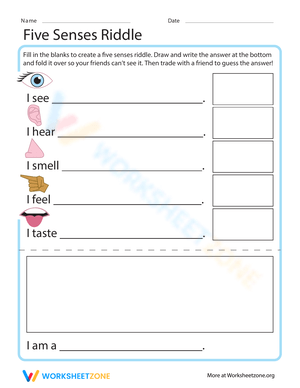
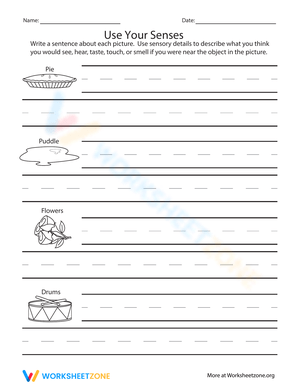
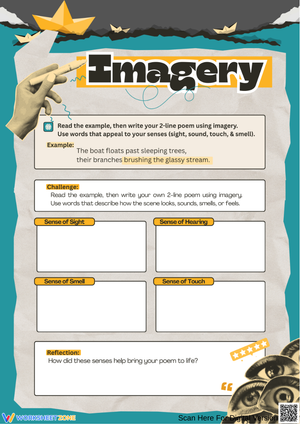
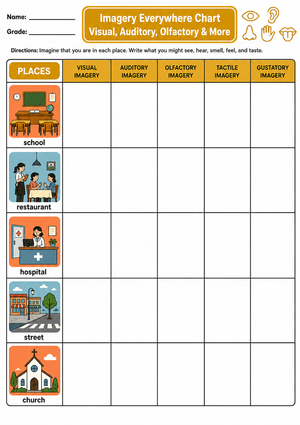
Sensory words are descriptive terms that specifically appeal to the five human senses. When students use sensory language, they rely on sight, sound, smell, taste, and touch to create vivid imagery. They are used in writing to create vivid imagery, helping readers experience a scene rather than just reading about it. Instead of merely stating facts, a student writer can paint a rich picture that allows the audience to mentally step into the narrative and feel the environment.
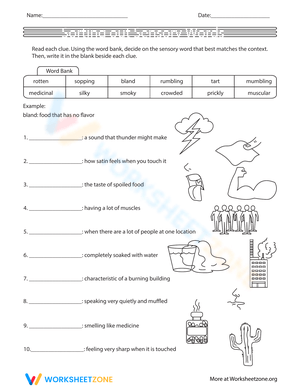
Teachers often struggle to get students to move beyond basic descriptions. A sensory words worksheets gives teachers ready-to-use materials to teach and practice these descriptive words in a structured format. By practicing with targeted exercises, learners begin to understand the difference between telling a reader what happened and showing them exactly what it felt like to be there, bridging the gap between passive reporting and active storytelling.
These descriptive terms transform bland sentences into immersive experiences. For example, rather than writing that a day was hot, a student might describe the scorching pavement and the sweltering heat radiating from the sidewalk. Using sensory language builds a stronger connection between the text and the reader, leading to enhanced creative writing skills.
The Five Senses: Sight, Sound, Smell, Taste, and Touch
When teaching this writing concept, it is helpful to categorize words by the specific sense they engage. Sight words help readers visualize the scene in high definition. Examples include words like gleaming, dazzling, shadowy, or murky. When a student describes a gleaming sword or a shadowy corner, the reader's mind immediately paints a clear picture of the setting, making the environment feel tangible.
Sound words bring an auditory life to the text, allowing the scene to resonate. Words such as thundering, whispering, echoing, or rustling let the audience hear the environment. A thundering waterfall creates a much more powerful impact than simply saying the rushing water was loud. Teaching students to integrate sound words can dramatically improve the mood of their stories.
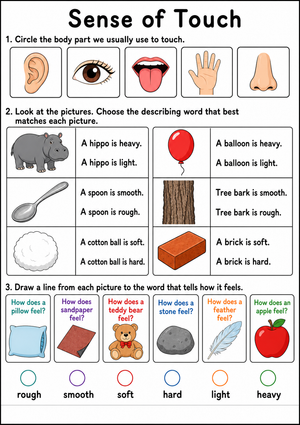
Smell and taste are often closely linked in descriptive writing. Fragrant, pungent, or musty appeal to the olfactory senses, while savory, bitter, sweet, or tart describe taste profiles. Describing a savory bowl of stew or the fragrant scent of blooming flowers pulls the reader deeper into the sensory experience. Finally, touch words like gritty, smooth, or prickly ground the reader in the physical sensations of the narrative.
How Sensory Language Transforms Bland Writing
According to Enchanting Marketing's guide on Sensory Language in Writing, using the five senses to create powerful descriptions helps readers physically experience the text and connect with the material (Enchanting Marketing, Sensory Language in Writing: How to Use the 5 Senses to Create Powerful Descriptions). This physical connection is what makes storytelling memorable and engaging.
One of the primary benefits of using sensory words worksheets is rapid vocabulary expansion. Many students instinctively rely on the same few adjectives for every writing assignment. A targeted worksheet encourages them to explore a much wider variety of descriptive terms. By providing structured practice, learners can build a more diverse vocabulary that they can confidently draw upon in future writing tasks.
Furthermore, reading comprehension naturally improves as students become more familiar with sensory details. When they encounter rich descriptions in published literature, they are better equipped to understand the nuances of the text. They learn to visualize the author's precise intent, leading to a much deeper appreciation of the story and better cognitive development overall.
When students learn to actively apply sensory details, they fundamentally shift from being passive reporters to active storytellers. This transition is highly evident when examining their sentence structure before and after targeted instruction. A simple sentence like "the dog barked" evolves into "the enormous hound let out a thundering growl that echoed through the empty street." This evolution highlights a significant leap in cognitive processing and linguistic control.
Engaging Activities to Teach Sensory Details in Writing
According to Alyssa Teaches, using engaging activities to teach sensory details in writing can make the vocabulary learning process highly interactive and memorable (Alyssa Teaches, Engaging Activities to Teach Sensory Details in Writing). One popular method is the Mystery Bag activity. Teachers place various textured items inside opaque paper bags and ask students to reach inside without looking. They then brainstorm precise words like gritty, slimy, or fuzzy to describe exactly what they feel.
Another highly effective classroom strategy is the Popcorn Lesson. Teachers pop fresh popcorn right in the classroom, explicitly encouraging students to describe the sound of the kernels popping, the buttery smell filling the room, the crunchy texture, and the savory taste. This multi-sensory, shared experience provides immediate, real-world context for the vocabulary they are learning.
Sensory Scavenger Hunts also work exceptionally well for active learners. Students take their sensory words worksheets outdoors or around the classroom to find physical items that perfectly match specific descriptive categories. They might be tasked with finding something that looks gleaming, feels prickly, or smells fragrant. This active learning approach reinforces the connection between written vocabulary and the physical world.
Classroom Implementation
Integrating these descriptive resources into the daily curriculum requires a thoughtful approach. Teachers can start by using a "Show, Don't Tell" anchor chart created collaboratively with the class. This visual aid remains permanently on the classroom wall, providing accessible reminders of how to upgrade simple sentences. When students are stuck during drafting, they can independently reference the chart for immediate inspiration.
During independent writing time, a sensory words worksheets serves as an excellent reference tool. Teachers can distribute the worksheets as part of a dedicated revision station. Before submitting a final draft, students must successfully highlight at least one sensory word for each of the five senses directly in their work. This checklist mentality ensures they actively apply the new vocabulary.
For targeted small-group intervention, teachers can effectively use sensory poetry analysis. By examining short poems that rely heavily on descriptive language, struggling students can identify exactly how the author used specific words to create distinct imagery. This guided practice helps developing writers see the mechanics of sensory language in action before attempting to use these techniques in their own compositions.
The Benefits of Using Sensory Words worksheets
Ready-to-use teaching materials are absolutely essential for busy teachers. A sensory words worksheets provides structured, age-appropriate exercises that can be deployed immediately. Whether used for independent morning work, structured homework assignments, or collaborative center activities, these printables offer consistent practice opportunities without requiring hours of tedious teacher preparation or curriculum design.
Homeschooling parents also find these specific educational resources incredibly valuable for their lesson plans. The structured format of a well-designed worksheet provides clear directions and easily measurable outcomes. Parents can guide their children through the exercises, ensuring they firmly grasp the concept of descriptive writing even if the parent is not a formally trained writing instructor.
Ultimately, the primary goal is to significantly enhance creative writing skills across all grade levels. By consistently practicing with these worksheets, students develop a natural habit of incorporating sensory details into all of their academic work. Over time, the reliance on worksheets diminishes as the expansive vocabulary becomes an ingrained part of their writing repertoire, leading to consistently higher quality compositions.
Frequently Asked Questions
1. What are sensory words and why are they important in writing?
Sensory words are descriptive terms that directly appeal to the five senses: sight, sound, smell, taste, and touch. They are important because they create vivid imagery, allowing readers to emotionally experience a scene rather than just reading dry facts, which transforms bland sentences into truly immersive experiences.
2. How can I teach sensory words effectively to students using worksheets?
According to Education.com, teaching the five senses involves continuous practical application (Education.com, Teaching the Five Senses). You can teach them effectively by using worksheets as part of interactive classroom activities like Sensory Scavenger Hunts or the Popcorn Lesson, effectively bridging the gap between vocabulary and real-world observation.
3. What are some common examples of sensory words for each of the five senses?
Common examples include gleaming for sight, thundering for sound, fragrant for smell, savory for taste, and gritty for touch. These specific words help students clarify their descriptions, moving away from general adjectives to precise sensory language that paints a clear picture for the audience.
4. How do sensory words help improve writing and reading comprehension?
According to Study.com, using sensory details in writing helps students clearly visualize the author's intent (Study.com, Using Sensory Details in Writing). This mental visualization improves reading comprehension while simultaneous vocabulary expansion provides students with the linguistic tools to construct more complex narratives in their own creative writing.
5. Where can I find a high-quality sensory words worksheets?
According to Goally, understanding exactly what sensory words are is an important first step in the writing process (Goally, What are Sensory Words?). You can find high-quality, ready-to-use printable resources designed for teachers, parents, and teachers right here, providing structured practice for enhancing descriptive writing skills.












 Interactive Worksheet Maker
 Quiz Maker
 Word Search Maker
 Crossword Puzzle Maker
 Word Scramble Generator
 Sentence Scramble Generator
 Handwriting Worksheet Generator
 Name Tracing Generator
 Fill In The Blank Generator