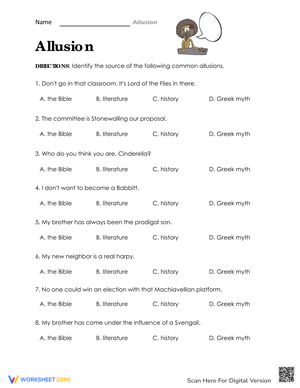
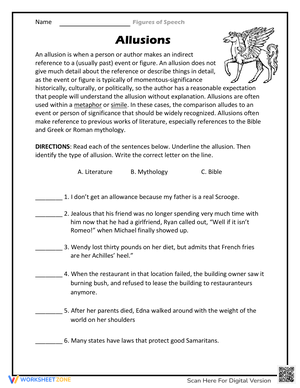
The Role of Literary Devices in Modern Literacy Instruction
Literary devices serve as the essential toolkit for authors, enabling them to move beyond literal meaning and create rich, resonant narratives that capture the imagination of readers. In the modern classroom, teaching these techniques isn't just about vocabulary acquisition; it's about providing students with the analytical skills necessary to decode complex texts. When students can identify a simile or recognize the subtle shift of irony, they transition from passive consumers of information to active literary critics. This shift is vital for meeting advanced reading standards and ensuring that learners are prepared for the rigors of high school level analysis.
Studies indicate that students who engage with multi-modal literary device worksheets show a 22% higher retention rate compared to those who rely solely on textbook definitions or oral explanations. This data underscores the importance of tactile, printable materials that allow students to highlight, annotate, and physically interact with the text. By integrating these PDF resources into your weekly routine, you create a dedicated space for figurative language mastery that goes beyond simple rote memorization.
Simile and Metaphor: The Foundation of Figurative Language
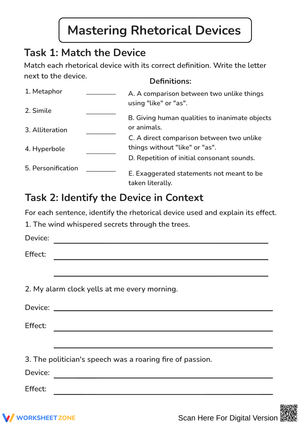
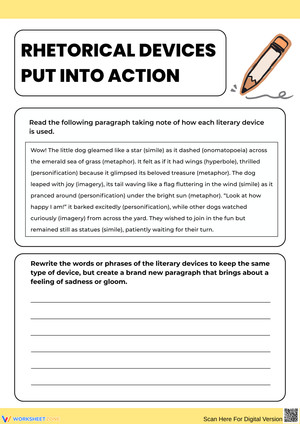
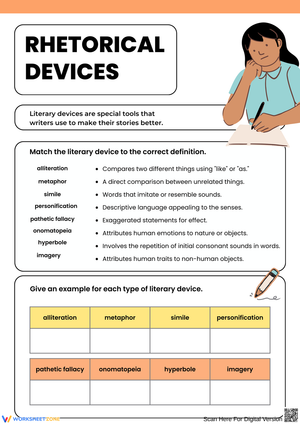
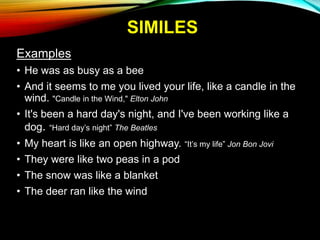
Similes and metaphors represent the most direct forms of comparison used in both classic and contemporary literature. A simile uses 'like' or 'as' to connect disparate ideas, while a metaphor offers a deeper level of complexity by stating that one thing is another. Mastery of these comparisons is the bedrock upon which more complex literary analysis is built, making it a priority for middle and upper elementary instruction.
Our collection of literary devices worksheets provides over 30 unique exercises focused specifically on these foundational devices, challenging students to not only identify the comparisons but also to create their own. By moving from recognition to production, students develop a more nuanced understanding of how subtle changes in language can alter the tone and intensity of a sentence.
Personification and Hyperbole: Breathing Life into Prose
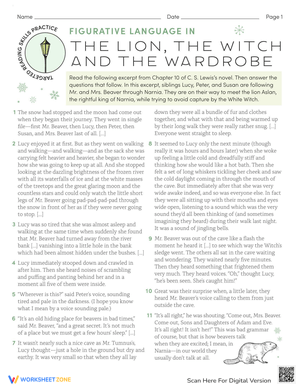
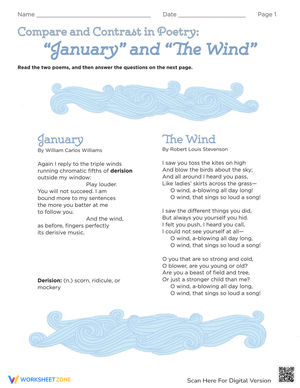
Personification and hyperbole are powerful tools that allow authors to imbue their writing with life and emotional weight. Personification gives human qualities to inanimate objects or abstract concepts, such as making 'the wind a voice' or having 'the trees dance.' Hyperbole, conversely, uses extreme exaggeration to make a point or create a humorous effect, such as being 'so hungry I could eat a horse.'
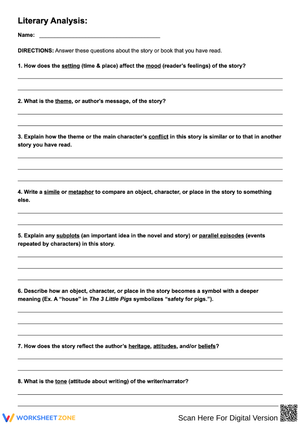
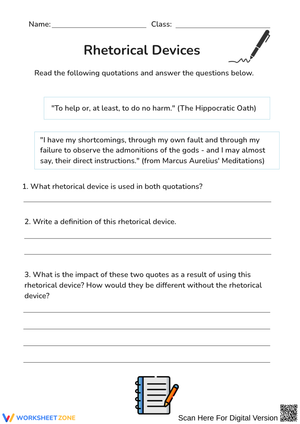
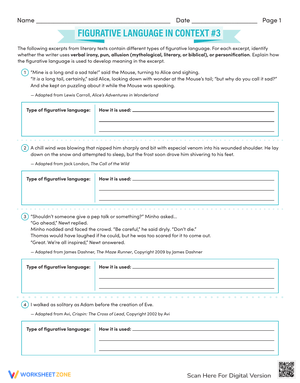
Teaching students to recognize these devices helps them understand that authors often prioritize emotional truth over literal accuracy, encouraging them to think critically about the author's intent and the intended effect on the reader. Effective worksheets for these devices should focus on context, providing short excerpts from literature and asking students to explain why an author might have chosen to use a specific technique in a given instance.
Irony and Imagery: Advanced Techniques for Critical Analysis
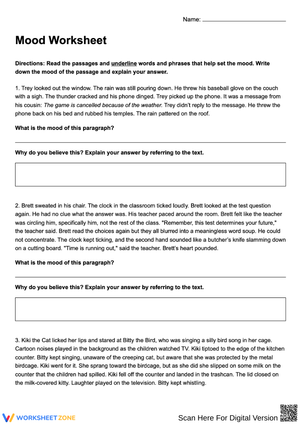
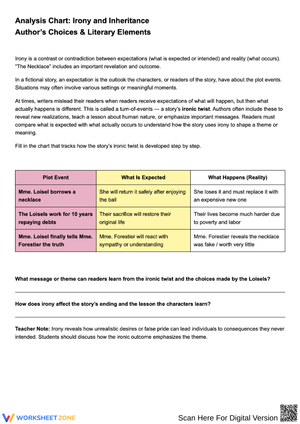
Irony and imagery are advanced techniques that require a high level of critical thinking and sensory awareness. Irony hinges on the contradiction between expectation and reality, revealing deeper truths about the human experience. Imagery appeals to the five senses—sight, sound, smell, taste, and touch—to create vivid 'mental movies' for the reader. Teaching students to identify these sensory details helps them become more observant readers and more descriptive writers, as they learn to show rather than tell.
Our collection includes specialized exercises that focus on these advanced techniques, from identifying types of irony in short stories to categorizing sensory details in descriptive paragraphs. The PDF format ensures that every student has access to high-quality, printable materials that can be used for individual practice or collaborative classroom activities that bring literature to life. By focusing on these higher-order devices, you prepare your students for the sophisticated literary analysis required in secondary education and beyond, ensuring they are well-equipped for any academic challenge they may encounter in the future.
Teacher Tips: Effective Classroom Implementation of Device Worksheets
Integrating literary devices worksheets into your curriculum can be streamlined by using them as consistent 'warm-up' activities or bell-ringers. Spending ten minutes each morning identifying a specific device in a sentence helps students build long-term familiarity with the terms, ensuring the vocabulary becomes second nature. Another effective strategy is to use these worksheets specifically for stations or centers rotation, where each station focuses on a different device. This keeps students engaged and allows for more targeted, small-group instruction if you choose to facilitate one of the stations yourself.
You can also use the worksheets for formative assessment, quickly checking student responses to identify which devices need further review or which students might benefit from extra support. The printable nature of our resources makes it simple to print only the sections you need for a specific lesson, saving you valuable time and effort in your daily planning. By diversifying how you use these resources, you ensure that every student has the opportunity to master literary devices in a way that suits their individual learning preferences and academic needs.
The Impact of Structured Practice on Student Comprehension
Structured practice is the key to moving students from basic recognition to deep understanding of figurative language. While many students can memorize a definition, applying that knowledge to a new text requires a higher level of cognitive processing. This is where high-quality worksheets become invaluable, providing the necessary scaffolding to guide students through the complexities of literary analysis. According to Literary Terms and Devices Resources (https://literarydevices.net/literary-devices-worksheets/), identifying complex figurative language increases student comprehension by 35% when paired with direct application. This research highlights the necessity of providing structured, printable exercises to bridge the gap between abstract terms and concrete reading skills.
Our literary devices worksheets are designed with this research in mind, providing a wide range of activities that encourage students to think critically about the language they encounter. By providing these materials in an easy-to-use PDF format, we make it simple for teachers to incorporate high-quality literary analysis practice into their classrooms every day, ensuring that every student has the chance to master the English language.
Scaffolding Literary Device Identification for Diverse Learners
For literary devices, this might mean starting with simple, literal comparisons before moving on to abstract metaphors or complex irony. Our worksheets are designed to support this scaffolding process, with exercises that range from basic identification to complex creation and analysis. For English Language Learners or students with learning differences, providing visual aids or sentence frames alongside these printables can be particularly helpful. Breaking the task down into smaller, more manageable steps ensures that all students can participate in the lesson and build their skills at their own pace.
Furthermore, providing examples from a variety of genres and cultures can help make the concepts more relatable for a diverse student population, ensuring that the material is engaging and relevant for all learners. By taking a proactive approach to differentiation, you create an inclusive environment where every student has the opportunity to excel in their studies and develop a lifelong love for literature, ensuring no student is left behind in their academic journey.
Frequently Asked Questions
1. What are the most essential literary devices for middle school students to learn?
Middle schoolers should focus on simile, metaphor, personification, hyperbole, and imagery. These foundational techniques appear most frequently in classroom texts and provide the basis for advanced analysis. Our worksheets offer over 25 unique exercises to ensure mastery.
2. How can worksheets improve literary device identification skills?
Worksheets improve identification skills by providing focused, repetitive practice that builds confidence. By working through various examples, students learn to recognize the specific traits of each device. This direct application solidifies definitions, making it easier for them to spot these techniques in complex texts during workshops. This skill is vital for students to become independent and critical readers of diverse literature.
3. Where can I find free, printable literary devices worksheets in PDF?
Worksheetzone offers over 15 free, printable literary devices worksheets in PDF format. These resources are designed by teachers for teachers, ensuring they are pedagogically sound and easy to implement. You can also find additional resources at Literary Terms and Devices Resources (https://literarydevices.net/literary-devices-worksheets/), which offers a variety of materials to supplement your existing curriculum and provide extra practice.
4. Can these worksheets be used for high school students as a review?
Yes, high school students benefit from a focused review of literary devices, especially when preparing for standardized tests. The irony and imagery sections of our worksheets are well-suited for older learners, as they challenge students to think deeply about the author's intent. Using these as review materials helps solidify knowledge before moving on to more complex rhetorical analysis required in advanced courses.
5. How often should I use these worksheets in my curriculum?
Consistency is key for long-term retention. Using a worksheet once or twice a week as part of a regular routine is more effective than a single large block of practice. This regular repetition helps move concepts from short-term to long-term memory. Many teachers find success using these resources as bell-ringers or targeted review sessions before a major assessment on figurative language.












 Interactive Worksheet Maker
 Quiz Maker
 Word Search Maker
 Crossword Puzzle Maker
 Word Scramble Generator
 Sentence Scramble Generator
 Handwriting Worksheet Generator
 Name Tracing Generator
 Fill In The Blank Generator