Understanding the Difference Between Homophones and Homographs
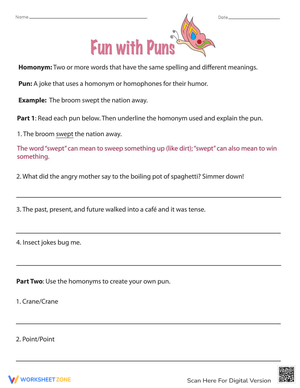
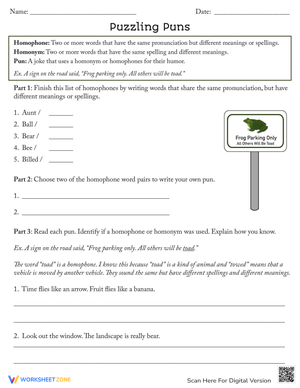
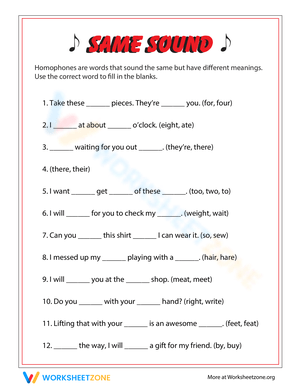
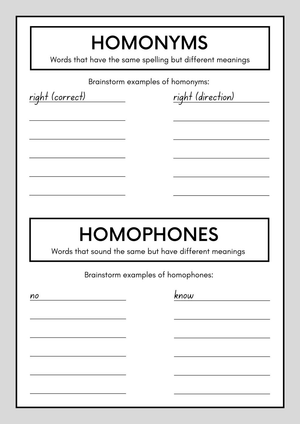
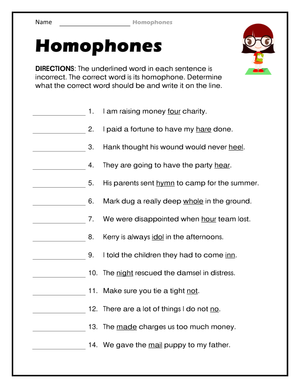
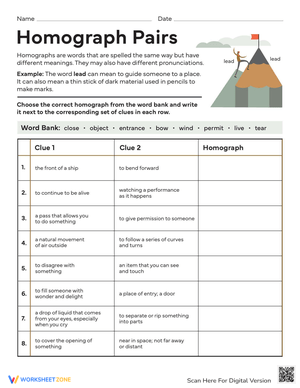
Distinguishing between homophones and homographs is a fundamental step in developing strong language and vocabulary skills. Homophones are words that sound identical when spoken but have distinct meanings and often different spellings. Common examples include 'to,' 'too,' and 'two.' In contrast, homographs are words that share the same spelling but have different meanings and sometimes different pronunciations, such as 'bat.' Understanding these distinctions is a practical necessity for clear communication in the classroom.
For many students, these linguistic categories can be confusing because they involve words that share either the same sound or the same spelling. Teachers often encounter students who struggle with these concepts because English is a language filled with irregularities. By using targeted homophones and homographs worksheets in PDF format, teachers can provide the structured practice necessary for students to internalize these rules. These resources allow students to see the words in various contexts, helping them to associate the correct spelling and meaning with each specific usage.
Why Homophones and Homographs are Essential for Vocabulary Development
Vocabulary development involves understanding the nuances and relationships between words. Homophones and homographs represent a significant portion of the challenges students face as they expand their lexicons. Mastery of these words is a key indicator of reading fluency and writing proficiency. When a student can accurately differentiate between 'principle' and 'principal,' they are demonstrating a high level of linguistic awareness that supports more advanced literacy skills.
In many educational settings, vocabulary instruction is integrated into broader literacy programs. For students in K-8, these words often appear in high-frequency word lists. Failure to master them can lead to persistent errors in writing and misunderstandings in reading. By providing focused instruction on these pairs, teachers can help students avoid common pitfalls and build confidence. The use of printable worksheets allows for both in-class instruction and at-home reinforcement, ensuring that students have multiple opportunities to engage with the material.
Common Pitfalls in Learning Confusing Words
One of the most significant challenges in teaching these words is the sheer volume of examples in the English language. Students can easily become overwhelmed if they are presented with too many examples at once. A more effective strategy is to introduce these words in small, manageable groups, focusing on the most common and confusing ones first. Using worksheets that focus specifically on these high-frequency errors can provide the targeted practice that many students need to achieve mastery.
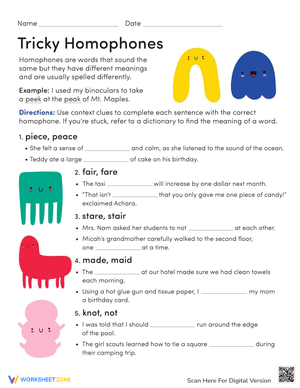
Another common pitfall is the lack of context during instruction. If students are only asked to memorize lists of words and their definitions, they may struggle to apply that knowledge in real-world situations. Context is essential for determining the meaning of both homophones and homographs. For homophones, the surrounding words provide the clues needed to choose the correct spelling. Effective instruction must emphasize the role of the sentence and the paragraph in clarifying word meaning and supporting student comprehension.
Using Sentence Context to Differentiate Meanings
The ability to use sentence context is perhaps the most important skill for navigating the world of homophones and homographs. Context refers to the words and phrases that surround a particular word and help to clarify its meaning. For teachers, teaching students how to look for these clues is a central part of vocabulary instruction. When a student encounters a homograph like 'wind,' they must look at the rest of the sentence to know if it refers to moving air or the act of turning a key.
As Merriam-Webster explains in their guide, 'Homophones, Homographs, and Homonyms: What’s the Difference?', the distinction often hinges on how the words are perceived in context. Research into vocabulary acquisition suggests that students require between 12 and 14 meaningful exposures to a new word before it becomes part of their permanent lexicon, particularly for words with multiple meanings like homographs. This highlights the need for consistent, repeated practice through various formats. By providing worksheets that present these words in a variety of sentence structures, teachers can ensure students get the exposure they need.
Classroom Implementation Strategies
Integrating the study of homophones and homographs into the daily classroom routine can be done in several engaging ways. One effective strategy is the use of 'word of the day' activities. Each morning, a teacher can introduce a new set of homophones or a single homograph with multiple meanings. Students can then spend a few minutes writing their own sentences or drawing pictures to illustrate the different meanings. This consistent practice helps to build familiarity and confidence over time, especially when supplemented with PDF worksheets.
Another approach is to incorporate these words into reading and writing workshops. During independent reading time, students can be encouraged to keep a log of any homophones or homographs they encounter. In writing workshop, teachers can hold mini-lessons on common errors, using student work as a starting point for peer editing. By making these words a visible and discussed part of the literacy environment, teachers can demystify them and reduce the anxiety that some students feel when they encounter them in complex texts.
Teacher Tips: Maximizing PDF Resources
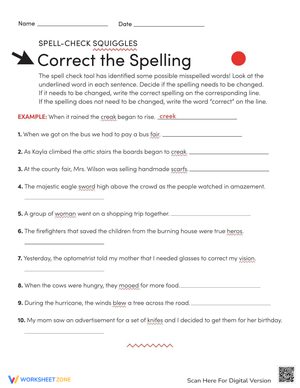
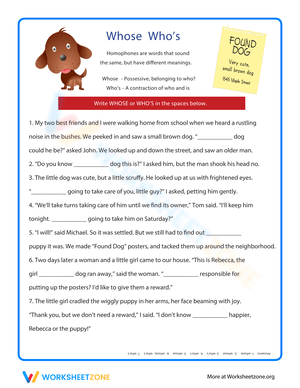
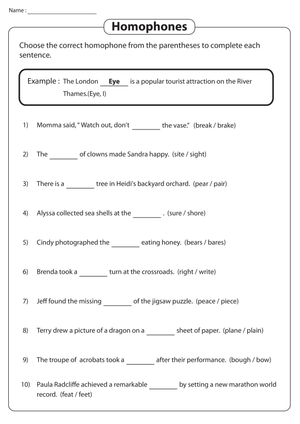
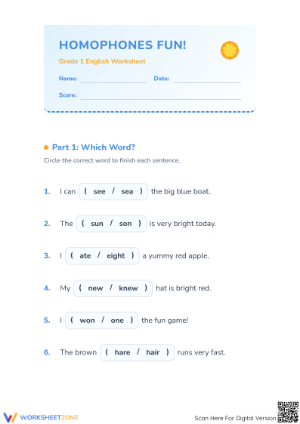
When using homophones and homographs worksheets in PDF, consider the level of your students and choose resources that are appropriate for their current skills. For younger students, worksheets with simple sentences and clear visuals are most effective. For older students, you might choose resources that require more complex analysis, such as identifying homographs in a longer passage. Providing a variety of difficulty levels allows you to differentiate instruction and meet the needs of every learner in your classroom.
Integrating Worksheets into Your Lesson Plans
Planning a comprehensive lesson involves several key steps, and PDF worksheets can play a vital role at each stage. Start with a direct instruction phase where you introduce the definitions and provide clear examples. This is a great time to use a simple mnemonic or a visual aid to help students remember the difference between the two categories. Once the initial concept is clear, move into a guided practice phase where you work through a few examples together as a class before letting students try the rest on their own.
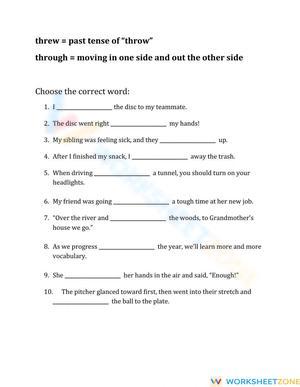
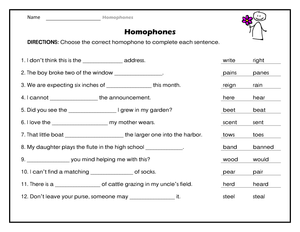
Following guided practice, provide opportunities for independent practice where students can apply what they have learned. Look for resources that offer a variety of task types, such as multiple-choice questions and fill-in-the-blank sentences. This variety keeps students engaged and ensures they are being challenged in different ways. By integrating PDF worksheets into a well-structured lesson plan, you can provide your students with a comprehensive and effective learning experience that builds their linguistic proficiency and confidence.
Frequently Asked Questions
1. What is the simplest way to explain homophones vs. homographs?
The simplest way to explain the difference is to focus on the meanings of the prefixes. Homophones share the same sound ('phone' means sound), while homographs share the same spelling or writing ('graph' means writing). Using clear examples like 'to/too/two' for homophones and 'bat' for homographs can help to illustrate the concept. It is also helpful to remind students that both categories involve words with different meanings, requiring context for clarity.
2. Can a word be both a homophone and a homograph?
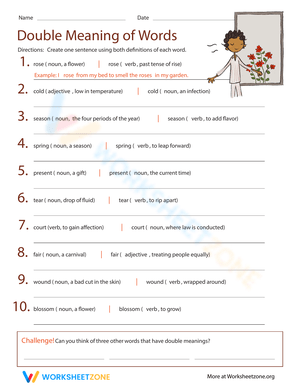
Yes, it is possible for a word to fall into both categories. These words are often referred to as homonyms in the strictest sense. A classic example is the word 'rose.' It can be a homograph (the past tense of 'rise' or a type of flower) and it can also be a homophone (the flower 'rose' sounds the same as 'rows' of a garden). These overlapping categories can be introduced after students have a firm grasp of the basic definitions.
3. What are common examples of homophones for elementary students?
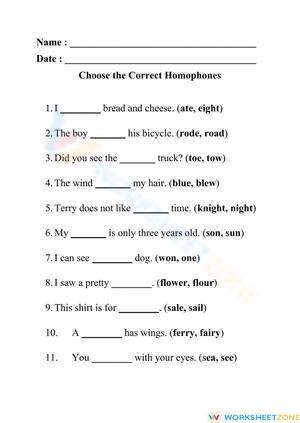
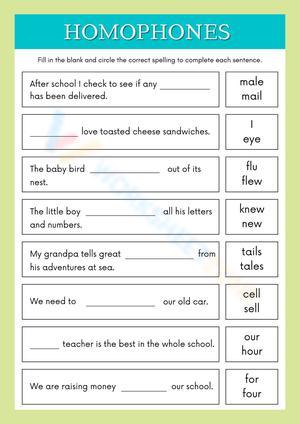
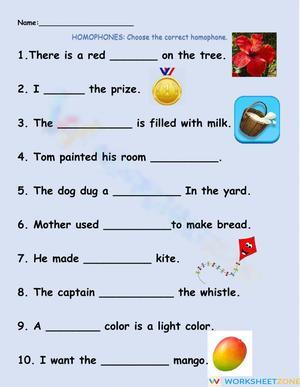
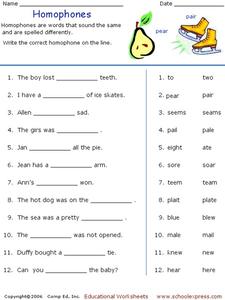
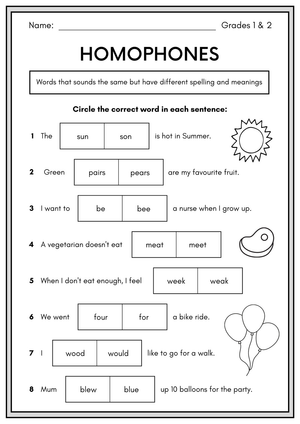
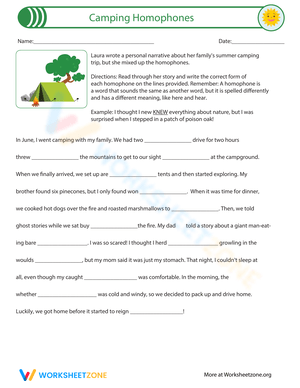
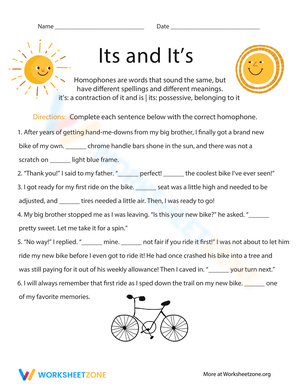
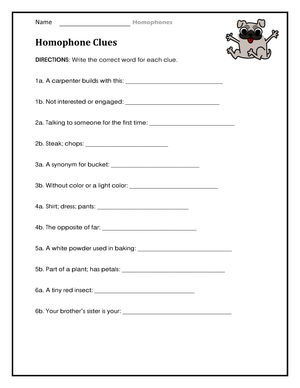
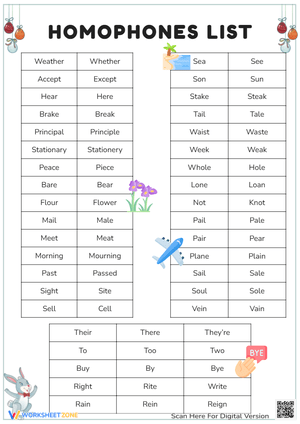
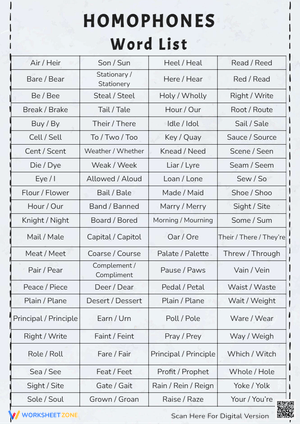
For elementary students, common homophones include high-frequency words like 'to/too/two,' 'their/there/they're,' 'blue/blew,' 'red/read,' 'sun/son,' and 'see/sea.' Focusing on these common errors early in a child's education can prevent persistent spelling mistakes and improve overall writing quality. Using targeted worksheets that focus on these specific pairs is a highly effective way to provide the necessary practice for young learners.
4. Why is sentence context essential when teaching homographs?
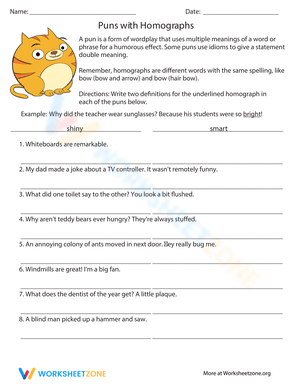
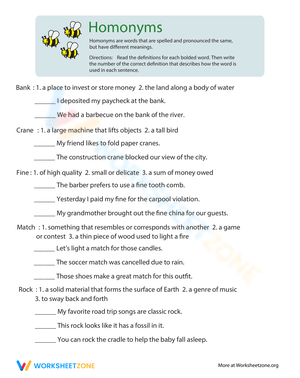
Sentence context is essential for homographs because they are spelled exactly the same way. Without context, it is impossible to know which meaning of the word is intended. For example, the word 'bank' could refer to a financial institution or the side of a river. The surrounding words provide the necessary clues to clarify the meaning. Teaching students to look for these clues is a vital part of developing their reading comprehension and vocabulary skills.
5. How should teachers use these worksheets for small-group instruction?
In a small-group setting, these worksheets can be used for intensive and targeted practice. Teachers can select specific worksheets that address the particular challenges of the group, such as focusing on a specific set of homophones. This allows for more individualized attention and immediate feedback. Teachers can also use the worksheets as a springboard for discussion, asking students to explain their reasoning or to come up with their own examples of confusing word pairs.












 Interactive Worksheet Maker
 Quiz Maker
 Word Search Maker
 Crossword Puzzle Maker
 Word Scramble Generator
 Sentence Scramble Generator
 Handwriting Worksheet Generator
 Name Tracing Generator
 Fill In The Blank Generator