Why Emotions Worksheets Belong in Your SEL Lessons?
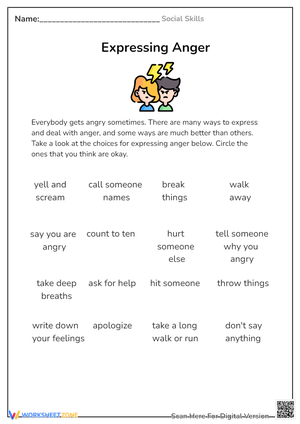
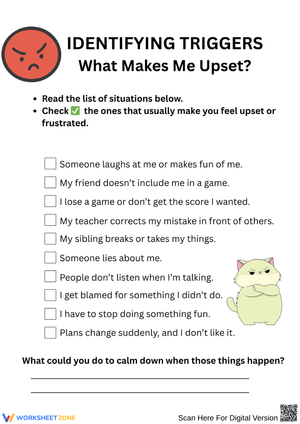
If you searched for emotions worksheets, you are probably prepping a morning meeting slide, a counseling check-in, or a small-group intervention folder and need something ready to print today. Emotion identification is the entry point for almost every social-emotional learning routine in a K-5 classroom, and a well-designed worksheet gives students a concrete way to name what they feel before they are asked to talk about it, write about it, or regulate it.
Teachers use emotions worksheets across very different settings: a kindergarten teacher might use a simple face-matching page during a morning meeting, while a fourth-grade teacher might use a vocabulary-building worksheet to help students distinguish frustrated from disappointed. Both are doing the same underlying work, which is building the emotional vocabulary that CASEL identifies as foundational to self-awareness, self-management, social awareness, relationship skills, and responsible decision-making.
Differentiating by Grade Band
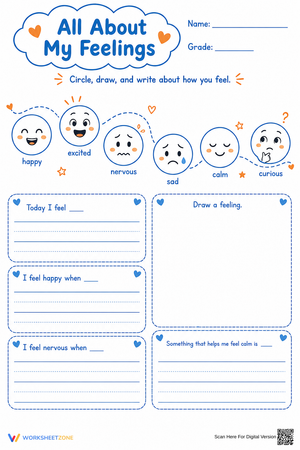
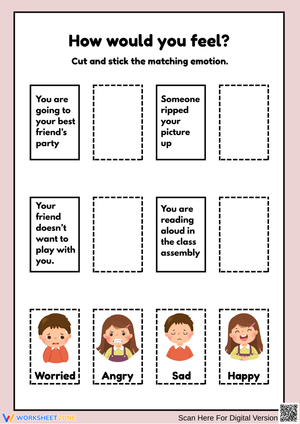
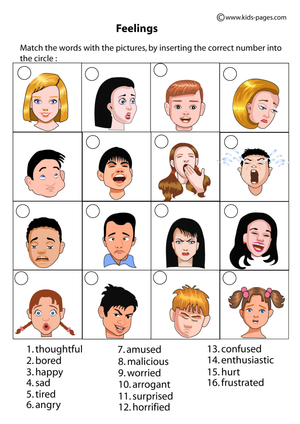
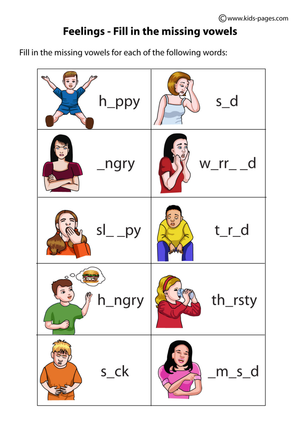
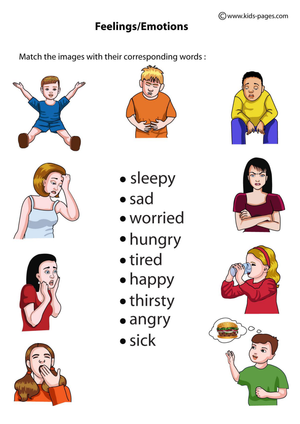
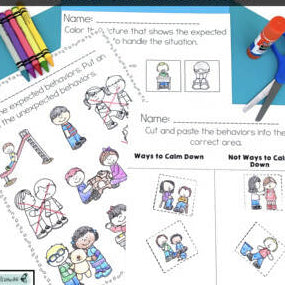
Emotions worksheets should look different depending on the age group. In early elementary grades, worksheets built around basic feelings like happy, sad, mad, and scared, often paired with facial expression matching, give young students an accessible entry point. These worksheets work well in morning meeting routines where students point to or circle the face that matches how they feel that day.
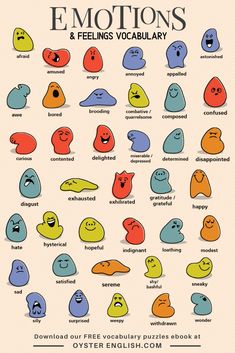
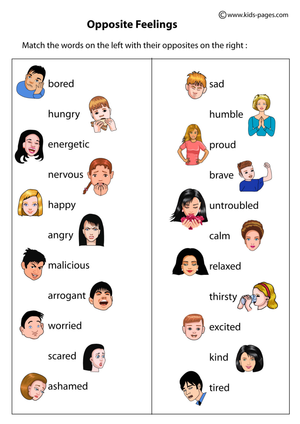
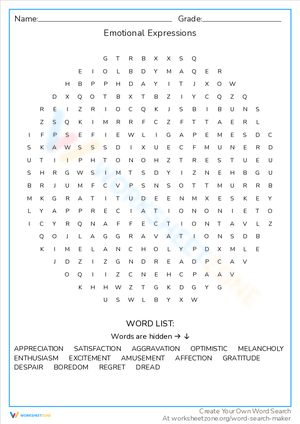
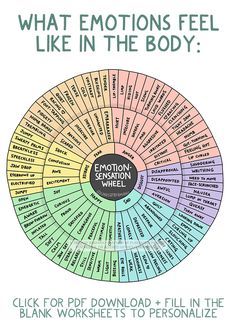
Upper elementary students are ready for more nuanced vocabulary. Worksheets that introduce words like frustrated, proud, disappointed, nervous, and overwhelmed push students beyond basic labeling and into more precise self-expression. This nuance matters for older students who are navigating more complex social situations and need language that matches the complexity of what they are actually feeling.
Classroom Implementation
To get consistent value from emotions worksheets, build them into an existing routine rather than treating them as a standalone task. A few practical starting points:
- Use a simple emotions worksheet as part of a daily or weekly morning meeting check-in so students build the habit of naming a feeling before the school day begins.
- Pair an emotion identification worksheet with a read-aloud or guided reading text to connect feelings vocabulary directly to comprehension work.
- Rotate worksheet difficulty across the week, starting with basic feelings early on and introducing one or two nuanced words later, so vocabulary builds gradually instead of all at once.
- Keep a small stack of emotions worksheets available in a calm-down corner or reflection space so students have an independent tool to process a strong feeling before rejoining a group activity.
- Use completed worksheets as a light formative record over time, noting which students consistently reach for the same one or two emotion words.
Frequently Asked Questions
1. What age or grade level are emotions worksheets best suited for?
Emotions worksheets work across the full K-5 range, but the vocabulary should shift with age. Early elementary students benefit most from worksheets built around basic feelings like happy, sad, and mad, while upper elementary students are ready for more nuanced words like frustrated, proud, or disappointed.
2. How can teachers use emotions worksheets during SEL or advisory time?
Many teachers use a short emotions worksheet as a morning meeting or advisory opener, asking students to identify and briefly explain how they feel that day. This builds a consistent SEL habit without requiring a long block of instructional time.
3. Can emotions worksheets help with reading comprehension skills?
Yes. Research links early emotion vocabulary instruction to stronger reading comprehension, since students rely on feeling words to interpret character motivations and story events. Pairing an emotions worksheet with a read-aloud can reinforce both SEL and literacy goals at the same time.
4. How often should emotions worksheets be used in a classroom routine?
Research on structured programs, including an eight-week intervention across 565 students in 17 elementary schools, suggests that repeated, consistent use over several weeks produces stronger vocabulary and self-regulation gains than a single isolated worksheet.
5. Are emotions worksheets useful for small-group counseling or intervention?
Yes. School counselors and special education staff often use emotions worksheets as a quick formative check-in during small-group sessions, giving students a low-pressure way to identify a feeling before discussing it verbally.












 Interactive Worksheet Maker
 Quiz Maker
 Word Search Maker
 Crossword Puzzle Maker
 Word Scramble Generator
 Sentence Scramble Generator
 Handwriting Worksheet Generator
 Name Tracing Generator
 Fill In The Blank Generator