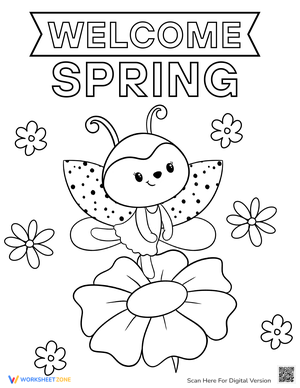
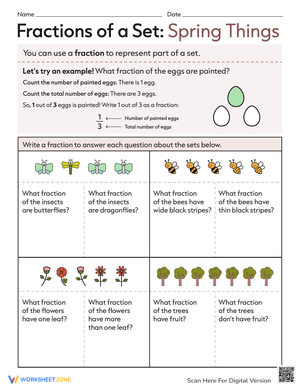
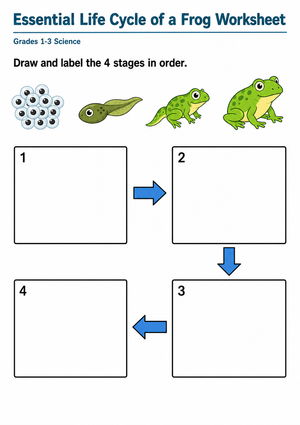
These spring printable worksheets resources give teachers a fast way to refresh routine skill practice without swapping the lesson objective — the seasonal theme rotates, the academic target holds. Pages span reading comprehension, writing prompts, math computation, vocabulary, handwriting, and early learning tasks, all formatted to print single-sided without any cutting, sorting, or binding. Teachers reach for these most during morning work, centers, substitute folders, and the extended independent-practice windows that open up once late-spring testing cycles begin to ease.
Subjects and Skills Across the Set
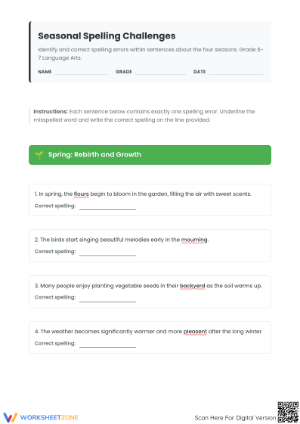
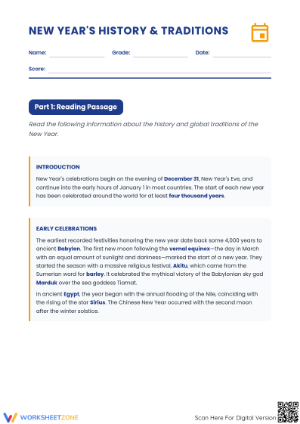
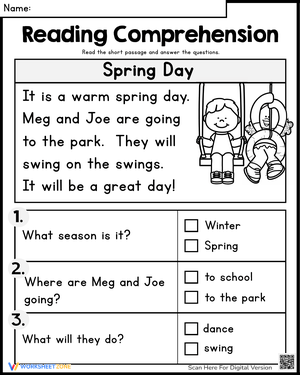
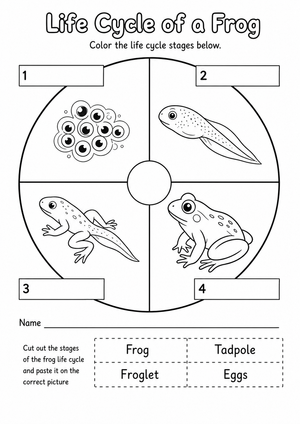
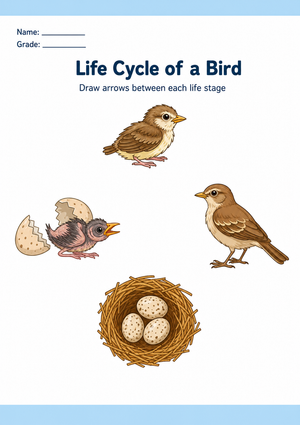
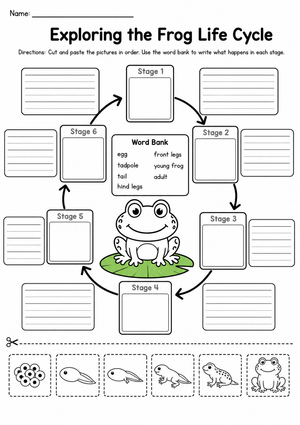
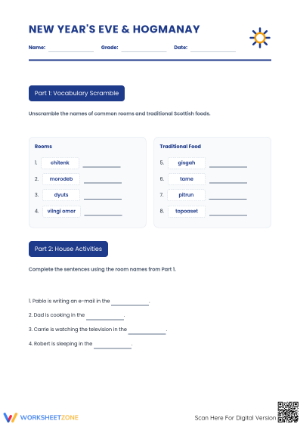
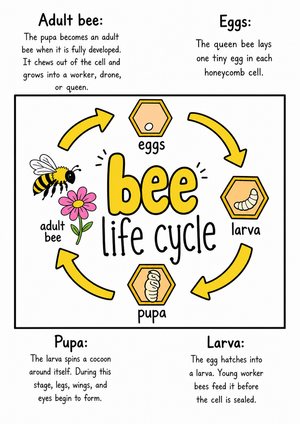
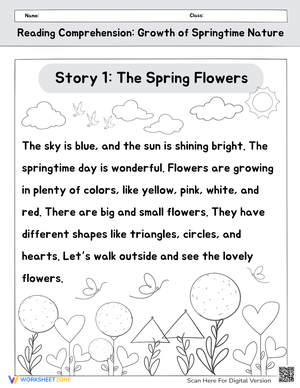
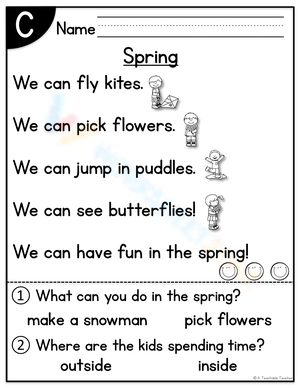
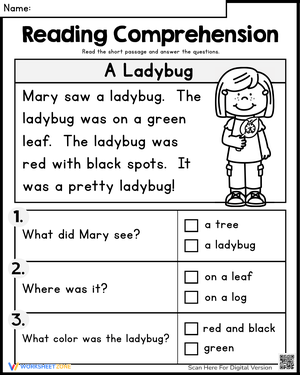
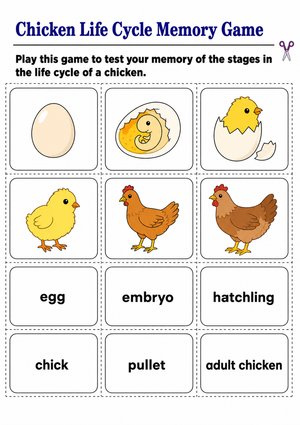
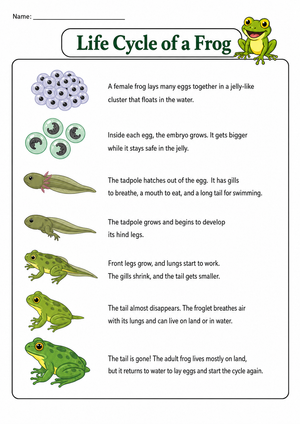
Reading pages include short passages paired with comprehension questions, picture-word matching, and vocabulary work built around terms students encounter in spring science contexts: blossom, nest, caterpillar, seed, pollen. Short nonfiction passages about weather patterns or plant life cycles are particularly useful because they support literacy practice and content knowledge simultaneously — one worksheet handles both without requiring a full lesson pivot into science.
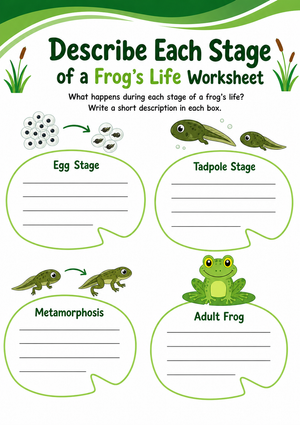
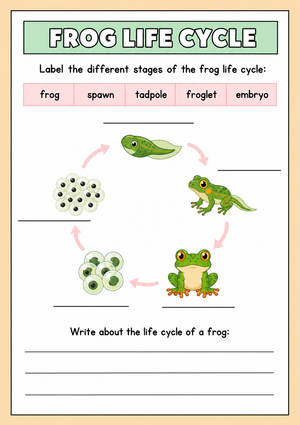
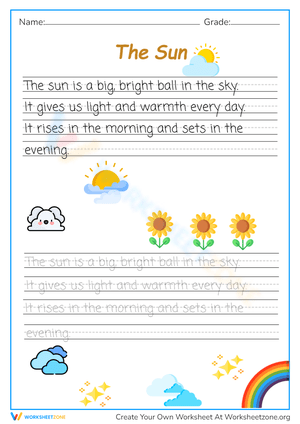
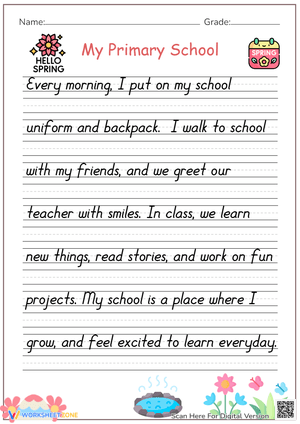
Writing worksheets move from sentence-level tasks to paragraph construction. Students label spring illustrations, edit sentences for capitalization and end punctuation, identify parts of speech in themed sentences, and respond to structured prompts across opinion, descriptive, and narrative modes. For younger students, tracing and handwriting sheets pair fine motor practice with spring vocabulary so neither the penmanship goal nor the word recognition goal gets lost in the page design.
Math pages cover counting, number recognition, addition and subtraction, patterning, graphing, measurement, and seasonal word problems. The spring art gives computation pages a fresh look without inflating cognitive load — students who have already learned an operation need low-distraction layouts that keep attention on accuracy rather than on parsing an unfamiliar problem format.
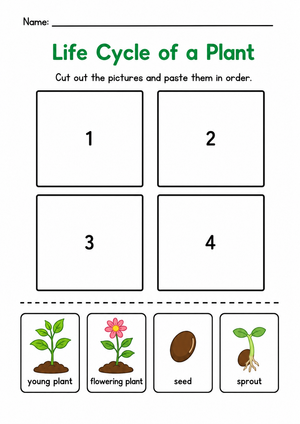
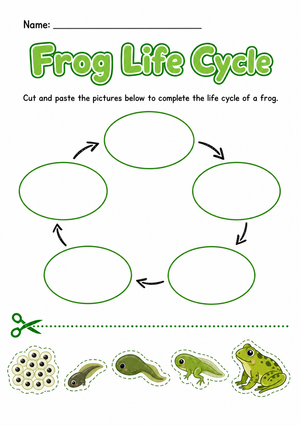
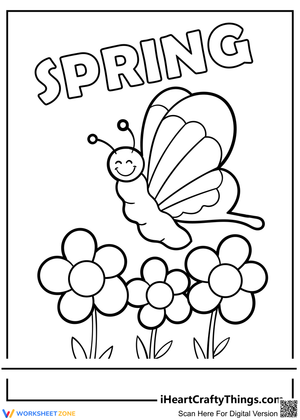
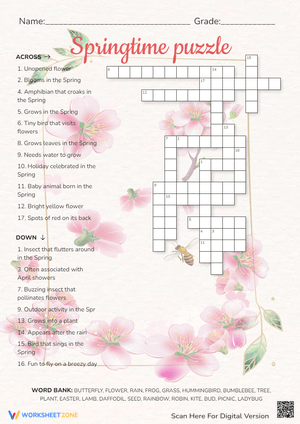
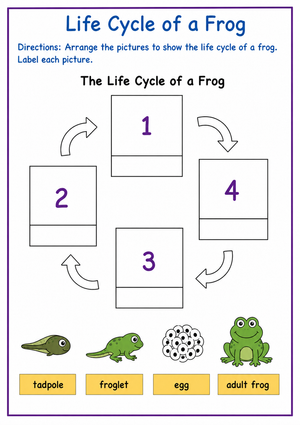
Puzzle and early learning options round out the collection: mazes, color-by-number pages, cut-and-paste sorting, and visual matching tasks. These hold real instructional value during transition blocks and fast-finisher bins in late spring, when assemblies, field days, and schedule interruptions fragment the regular lesson flow and short, self-contained tasks become essential tools.
Working These Worksheets Into Your Lesson Plans Strategically
The most useful sorting system for a collection this broad is organizing by time-to-teach rather than by subject:
- Three-minute fillers: vocabulary matching, handwriting practice, a short row of computation
- Ten-minute independent practice: reading comprehension, grammar editing, graphing tasks, single-operation word problems
- Twenty-minute center work: writing prompts, multi-step math, sorting and labeling activities
In April and May, when a fire drill or visiting speaker collapses a planned block with no warning, knowing immediately which stack you're pulling from saves real instructional time. The same logic helps when you're building a substitute folder — you want a ten-minute page students can launch without explanation, not a twenty-minute task that needs teacher setup before it runs.
A five-day rotation works well with this set: Monday morning work draws from the vocabulary or reading stack, Tuesday centers use a math page, Wednesday independent work gets a writing prompt, Thursday's fast-finisher bin gets a puzzle or coloring page, Friday sends a short review home. Building the spring printable worksheets set into that kind of weekly structure prevents the reactive move of grabbing whatever has a flower on it at 7:45 a.m.
For substitute use, clip a brief handwritten note to any page going into the sub folder — target skill, expected time, independent or partner work. A well-designed page fails when a substitute doesn't know how to launch it. Two lines solves that problem before it starts.
Errors Students Make That These Pages Help You Catch
On vocabulary matching worksheets, students frequently pair by visual association rather than meaning — matching caterpillar to the butterfly image because "they go together," not because they've read the options carefully. This pattern appears most often in students still working to process print before picture. A quick modeling move — reading two options aloud and eliminating one before committing — corrects it faster than a verbal reminder about following directions.
In math word problems with seasonal illustrations, a common move is reading the artwork and ignoring the text: students count objects pictured on the page instead of solving the problem as written. Having students underline the question before they touch any numbers addresses this directly. On graphing pages, watch for students who label axes with seasonal clipart — drawing a tulip where a number belongs because they're copying the page header instead of thinking about scale. That error is worth catching during the launch, not after the review.
Writing prompt pages that invite personal experience sometimes stall students who interpret the open format as requiring one correct answer rather than a genuine one. The hesitation is rarely about ability. A thirty-second oral rehearsal before writing — just talking through the idea with a partner — dissolves most of that freeze without slowing the rest of the class.
Differentiating the Set Across Grade Bands and Ability Levels
In preschool and early primary classrooms, the most effective pages isolate one skill with generous white space and picture support. Tracing worksheets with spring vocabulary and counting pages with embedded ten-frames keep the task within reach for students who need a defined entry point but can move through the page without a teacher beside them the whole time.
For upper elementary students, a spring printable worksheets page earns its place when the academic task carries most of the weight and the seasonal art is incidental. A multi-step word problem, a paragraph revision task, or a reading response requiring text evidence holds instructional value whether the clip art shows flowers or falling leaves. If removing the spring imagery would make the page feel empty rather than simply undecorated, that's a signal the skill demand isn't doing enough work for older learners.
In mixed-level classrooms, run the same spring theme with different task complexity. Give one group a picture-word matching sheet while another group writes original sentences using those same vocabulary words in context. The topic stays consistent; the cognitive demand shifts. That keeps parallel independent work manageable during small-group instruction without requiring five separate theme stacks.
Frequently Asked Questions
What types of spring worksheets work best for centers versus morning work?
Centers need task-based pages with a clear endpoint students can reach without checking in — sorting tasks, graphing pages, structured writing prompts, or multi-step math. Morning work needs shorter, lower-stakes pages students can begin before the room fully settles: vocabulary matching, short computation review, or handwriting practice. The distinction is less about subject and more about how much independent direction a student needs to start the task.
Can these worksheets be used in intervention or special education settings?
Several pages in the set work well for intervention because they isolate a single skill in a clean layout with minimal visual noise. For students who benefit from reduced print density, choosing worksheets with generous spacing and clear item separation makes the task more accessible without changing the academic target. Cut-and-paste sorting pages and tracing worksheets give students a concrete way to demonstrate understanding without requiring extended independent writing.
How should teachers handle answer keys when using these pages across multiple settings?
File keys separately from student copies — standard practice, but easy to skip when you're pulling individual pages from a large seasonal set across several weeks. For any spring printable worksheets page going into a substitute folder, attach the key along with a teacher note listing the target skill and time estimate. Pages used in centers or seat work rarely need formal grading; a class review or student self-check gives the formative read you need without adding to the marking load.












 Interactive Worksheet Maker
 Quiz Maker
 Word Search Maker
 Crossword Puzzle Maker
 Word Scramble Generator
 Sentence Scramble Generator
 Handwriting Worksheet Generator
 Name Tracing Generator
 Fill In The Blank Generator