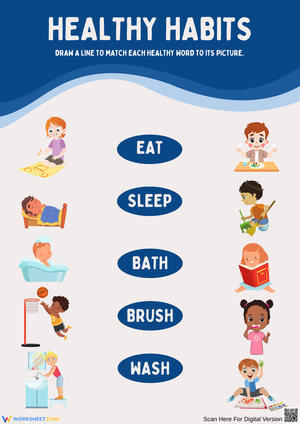
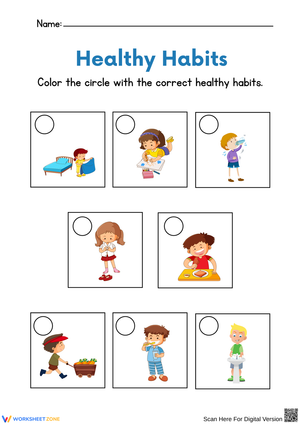
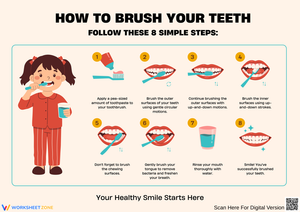
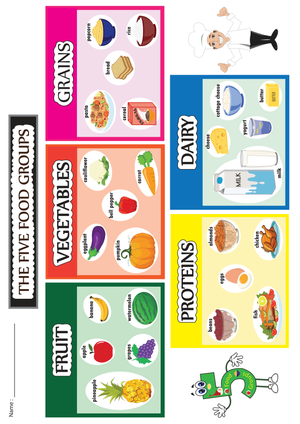
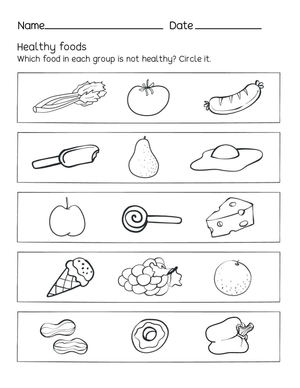
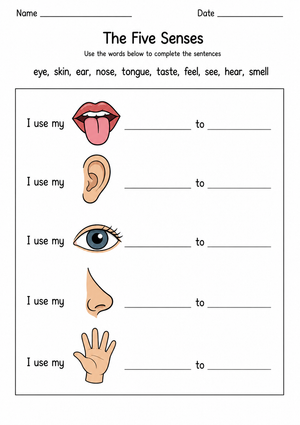
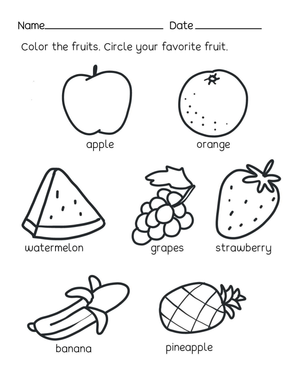
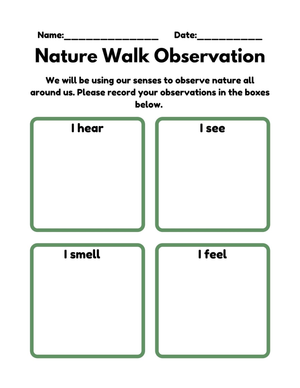
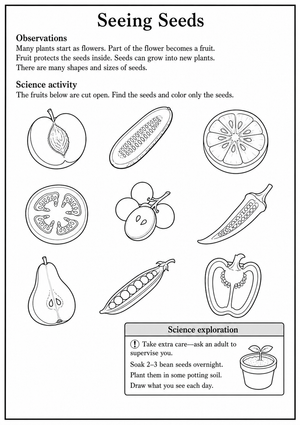
These biology printable worksheets for kindergarten give teachers a concrete entry point into early life science — one that holds up even on days when observation materials, live plants, or outdoor walks aren't an option. The resources focus on concepts kindergarteners can see and touch: living and nonliving things, what plants need to survive, basic animal habitats, body parts, and the five senses. Each worksheet keeps its task brief and its visuals large, which matters when students are still building reading independence and can't rely on text-heavy directions.
The Concepts Students Work Through
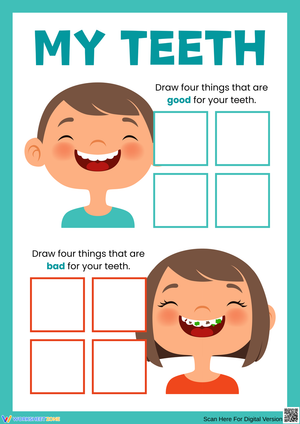
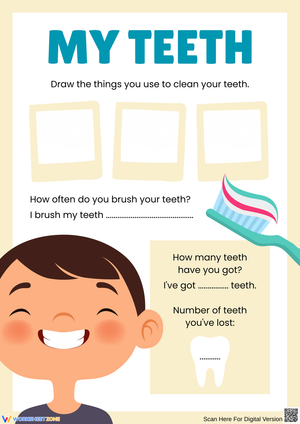
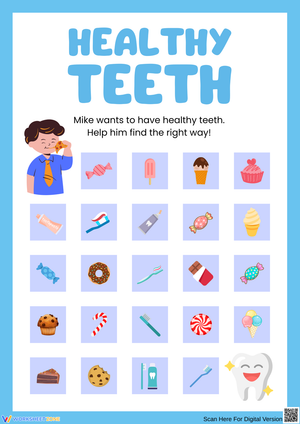
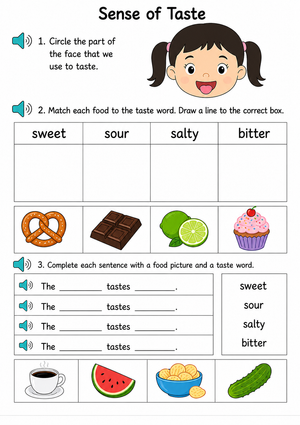
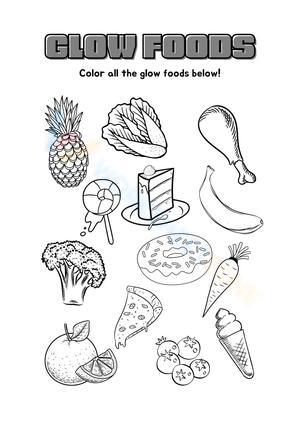
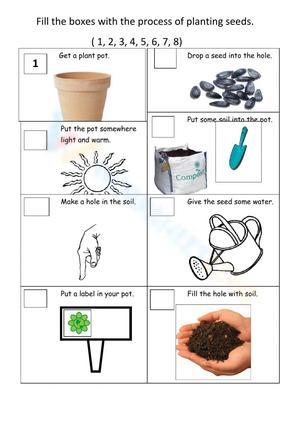
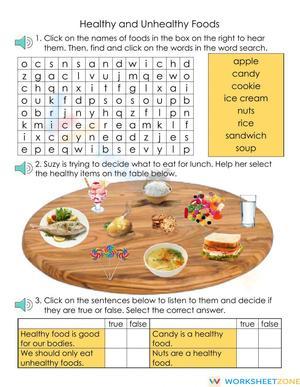
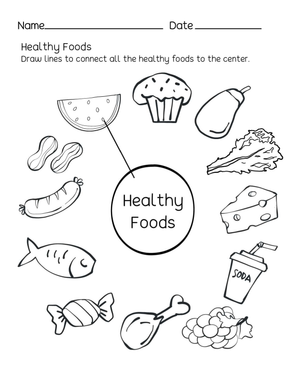
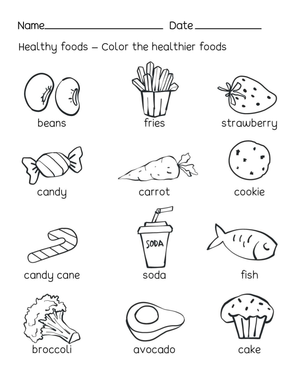
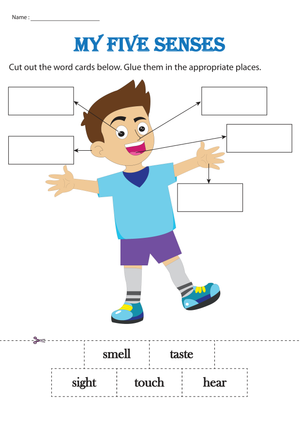
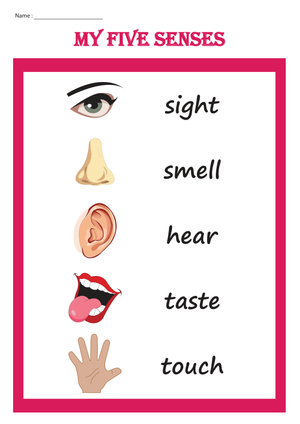
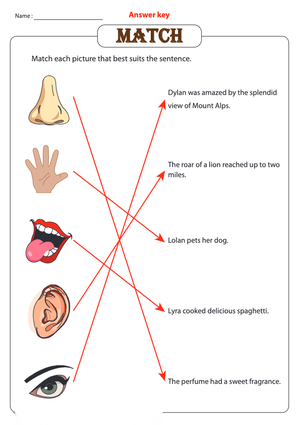
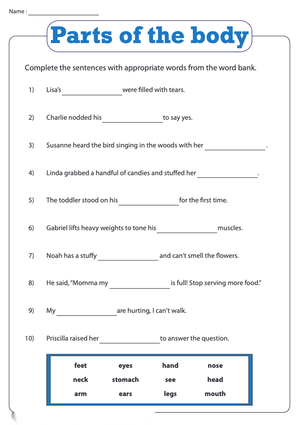
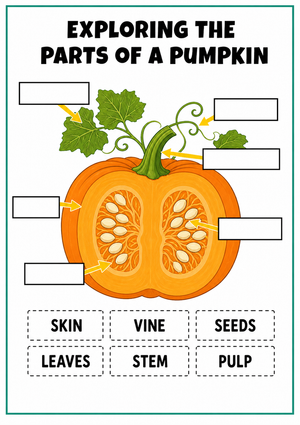
Kindergarten biology stays grounded in the observable world, and these worksheets reflect that. Students sort pictures into living and nonliving groups, label simple plant diagrams using picture word banks, match animals to the habitats where they live, and identify what organisms need to survive. A cluster of worksheets addresses the five senses and basic body parts — territory that overlaps naturally with health instruction and gives teachers a second context for vocabulary like observe, sense, and respond.
Every worksheet targets one skill. A sorting worksheet does not also ask students to write sentences. A labeling worksheet does not also ask students to sequence events. Keeping each worksheet to a single focus reduces cognitive load and makes it easier to use the resource as a formative check rather than a general review task. Teachers who use these regularly find that students complete them faster and more accurately once the format becomes familiar — which is worth something in a thirty-minute science block.
Errors Worth Anticipating Before the Lesson
The living vs. nonliving distinction trips up nearly every kindergarten class, and the pattern is predictable. Most students correctly place dogs and trees in the "living" column — but fire, cars, and clouds create consistent confusion. A candle flame moves, grows taller, and eventually goes out, and to a five-year-old, that logic holds: it acts alive. Those same students often classify a rock as nonliving without hesitation, then pause over a dried leaf or a seed, unsure whether something that isn't visibly growing still counts. The sorting worksheets in this set deliberately include those ambiguous examples, which gives teachers a natural opening to address the underlying concept — that living things need food, water, and air, and can reproduce — rather than simply correcting the answer and moving on.
With plant worksheets, the common gap is the distance between naming a plant part and understanding its function. Students can point to roots in a diagram and trace the label, but when asked what happens if a plant loses its roots, many have no answer. Using the labeling worksheet alongside a simple celery-in-colored-water demonstration connects the vocabulary to what roots actually do. That connection is what carries the word past Friday.
Standard Alignment
These worksheets support NGSS K-LS1-1, which asks students to use observations to describe patterns in what plants and animals need to survive. In classroom terms, that standard appears in lessons where students compare animals — a fish extracts oxygen from water, a dog does not — and then sort, draw, or match to show what they noticed. The living and nonliving worksheets address the same standard by asking students to identify traits shared by all living things. Several worksheets also connect to NGSS K-ESS2-2, which covers how plants and animals change their environment, making them a natural fit for habitat units and discussions about how organisms interact with the places where they live.
How to Work These Worksheets Into Your Science Routine
The most effective use of biology printable worksheets for kindergarten follows a sequence rather than substitution: observation or discussion first, then the worksheet. Students who handle a seed before completing the plant-parts labeling worksheet write their labels with noticeably more accuracy than students who begin without any hands-on introduction. Even a two-minute look at a potted plant before distributing the activity makes a measurable difference in how students approach the task.
- After a read-aloud: Use a matching or sorting worksheet immediately after a science picture book to consolidate vocabulary while the discussion is still fresh.
- Science notebooks: Cut-and-paste worksheets fit neatly into composition notebooks that students keep across the year as a growing reference for biology terms and ideas.
- Morning work: Short review worksheets on living things or habitats work well as arrival tasks, especially when revisiting content introduced earlier in the week.
- Document camera walk-through: Complete a worksheet together as a whole-class oral task before students work independently. The second pass improves accuracy because students already recognize the pictures, know the vocabulary, and understand the format.
- Sub plans: Choose worksheets with picture-heavy layouts and minimal written directions — a substitute can explain a sort or a circling task in under a minute without any science background.
Adjusting the Set for a Mixed-Readiness Room
Readiness in kindergarten varies more sharply than in any other grade, and biology printable worksheets for kindergarten have to work across that range. For students who are not yet writing independently, the sorting and circling worksheets ask nothing beyond pointing, cutting, or coloring — all legitimate ways to show science understanding without a writing demand blocking access. For students who write independently, ask them to add a brief phrase explaining their sort: "I put the fish here because it needs water to breathe." That addition shifts the task from recognition to reasoning without changing the worksheet itself.
Students who need more support benefit from a small set of picture vocabulary cards kept at their workspace during the activity. Cards that show and label words like habitat, roots, or shelter lower the cognitive demand of retrieving vocabulary while working through the science concept. Students who finish early can draw one additional example not shown on the worksheet — an extension that requires them to generate rather than recognize.
Frequently Asked Questions
Can these worksheets be used as informal assessments?
Yes — particularly the living and nonliving sorting worksheets and the animal needs matching worksheet. They are not standardized assessments, but a completed sort tells a teacher clearly whether a student has internalized the core distinction. Teachers who collect biology printable worksheets for kindergarten in a folder or science portfolio will have a concrete record of where students started and what shifted across the unit.
What format works best for students who are not yet reading?
Sorting, circling, and matching tasks require no reading at all if picture prompts are large and clear. Labeling worksheets work for emerging readers when a picture word bank is included. Any worksheet that expects students to read a text prompt before responding will need to be read aloud — a reasonable approach during small-group time, but a real limitation for independent morning work.
Do students need color printing to use these worksheets?
No. Every worksheet in the set prints cleanly in black and white on standard letter-size paper. Color versions are available, but many teachers print in grayscale and have students add color as part of the task, which adds a purposeful step without requiring color ink.
How do these worksheets fit into a unit on living and nonliving things?
Use the sorting worksheets at the start of the unit to surface existing ideas and misconceptions, then return to the same concept with a different worksheet format after students have had time for discussion and observation. Repeated exposure matters in kindergarten — encountering the same core idea through a new task format helps students move from shaky recognition to reliable understanding.












 Interactive Worksheet Maker
 Quiz Maker
 Word Search Maker
 Crossword Puzzle Maker
 Word Scramble Generator
 Sentence Scramble Generator
 Handwriting Worksheet Generator
 Name Tracing Generator
 Fill In The Blank Generator