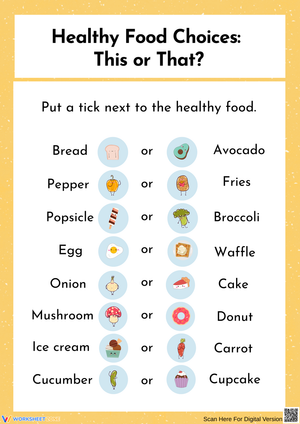
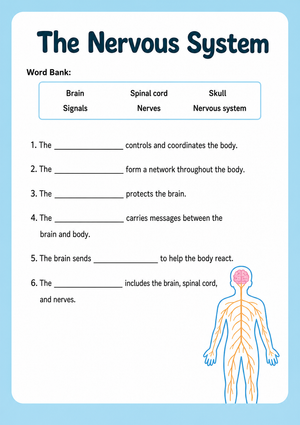
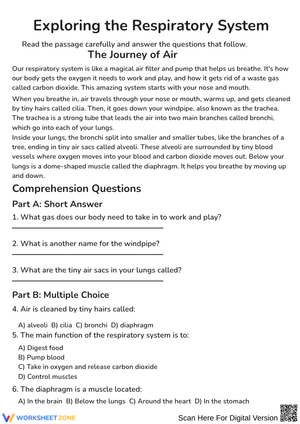
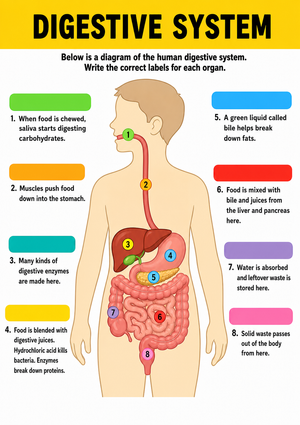
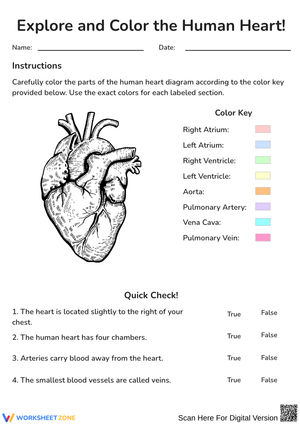
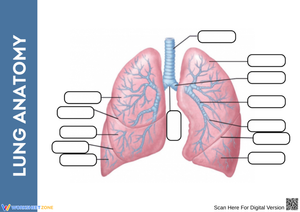
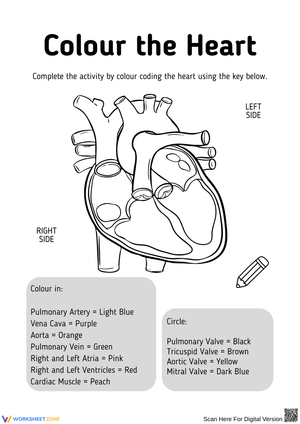
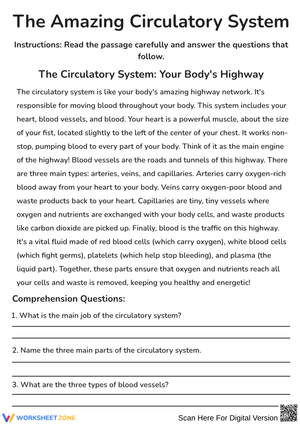
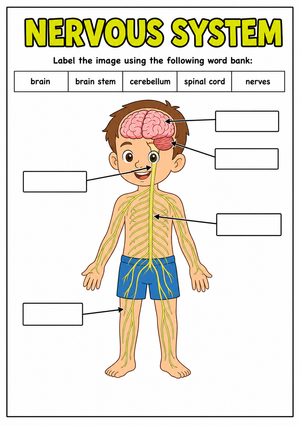
4th grade biology pdf worksheets give teachers a ready source of focused life science practice that fits inside short instructional windows—the 15 minutes after a lab, a science station rotation, or the homework slot the night before a unit assessment. Each worksheet targets a specific observable concept: plant and animal structures, life cycle sequencing, habitat components, food chains, or inherited versus learned traits. Tasks stay visual and concrete because fourth graders are just beginning to shift from pure description toward explanation, and a well-designed worksheet rewards that transition.
The Life Science Skills Each Worksheet Builds
Fourth grade life science centers on the visible and measurable—structures students can label, cycles they can sequence, relationships they can trace. Each worksheet in this set stays focused on one of the following topic areas:
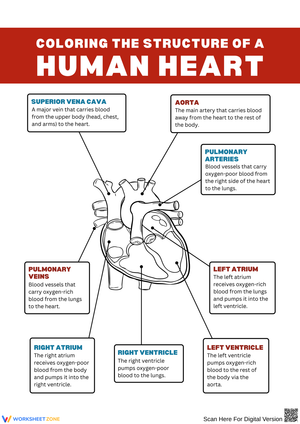
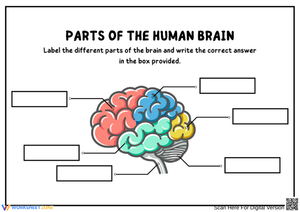
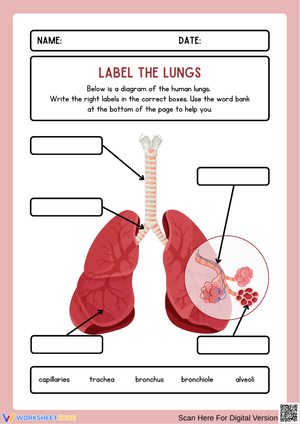
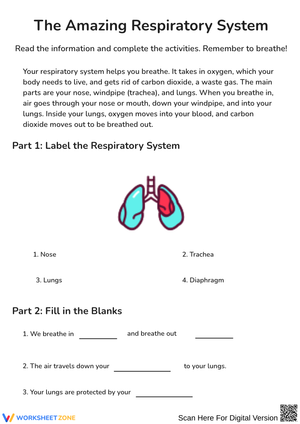
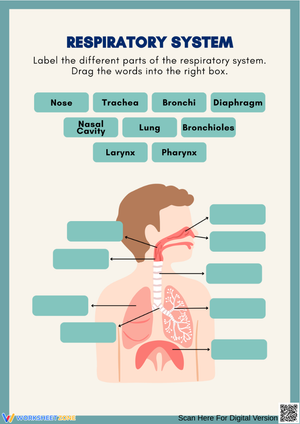
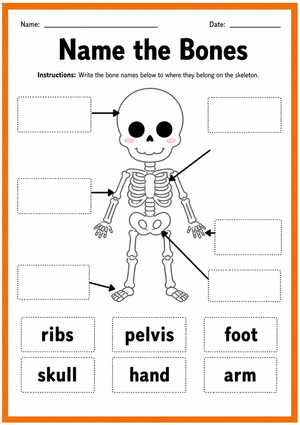
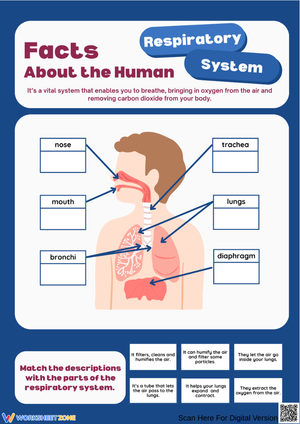
- Plant structures and functions: Students label roots, stems, leaves, and flowers, then match each part to its job. Some worksheets push further, asking students to compare how plants in different environments—desert, wetland, or forest floor—have structures suited to their conditions.
- Animal structures and behaviors: Students identify external features that help animals find food, avoid predators, or move through their environment. The task asks students to connect what a structure is with what it does—the distinction NGSS 4-LS1-1 demands.
- Life cycles: Students sequence stages for complete metamorphosis (butterfly, beetle) and incomplete metamorphosis (grasshopper), as well as seed-to-plant cycles. Labeling, ordering, and brief written explanations all appear across these worksheets.
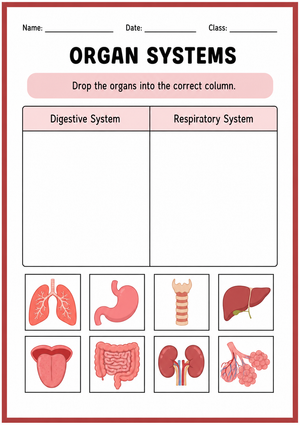
- Ecosystems and habitats: Students sort living and nonliving components, identify what a specific organism needs to survive, and trace where each need is met within the habitat.
- Food chains and food webs: Students draw arrows to show energy flow, identify producers, consumers, and decomposers, and explain what happens when one organism is removed from the chain.
- Inherited versus learned traits: Students classify examples and write brief justifications—the harder of the two tasks at this age because the category distinction is not always intuitive.
These six topic areas map directly onto Grade 4 life science as it appears in curriculum guides and standards documents. They also surface on district assessments, which makes each worksheet useful for both instruction and review. Teachers who build a bank of 4th grade biology pdf worksheets around these topics will find the set covers the full life science unit without significant overlap or gaps.
Student Mistakes Worth Knowing Before You Assign These Worksheets
Food chain arrows generate the most consistent errors across Grade 4 classrooms. Students draw the arrow pointing from the consumer toward the prey because they read it as meaning "eats." An arrow from grass to rabbit reads to them as "the grass eats the rabbit." A three-minute explicit correction before any food chain worksheet—"the arrow shows where the energy goes, not who does the eating"—clears this up for most students before they put pencil to paper. Without it, the same mistake appears on every worksheet in the unit.
Life cycle confusion is almost as predictable. A student who correctly sequences the butterfly cycle in October will still draw a frog going from egg to chrysalis in November. Complete and incomplete metamorphosis stages blur together in memory. Worksheets that display both cycles side by side using parallel formatting make the comparison explicit, rather than expecting students to hold two different sequences in working memory at the same time.
The inherited-versus-learned worksheet surfaces a third pattern. Students classify "being scared of dogs" as inherited because the fear feels automatic—it doesn't seem like something they practiced. Some will also list eye color as learned because they associate visible features with choices. Neither error signals a reading problem. Both signal that the conceptual boundary needs more time in discussion before students sort examples independently.
Where These Worksheets Fit Best in the Teaching Day
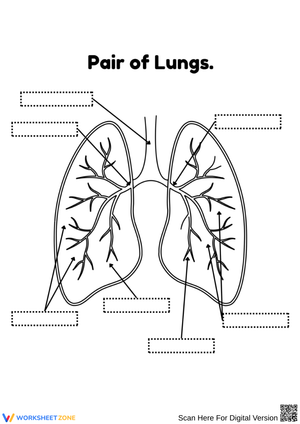
A bell ringer is the most natural entry point. A quick label-and-match on plant parts takes three to five minutes and reactivates prior knowledge before the lesson moves forward. At the end of a unit, a mixed-skill worksheet covering vocabulary, a short diagram, and two open-response questions functions as a usable formative check without requiring much setup or explanation beforehand.
Science stations are where these worksheets earn the heaviest use. Pair each worksheet with a visual reference—a close-up photograph set, a specimen card, a short nonfiction passage—and students have enough context to work through the task independently. For sub plans, the predictable structure of a label-and-respond worksheet lets a non-specialist run the period without needing science content knowledge.
One technique worth adopting: slide a worksheet into a dry-erase sleeve and use it first as a paired discussion task. Partners mark answers with a dry-erase marker while talking through their reasoning, wipe the sleeve, then each student completes the same worksheet individually. The first pass surfaces the conversation that needs to happen; the second gives written evidence of individual understanding. This two-step approach works especially well for 4th grade biology pdf worksheets on food webs and ecosystems, where students benefit from reasoning aloud before committing answers to paper.
Making These Worksheets Work Across the Readiness Range
Grade 4 classrooms routinely span three or four years of reading development, and that spread affects science worksheet performance directly. A student working below grade level in reading is not necessarily confused about the biology—she may simply run out of stamina on a text-heavy task before reaching the diagram she could actually complete correctly. Keeping the science target constant while adjusting the literacy demand is the most practical approach.
- Pre-teach vocabulary before the worksheet: Review producer, consumer, habitat, and inherited as a group so the task measures biology understanding rather than reading endurance.
- Use cut-and-paste formats for concrete learners: Sequencing life cycle stages by cutting and gluing builds the same understanding as writing the stages from memory and is far more accessible for students who struggle with written recall under time pressure.
- Layer structured response before open response: Let students circle, match, or sort first. Sentence-level explanations come after the concept is solid, not before.
- Add an extension layer for advanced students: Ask them to explain what would happen to a food web if the producer disappeared, or to compare two habitats and identify which specific structures an animal would need to survive in each. These questions require no extra printing—they sit at the bottom of any existing worksheet.
Pairing these worksheets with visual references from National Geographic Kids, teacher-curated photograph sets, or KidsHealth in the Classroom gives students at all readiness levels additional context before they work independently.
Standard Alignment
Most worksheets in this set connect directly to NGSS 4-LS1-1, which asks students to construct an argument that plants and animals have internal and external structures that function to support survival, growth, behavior, and reproduction. Labeling worksheets build the vocabulary and observational detail students need to make that argument; worksheets that ask students to connect a structure to its function move closer to the standard's explanatory demand. Food chain and ecosystem worksheets preview NGSS 5-LS2-1—the movement of matter among plants, animals, decomposers, and the environment—giving fourth graders early exposure to systems thinking before that standard becomes the formal instructional target in Grade 5. Teachers pacing across both years will find these worksheets useful on both sides of that transition.
Frequently Asked Questions
What life science topics do these worksheets cover?
The set covers plant and animal structures, life cycles for both complete and incomplete metamorphosis, habitats and ecosystems, food chains and food webs, and inherited versus learned traits. Each worksheet focuses on one concept, so teachers can assign exactly what fits the current lesson objective without working through unrelated material first.
How do these worksheets fit with hands-on science activities?
They work best after direct observation or investigation, not instead of it. Students observe seeds and sketch plant parts, then complete a labeling worksheet to put precise language to what they noticed. They might analyze a habitat photograph set and use the worksheet to sort the living and nonliving components they identified. In that role, the written task organizes and extends understanding that the hands-on experience started building.
Are these worksheets practical for sub plans and station rotations?
Yes. The self-contained format of each worksheet—clear directions, one focused task, and a visual reference built in—makes 4th grade biology pdf worksheets particularly well suited for both situations. Students can work through the task without needing science background explained in advance, and the single-concept structure keeps station groups moving without frequent teacher check-ins.
Do the worksheets include answer keys?
Answer keys or clearly correct responses are standard across this type of resource, which reduces teacher prep time considerably for matching, labeling, and sorting tasks. Open-response questions will always require teacher judgment, but the structured tasks are straightforward to check at a glance—an important practical consideration for teachers using these during station rotations or as homework review.












 Interactive Worksheet Maker
 Quiz Maker
 Word Search Maker
 Crossword Puzzle Maker
 Word Scramble Generator
 Sentence Scramble Generator
 Handwriting Worksheet Generator
 Name Tracing Generator
 Fill In The Blank Generator