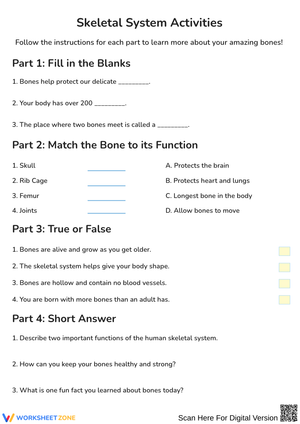
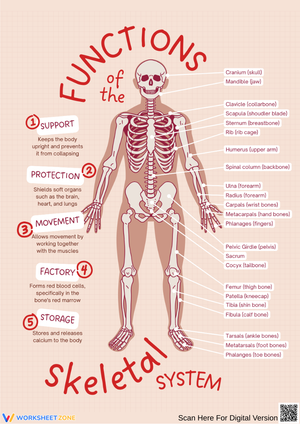
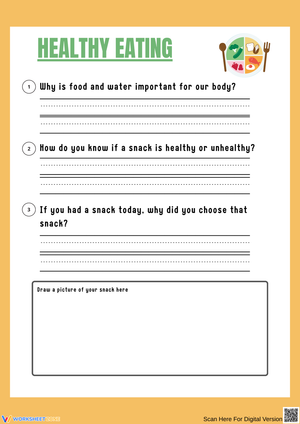
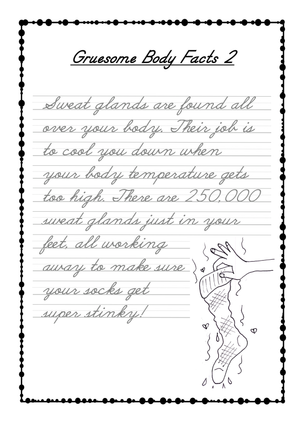
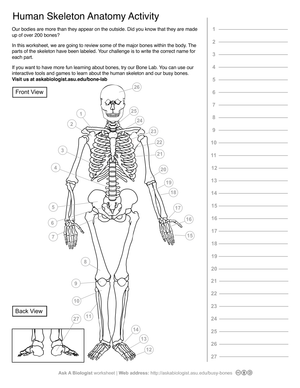
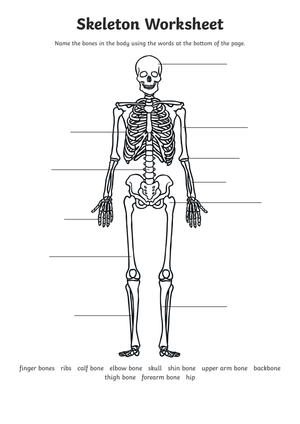
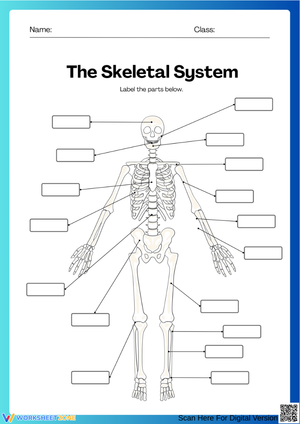
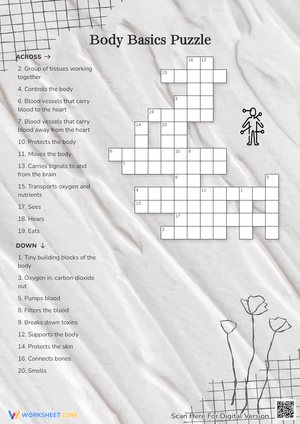
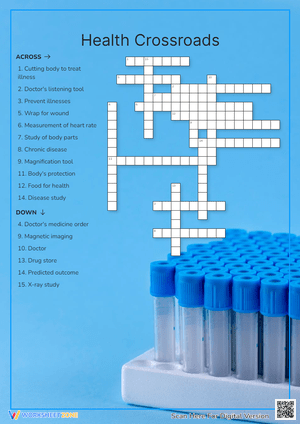
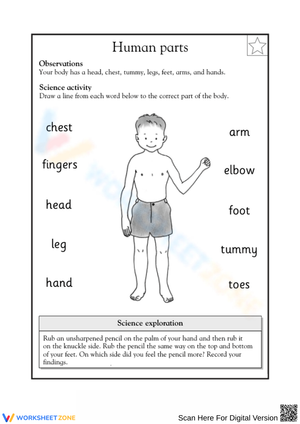
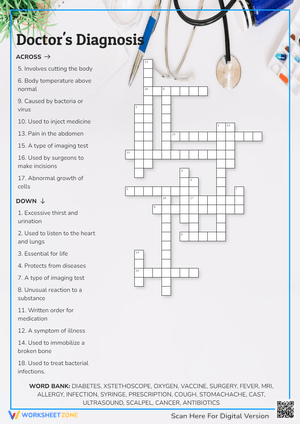
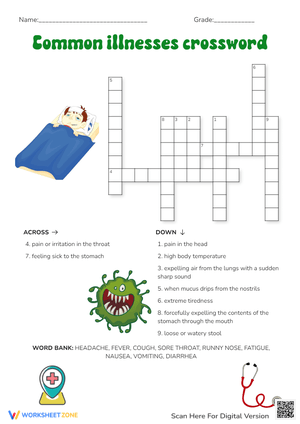
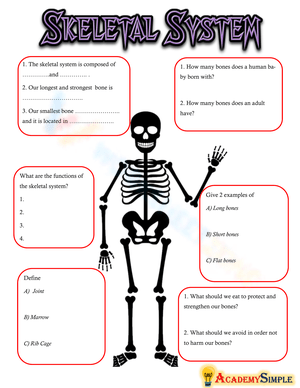
These body and health printable worksheets for 4th grade give teachers a focused set of resources for the moment in the curriculum when students move from naming body parts to explaining how systems actually function. Each worksheet targets a distinct skill — labeling skeletal diagrams, tracing the path of digested food, sorting foods by group, sequencing hygiene steps — so a single worksheet fits cleanly into a lesson without requiring rework. The content spans the major organ systems, nutrition, personal hygiene, disease prevention, and the five senses.
What the Set Covers
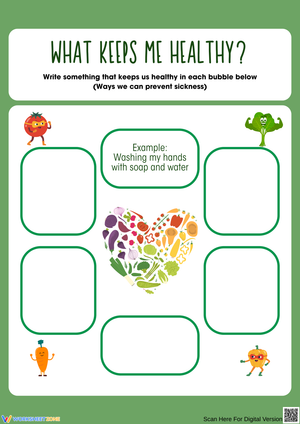
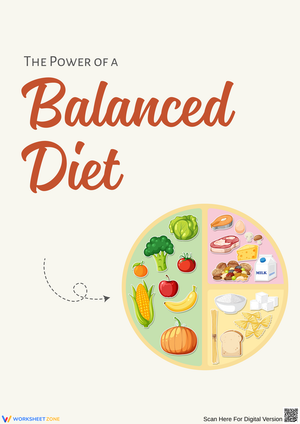
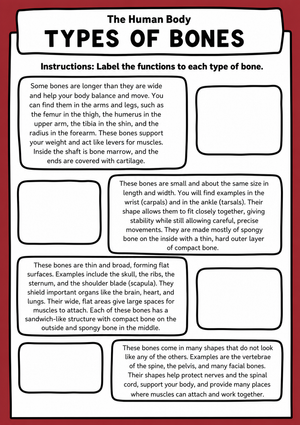
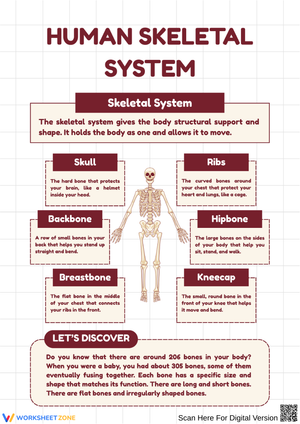
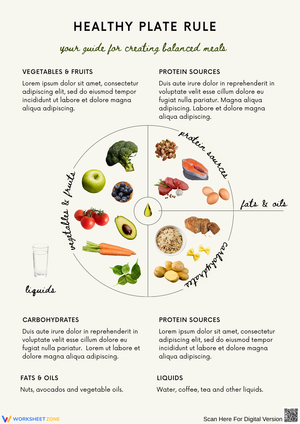
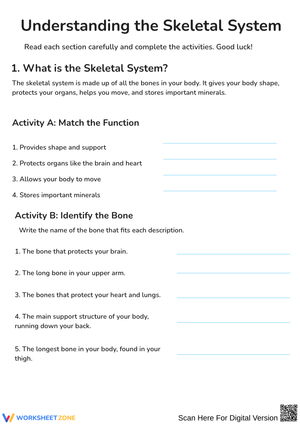
Across the body and health printable worksheets for 4th grade set, content falls into five main areas: organ systems, the five senses, nutrition and food groups, personal hygiene, and disease prevention. Within organ system work, students label diagrams, sort organs by system, and write brief functional descriptions — not just names. The nutrition worksheets use the MyPlate framework as an organizing structure, asking students to sort foods by group and evaluate whether a given meal is balanced. Hygiene and disease prevention worksheets ask students to sequence steps, explain cause-and-effect relationships (why soap works beyond "it removes germs" — the mechanical disruption of bacterial membranes), and reflect briefly on their own daily routines.
The five-senses worksheets connect sensory receptors to the nervous system rather than treating the senses as a standalone topic. Each worksheet in that cluster asks students to identify not just the sense organ but the pathway — eye to optic nerve to brain — which makes it a natural bridge into nervous system content if teachers want to extend beyond the standard for this grade. That connection is rarely made explicit in fourth-grade materials, and students who encounter it here tend to retain it when the nervous system reappears in fifth grade.
Frequent Student Mistakes Worth Catching Before the Unit Assessment
Two errors appear consistently in fourth-grade work on body systems. Students who can correctly label the lungs will still write that "the lungs breathe in air" — they haven't yet grasped that the diaphragm contracts to create a pressure difference that draws air in passively. A worksheet that shows the diaphragm in both contracted and relaxed positions, and asks students to annotate what happens to chest volume in each state, resolves this misunderstanding more reliably than re-explaining it verbally. The annotation forces students to confront the mechanical cause, not just the result.
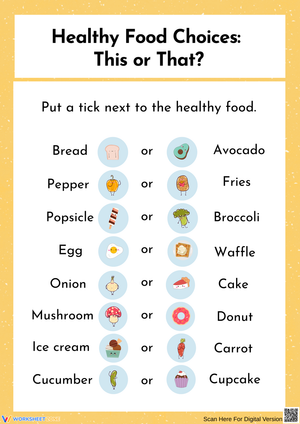
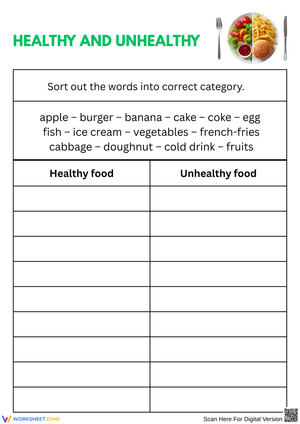
In nutrition work, the protein group causes consistent confusion. Students default to "meat equals protein" and leave beans, lentils, nuts, and eggs uncategorized or drop them into the wrong group. A sorting worksheet that includes non-obvious protein sources — sunflower seeds, tofu, edamame — alongside obvious ones forces students to use the category's actual definition rather than a single memorized example. This is worth addressing directly, because the same error reappears on standardized health and science items at both fourth- and fifth-grade levels.
Fitting These Worksheets Into the Science Block
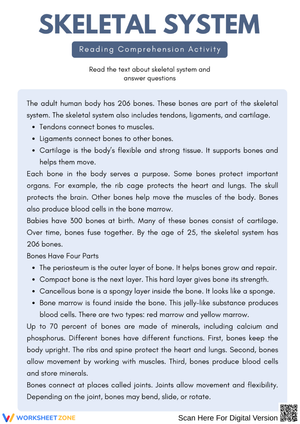
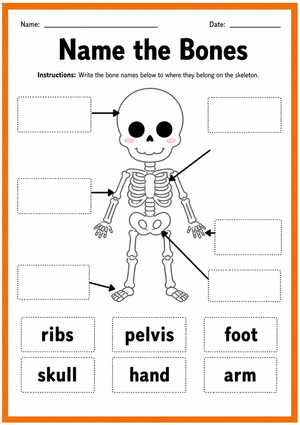
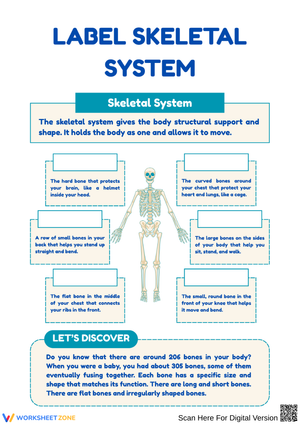
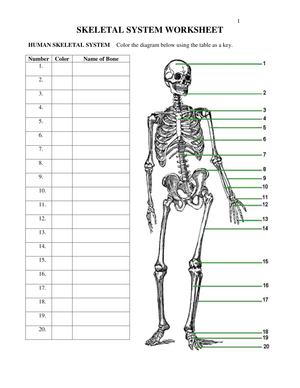
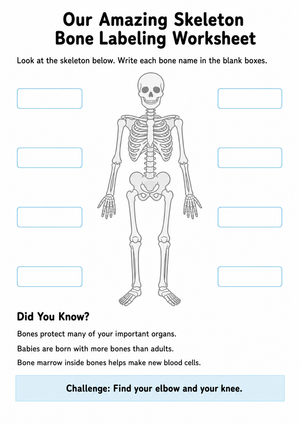
The labeling worksheets work well as cold-open tasks on the day a new system is introduced. Give students five to seven minutes to attempt the diagram without notes, then use what they labeled — and mislabeled — to drive the lesson's first discussion. This inverted approach is especially useful for systems students think they already know, like digestion. Most classes have several students who place the liver somewhere near the stomach but aren't sure what it does. Surfacing that uncertainty before instruction is more useful than discovering it at the end of the unit.
Nutrition worksheets fit the twenty minutes before lunch or the Friday science review block — two slots where attention is variable and a structured task with a clear endpoint keeps students on task. Hygiene and disease prevention worksheets are practical during the week after attendance spikes from illness, when re-establishing health routines has direct classroom relevance. The short-answer reflection prompts on each worksheet are sized to fit the last eight minutes of class, making them reliable exit tickets without requiring a separate exit-ticket activity.
Standard Alignment
These body and health printable worksheets for 4th grade align with NGSS performance expectation 4-LS1-1, which requires students to construct an argument that plants and animals have internal and external structures that function to support survival, growth, behavior, and reproduction. In practice, this means students must explain what a structure does and why its absence or failure would affect the organism — not just name it. The labeling worksheets alone don't satisfy this standard, but the set's functional-description and short-answer components require students to make the structure-function connection explicitly. The nutrition and hygiene worksheets also address health literacy goals embedded in many state frameworks alongside NGSS, particularly at the intersection of life science and personal health decision-making.
Adjusting the Worksheets Across Learner Levels
The labeling worksheets include two versions: one with a word bank and one without. For students who need more support, the word bank reduces the cognitive retrieval load so they can concentrate on the spatial and conceptual task — which organ goes where, and why it belongs there. Students working beyond grade level can use the blank version and add a second annotation layer: one color for organ names, a second for each organ's primary function. That turns the labeling task into a study tool students build themselves, which holds more retention value than a completed reference sheet handed to them.
For students who struggle with reading demands, pairing the short-answer prompts with a simple illustrated glossary — entries for terms like "diaphragm," "esophagus," and "nutrient" — removes the word-level barrier without reducing the conceptual challenge. On the other end, students who finish early can use the blank diagram versions to quiz a partner, adding a low-prep oral language component without needing a separate extension activity prepared in advance.
Frequently Asked Questions
Which body systems does the set address, and is the nervous system included?
The set addresses the five systems most commonly taught at this grade: skeletal, muscular, digestive, circulatory, and respiratory. The nervous system appears in the five-senses cluster as a connection point — students trace sensory pathways from receptor to brain — but full nervous system study sits at fifth grade in most state frameworks. Teachers who want to extend the content can use those worksheets as a bridge into the following year's curriculum.
Can these worksheets run at science stations or centers?
Yes, and the self-contained format of each worksheet makes them well-suited for station work. Students can complete a station task independently without ongoing teacher setup or explanation. The anatomy labeling worksheets work well alongside a reference poster at the station; the nutrition worksheets pair naturally with actual food packaging so students can practice reading nutrition labels in context.
Do the nutrition worksheets reflect current dietary guidelines?
They use the MyPlate framework from the USDA, which is the current standard for K-12 nutrition education. Teachers who want to extend the activity into a cross-curricular project can pair the worksheets with the free teacher materials on the MyPlate site, which include meal-planning tools built specifically for elementary students.
Are these worksheets appropriate for students encountering body systems content for the first time?
These body and health printable worksheets for 4th grade work well as initial exposure, not just review. The word-bank versions of the labeling worksheets give first-time learners enough support to complete the task while still requiring spatial and conceptual decisions. Reserve the blank versions for review or re-teaching after students have encountered the content at least once through direct instruction.












 Interactive Worksheet Maker
 Quiz Maker
 Word Search Maker
 Crossword Puzzle Maker
 Word Scramble Generator
 Sentence Scramble Generator
 Handwriting Worksheet Generator
 Name Tracing Generator
 Fill In The Blank Generator