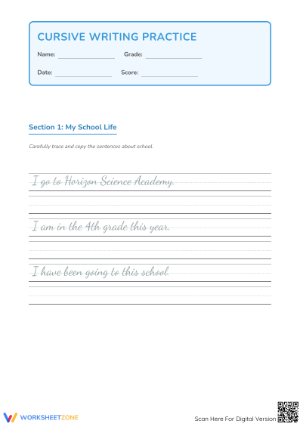
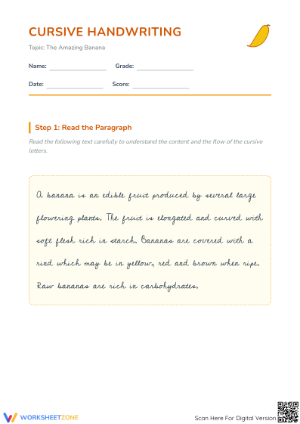
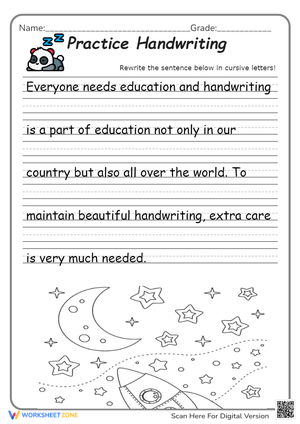
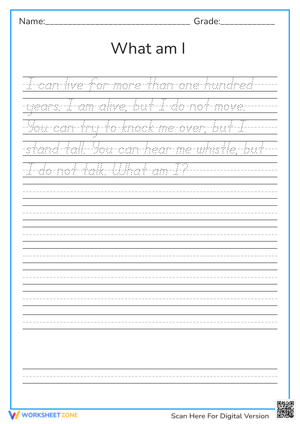
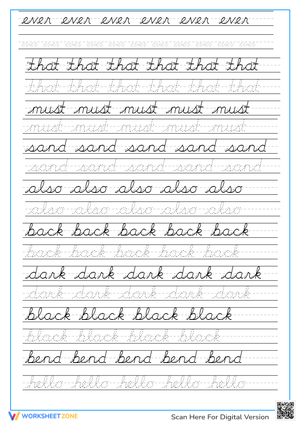
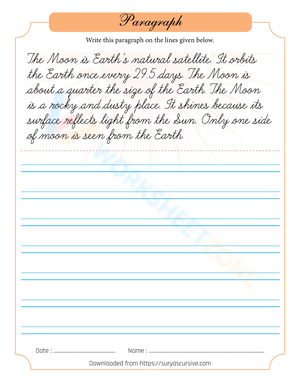
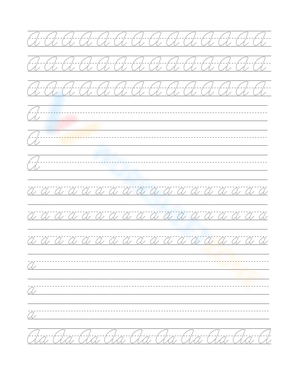
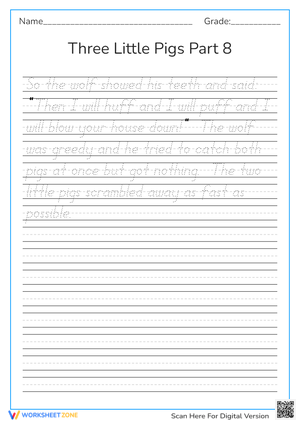
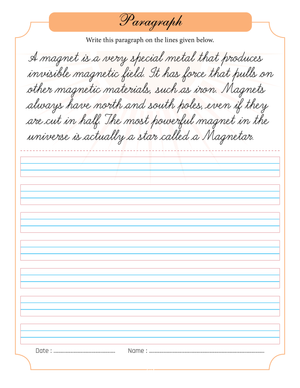
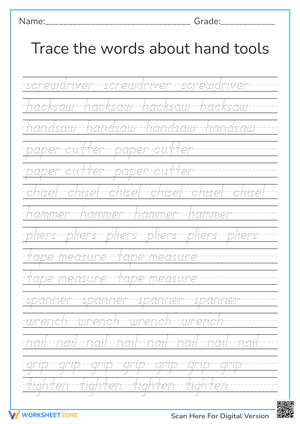
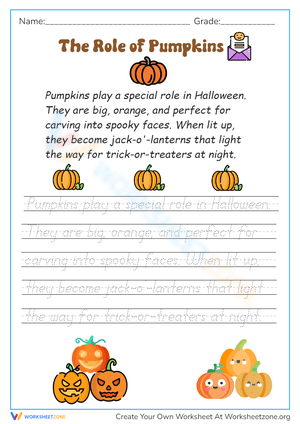
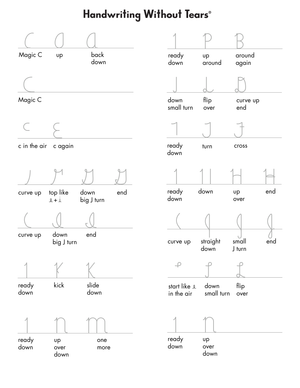
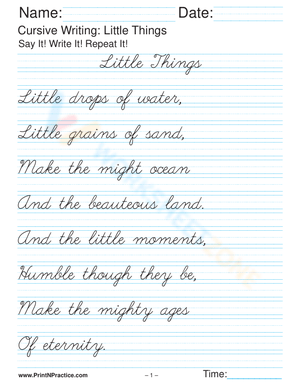
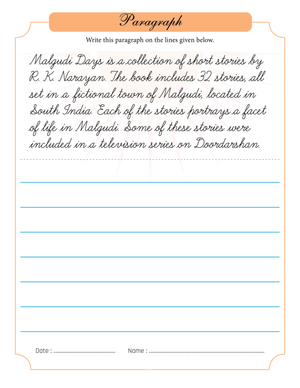
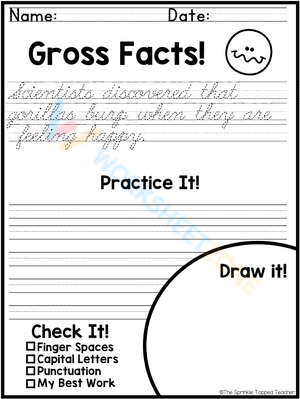
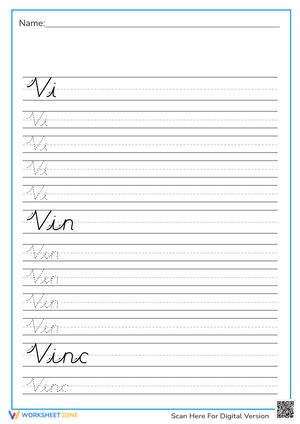
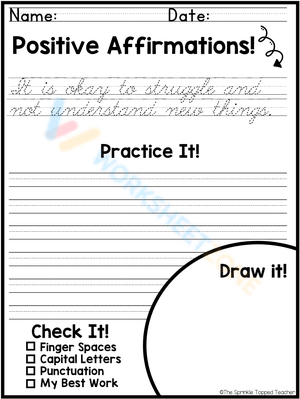
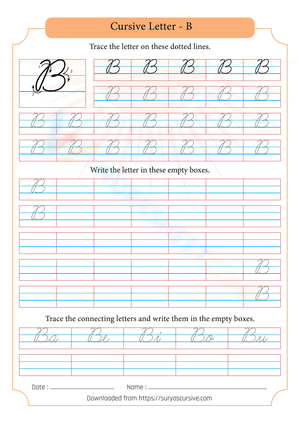
These 3rd grade cursive pdf worksheets give teachers print-ready practice organized by stroke family — the sequencing approach that builds legible handwriting faster than drilling letters in alphabetical order. The set covers the full arc of third-grade cursive instruction, from individual letter formation through letter connections and into short sentence practice. Each worksheet isolates one skill — individual letter formation, a specific connection type, or sentence-level fluency — which means teachers can pull from the set at exactly the point where their class needs work.
The Specific Skills Each Worksheet Targets
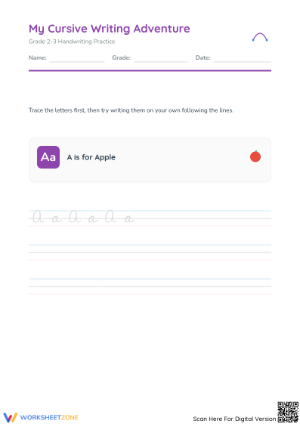
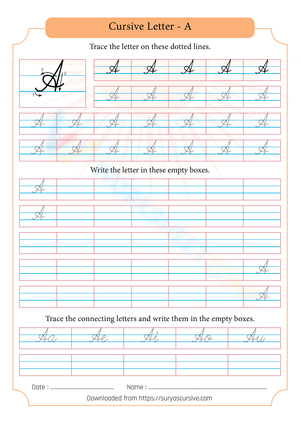
The worksheets are built around four stroke families: undercurve letters (i, t, u, w, r, s, j, p), downcurve letters (a, d, g, q, c, e), overcurve letters (n, m, y, x, z), and the compound-curve group (v, o, b, f). Within each family, practice moves from tracing dashed letter models to copying without a guide, then writing from memory in a word context. Grouping by stroke type rather than alphabetically keeps the motor demands manageable — students practice the same physical motion repeatedly within one instructional period before encountering a new one. Because common words like "in," "it," "us," and "win" fall within the undercurve family, students are writing real words in their first week, which matters considerably for motivation at age eight or nine.
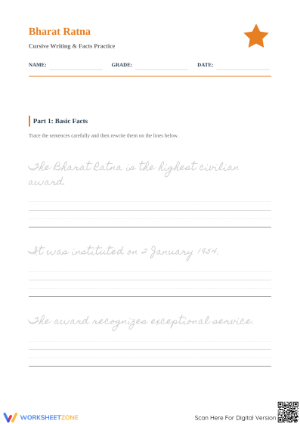
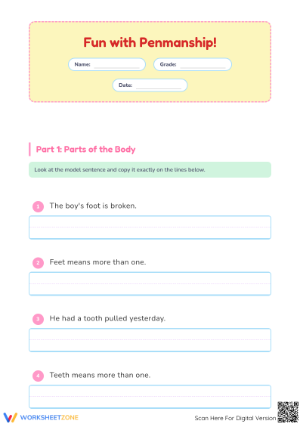
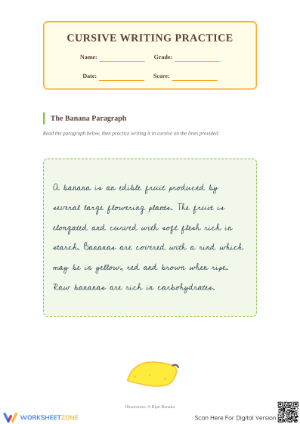
After lowercase families, the worksheets shift to letter connections — the place where third-grade cursive instruction genuinely earns its time. Connecting a high-ending letter like b or o to the vowel that follows requires an exit stroke students haven't practiced in isolation, and worksheets that address each connection type explicitly prevent the common workaround of lifting the pencil between letters. Sentence-level worksheets close the set, putting multiple connection types together in short, high-frequency phrases where transfer from isolated practice becomes visible.
Fitting These Worksheets Into Your Weekly Lesson Plans
The 3rd grade cursive pdf worksheets are sized to fit a ten-to-fifteen-minute daily window, which is what the research on handwriting instruction consistently supports. Short and daily outperforms long and weekly — that holds in actual classrooms, not just in controlled studies. The most reliable slot most teachers find: the ten minutes between morning meeting and the first reading block, when the room is settling and students need a quiet anchor task. New letter introduction follows a simple sequence — teacher models the stroke on the board while narrating the physical path aloud, students air-write using the full arm before picking up a pencil, then the worksheet comes out for tracing followed by independent practice. That kinesthetic step activates motor planning before the pencil introduces the added demand of size and line control.
On Mondays, plan for regression. Students lose ground over the weekend, and treating Monday's worksheet as retrieval practice — returning to the previous week's letter family rather than pushing forward — prevents the frustration of students feeling behind before the week has started. By Wednesday, most of the class has recaptured fluency and is ready for new material. Dry-erase pockets extend the value of each worksheet across multiple days: students slip a worksheet inside, practice with a marker, wipe it clean, and repeat until the stroke feels automatic before moving to the next one.
Three Error Patterns That Show Up Consistently in Third-Grade Cursive Work
The most persistent formation error involves the letter a. Students who have been printing a by starting at the top of the bowl carry that habit into cursive and skip the approach curve entirely. The result doesn't resemble a cursive a — it reads closer to a backward d — and it cannot connect to the preceding letter because the entry stroke is missing. Catching this during the first week of downcurve instruction, before it has been written wrong two hundred times, is far more efficient than trying to undo an ingrained habit in week six.
Slant shows up differently than teachers expect. Students understand the concept — cursive leans right — but they apply inconsistent angles even within a single word. Words with multiple vertical strokes expose this clearly: in "million" or "minimum," individual letters may each look correctly formed in isolation while leaning in slightly different directions, making the whole word look structurally unstable. A quick diagnostic that works in practice: ask students to rule light pencil lines through their vertical strokes and compare the angles. The visual is immediate, and students self-correct more reliably when they can see the problem rather than simply hear about it.
Letter connections produce a third consistent pattern. When connecting o or b to the following letter, many students pause and lift the pencil — producing what looks like print letters drawn with curved strokes rather than genuine cursive. These students haven't internalized the exit stroke as part of the letter itself. Worksheets that trace the entire word as one continuous path, rather than breaking practice letter by letter, address this directly and quickly.
Adjusting the Set for Different Writers in the Room
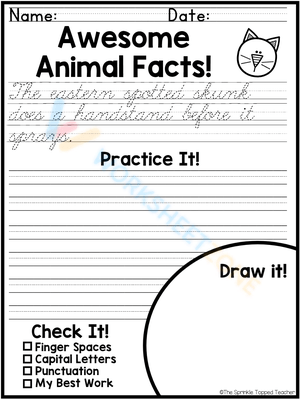
For students still developing fine motor control, the tracing phase is not a preliminary step to rush through — it is the instruction. The dashed models provide the physical path that muscles learn from, and moving students to independent writing before that movement is automatic produces output that frustrates both teacher and student. Let them stay in the tracing worksheets longer than feels comfortable. The 3rd grade cursive pdf worksheets keep tracing and independent writing on separate worksheets rather than combining them, which means teachers can assign different tasks across the room without making anyone feel conspicuously behind.
Left-handed writers need one specific adjustment most teachers overlook: where the letter model sits relative to the writing lines. A model on the left side gets covered by a left-handed student's hand as they write across the worksheet. Placing an index card with the model above the practice lines — or selecting worksheets with right-side model placement — keeps the reference visible throughout. Pairing this with a paper angle change, top-left corner tilted upward rather than away from the body, keeps the wrist below the writing line and eliminates the hooked posture that causes hand fatigue within a few minutes of practice.
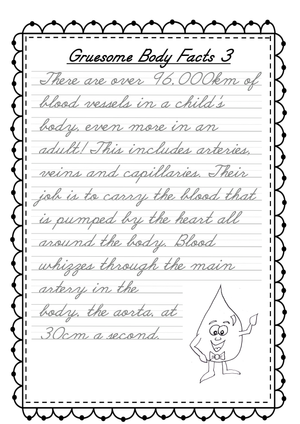
For students who move quickly through letter formation, sentence worksheets that include less common letter combinations — words requiring q, z, or x in cursive, or phrases that bridge an overcurve exit to a downcurve entry — extend the challenge without requiring custom materials from the teacher.
Frequently Asked Questions
Do these worksheets follow Zaner-Bloser, D'Nealian, or another specific style?
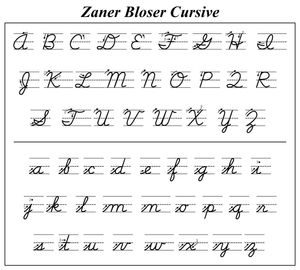
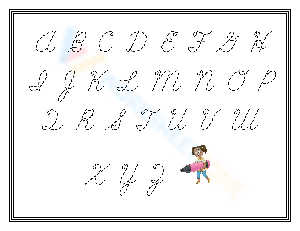
These 3rd grade cursive pdf worksheets use standard American cursive letter forms, which align most closely with Zaner-Bloser. If your school has adopted D'Nealian, lowercase letters are largely compatible — the meaningful differences appear in uppercase forms. Compare the letter models in the set against your school's adopted style before beginning uppercase instruction, where the divergence between styles is most visible.
At what point should students move from tracing to independent letter writing?
When a student can reproduce the letter from memory in three consecutive attempts without glancing back at the model, the tracing work has done its job. Some students reach this point after two days with a letter; others take a full week. Both timelines are developmentally normal for third grade. The threshold to hold to is fluency — not speed of acquisition.
What do I do with a student who already knows cursive but learned different letter forms at home?
This comes up more than teachers expect, especially with students who have older siblings or parents who practiced cursive with them early. If the letter is legible and connects cleanly to adjacent letters, it generally is not worth correcting — insisting on a specific form can damage a student's confidence and relationship with writing. The exception is when a non-standard form creates connection problems: a letter that exits in a position where the next connection becomes impossible. In those cases, address the exit stroke directly rather than the whole letter.