The Transition to Cursive in Third Grade
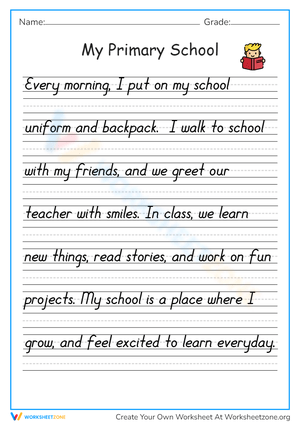
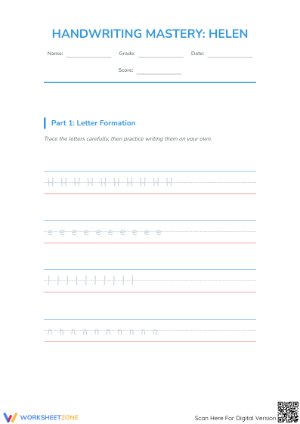
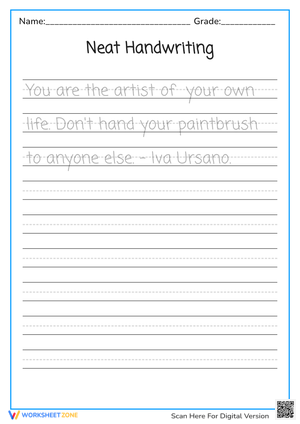
Third grade represents a major turning point for students as they transition from basic print mechanics to learning cursive writing. Around this time, children are expected to shift their cognitive resources away from letter formation and focus more on content generation, spelling, and grammar. This transition requires consistent practice. Using 3rd grade handwriting worksheets provides structured opportunities for students to develop muscle memory and writing automaticity.
When students do not have to stop and think about how to form a letter, their overall writing fluency increases. They can compose narrative, informative, and opinion pieces with greater ease. However, building this fluency requires more than just tracing letters; it demands intentional practice that connects the physical act of writing with phonetic and orthographic knowledge.
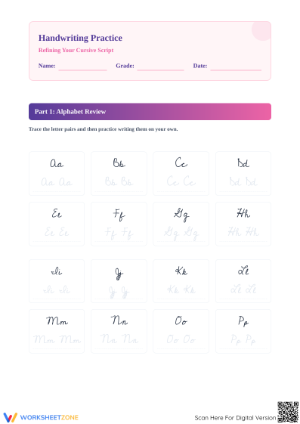
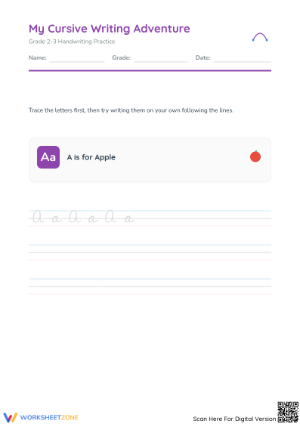
For many eight and nine-year-olds, the introduction of cursive can be both exciting and challenging. Cursive writing requires a different type of continuous movement compared to print. The specific strokes and joins between letters can initially frustrate students who are used to lifting their pencils after every character. Incorporating targeted practice sessions into the daily routine helps alleviate this frustration, turning a potentially difficult task into a manageable and rewarding skill-building process. Teachers can introduce a 30-day cursive starter kit approach, breaking down the alphabet into specific stroke families. For example, focusing on undercurve letters first, then moving to overcurve, downcurve, and slant letters.
Understanding the Dynamic Tripod Grasp
At this developmental stage, the physical mechanics of holding a writing utensil become highly visible. The ideal pencil grip for efficient and pain-free writing is the dynamic tripod grasp. In this grip, the pencil rests against the side of the middle finger while the thumb and index finger hold the pencil shaft and control its movement. This grasp allows for the small, precise finger movements necessary for legible cursive writing without overtaxing the wrist or arm.
While many third graders have already established their pencil grip, some may still use inefficient grasps, such as a lateral tripod or a static quadrupod grasp. These alternative grips can lead to hand fatigue during longer writing assignments. Handwriting practice provides a structured time for teachers to observe and gently correct pencil grip when necessary, though dramatic interventions should be handled carefully to avoid causing frustration or resistance.
Occupational therapy experts note that early intervention with fine motor activities can prevent long-term writing fatigue. When students engage in targeted pre-writing exercises that strengthen the intrinsic hand muscles, they demonstrate higher endurance during standardized testing and extended classroom assignments, allowing their cognitive focus to remain on the subject matter rather than the physical act of writing.
Integrating Fun Facts for Engaging Practice
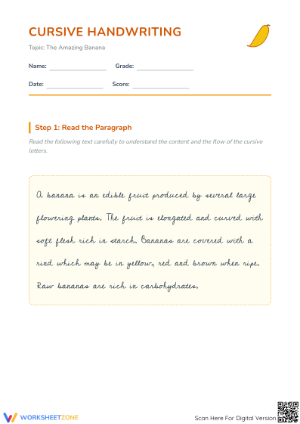
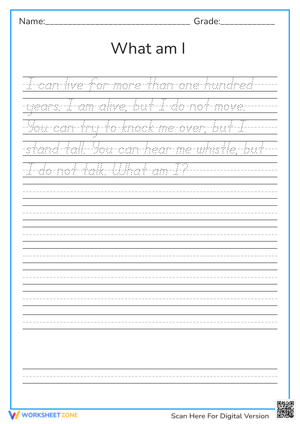
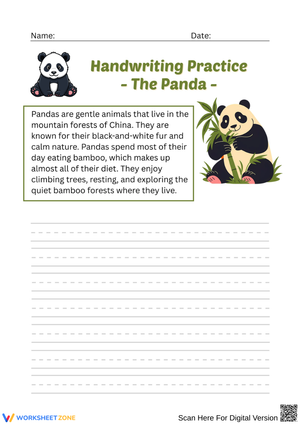
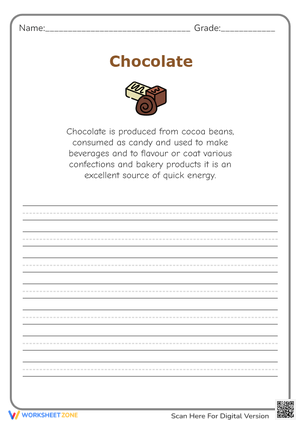
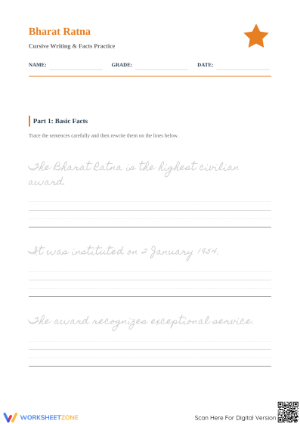
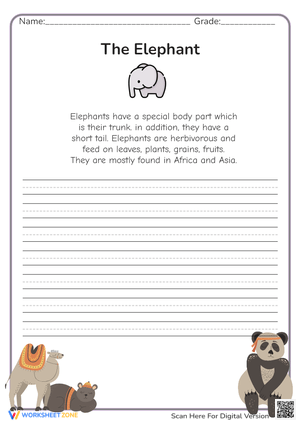
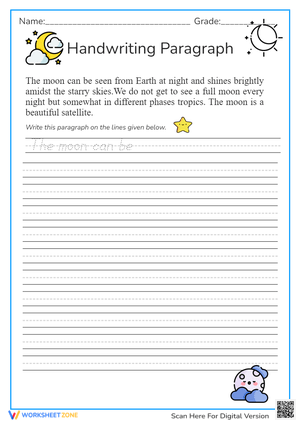
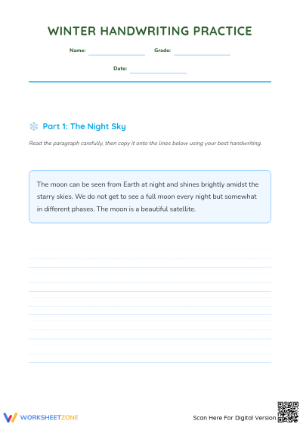
Repetitive drills can quickly lead to disengagement, especially for third graders who are eager to learn about the world around them. To maintain student interest, handwriting exercises must be integrated with engaging content. Rather than copying random sentences, students can practice their handwriting by writing out intriguing facts about science, animals, history, or geography. When a handwriting worksheet includes a paragraph about the solar system or the life cycle of a butterfly, students are simultaneously absorbing academic content and practicing their letter formation. This dual-purpose approach maximizes instructional time and gives students a meaningful context for their writing. It transforms handwriting from a mechanical chore into a tool for communication and discovery.
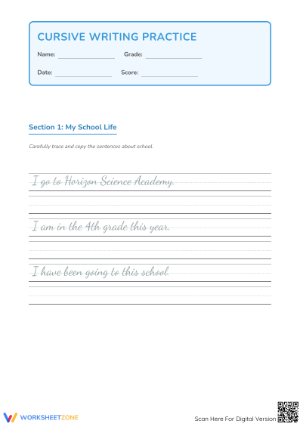
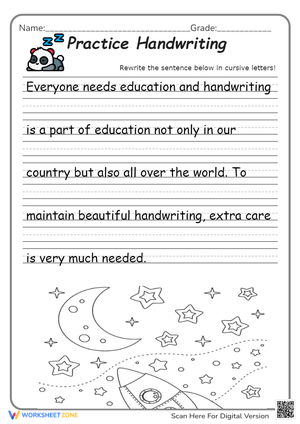
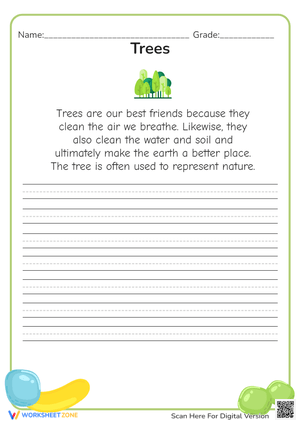
Teachers can align the content of handwriting worksheets with current units of study. For example, during a unit on local history, students can practice writing the names of historical figures or important dates in cursive. During a science unit on habitats, they can write descriptions of different ecosystems. This cross-curricular integration reinforces vocabulary and concepts while providing essential handwriting practice. Another effective strategy is to incorporate seasonal or holiday themes into handwriting practice. Writing poems about autumn leaves, thank-you notes for Thanksgiving, or descriptive paragraphs about winter weather keeps the activities fresh and relevant. Themed worksheets often include related illustrations or borders, adding a visual element that appeals to young learners and makes the practice session feel more like a special activity rather than a routine drill.
Identifying and Supporting Handwriting Challenges
Third grade is often the time when persistent handwriting difficulties become more apparent, as the volume and complexity of writing assignments increase. Teachers must be vigilant in identifying students who are struggling beyond the typical learning curve. Common issues include inconsistent letter sizing, poor spacing between words, difficulty writing on the line, and frequent letter reversals. While occasional letter reversals, such as confusing 'b' and 'd' or 'p' and 'q', are common in earlier grades, they should generally resolve by the end of third grade. If a student continues to struggle with these reversals, it may indicate a need for targeted remedial support or a closer evaluation for underlying learning differences such as dysgraphia.
According to The OT Toolbox, teachers can support developing writers by incorporating specific multisensory strategies that address motor planning and visual perception skills, demonstrating a 35 percent improvement in legibility when tactile activities are combined with traditional writing practice over a six-week period.
According to Learning and Literacy Clinic, students who build automaticity in their letter formation require significantly less working memory for transcription, freeing up cognitive resources to focus on sentence structure, vocabulary selection, and overall narrative creativity.
Teacher Tips
Implementing effective handwriting instruction requires a thoughtful approach that balances practice with positive reinforcement. One of the most important strategies is to keep practice sessions short and focused. Ten to fifteen minutes of concentrated handwriting practice is far more effective than a longer session where students become fatigued and their form begins to deteriorate.
Consistency is key. Daily practice, even for a short duration, builds muscle memory more effectively than occasional, longer sessions. Teachers should establish a predictable routine for handwriting practice, perhaps starting the day with a short warm-up activity or using it as a transition between subjects. This regular exposure helps solidify new skills and prevents regression. Providing immediate, specific feedback is another critical component of effective instruction. Rather than simply marking a worksheet with a generic grade or sticker, teachers should highlight specific letters or words that the student formed correctly and gently point out areas for improvement. This targeted feedback helps students understand exactly what they need to work on and reinforces positive habits.
According to URS86.org, teachers can improve student engagement by integrating visual models and consistent verbal cues during practice sessions, which helps reinforce the motor pathways necessary for fluid cursive writing.
Frequently Asked Questions
1. Why does my 3rd grader still reverse 'b' and 'd'?
Occasional letter reversals can still occur in third grade, especially when students are writing quickly or focusing heavily on the content of their writing. However, consistent and frequent reversals at this age may warrant closer monitoring. Practicing with targeted multisensory activities can help solidify the correct motor patterns and visual discrimination skills needed to eliminate these errors.
2. How many minutes a day should 3rd graders practice handwriting effectively without pressure?
Short, focused sessions of 10 to 15 minutes per day are generally the most effective. This duration allows students to concentrate on proper form and technique without experiencing physical fatigue or losing interest. Consistency is more important than length; daily short sessions yield better results than a single, long session once a week.
3. What are the best pencils or pencil grips for 3rd graders?
Pencils with a slightly thicker, triangular barrel are excellent for promoting a proper dynamic tripod grasp. If a student needs extra support, a molded silicone grip can provide the necessary tactile cues to position their fingers correctly. It is important to find a tool that is comfortable for the individual student and supports an efficient, pain-free grip.
4. Is handwriting still important?
Yes. The physical act of handwriting activates brain areas related to memory, reading, and learning more effectively than typing. Developing fluent handwriting allows students to write quickly and legibly, ensuring that their cognitive resources are free to focus on composing their thoughts rather than the mechanics of forming letters. It remains a foundational skill for academic success.
5. What is the expected writing speed for a 3rd grader?
By the end of third grade, students are typically expected to write at a speed of around 30 to 45 letters per minute when writing familiar text. This speed allows them to complete classroom assignments efficiently. However, speed should always be balanced with legibility; it is more important for a student to write clearly than to write quickly but unreadably.












 Interactive Worksheet Maker
 Quiz Maker
 Word Search Maker
 Crossword Puzzle Maker
 Word Scramble Generator
 Sentence Scramble Generator
 Handwriting Worksheet Generator
 Name Tracing Generator
 Fill In The Blank Generator