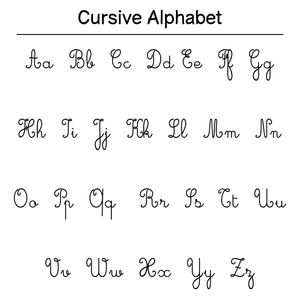
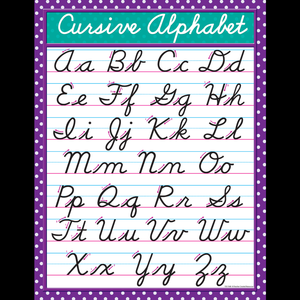
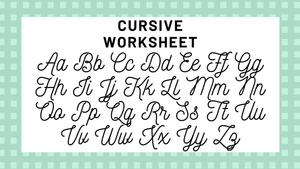
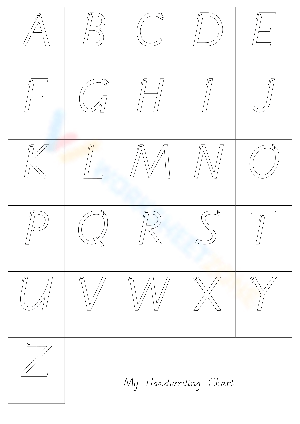
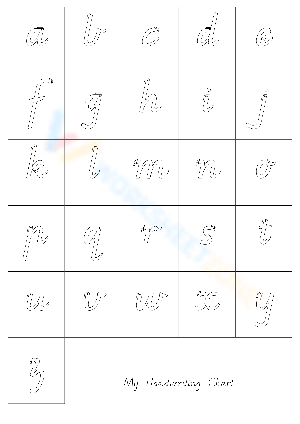
These cursive letters chart handwriting worksheets for 3rd grade give teachers a ready-made reference that students use throughout the school day — during writing block, morning work, centers, or a quick individual check — without requiring the teacher to stop and reteach a start point or stroke direction. Each worksheet pairs a clear alphabet model with structured practice that moves from tracing into open independent writing lines. The set targets both letter formation and the join patterns Grade 3 students need before cursive writing can feel automatic.
The Specific Skills Each Worksheet Targets
Each worksheet in the set addresses a distinct component of cursive rather than repeating the full alphabet in the same format each time. The skills build toward connected, readable writing across a sequence:
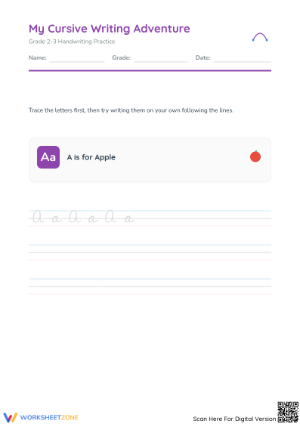
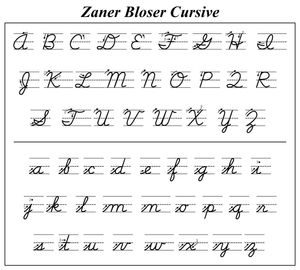
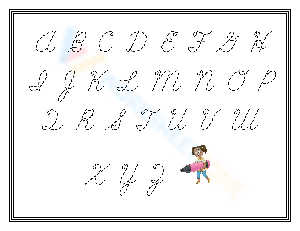
- Uppercase and lowercase formation: Students see both letter forms on the same reference and trace each one before writing independently, so there is no confusion about which form to use mid-sentence.
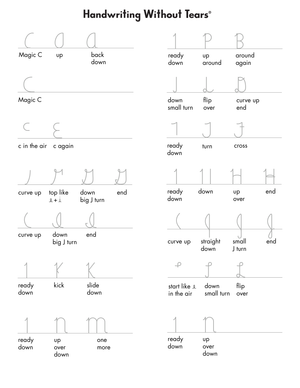
- Stroke directionality: Arrows and numbered start points show exactly where the pencil begins and how it moves — not just what the finished letter looks like.
- Letter joins and connections: Each worksheet includes words and short phrases after isolated letter practice so students experience how letters link in real writing, not just how they stand alone.
- Baseline alignment and letter height: Ruled handwriting lines help students keep ascending letters tall and descending letters dropping consistently below the baseline — two of the most visible readability problems in third-grade cursive.
- Independent reproduction: After tracing, students write letters, words, or short sentences without guidance. That section shows what they actually remember, not just what they can follow.
Student Errors Worth Catching Before They Stick
The most common problem in Grade 3 cursive is not forgetting letter shapes entirely — it is the entry stroke. Students learn that cursive letters connect, but many start letters mid-body rather than swinging up from the baseline. The result is a letter that looks roughly right in isolation but disconnects or collides the moment it sits inside a word. This shows up most clearly with b, f, p, and v, where the baseline entry is long and easy to skip. A visible chart during word-level practice helps students catch the error before the wrong habit is set.
The second pattern to watch: inconsistent letter height across a sentence. A student will write a clean, tall l at the start of a word and then gradually compress it until it matches the height of an a by the third repetition. This is a fatigue-and-attention issue, not a knowledge gap — the student usually knows what the letter should look like. Ruled lines on each worksheet address it structurally, but the improvement only transfers if teachers ask students to compare one ascending letter per sentence against the chart before turning in work.
Building These Worksheets Into Your Lesson Plans
A 10-minute daily block outperforms a longer weekly handwriting session for Grade 3 students — shorter, consistent practice gives the motor repetition needed to stabilize letter forms. The sequence that holds up in real classrooms: model one or two letters on the board while referring to the chart, have students trace those forms on the worksheet, then shift to writing a word or short sentence using those same letters without any tracing support. End with a 90-second self-check: circle the neatest letter, compare spacing in one word to the chart, correct one letter before handing the worksheet in.
Keeping a reduced-size version of the cursive letters chart handwriting worksheets for 3rd grade taped inside each student's writing folder cuts interruptions during independent ELA time significantly — often from five or six hand-raises per block down to one or two. Students check, fix, and keep writing rather than waiting for the teacher to come over and identify an entry-stroke problem they could find themselves.
For centers, a laminated chart at the handwriting station lets students trace with a dry-erase marker before picking up a pencil. One worksheet per center visit keeps the rotation focused and easy to reset. For homework, sending home the same chart format students already recognize from class removes the confusion of learning a new reference layout mid-unit.
Standard Alignment
These worksheets support CCSS.ELA-LITERACY.L.3.3, which asks third graders to apply language conventions appropriate to their grade-level writing tasks, and connect directly to the legibility demands embedded in CCSS.ELA-LITERACY.W.3.6, where students produce written work that communicates clearly. Many states also carry explicit cursive mandates beginning at Grade 3, the instructional window when students move from print to connected writing for everyday classroom tasks. The worksheets fit that transition: they assume some prior cursive exposure and build toward the consistency and letter-join automaticity that standards-aligned writing tasks require at this level.
Adapting the Set Across Ability Levels
Students with fine-motor challenges benefit from working with a reduced letter set per session rather than a full alphabet review. Selecting the four or five letters that appear most often in a student's current writing samples keeps practice purposeful. A student writing book responses who keeps distorting q, u, o, t, and e improves faster by practicing those letters in the word "quote" than by working through an unrelated letter sequence. The chart stays the same reference; what changes is how narrowly the teacher assigns the practice section.
For students who already form letters with reasonable accuracy, the value of the cursive letters chart handwriting worksheets for 3rd grade shifts to join accuracy and rhythm. Ask those students to skip the tracing lines and move directly to the word and sentence sections. Timing a short sentence and repeating it — aiming for consistent letter size rather than a faster clock — builds fluency without reinforcing sloppy habits. Speed before consistency usually means students are just reproducing their existing errors more quickly.
Students with identified fine-motor needs may benefit from wider-ruled versions or a finger-trace step before picking up the pencil. The chart still functions as their reference; the adjustment is in how much independent writing is expected before they demonstrate a stable letter form.
Frequently Asked Questions
Is this set right for students who are just starting cursive or only for those already learning it?
The set works for both. Students with no prior cursive experience use the tracing lines to attempt correct letter forms from their first session. Students who have had some instruction but lack consistency move more quickly to the word and sentence sections and use the chart to identify the specific joins causing readability problems.
Can the chart be displayed as a classroom anchor chart and also given to individual students?
Yes. The PDF scales cleanly to tabloid or poster size for wall display and prints clearly at standard letter size for individual use. Many teachers run both at the same time — one posted near the board for direct instruction, one inside each writing folder for independent reference — because the consistent visual model is the same in both formats.
How do teachers decide which worksheet to assign on a given day?
The most practical approach is need-based assignment rather than linear order. Pull three or four student writing samples from the previous day, identify the two most common letter or join errors, and assign the worksheet that targets those. For students whose work shows no specific error pattern, assign by the letter group that appears most in the week's writing tasks.
Does this set address the cursive letters chart handwriting worksheets for 3rd grade expectations for both manuscript-to-cursive transition students and those introduced to cursive from the start?
Yes. Students transitioning from print often struggle most with entry strokes and joins — areas the word-practice sections specifically address. Students introduced to cursive directly sometimes develop inconsistent letter height and slant, which the ruled lines and self-check format help correct. The reference chart functions as the anchor for both groups because it shows correct form rather than prescribing a particular prior experience.