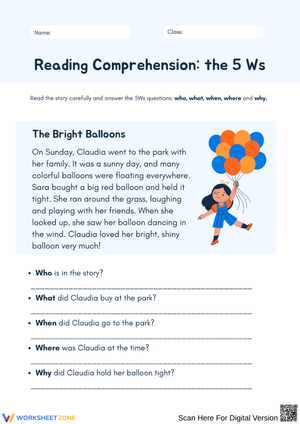
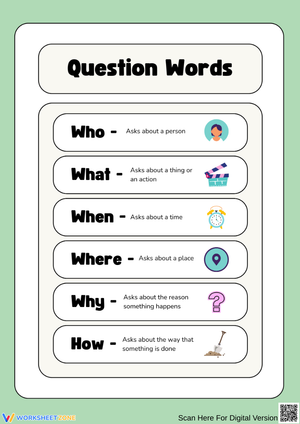
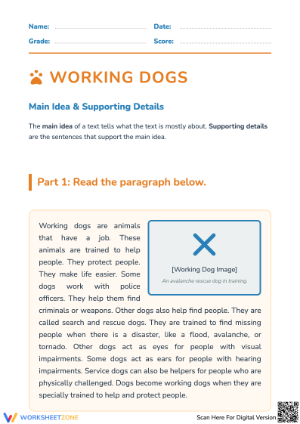
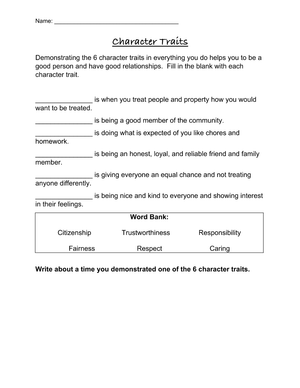
These literary elements pdf worksheets for 3rd grade give teachers a targeted set of resources for moving students from basic story retelling to genuine narrative analysis. Each worksheet focuses on one element — character, setting, plot structure, or theme — so practice can be sequenced in a way that builds real understanding before the next concept arrives. The set runs from the most concrete skills (naming characters, identifying where a story takes place) up through the harder interpretive work of distinguishing theme from plot summary.
Error Patterns Worth Catching Early
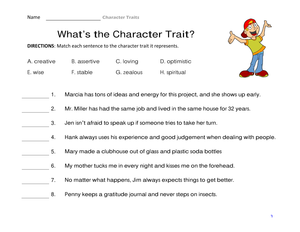
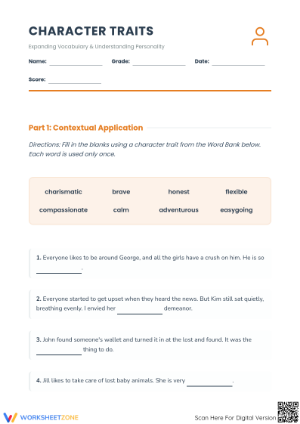
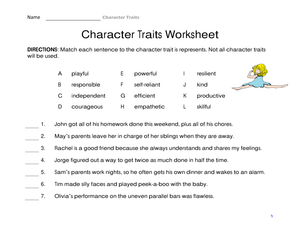
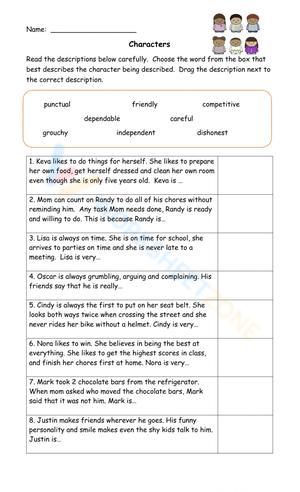
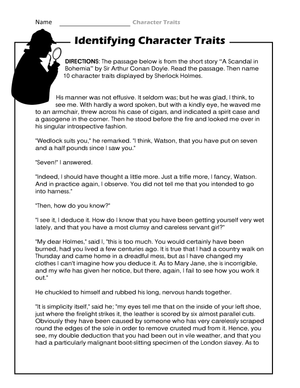
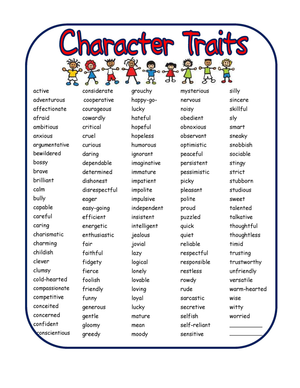
The most persistent error at this grade level is conflating character feelings with character traits. A student analyzing Charlotte's Web will write "Wilbur is scared" as a trait — which is accurate for one scene but describes a temporary emotional state, not a recurring feature of his personality. Worksheets that require students to cite a specific text example alongside every trait they name force this distinction in a way that class discussion rarely does. Without the evidence requirement, students copy the first adjective that came to mind and move on.
Theme identification presents a different but equally predictable problem: students write a plot summary instead of a lesson. The typical 3rd-grade answer looks like "the theme is that the mouse found the cheese" — a paraphrase of events, not a statement of meaning. A worksheet that separates "what the main character did" from "what the reader is supposed to learn" gives students two distinct tasks and creates the cognitive friction they need to notice the difference. Short fables work well here because the moral is identifiable enough that students can practice the theme-writing format before the concept requires genuine inference.
Setting presents a subtler sticking point. Most students can name the location — "a farm," "a forest" — but stop there. Understanding how setting shapes mood, or why an author placed a conflict in one environment rather than another, rarely surfaces without a direct prompt. Worksheets that ask students to find two exact words from the text that create atmosphere push past the surface-level location answer and into the kind of close reading RL.3.1 actually requires.
The Skills Covered Across the Set
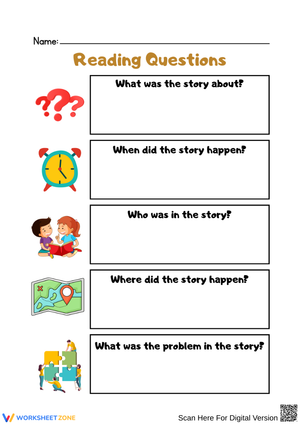
The four narrative elements addressed here anchor 3rd-grade reading instruction under both Common Core and most state-level ELA frameworks. Character worksheets ask students to identify internal and external traits, draw evidence from the text, and explain how specific actions push the plot forward — moving past labeling a character "nice" or "mean" into reasoning about why those traits matter to the story. Setting worksheets ask students to distinguish time from place and to annotate the sensory language an author uses to build atmosphere. Plot worksheets use a story-structure format where students identify the conflict, sequence the key events, and explain the resolution in their own words. Theme worksheets consistently use short fables or folktales so students can practice the lesson-vs.-plot distinction before working with narratives where the theme is less explicit.
- Character: internal and external trait identification, text-evidence citation, explaining how character decisions move the plot forward
- Setting: time, place, and mood distinctions; sensory detail annotation; how a shift in setting affects the story's tone
- Plot structure: introduction, conflict, rising action, and resolution; event sequencing; cause-and-effect relationships between events
- Theme: separating lesson from plot summary; connecting character outcome to central message; identifying the moral in fable and folktale formats
Lesson-Planning Notes for Getting the Most From This Set
The most effective sequence is to teach one element at a time across a full week, using every text the class encounters — read-aloud, small-group book, independent reading — as a source for practicing that single element. When students analyze setting in the Monday read-aloud, the Tuesday small-group text, and their own independent reading on Thursday, they start to see how setting functions across different genres and writing styles, not just in the example passage on the worksheet. That repetition across multiple texts does more for durable understanding than covering all four elements in the same week.
For literacy centers, each worksheet makes a self-contained station task. A "Character Corner" where students complete the character-trait worksheet using a book they are already reading requires almost no setup and keeps the practice connected to authentic reading. The worksheets also work well as Monday warm-ups — five minutes after morning meeting to revisit Friday's text through a focused analytical lens — and as formative checks before moving from one element to the next. If most students' theme worksheets still read like plot summaries at the end of the week, that is useful data before the unit assessment.
Using the Set Across Different Ability Levels
For students who are still building decoding fluency, use familiar texts — fairy tales and picture books they have already heard read aloud — so that identifying the literary element is not competing with the cognitive load of processing new vocabulary. A student who already knows The Three Little Pigs can direct full attention to naming the conflict and resolution without splitting focus between comprehension and structural analysis.
Students who move quickly through grade-level material benefit most from the theme and character worksheets, where the analytical demands stretch easily. Asking them to compare how the same element functions differently across two short stories from the same week — how setting shapes the conflict in one text versus another, for instance — uses the same worksheet format but adds an interpretive layer that keeps the work genuinely challenging. For students who receive intervention support, the plot-structure worksheet with its story-mountain format provides a clear graphic organizer rather than open-ended questions, which reduces the uncertainty that can stall students before they write a single word.
Standard Alignment
CCSS.ELA-LITERACY.RL.3.3 requires students to describe characters and explain how their actions contribute to the sequence of events — the character analysis worksheets target this directly. CCSS.ELA-LITERACY.RL.3.2, which covers recounting stories and determining the central message or moral, anchors both the plot and theme worksheets. Setting worksheets connect most closely to CCSS.ELA-LITERACY.RL.3.1 and the expectation that students support observations with explicit textual evidence. Taken together, these literary elements pdf worksheets for 3rd grade address the full narrative analysis cluster in RL.3 and give teachers a low-stakes formative tool before the skills appear on end-of-unit or district assessments.
Teachers in states that have adopted standards close to but not identical to Common Core will find the skills alignment nearly unchanged. Character, setting, plot, and theme at 3rd grade appear in virtually every state-level ELA framework regardless of the specific standard code used.
Frequently Asked Questions
When in the year should theme worksheets be introduced?
Theme is harder than the other three elements and works best introduced in the second quarter, after students are comfortable using textual evidence to support observations about characters and setting. Starting with fables helps — the moral is explicitly stated in many traditional examples, so students practice writing a theme statement before the skill requires real inference. Literary elements pdf worksheets for 3rd grade that use fable passages for the theme section make this sequencing easier because the text selection does part of the instructional work.
How do I address the character traits versus temporary feelings confusion?
This distinction comes up in almost every 3rd-grade classroom. The clearest way to handle it is through direct comparison: put a sentence from the text on the board and ask whether the word describes how the character acts in most situations or only in this one moment. "Wilbur is frightened when he hears he will be killed" describes a situation-specific reaction. "Wilbur is trusting because he believes Charlotte every time she makes a plan" describes a consistent pattern. The character analysis worksheets ask for a text example alongside each trait precisely because that evidence-gathering step surfaces the distinction naturally, without requiring a separate lesson on the difference.
Can these worksheets be used with any text, not just the passages included?
Yes — and that flexibility is one of the main practical advantages of this format. Each worksheet provides the analytical frame (the prompts, graphic organizer structure, and response format) without locking students to a specific passage. Teachers can apply any worksheet to a current read-aloud, a class novel, or a leveled reader from a guided reading group. For teachers building a unit around a specific anchor text, the literary elements pdf worksheets for 3rd grade format lets every worksheet contribute to the same close reading of one story, rather than fragmenting student attention across multiple disconnected passages.
What is the quickest way to help students who keep confusing plot and theme?
The student-friendly version that tends to stick is this: write one sentence about what the main character did, then write one sentence about what a reader should learn from watching that character. Keeping those two responses in separate boxes — which is how the theme worksheets in this set are structured — prevents the answers from blurring together. Students who still conflate the two after completing the worksheet usually need a brief spoken explanation of their own written answer. That conversation takes about two minutes at a small-group table and is far easier to have when you have the student's worksheet in front of you showing exactly where the thinking went sideways.












 Interactive Worksheet Maker
 Quiz Maker
 Word Search Maker
 Crossword Puzzle Maker
 Word Scramble Generator
 Sentence Scramble Generator
 Handwriting Worksheet Generator
 Name Tracing Generator
 Fill In The Blank Generator