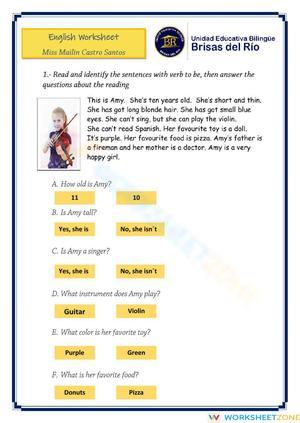
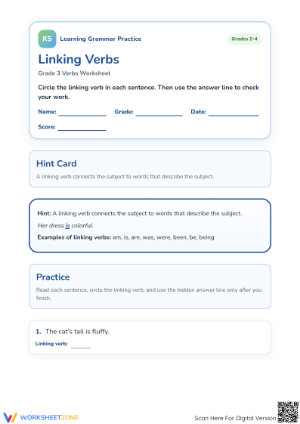
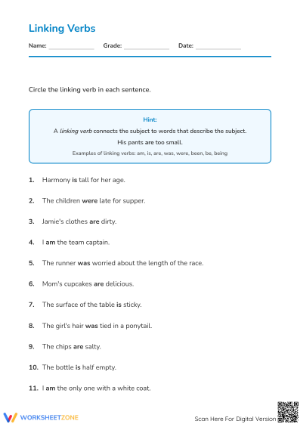
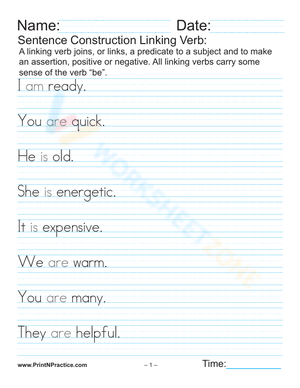
These 3rd grade linking verbs worksheets give teachers a focused set of grammar practice activities for one of the most conceptually slippery verb units in elementary ELA. Third graders who have spent two years learning that verbs show action suddenly have to reckon with verbs that just sit there and connect things. The set targets that specific conceptual shift — from motion to state — with exercises built around identification, discrimination, and application.
The Specific Skills Targeted
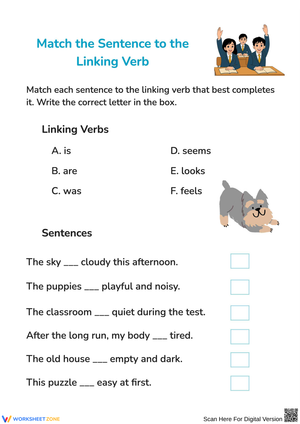
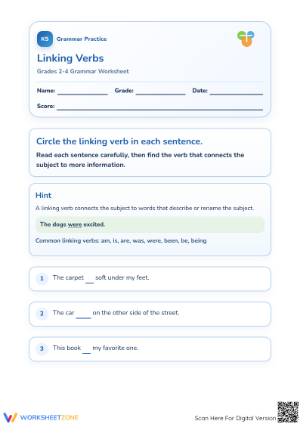
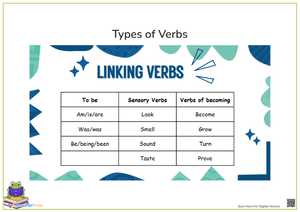
Each worksheet addresses a distinct slice of the linking verb concept rather than trying to cover everything at once. The core forms of to be — am, is, are, was, were — appear across multiple worksheets so students encounter them in varied sentence types, not just repeated drills. From there, the tasks move into more demanding territory:
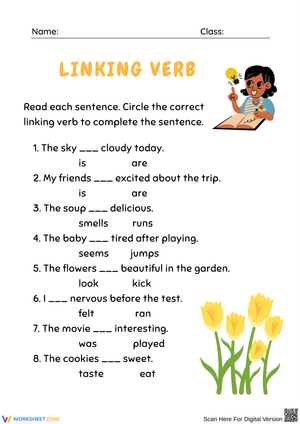
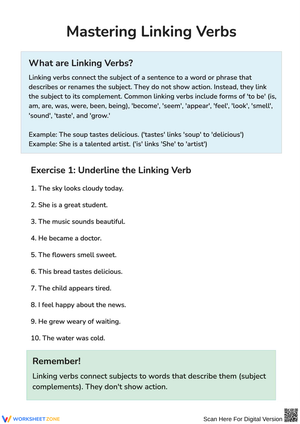
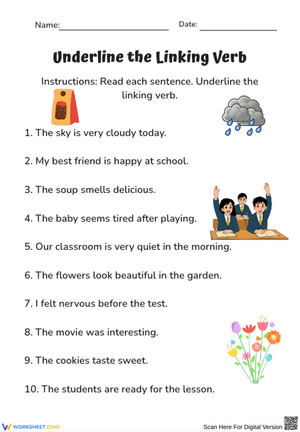
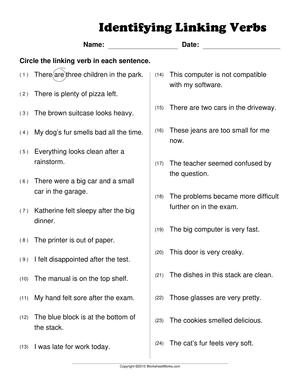
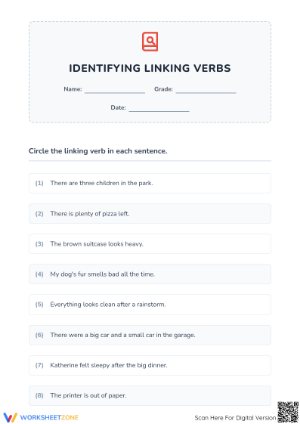
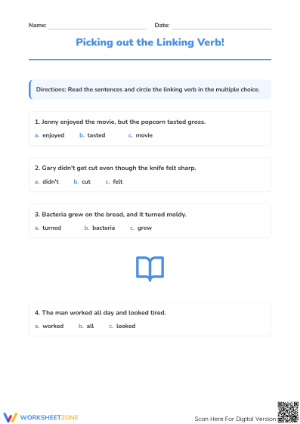
- Underlining or circling linking verbs in provided sentences
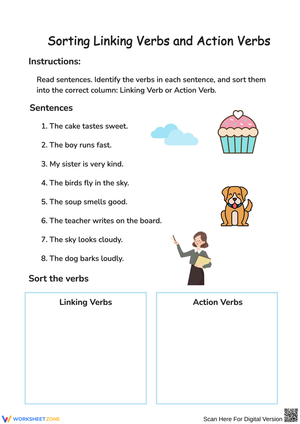
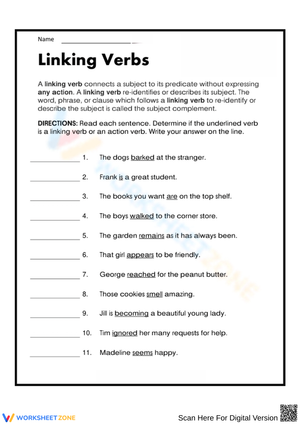
- Sorting mixed verb lists into "action" and "linking" categories
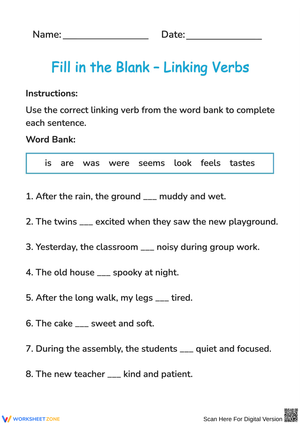
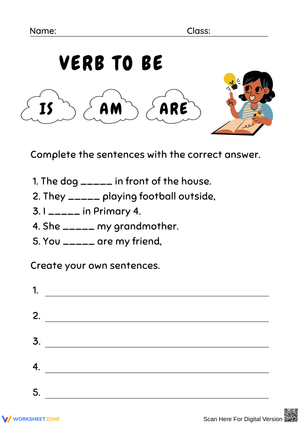
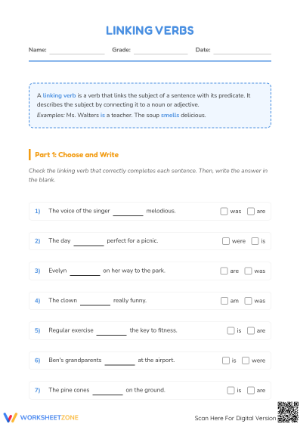
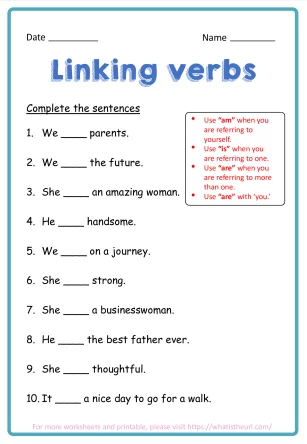
- Selecting the correct verb form to match a given subject — is vs. are, was vs. were
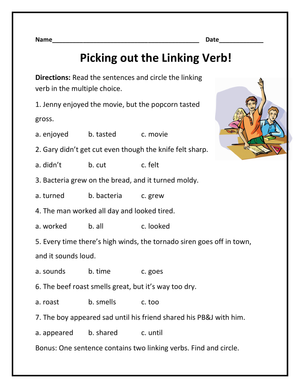
- Identifying whether sensory verbs like look, smell, and feel function as linking or action verbs depending on context
- Writing original sentences using a prompted linking verb
The sensory verb worksheets deserve separate mention. Students who move through is and are without trouble often stall when they reach tastes or feels — words they already know as action verbs, now appearing in a linking role. That's not confusion; it's an accurate signal that the concept has genuinely gotten harder, and the worksheets treat it accordingly.
Mistakes Students Make That These Worksheets Help You Catch
Subject-verb agreement is the error pattern that shows up most reliably at this level — students write is with a plural subject ("The dogs is barking," "My friends was there") even after demonstrating understanding in isolation. What makes it persistent is that students often produce the correct form during direct practice, then revert under the cognitive pressure of composing a full sentence. The worksheets in a 3rd grade linking verbs worksheets set surface those lapses in low-stakes practice before they harden into writing habits.
The subtler errors show up on sensory verb exercises. A student correctly identifies tastes as a linking verb in "The soup tastes salty," then circles smells as linking in "She smells the bread" — because the word looks identical to one already sorted correctly. The substitution test handles this well: swap in is and check whether the result still describes the subject's state. "The soup is salty" works; "She is the bread" does not. Running one or two contrasting pairs as a class before independent work eliminates most of this confusion before it starts.
Lesson-Planning Strategies for Getting the Most From These Worksheets
Most teachers find a gradual-release sequence works best here: model the identification task whole-class first, move students into partner work on a sorting worksheet, then send them to independent practice. The transition from sorting to writing original sentences is where gaps in understanding become visible — a student who breezes through circling linking verbs in provided sentences may freeze the moment the task is "write your own sentence using became." That gap is worth catching during guided practice rather than discovering it on a unit assessment.
Within a daily routine, specific placements work well. The shorter identification worksheets make effective Monday warm-ups after morning meeting — they reactivate the concept after the weekend without demanding heavy cognitive lift at the start of the day. Sorting and subject-verb agreement exercises fit naturally into literacy center rotations, where students work through them independently while the teacher pulls a small group. The writing application worksheets belong in class rather than as homework; sending those home before students have had guided practice with them tends to generate more errors than insight.
Standard Alignment
These worksheets address CCSS.ELA-Literacy.L.3.1.a, which requires third graders to explain the function of nouns, pronouns, verbs, adjectives, and adverbs in general and their function in particular sentences. Linking verbs sit at the center of that standard — grasping that a verb can connect a subject to an adjective or noun complement rather than express action requires exactly the kind of functional analysis L.3.1.a calls for. In most classroom grammar sequences, linking verb practice lands after action verb review and before the introduction of helping verbs, giving students a reference point on both sides. They already know what action verbs do; understanding linking verbs requires them to articulate what the verb isn't doing as much as what it is.
Adjusting These Worksheets for a Range of Learners
For students still uncertain about the to be forms, posting a visible reference strip — am / is / are / was / were — removes identification from the equation as a barrier and lets the student focus on the grammar concept itself. Pair those students with the simpler worksheets first: sentence-level identification before any sorting, and sorting before any writing application. Moving too quickly to production tasks before the recognition is solid produces frustration more than learning.
Students who move through the material quickly benefit most from the sensory verb exercises and from being asked to explain their reasoning in writing. "Circle the linking verb and write one sentence explaining why you know it isn't an action verb" turns a recognition task into analysis. A strong extension: give those students a passage from a current read-aloud and have them annotate every linking verb they find. It moves the work from controlled sentences to real text — a harder and more authentic context. A 3rd grade linking verbs worksheets set used this way connects grammar practice to reading comprehension, not just isolated drill.
Frequently Asked Questions
Do students need to know terms like "predicate adjective" before using these worksheets?
No. The language throughout the worksheets stays accessible — "describing word" stands in for predicate adjective, and the directions frame the linking verb as connecting the subject to information about it, rather than using technical predicate terminology. Teachers who want to layer in the formal terms can do so; the worksheets function without them.
How do these worksheets handle the overlap between linking verbs and helping verbs, since forms of to be appear in both roles?
The sentences on the worksheets are constructed so that am, is, are, was, and were function as linking verbs throughout. That means no progressive constructions — "is running," "were jumping" — appear in linking verb exercises. The distinction between linking and helping uses of to be is a separate instructional point. Teachers typically address it once students are solid on linking verb identification, not before.
Which worksheets in the set work best as homework, and which are better kept for class?
Identification and basic sorting worksheets travel well as homework once the concept has been introduced in class — students can complete them independently. The writing application exercises and the sensory verb tasks work better in class, where a teacher can step in before a misunderstanding becomes a pattern. Using 3rd grade linking verbs worksheets for the simpler practice as take-home assignments and reserving the contextual and production tasks for guided class time is a practical split that most teachers find worth keeping.












 Interactive Worksheet Maker
 Quiz Maker
 Word Search Maker
 Crossword Puzzle Maker
 Word Scramble Generator
 Sentence Scramble Generator
 Handwriting Worksheet Generator
 Name Tracing Generator
 Fill In The Blank Generator