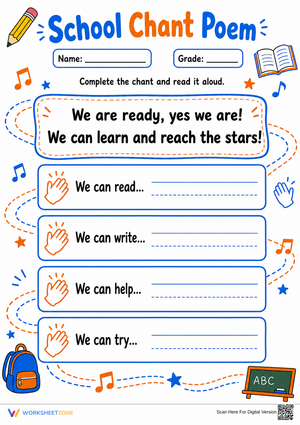
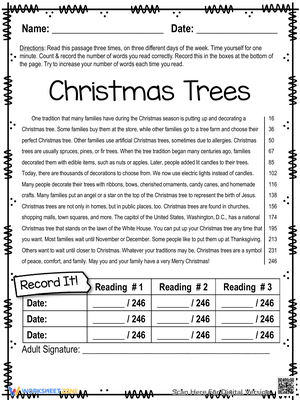
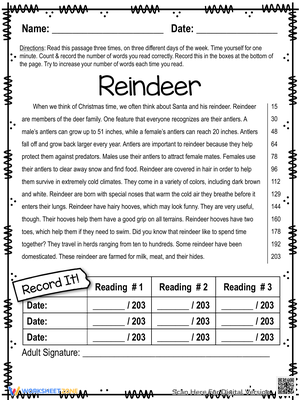
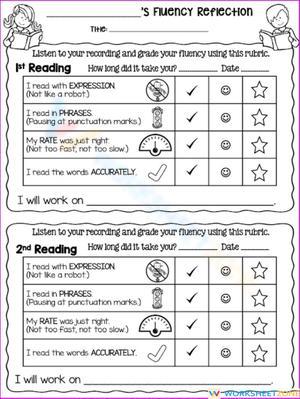
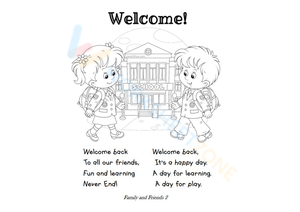
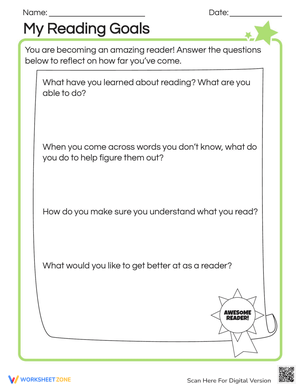
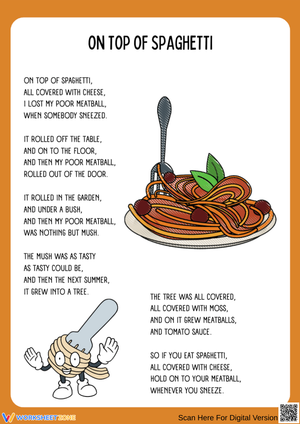
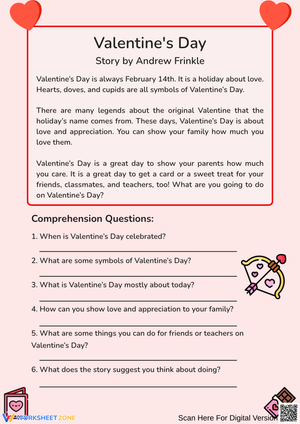
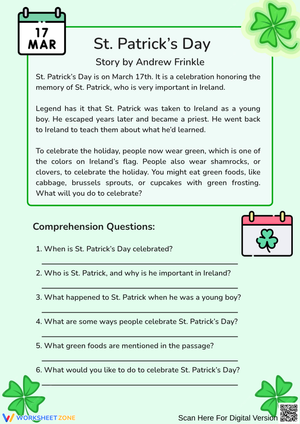
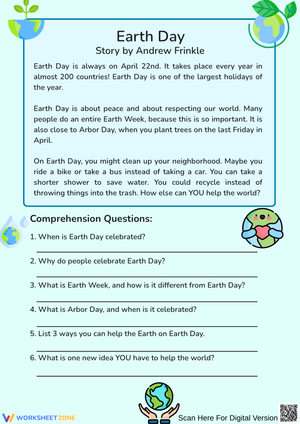
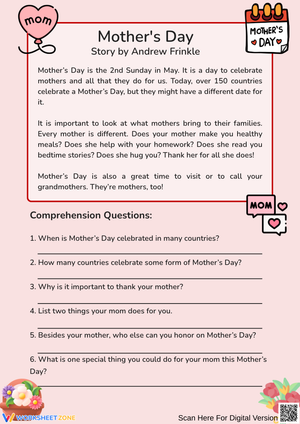
These 2nd grade reading fluency worksheets resources give teachers a ready set of targeted practice materials covering the three components that matter most at this grade level: accuracy, reading rate, and prosody. Each worksheet addresses a distinct fluency skill, so teachers can match the resource to what a student actually needs rather than moving through a fixed sequence.
The Three Skills Each Worksheet Targets
Accuracy work focuses on word-level recognition within sentence and passage contexts — not isolated flashcard drilling. Students underline sight words before reading, then mark any words they missed after a timed attempt. This gives teachers a quick visual of exactly which high-frequency words still require conscious decoding rather than automatic retrieval.
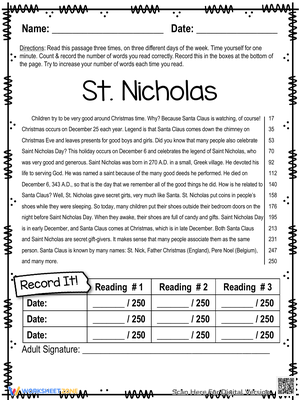
Rate practice centers on repeated reading passages with built-in tracking for words correct per minute (WCPM). Students read a short passage, count words read correctly in one minute, record the score, and re-read. Each worksheet provides three attempt lines so the improvement within a single session is visible. A reasonable mid-year target falls in the range of 70 to 90 WCPM, though individual trajectories vary considerably. A student at 65 WCPM with strong comprehension is often in better shape than one hitting 95 WCPM while regularly skipping words.
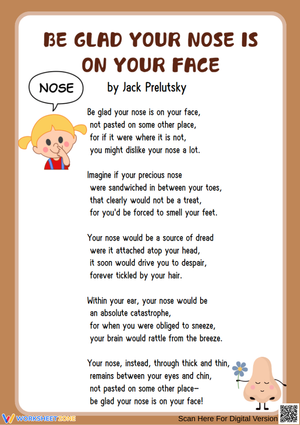
Prosody worksheets in this 2nd grade reading fluency worksheets set use phrasing scoops — arcs drawn beneath groups of words that belong together syntactically. Students mark the scoops first, then read the passage aloud following them. Dialogue-heavy passages appear throughout because they require students to shift tone and pace in ways that flat declarative sentences don't demand.
Patterns in Student Work That Teachers Need to Catch Early
The most persistent problem at this level isn't inaccuracy — it's the student who reads every word correctly but in a flat, word-by-word cadence that sounds like someone reading a grocery list aloud. A WCPM score won't flag this. On a prosody rubric, that student still sits at a 1 or 2, and the risk is that strong accuracy data leads a teacher to assume fluency is developing on track when it isn't.
Rate anxiety is the other pattern worth watching. Once students understand that speed is being measured, a subset will rush — dropping accuracy from 95 percent to around 85 percent in order to improve their word count. The result is a higher WCPM figure that actually signals less fluency, not more. These worksheets include a prompt directing students to mark errors before calculating their score, which makes the accuracy component harder to skip and keeps the progress data honest.
A subtler error: students who pause between sentences but read right through the commas and dashes inside them. They've learned that a period means stop but haven't internalized that internal punctuation also calls for a breath and a slight drop in pitch. Several prosody worksheets in the set address this directly by asking students to circle each comma and add a small breath cue before reading the passage aloud.
Smart Ways to Build These Worksheets Into Your Weekly Schedule
The structure that works most reliably is pairing a new worksheet on Monday and timing the same passage again on Friday. Students do one or two re-reads across the week — sometimes with a partner, sometimes independently — and the Friday timing becomes a low-stakes progress check rather than a cold assessment. The improvement from Monday to Friday is often the clearest evidence of growth a second grader experiences all week, and it tends to build the kind of sustained motivation that a single one-shot timed test never produces.
For schools running literacy rotations, a fluency station with 12 to 15 minutes blocked works well for any of the following tasks:
- Partner timed reading, with one student tracking errors while the other reads aloud
- Independent phrasing scoop work on a new passage, followed by one re-read with the scoops in place
- Echo reading with a teacher-recorded model, using the same passage the student will time later in the week
The 10 minutes before afternoon specials or the transition window after morning meeting are also workable slots. These passages are short enough for a full timed read and one re-read in that window, which adds up to real cumulative practice across five school days.
Using the Worksheets for Progress Monitoring
Running a 2nd grade reading fluency worksheets passage as a progress check every two to three weeks gives teachers a lightweight data record without requiring a separate assessment instrument. Each rate worksheet includes a tracking line for date, words attempted, errors, and words correct per minute. That record is concrete enough to anchor a parent conference or an SST conversation: "She read 58 WCPM in early October and 76 WCPM by mid-November" carries more weight in those settings than a percentile band does.
Prosody requires a different kind of measure. A simple four-point rubric — 1 being word-by-word reading with no expression, 4 being phrasing-appropriate expressive reading that reflects genuine engagement with the text — captures what rate data misses entirely. Teachers can score prosody during a read-aloud at the fluency station while other students work independently. The combination of a rate figure and a prosody rating gives a more complete picture than either number alone and takes under two minutes per student to gather.
Adjusting the Worksheets Across a Range of Learners
For students reading below grade level, lower passage complexity before targeting rate. A student reading below 50 WCPM is still spending a significant share of working memory on decoding — pushing for speed in that condition builds frustration, not fluency. The phrasing and prosody worksheets work well at lower text levels because the task structure stays constant; only the passage difficulty changes. Students get the benefit of the format without the cognitive overload of grade-level vocabulary.
Students reading well above grade level get more out of the prosody and expression worksheets than the rate exercises. They're already fast enough. A more productive challenge is asking them to annotate a passage before reading — marking where they'd slow down, lower their volume, or shift tone — and then reading with those choices deliberate and visible. That kind of expressive work connects directly to the literary analysis tasks they'll encounter in third and fourth grade.
For English language learners, the phrasing scoop worksheets are especially practical because they make syntactic structure visible in a way that purely oral instruction doesn't. A student who hears English as a second language but can see that "the old gray dog" belongs inside one arc develops a feel for noun phrase boundaries faster than through repeated listening alone.
Standard Alignment
These worksheets address CCSS RF.2.4, which requires second graders to read with sufficient accuracy and fluency to support comprehension. The standard's three sub-components map directly onto the worksheet types in the set: RF.2.4a covers reading on-level text with purpose and understanding; RF.2.4b addresses oral reading with accuracy, appropriate rate, and expression; RF.2.4c involves using context to confirm or self-correct word recognition. RF.2.4b is the sub-standard most directly assessed during WCPM progress monitoring, while RF.2.4c shows up in accuracy worksheets where students mark miscued words and re-read for confirmation. RF.2.4 sits at second grade specifically because most students have accumulated enough phonics knowledge by this point that instruction can shift from decoding toward fluency consolidation — the goal is no longer to teach students how to decode, but to make decoding fast enough that it stops consuming the attention readers need for meaning.
Frequently Asked Questions
What WCPM targets are realistic for second graders?
Mid-year benchmarks from widely used progress-monitoring tools typically fall in the 70 to 90 WCPM range; end-of-year expectations run from about 90 to 100 WCPM. These are population averages, not pass/fail cutoffs. A student at 65 WCPM who reads with natural phrasing and answers comprehension questions accurately is making solid progress. Use the rate figure as one data point alongside a prosody rating and a brief comprehension check — not as a standalone verdict on a reader's development.
How do I keep timed reading from feeling like a test every time?
Frame the re-read as the goal, not the timed attempt. When students understand that the first read is a starting point and the second read is where real progress happens, the anxiety around the clock drops noticeably. Partner timing also helps — having a classmate mark errors feels considerably less high-stakes than a teacher standing nearby with a clipboard. The tracking lines on these worksheets are built for students to fill in themselves, which shifts ownership of the data from teacher to reader.
Do these work alongside formal reading intervention services?
Yes, with some coordination. If a student has an IEP goal tied to oral reading fluency, WCPM tracking data from these worksheets can serve as supplementary evidence between formal progress-monitoring probes. Intervention specialists can use the accuracy-focused worksheets to target specific phonics patterns still creating decoding bottlenecks — the phrasing and prosody work is better introduced once accuracy clears 90 percent on a given text level, so the student isn't managing two challenging demands at once.
Can parents use these for home reading practice?
The 2nd grade reading fluency worksheets format makes home practice easy to run. Send each worksheet home with a brief note covering three things: how to time one minute, how to mark a word as an error (mispronounced, skipped, or substituted), and what to do with the score — record it, notice improvement, don't compare it to a sibling. Most parents can facilitate a timed re-read successfully with those three instructions. The phrasing scoop worksheets are particularly well-suited for home use because they require no timing at all — the student marks the arcs and reads expressively while a parent listens.












 Interactive Worksheet Maker
 Quiz Maker
 Word Search Maker
 Crossword Puzzle Maker
 Word Scramble Generator
 Sentence Scramble Generator
 Handwriting Worksheet Generator
 Name Tracing Generator
 Fill In The Blank Generator




 BACK TOSCHOOL