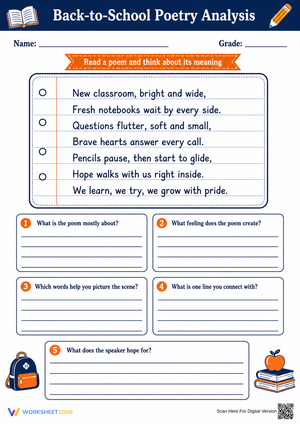
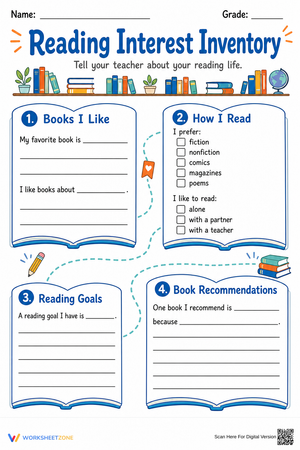
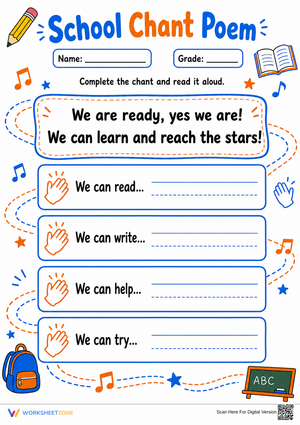
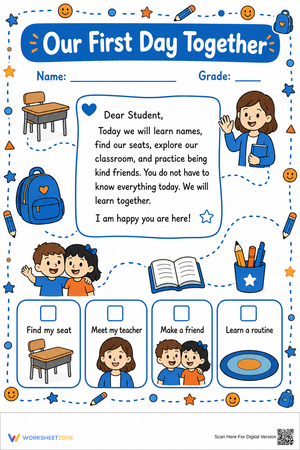
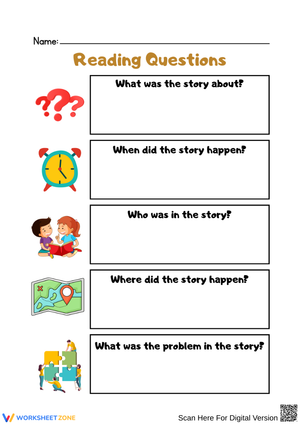
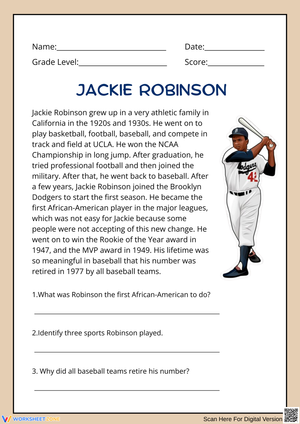
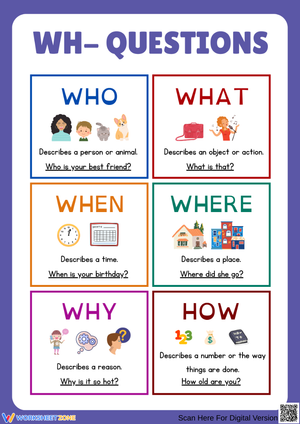
2nd grade reading printable worksheets give teachers a direct, low-prep way to target the skills second graders need as they move from sounding out words to understanding what those words mean in combination. This is the grade where comprehension instruction takes over as the primary work — where fluency, text structure, and vocabulary all intensify at once — and having targeted practice resources on hand keeps that instruction grounded in daily student output.
Skills These Worksheets Build
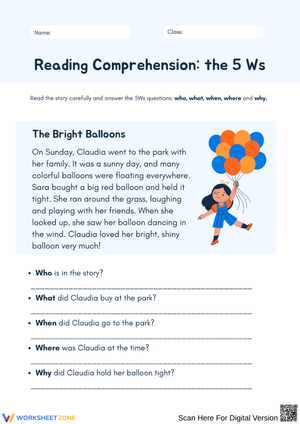
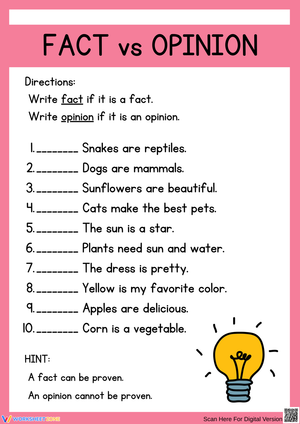
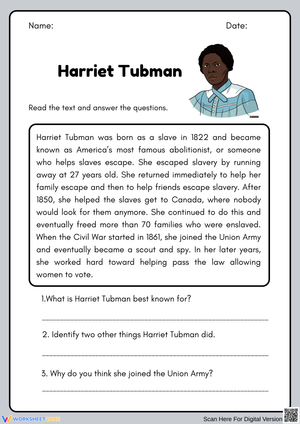
The set targets the benchmarks that define second-grade reading instruction, built around complete passages from both narrative and informational texts. The skills covered include:
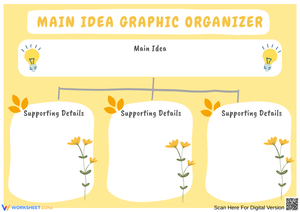
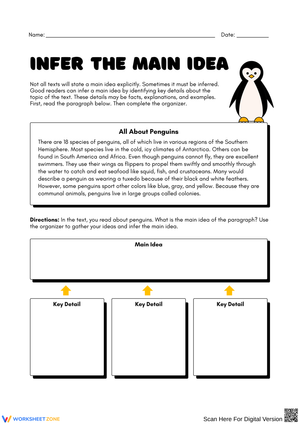
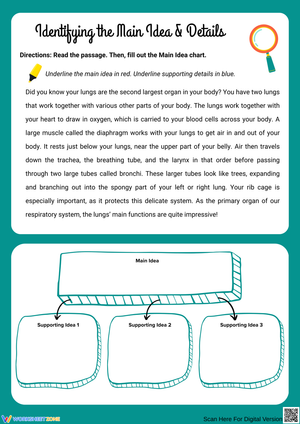
- Main idea and supporting details — identifying the central point of a passage and selecting evidence that supports it, not just the first detail students notice
- Sequence and story structure — arranging events in order and recognizing how structure differs between fiction and nonfiction
- Character analysis with text evidence — describing characters using specific lines from the text rather than surface impressions
- Author's purpose — distinguishing between texts written to inform, persuade, or entertain
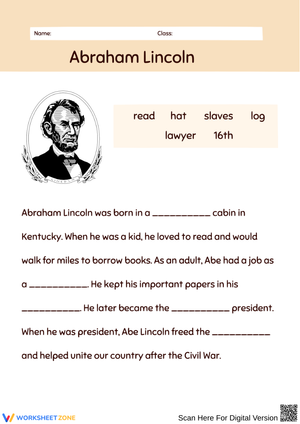
- Context clues — using surrounding sentences to work out the meaning of unfamiliar words
- Nonfiction text features — reading headings, captions, bold vocabulary, and tables of contents as purposeful tools
Each worksheet stays within one or two of these skills so students are not spreading their attention across competing demands at once. Across the set, 2nd grade reading printable worksheets ask students to underline, annotate, circle, and rewrite — not just bubble in answers — which makes thinking visible and makes errors easier to diagnose.
Mistakes Students Make That These Worksheets Help You Catch
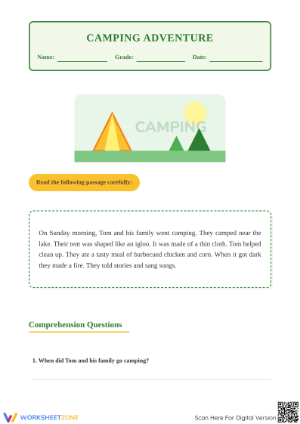
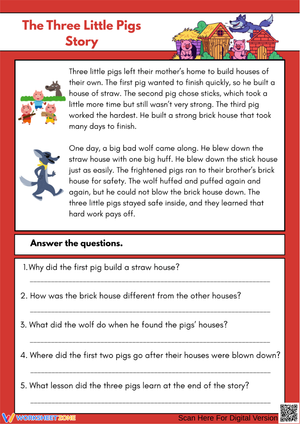
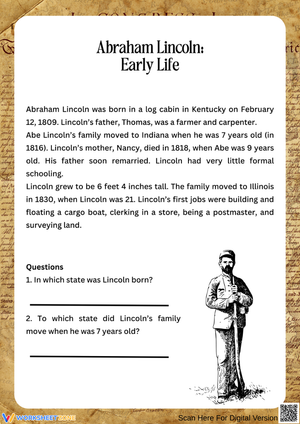
The most consistent error at this grade level is confusing "main idea" with "what comes first." Ask a second grader what a passage is mainly about, and many will give the first interesting detail rather than the central point. A student reading a paragraph about monarch butterfly migration might write "The butterfly lays eggs" as the main idea — because that sentence appeared early — even though the paragraph covers the full migration cycle. Each worksheet that targets main idea is structured to push past that reflex: students read all the supporting details before selecting the main idea, reversing the instinct to stop at the first plausible answer.
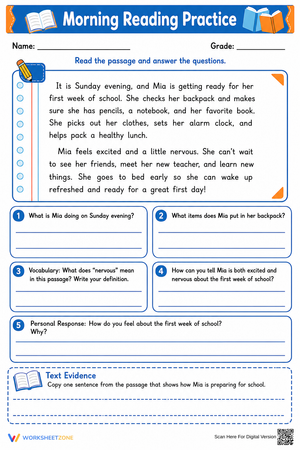
Text evidence is the other predictable gap. Students will say a character is "brave" or "kind" and, when asked to prove it, write "because it says so in the story" while gesturing vaguely at the passage. Second graders have not yet internalized what it means to locate a specific sentence. These worksheets address that directly — students underline the exact line supporting their answer and then copy it out. That two-step move makes the instruction "go back to the text" concrete enough to practice repeatedly rather than remaining a teacher reminder that students nod at and ignore.
How to Fit These Worksheets Into Your Literacy Block
The most effective use of 2nd grade reading printable worksheets is as a follow-up to shared reading rather than a stand-alone activity. Walk through a read-aloud, pause to model annotation or questioning, then release students to a parallel passage on a worksheet where they apply the same moves independently. That gradual-release structure works because students carry the strategy into a new text while the instruction is still fresh in working memory. Holding the worksheet until Friday means students practice without the anchor of the modeling that made the strategy make sense in the first place.
During small group work, individual worksheets work well for focused skill practice with three or four students at the same reading level. Read the passage aloud together for fluency, then have each student answer the comprehension questions independently while you observe. Watching a student's pencil — where they pause, what they cross out, what they leave blank — is more diagnostically useful than asking those same questions in a group discussion where stronger readers answer first. For independent center time, choose worksheets where the directions are explicit enough that students can begin without asking for help. If a student freezes at an unfamiliar passage format, that is useful information about their independence level, not a sign the worksheet is wrong for them.
Standard Alignment
These worksheets address CCSS ELA strands RL.2.1 and RI.2.1 — asking and answering questions using specific text details — through the evidence-based response questions built into most of the set. RL.2.2 (recount stories and determine central message) and RI.2.2 (identify main topic and key details) are the direct targets in the summarizing and main-idea worksheets. Character analysis tasks align with RL.2.3, which requires students to describe how characters respond to major events and challenges. Vocabulary work — particularly the context clue exercises — connects to RL.2.4 and RI.2.4, addressing words and phrases in connected text rather than pulling vocabulary out of any passage context. Teachers working under state-specific standards such as TEKS or LAFS will find the skills directly parallel to these CCSS anchors even where the numbering differs.
Adjusting the Set for a Range of Readers
Second grade tends to carry the widest internal reading spread of any elementary year. Some students arrive still working on blending CVC words; others are reading chapter books without support. For students still building decoding fluency, these worksheets work best when the passage is read aloud by the teacher or a partner before students attempt the questions. Separating the decoding demand from the comprehension demand lets students show what they actually understand about text structure and character — otherwise, the worksheet measures decoding, not comprehension, and conflates two different instructional problems into one unreadable score.
For students reading above grade level, extend the task without changing the resource: ask them to write a second supporting detail or to explain in writing why one of the wrong answer choices is incorrect. That metacognitive layer pushes analytical thinking without requiring a completely separate set of materials. These 2nd grade reading printable worksheets vary in passage length and question complexity across the set, so matching the right worksheet to the right group is a practical option when setting up independent centers — shorter passages for students who need more processing time, longer multi-paragraph passages for those ready to work across multiple skills in a single sitting.
Frequently Asked Questions
Do the worksheets cover both fiction and nonfiction?
Yes. The set includes both narrative and informational passages because second graders need regular exposure to both text types. Nonfiction worksheets emphasize text features, main idea with key details, and author's purpose. Fiction worksheets focus on story elements — character motivation, sequence, central message, and plot structure. Mixing both through the week reflects what we see in student comprehension data: students who read only narrative passages often struggle with the different demands of informational text when it appears on assessments.
How long are the reading passages?
Passages range from roughly 80 to 200 words. That range reflects what second graders can process and respond to within a single literacy center rotation or a short independent work block — long enough to give students meaningful text to work with, short enough to complete without the passage itself becoming a stamina issue before students even reach the questions.
Are answer keys included?
Yes, and the answer keys for open-ended questions include model responses rather than only single correct answers. That distinction matters at this grade level: a student might capture the right idea about a character but write it in a way that lacks precision. The model responses help teachers recognize those "almost there" answers and address the gap explicitly rather than marking responses simply right or wrong.
Can these be sent home for additional practice?
Each worksheet is self-contained, so students can complete it at home with only a pencil. When sending reading resources home, a brief note explaining the target skill — main idea, text evidence, context clues — helps parents give specific support rather than just checking whether the task is finished. Telling a parent to ask "Where in the story did you find that?" gives them a concrete coaching move that reinforces exactly what the worksheet is practicing.












 Interactive Worksheet Maker
 Quiz Maker
 Word Search Maker
 Crossword Puzzle Maker
 Word Scramble Generator
 Sentence Scramble Generator
 Handwriting Worksheet Generator
 Name Tracing Generator
 Fill In The Blank Generator