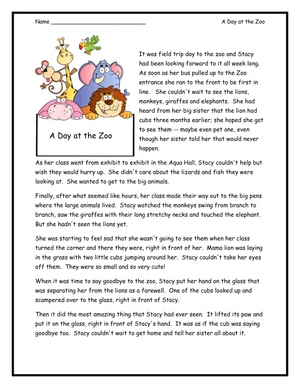
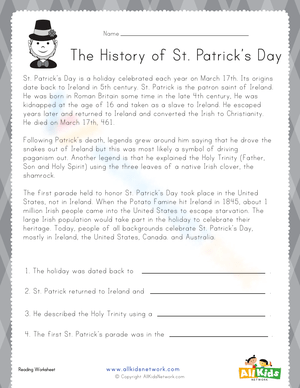
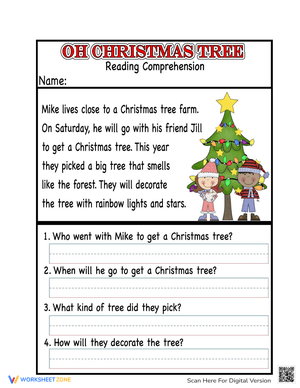
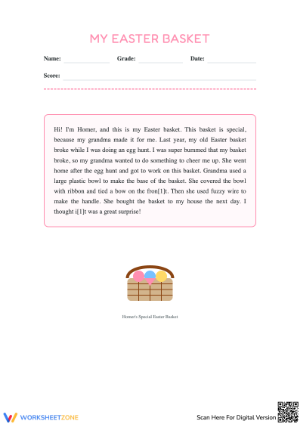
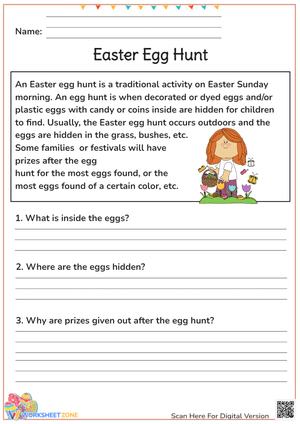
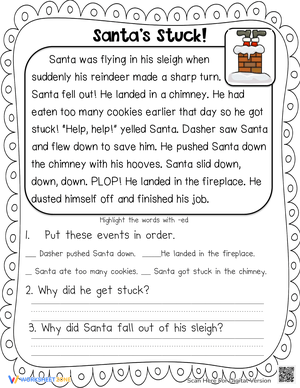
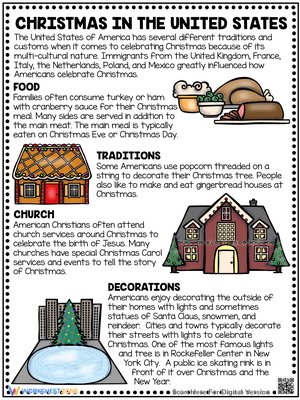
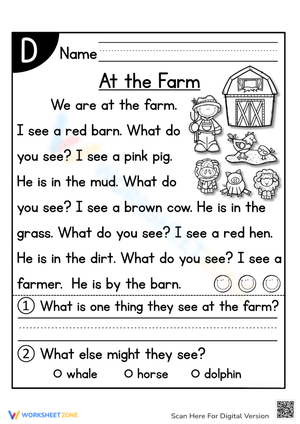
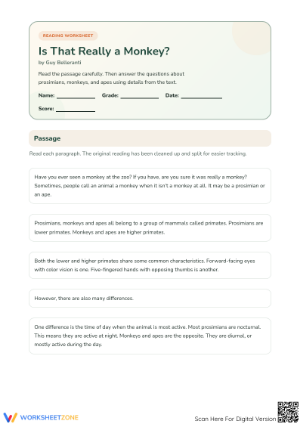
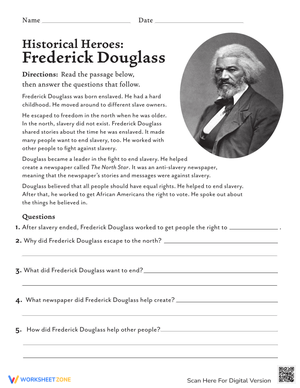
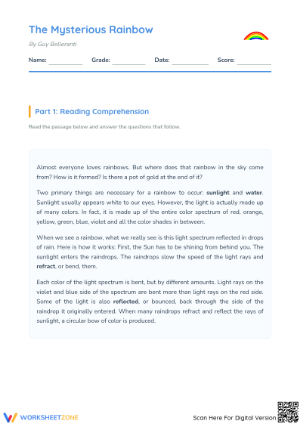
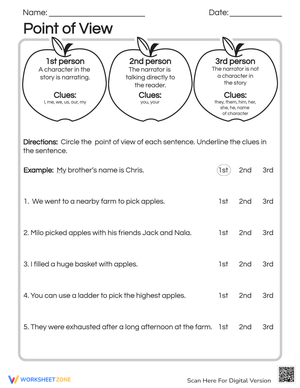
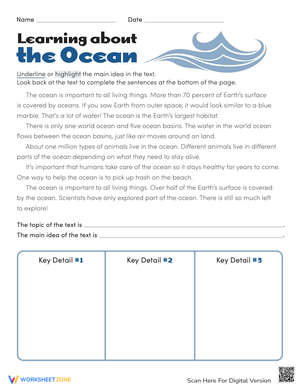
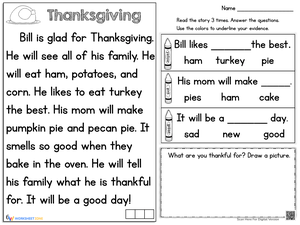
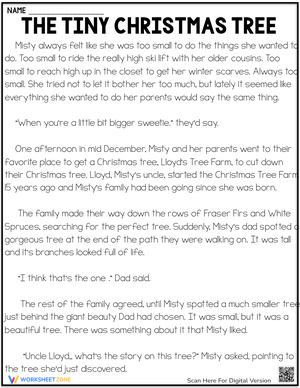
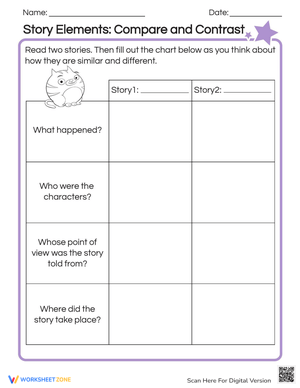
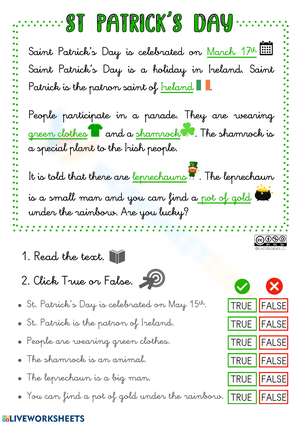
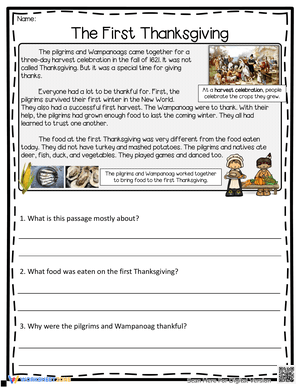
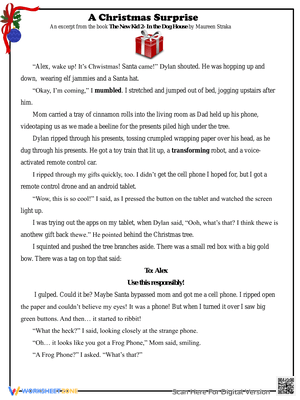
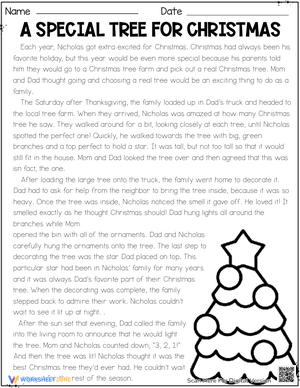
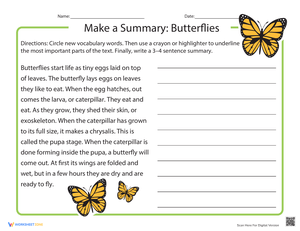
These 2nd grade reading comprehension questions printable worksheets give teachers a ready-to-use set of structured reading tasks built around the specific shift that defines this grade level — from decoding text to making meaning from it. Each worksheet pairs a short passage with targeted questions that move across three comprehension layers: literal recall, inference, and vocabulary in context. The set covers both fiction and informational text because those two genres make different demands on young readers, and second graders need deliberate practice with both.
Skills These Worksheets Build
Literal questions anchor each worksheet. Students identify characters, describe the setting, and sequence key events. These aren't filler — for students still consolidating basic print skills, literal recall confirms they tracked the passage. For stronger readers, it provides an entry point before the harder questions begin.
Inferential questions are where second-grade comprehension gets specific. Students explain why a character made a choice, interpret what a phrase suggests about someone's feelings, or predict the next event given what the author has already shown. These questions require students to return to the text — no answer exists in background knowledge alone. Vocabulary questions function the same way: students use surrounding sentences to figure out the meaning of an unfamiliar word, building the habit of working through an unknown term rather than skipping it or guessing at random.
Errors Students Make That These Worksheets Help You Catch
The most consistent pattern in second-grade inference work is what teachers sometimes call the motivation gap. A student who can retell a story in perfect sequence — every event, every character, every detail — will still write "because he wanted to" when asked to explain a character's decision. The retelling is strong, but the reasoning is circular. That student hasn't yet been shown how to pull a specific line from the text and use it as evidence. The pattern shows up clearly when you review student responses to 2nd grade reading comprehension questions printable worksheets — students who earn full marks on literal items often leave inference questions blank or give answers unconnected to anything in the passage.
Vocabulary questions produce a second predictable error. When a worksheet asks what exhausted means in the second paragraph, students who don't already know the word write "I don't know" rather than scanning the surrounding sentences. They're treating the question as a memory retrieval task instead of a reading strategy task. One quick instructional move — showing students on the document projector how the sentence before and after the target word usually contains the clue — changes how they approach the next worksheet.
How to Build These Worksheets Into Your Literacy Block
The most natural home for these worksheets is independent work during small-group rotation — the 12 to 15 minutes when the rest of the class works while you pull a reading group. That window is long enough for students to read a passage and answer six to eight questions without feeling rushed, and it keeps everyone productively occupied while you do targeted instruction at the table.
These also work well as a Monday warm-up following a weekend reading assignment, as a quick formative check after a shared reading lesson, or as a Friday review that revisits the anchor text from earlier in the week. Using 2nd grade reading comprehension questions printable worksheets consistently in one of these slots — rather than sporadically as filler — builds the reading stamina students need before the expectations jump sharply in third grade. A few teachers send these home as part of a weekly reading log; the structured format gives parents a clearer window into what their child is practicing than an open "read for 20 minutes" request does.
Adjusting the Worksheets for Different Readers in Your Class
For students who decode fluently but lose the thread across longer passages, start with the shorter fiction worksheets before introducing multi-paragraph informational text. Length is a real variable at this age — a student who comprehends a 100-word story well will often give surface-level answers on a 200-word passage simply because working memory runs out before the questions begin. That's not a comprehension deficit; it's a stamina issue, and treating it as one changes how you respond to the data.
For students still working on decoding, consider reading the passage aloud while they follow along before they attempt the questions. Comprehension and decoding are separate skills. Asking a struggling decoder to do both simultaneously produces responses that reflect their decoding difficulty — not their ability to understand text. You need accurate data on each skill independently to plan next steps.
Advanced readers benefit most from the open-ended questions in the set — items like "What did the author want you to understand, and what in the text shows that?" — which require a written response grounded in specific evidence. The habit of returning to the text to support a claim is the single most consequential thing third grade will ask of them, and second grade is not too early to begin building it.
Standard Alignment
These worksheets address CCSS.ELA-LITERACY.RL.2.1 and CCSS.ELA-LITERACY.RI.2.1, which ask students to "ask and answer such questions as who, what, where, when, why, and how to demonstrate understanding of key details in a text" — across both literary and informational text. The inferential question sets also begin preparing students for RL.2.3 (describing how characters respond to major events and challenges) and RI.2.3 (describing the connection between a series of historical events, scientific ideas, or steps in technical procedures). Keeping fiction and informational passages in separate worksheets — rather than mixing them within the same reading task — reflects how these two strands are assessed distinctly at the 2.1 level and in the grades that follow.
Frequently Asked Questions
How long does it typically take students to complete each worksheet?
Most second graders finish in 12 to 18 minutes when working independently. Students who decode more slowly will need closer to 20. If you are using a worksheet as a timed warm-up, plan for 15 minutes and allow students who haven't finished to complete it during center time. Rushing the reading portion to meet a time limit defeats what the questions are trying to measure.
Should I grade these, or use them as informal checks?
These work better as formative checks than as gradebook scores. A completed worksheet shows you exactly where a student is breaking down — on literal recall, on inference, or on vocabulary in context. That diagnostic information is more useful than a percentage. If you need a performance grade, weight the inference items most heavily; those best represent the standard being assessed at this level.
My students do well on literal questions but consistently miss inference items. What should I address first?
Spend one whole-class session doing a think-aloud on an inference question before distributing the next set of 2nd grade reading comprehension questions printable worksheets. Read the passage aloud, ask the inference question, and then narrate exactly which sentences you returned to and why — making the invisible reasoning visible. That single demonstration typically shifts how students approach inference questions on the following worksheet, because they now have a concrete procedure to follow rather than a blank line to stare at.












 Interactive Worksheet Maker
 Quiz Maker
 Word Search Maker
 Crossword Puzzle Maker
 Word Scramble Generator
 Sentence Scramble Generator
 Handwriting Worksheet Generator
 Name Tracing Generator
 Fill In The Blank Generator