Understanding the Mechanics of Decoding in Early Literacy
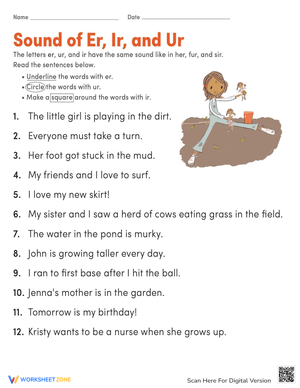
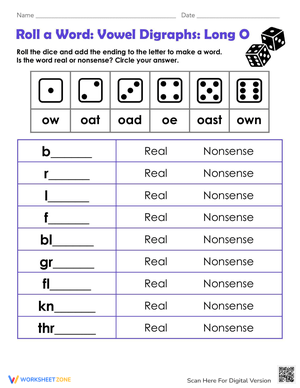
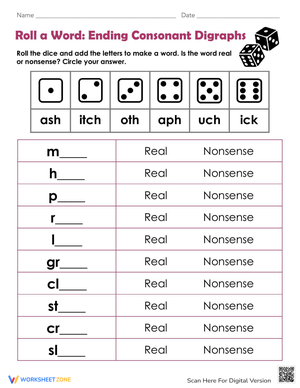
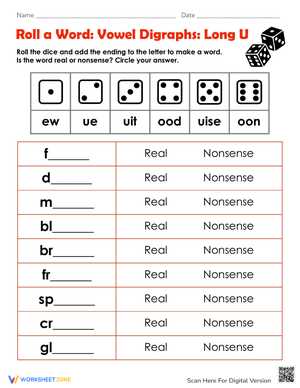
Decoding is the cognitive process by which readers translate printed words into spoken language. This fundamental skill involves more than just recognizing letters; it requires an intricate understanding of phoneme-grapheme correspondences. For young learners, mastering decoding is the bridge that leads from basic letter recognition to fluent reading and comprehensive text understanding. In the classroom, teachers observe that students who struggle with decoding often encounter significant barriers to accessing more complex texts, which can impact their overall academic trajectory. By focusing on decoding words printable worksheets resources, teachers can provide the structured, repetitive practice necessary to cement these skills during the formative years of primary education.
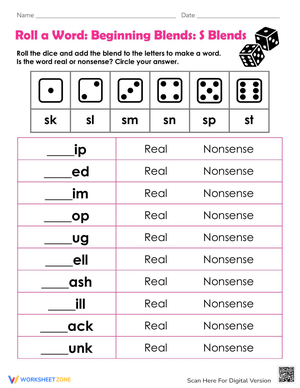
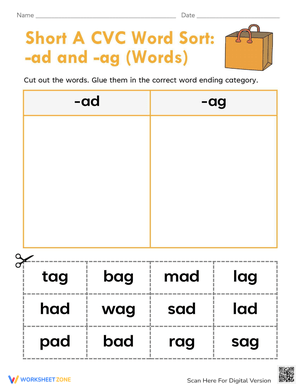
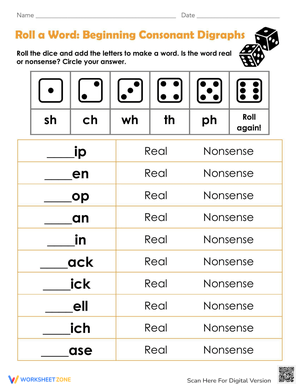
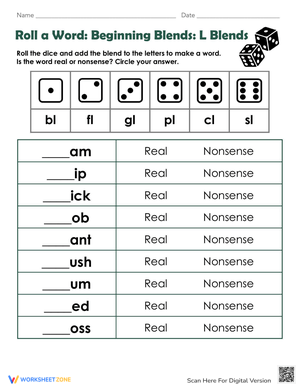
The process begins with phonological awareness—the ability to hear and manipulate sounds in spoken language—and moves toward connecting these sounds to specific letters. When a student successfully blends the sounds in a word, they are actively decoding, a task that requires high levels of focus for beginning readers. As students gain proficiency, the process becomes more automatic, allowing them to shift cognitive resources toward understanding meaning. Instruction must account for the developmental progression from simple CVC patterns to complex structures like blends and digraphs, using targeted practice to ensure foundational mastery.
The Role of Systematic Phonics in Decoding Instruction
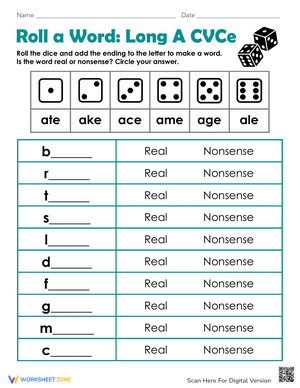
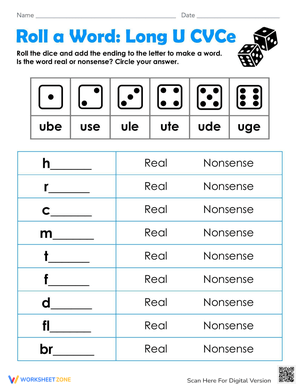
Systematic phonics instruction is widely recognized as the most effective approach for teaching decoding. This method follows a pre-planned, logical sequence of letter-sound relationships, moving from the most common patterns to those that are more complex or irregular. Unlike incidental phonics, systematic instruction ensures no gaps are left in a student's literacy foundation. Teachers using decoding words printable worksheets materials often align these resources with their core phonics curriculum to provide an additional layer of reinforcement for specific sounds taught each week. The effectiveness of this approach lies in its predictability; students learn to expect a certain structure, which reduces cognitive load and builds confidence. For example, focusing on 'silent e' worksheets allows students to notice the relationship between visual structure and pronunciation through concentrated repetition. This explicit practice is essential for moving rules from theoretical concepts to applied skills used automatically during reading. Furthermore, systematic phonics provides a framework for assessment, allowing teachers to identify exactly where a student's skills are breaking down and providing precision in intervention, which is particularly beneficial for diverse learners needing explicit structure.
Strategic Use of Decoding Words printable worksheets in the Classroom
Incorporating decoding words printable worksheets materials into the daily literacy block requires careful planning to ensure they are used as active learning tools. Utilizing these worksheets during small-group guided reading sessions allows for differentiated instruction based on specific needs while other students engage in independent practice. This keeps the classroom focused on meaningful tasks. Teachers also find success using printable worksheets as part of a multi-sensory approach; combining writing with tactile letter tile building strengthens neural pathways.
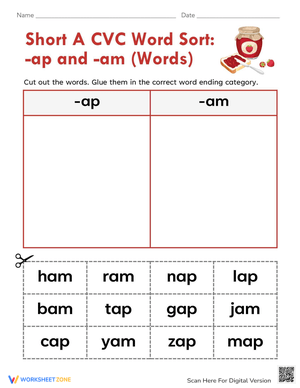
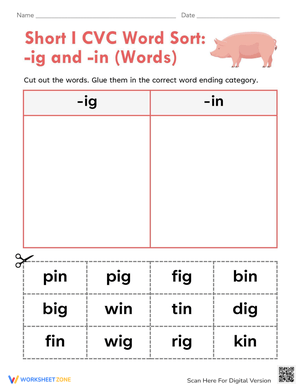
Varying activities like word sorts and matching exercises keeps the practice fresh. Another strategic application is using these materials for formative assessment. A quick 'exit ticket' worksheet can give immediate feedback on whether a class has grasped a new concept, ensuring instruction remains responsive.
Scaffolding Decoding Skills for Diverse Learners
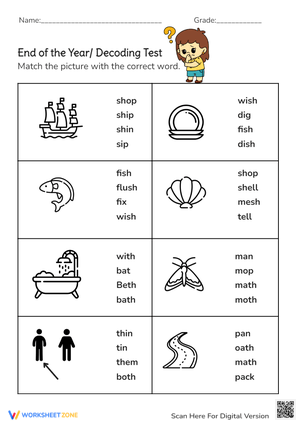
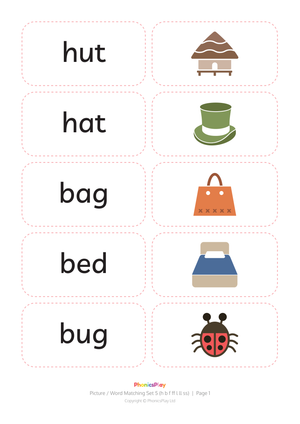
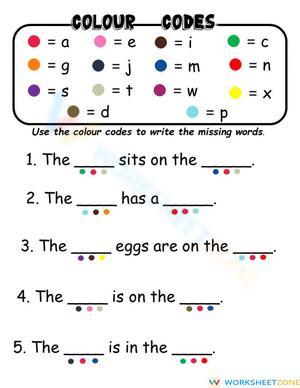
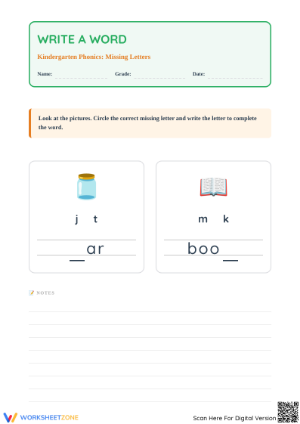
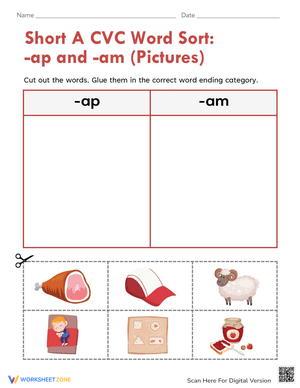
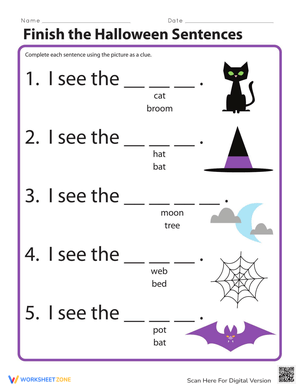
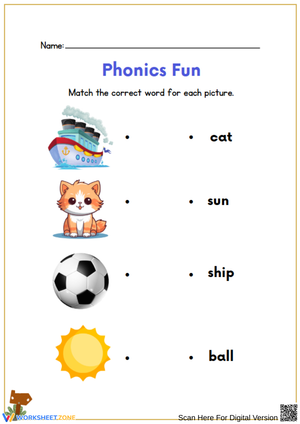
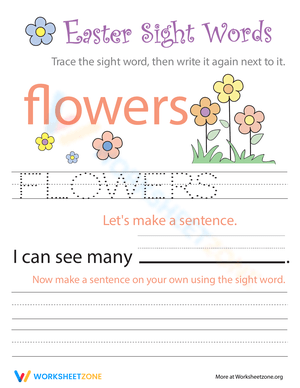
Every classroom contains students with a wide range of reading abilities, necessitating a scaffolded approach to decoding instruction. Scaffolding involves providing temporary support that is gradually removed as the student gains independence. In the context of decoding, this might mean starting with worksheets that provide visual cues, such as pictures that match the words being decoded or 'dot and arrow' blending cues. These targeted supports are essential for students who find the blending process particularly challenging.
Beyond visual aids, scaffolding can involve the use of controlled text, ensuring words only feature mastered phonics patterns to build confidence and reduce frustration. As proficiency increases, scaffolds are removed, moving toward complex words and fewer visual aids. This process ensures students work within their zone of proximal development, maintaining engagement while pushing toward higher levels of literacy.
Teacher Tips for Maximizing Phonics Worksheet Effectiveness
To ensure decoding words printable worksheets resources truly enhance learning, teachers should focus on quality over quantity. A single, well-designed worksheet focusing on a high-priority phonics skill is far more valuable than a packet of generic activities. When selecting materials, look for clear fonts, adequate white space, and high-quality illustrations that do not distract from the task, as the goal is to minimize cognitive load.
Teachers should always model the activity before independent work, ensuring expectations are clear. Integrating oral language is also vital; encouraging students to say sounds and words aloud reinforces the connection between spoken and written forms. Turning worksheet activities into collaborative tasks where pairs 'check' each other's decoding builds literacy skills while encouraging peer support.
Integrating Decoding Practice into Daily Literacy Blocks
Integrating decoding practice effectively into the broader literacy curriculum is essential for showing students the practical application of their skills. While isolated practice with decoding words printable worksheets is necessary, it must be paired with opportunities to see those patterns in connected text. During a whole-class read-aloud, a teacher might highlight a word following a specific rule practiced earlier, helping students understand that phonics are tools that unlock stories and information. Literacy centers provide another venue; one center might focus on worksheets while another features games where students look for specific patterns in classroom books. Creating a literacy-rich environment where decoding is seen as an active skill builds student engagement.
Monitoring Progress and Assessing Decoding Proficiency
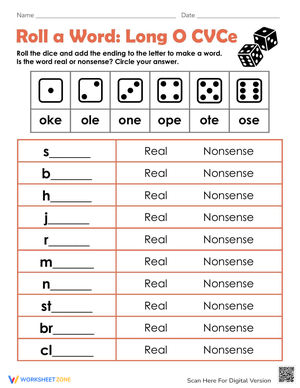
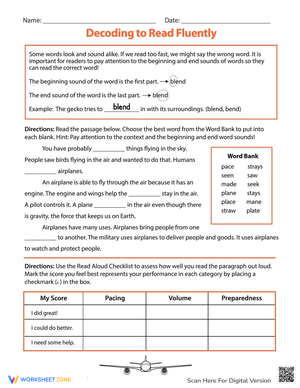
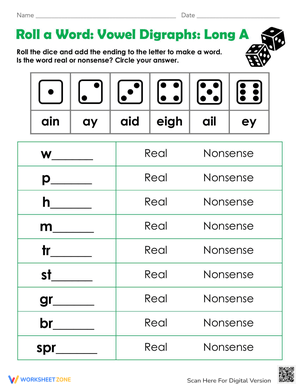
Regular assessment is the only way to ensure decoding instruction meets the needs of every student. Formative assessment should be ongoing, through observing small-group work or reviewing completed decoding words printable worksheets to identify error patterns. More formal assessments, like nonsense word fluency tests, provide a clear picture of a student's ability to apply rules without relying on memory. This data-driven approach ensures instruction remains targeted.
Progress monitoring should also involve students; showing them their growth builds confidence and agency. Setting small, achievable goals and celebrating milestones creates a positive classroom culture. Assessment data should always inform instruction; if a student isn't making expected progress, teachers must adjust, perhaps by increasing intervention frequency or providing more intensive support.
According to Reading Rockets: Phonics and Decoding, effective phonics instruction should be explicit and systematic, providing a clear map for students to connect sounds to letters. Research indicates that students receiving systematic instruction outperform those in non-systematic programs, with a significant 0.44 effect size on reading comprehension in early grades. This data underscores the necessity of structured materials like decoding words printable worksheets in primary education.
Frequently Asked Questions About Decoding Worksheets
1. What is the difference between decoding and sight word recognition?
Decoding involves the active process of sounding out words by applying phonics rules. In contrast, sight word recognition is the ability to recognize a word instantly by memory. While both are important for reading fluency, decoding provides the foundational tools that allow students to read unfamiliar words they have never seen before, which is essential for expanding their vocabulary independently and building reading stamina.
2. How can I support a student who is struggling with blending sounds?
For students who struggle to blend, start by using decoding words printable worksheets that focus on continuous sounds which can be stretched out, making it easier to connect them to the next sound. Use visual aids like blending slides or physical movements to represent sounds coming together. Providing high levels of modeling and guided practice is also essential for building student confidence, and teachers should ensure that students are not being asked to blend too many phonemes at once before they are ready.
3. Why is decoding considered the foundation of reading comprehension?
Reading comprehension requires a student to understand meaning. However, if a student is spending all their cognitive energy struggling to decode individual words, they have little mental space left for understanding. Once decoding becomes automatic, cognitive resources are freed up for higher-level thinking. Decoding is effectively the entry point to literacy, as it allows the brain to transition from the mechanical task of reading to the intellectual task of understanding complex ideas.
4. At what age should students start using decoding worksheets?
Decoding instruction typically begins in kindergarten as students learn their first letter-sound correspondences. The complexity of the decoding words printable worksheets should always be matched to the student's developmental level. Early worksheets might focus on simple initial sounds, while older students move on to complex vowel teams and multisyllabic words. The key is to follow a systematic sequence that builds on prior knowledge, ensuring each new skill is introduced only after foundational ones are mastered.
5. How often should decoding worksheets be used in a typical school week?
For maximum effectiveness, short bursts of decoding practice should occur daily. Integrating five to ten minutes of worksheet-based practice into the literacy block ensures that phonics skills remain fresh and are consistently reinforced. This regular repetition is what allows decoding to move from a slow, effortful process to an automatic skill. Consistency is more important than the duration of any single practice session, as frequent reinforcement is more effective for long-term retention of phonics rules and blending techniques.
Analysis of student performance data suggests that the transition from isolated CVC word decoding to multi-syllabic blending represents a primary bottleneck in second-grade literacy, often requiring a 30% increase in targeted intervention time to maintain fluency benchmarks.












 Interactive Worksheet Maker
 Quiz Maker
 Word Search Maker
 Crossword Puzzle Maker
 Word Scramble Generator
 Sentence Scramble Generator
 Handwriting Worksheet Generator
 Name Tracing Generator
 Fill In The Blank Generator