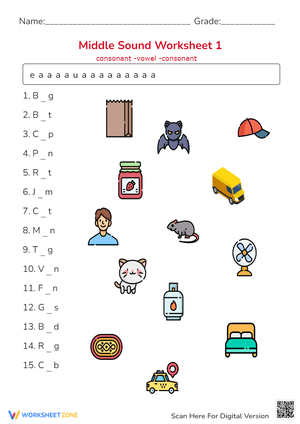
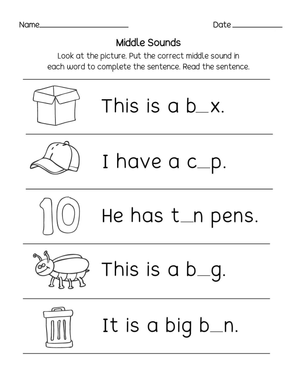
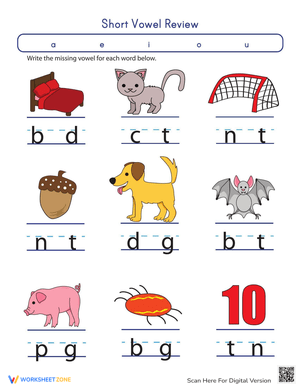
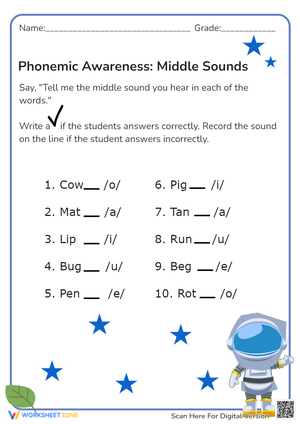
Helping your child sound out words at the kitchen table can feel like a quiet kind of victory, especially when a tricky vowel keeps tripping them up. Many parents tell us they feel unsure how to support a young reader who can hear the first letter and the last letter, yet stumbles right in the middle. The good news is that you do not need a teaching certificate to guide your child through this stage. With the right middle sound worksheets, you have a calm, structured path that turns guesswork into steady progress, one short word at a time.
Structured practice is what gives early readers the courage to try again after a mistake. When a child works through pages that focus on identifying the vowel inside short CVC words like cat, pen, and bug, each completed task becomes a small win they can point to. Printable activities ease the pressure on parents because the steps are already mapped out, and they let your child move at a pace that feels safe. Over time, this gentle repetition rewires hesitation into confidence, and you start hearing your young reader self-correct without prompting.
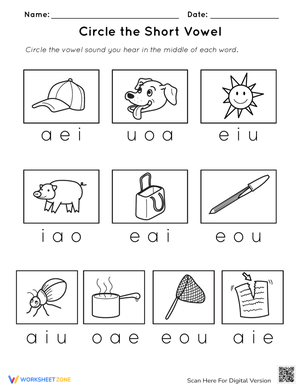
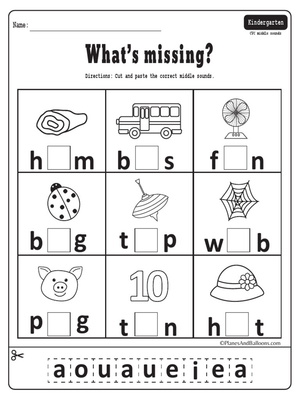
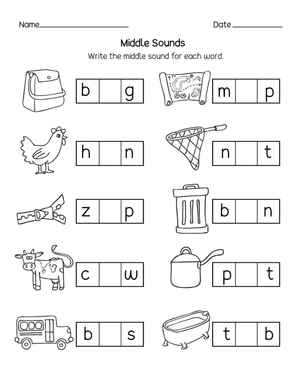
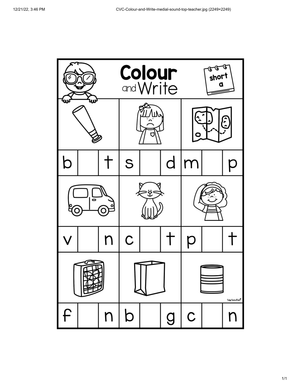
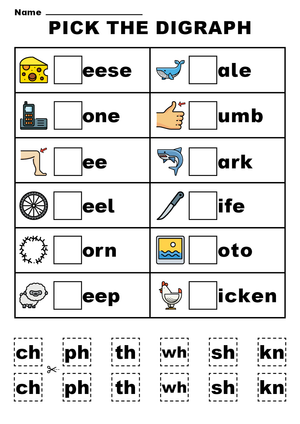
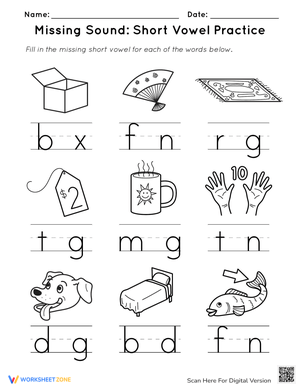
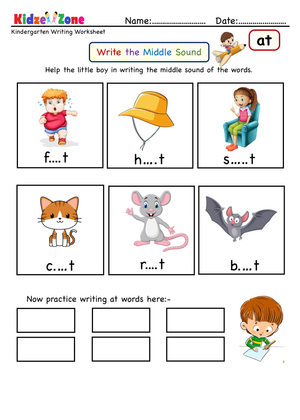
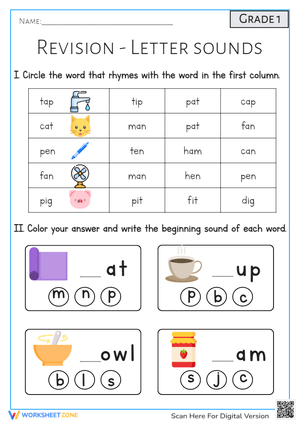
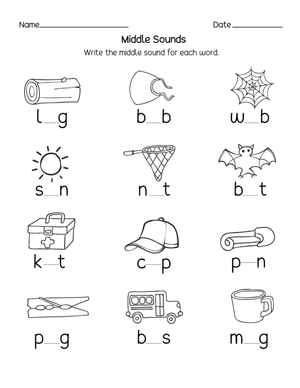
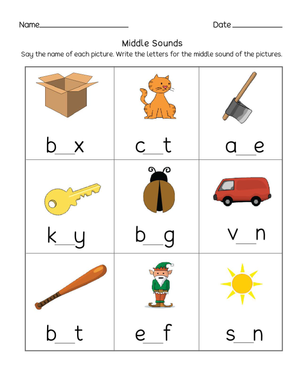
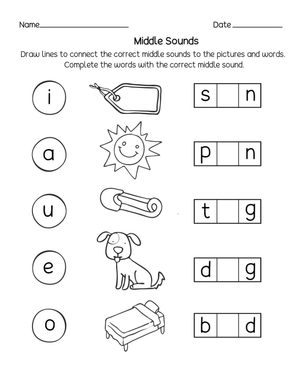
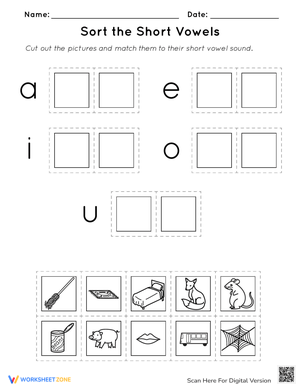
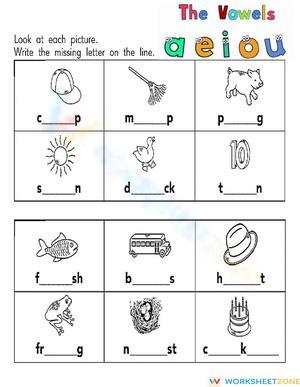
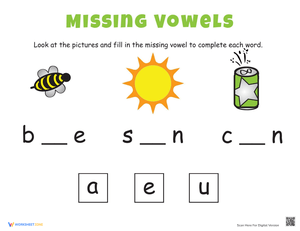
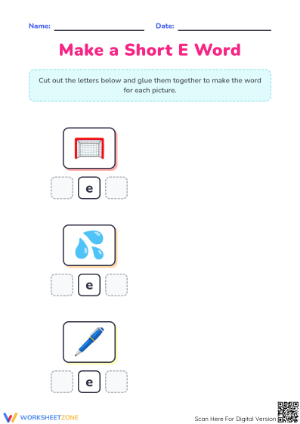
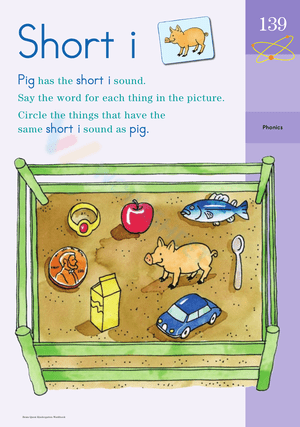
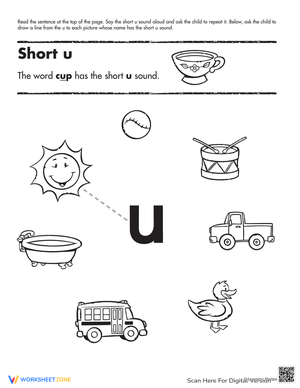
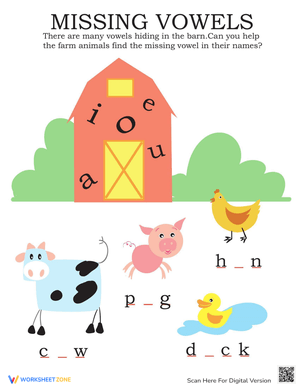
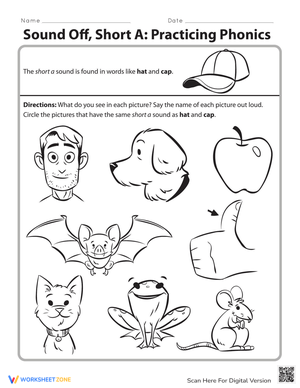
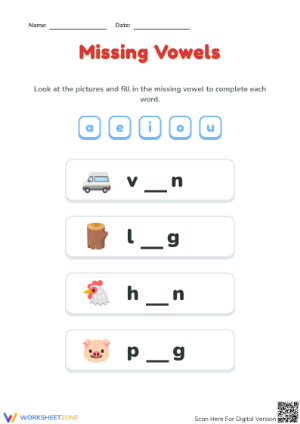
Children also learn best when practice feels playful, and worksheets designed for this stage lean on bright pictures, sorting tasks, and matching games. A page might ask your child to circle the picture of a fox after hearing the short o, or fill in the missing vowel between two consonants. These visual cues turn an abstract phonics rule into something hands-on that fits right alongside crayons and stickers. For more screen-free practice ideas you can pair with printables, our guide to creative phonics activities offers easy routines you can rotate through during the week.
Worksheets also give you a clear window into what your child is exploring in the classroom, so home practice mirrors the lessons their teacher is delivering. When your young learner brings home a reading folder, you can match it with targeted pages that reinforce the same skill without adding pressure. Once vowel sounds feel steady, many families move on to closing letter patterns, and the printable set on ending sounds practice is a natural next step that keeps the rhythm going.
Reading milestones are sweeter when families share them, and a quiet ten minutes with middle sound worksheets can become one of those moments. Print a page tonight, sit shoulder to shoulder, and let your child show you what they hear. With consistent encouragement and Worksheetzone resources at your fingertips, your young reader will move from sounding out words to reading them with pride.
Frequently Asked Questions
Question 1: What age should children start using middle sound worksheets?
Most children are ready for middle sound worksheets between ages four and six, once they can confidently identify beginning and ending letter sounds. Kindergarten and early first grade are typical entry points, although every child develops on their own timeline. If your young learner can blend two-letter sounds or recognize short CVC words like mat or pin, they are likely ready to start practicing the vowel in the middle position with simple, picture-supported activities.
Question 2: How do middle sound worksheets help with reading fluency?
Middle sound worksheets target short vowel sounds, which appear in nearly every early reader text. By isolating the trickiest part of a CVC word and giving children repeated, low-pressure practice, these printables strengthen decoding accuracy. As your child stops pausing in the middle of words, their reading rate improves naturally and they can focus on meaning. Stronger phonics foundations also reduce guessing, which translates into smoother oral reading and higher comprehension during classroom story time.
Question 3: How often should we practice with middle sound worksheets at home?
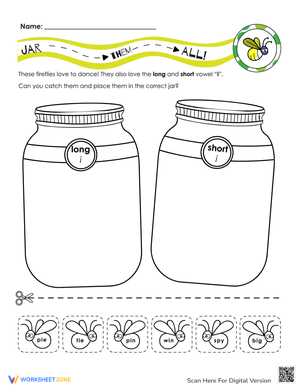
Short and consistent sessions work better than long, occasional ones for early phonics learners. Aim for ten to fifteen minutes, three or four days a week, and keep the tone playful rather than test-like. Rotate between different worksheet styles, such as picture sorts, missing vowel fills, and matching activities, so your child stays engaged. If your young reader seems tired, switch to a quick verbal game instead and return to the printable practice the next day.
Question 4: What skills should my child master before moving past middle sound worksheets?
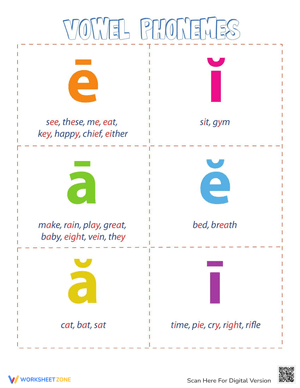
Before moving on, your child should be able to listen to a short CVC word, name the vowel they hear in the middle, and write it correctly with little prompting. They should also recognize the five short vowel sounds across many word families, such as cat, bed, pig, dog, and sun. Once these skills feel automatic, you can confidently introduce long vowels, blends, digraphs, and longer words while still revisiting middle sound practice for review.












 Interactive Worksheet Maker
 Quiz Maker
 Word Search Maker
 Crossword Puzzle Maker
 Word Scramble Generator
 Sentence Scramble Generator
 Handwriting Worksheet Generator
 Name Tracing Generator
 Fill In The Blank Generator