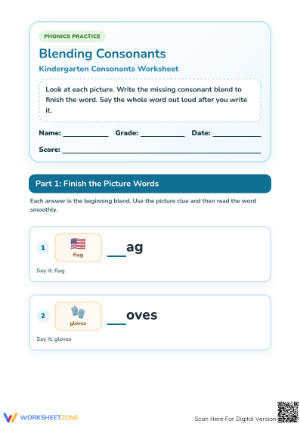
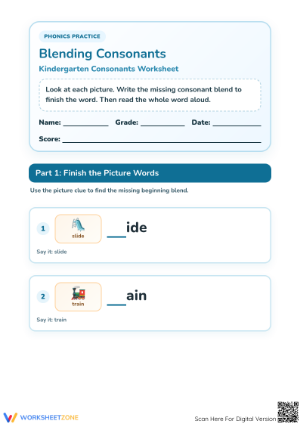
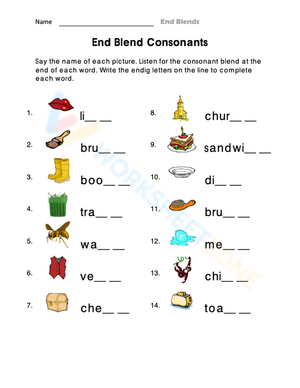
While vowels are the core of every syllable, consonants are the structural frame that holds words together. Without consonants, our language would be a series of open sounds with very little meaning. For teachers, using consonants printable worksheets materials is a practical way to ensure children develop the phonemic awareness necessary for literacy success. These resources provide the repetition and variety needed to move from simple letter recognition to confident reading. At Worksheetzone, we understand that every child learns differently, and our printable resources are designed to bridge the gap between sounds and understanding.
The 21 Consonant Letters and Their Roles
The English alphabet contains 21 consonant letters: B, C, D, F, G, H, J, K, L, M, N, P, Q, R, S, T, V, W, X, Y, and Z. Unlike vowels, produced with an open vocal tract, consonants are created when airflow is restricted by the lips, teeth, or tongue. This restriction creates the distinct clicks, hisses, and pops we recognize as speech sounds. For example, when you say B, your lips come together to stop air before releasing it in a small burst. When you say S, the tongue creates a narrow passage for air to whistle through. Understanding these mechanics is the first step in teaching students how to decode words efficiently during independent reading sessions.
Understanding the place of articulation—where exactly in the mouth a sound is blocked—helps students correct common speech errors. For instance, dental consonants like the th digraph require the tongue to touch the back of the front teeth, while bilabial sounds like p and b happen purely at the lips. Teaching children to visualize these physical movements transforms abstract sounds into concrete physical actions. This anatomical approach to phonics ensures that children are not just memorizing symbols but are actually mastering the mechanics of communication. By focusing on the physical sensation of speech, teachers can help students overcome phonetic plateaus and improve their overall pronunciation accuracy.
Building Phonemic Awareness with Initial Sounds
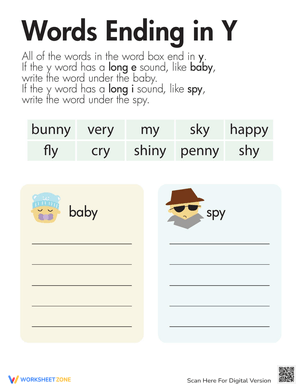
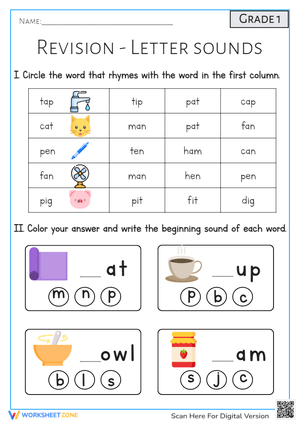
Phonemic awareness is the ability to hear and manipulate individual sounds in spoken words. For most children, the easiest sound to identify is the initial consonant sound. This is why many early literacy worksheets focus on the beginning of the word. Identifying that apple starts with a vowel sound but banana starts with a consonant sound is a foundational skill. Once a child can hear that B sound at the start of banana, they can begin to associate it with the written letter B. This connection between auditory perception and visual representation allows for fluent reading. Using consonants printable worksheets packs allows for consistent practice that reinforces these early associations until they become second nature.
According to What Are Consonants? - Facts And Importance Of Teaching For Kids (https://firstcry.com/intelli/articles/what-are-consonants-facts-and-importance-of-teaching-for-kids/), consonants form the backbone of the English language, consisting of 21 specific letters that require precise air blockage. This phonetic structure is essential for 100% of early literacy development and foundational reading success in young learners. By using structured materials, teachers can systematically introduce each sound, starting with the most common and moving toward the more rare consonants like X and Q. This approach ensures that no child is left behind as the curriculum advances toward more complex linguistic concepts.
The Science of Sound: Voiced vs. Unvoiced Consonants
A fascinating way to deepen a child's understanding of consonants is to introduce the concept of voiced and unvoiced sounds. Voiced consonants are those that cause the vocal cords to vibrate. Examples include B, D, G, J, L, M, N, R, V, W, Z, and the letter Y. Unvoiced consonants, such as P, T, K, F, S, H, and SH, are produced using only air without vibration from the throat. This distinction is vital because many consonants come in pairs where the mouth shape is identical, but one is voiced and the other is not. Distinguishing between these pairs is a critical skill for spelling and speech development.
Consider the pair S and Z. If you put your hand on your throat and make the S sound, you will feel nothing. However, if you switch to the Z sound, you will feel a distinct buzzing vibration. The same applies to P and B. This throat test is a favorite among students because it feels like a secret discovery. Our worksheets often group these pairs together to help students distinguish between similar-sounding letters by focusing on the sensation of voicing. This reduces spelling errors later on, particularly with endings like s and z, which are frequently confused by emerging writers. By mastering this distinction, students gain a deeper appreciation for the logic behind phonics.
Phonetic Complexity: Blends and Digraphs
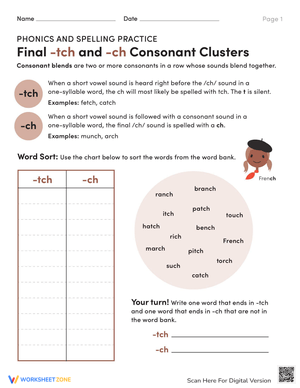
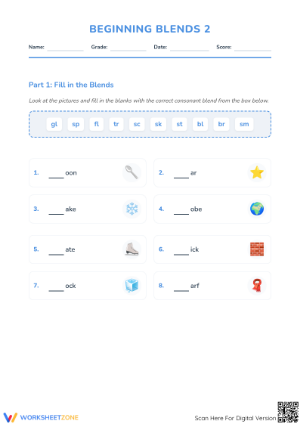
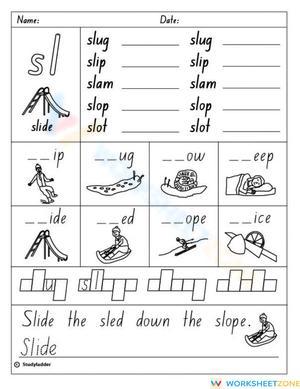
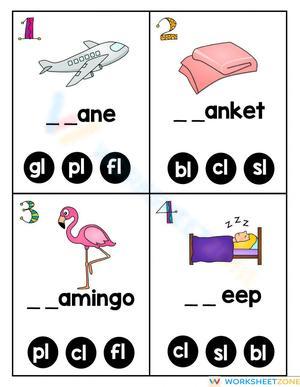
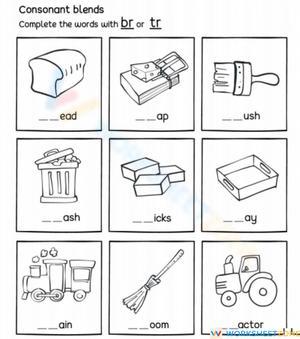
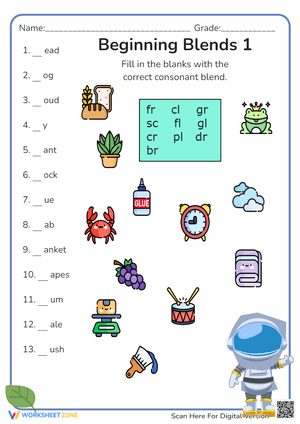
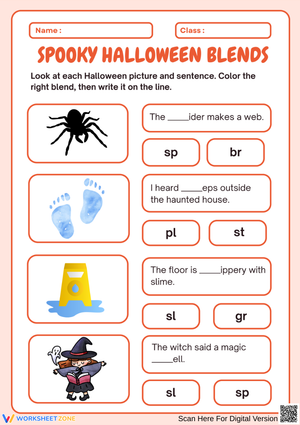
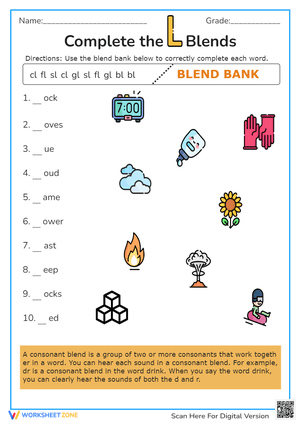
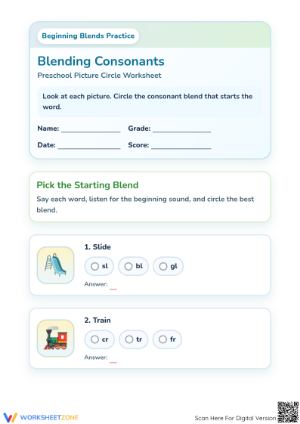
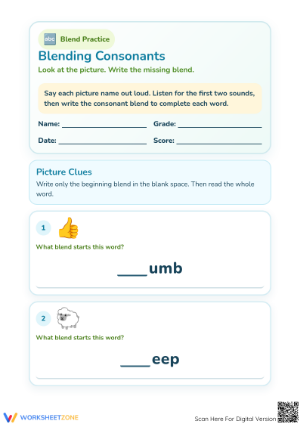
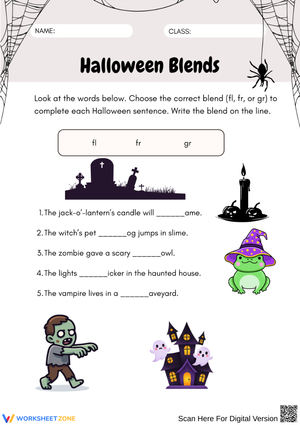
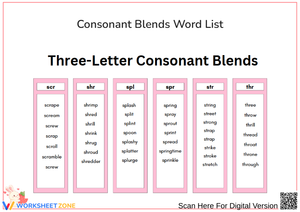
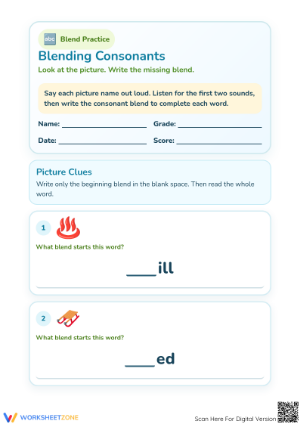
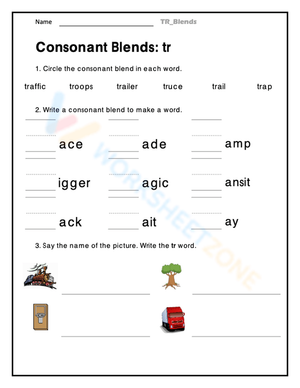
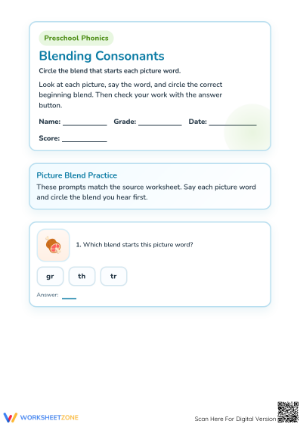
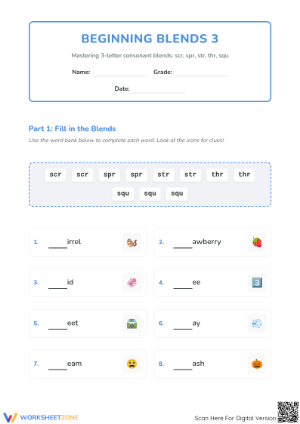
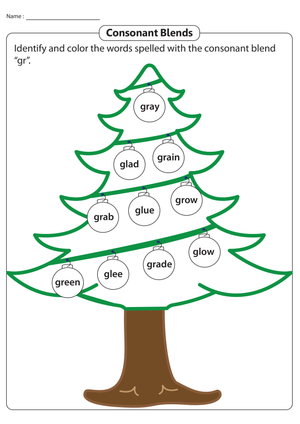
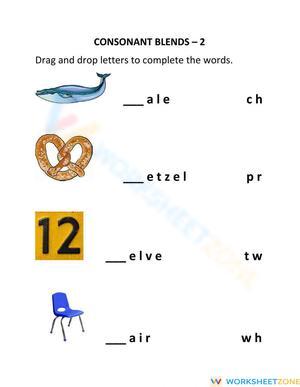
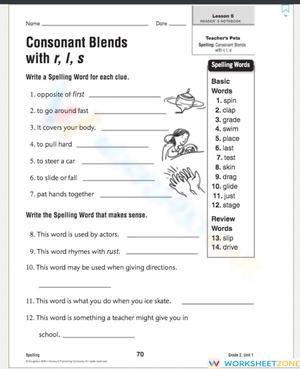
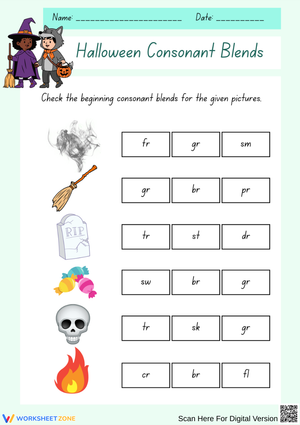
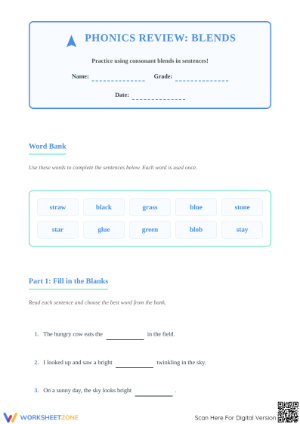
Once a student has mastered individual consonant sounds, they are ready to explore how consonants work together. Consonant blends occur when two or more consonants are placed together, and you can still hear each sound. Examples include bl in blue, st in stop, and gr in green. Practice with blends helps improve reading fluency and prevents children from skipping over letters in a cluster. This stage of development is often when students begin to read more complex sentences with greater confidence and accuracy.
Consonant digraphs are slightly different and exciting for students to learn. A digraph consists of two consonants that come together to create a brand-new sound that neither letter makes on its own. The most common digraphs are SH, CH, TH, and WH. For example, the S makes a hissing sound and the H makes a breathing sound, but together they make the shhh sound. Identifying these combinations is a major step toward decoding more complex words. Using consonants printable worksheets options that target these blends and digraphs ensures that students do not become frustrated when they encounter common letter pairings in their favorite books.
Teacher Tips for Successful Phonics Instruction
Integrating consonant practice into a daily routine can be engaging. Teachers can use a variety of strategies to keep the material fresh. One effective method is the use of Sound Buckets. Place a bucket in the classroom labeled with a specific consonant, and have students find objects around the room that start with that sound. This connects the classroom environment with the phonetic concepts being taught in the worksheets. It also encourages students to pay closer attention to the world around them, looking for linguistic patterns in their surroundings.
Another successful strategy is the use of multi-sensory tracing. Instead of just using a pencil, have students trace consonants in sand, shaving cream, or on sandpaper. This builds muscle memory and helps children who struggle with traditional fine motor tasks. Additionally, mirrors allow children to see exactly what their lips and tongues are doing when they produce different sounds. When they can see the difference between a V sound and a B sound, written symbols begin to make much more sense. Combining these hands-on activities with the practice of Worksheetzone printables creates a balanced learning environment that caters to all learning styles.
Frequently Asked Questions
1. What is the difference between a consonant and a vowel?
The primary difference lies in how the sound is produced. Vowels are made with an open mouth and vibrating vocal cords, allowing air to flow freely. Consonants are made by partially or fully blocking the air with your lips, teeth, or tongue. This restriction creates the unique sounds of each consonant letter.
2. Which consonants should be taught first?
Teachers suggest starting with consonants that have a single, consistent sound and are easy to produce, such as M, S, B, and T. These letters appear frequently in simple words and provide immediate success for students. Avoid starting with C or G since they have both hard and soft sounds that can be confusing for beginners.
3. How can I teach the difference between b and d?
Letter reversal is common in early childhood. One helpful trick is the bed method: have the child make two fists with their thumbs up. The left hand makes the b and the right hand makes the d, forming the shape of a bed. You can also use worksheets that focus on the mouth shape; for b, the lips come together first, while for d, the tongue touches the roof of the mouth.
4. What are some fun ways to practice consonant sounds without worksheets?
Games like I Spy are excellent for practicing initial sounds. You can also play Sound Sorting where you use physical objects like toy animals and sort them into piles based on their starting sounds. Singing songs that emphasize alliteration also helps children recognize and repeat consonant patterns.
5. Why is my child adding an uh sound to consonants?
This is a common habit called schwa-ing. For example, instead of saying a short b sound, the child might say buh. This can make blending sounds into words difficult. To fix this, encourage your child to keep the sound clipped and short, stopping the air immediately without letting the vocal cords continue into a vowel sound.












 Interactive Worksheet Maker
 Quiz Maker
 Word Search Maker
 Crossword Puzzle Maker
 Word Scramble Generator
 Sentence Scramble Generator
 Handwriting Worksheet Generator
 Name Tracing Generator
 Fill In The Blank Generator