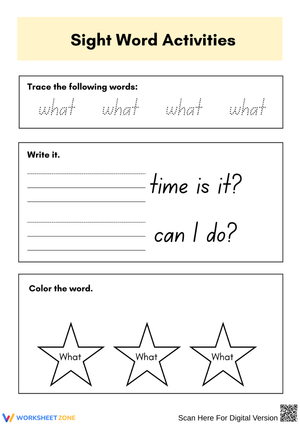
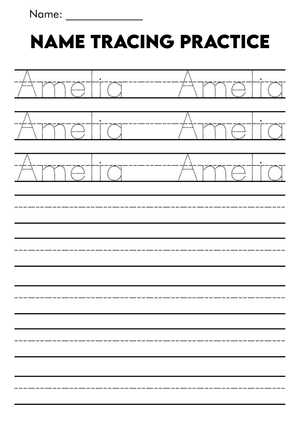
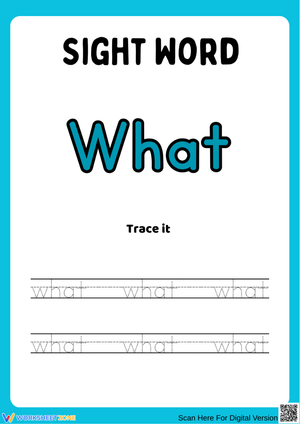
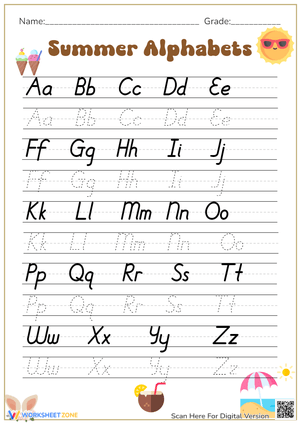
Helping your child develop neat handwriting at home should feel like a shared journey rather than a daily struggle at the kitchen table. Many parents quietly worry when their first grader holds the pencil too tightly, reverses letters, or rushes through written work with shaky lines. The good news is that 1st grade handwriting worksheets give you a calm, predictable starting point so you do not have to invent lessons from scratch. With the right pages in front of you, every short practice session becomes a chance to bond, build confidence, and turn writing into something your child looks forward to.
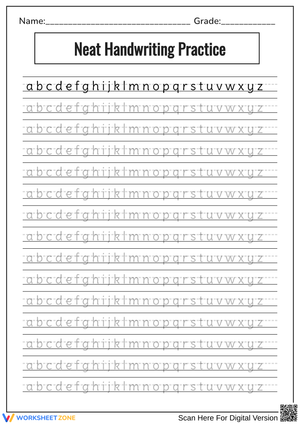
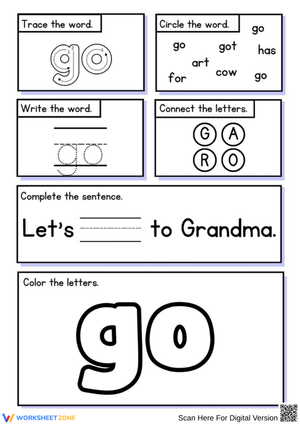
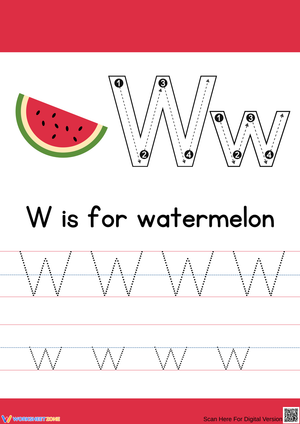
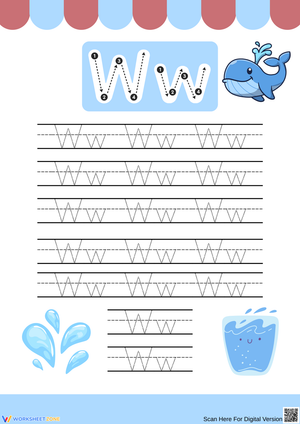
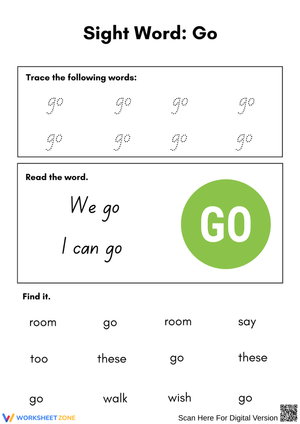
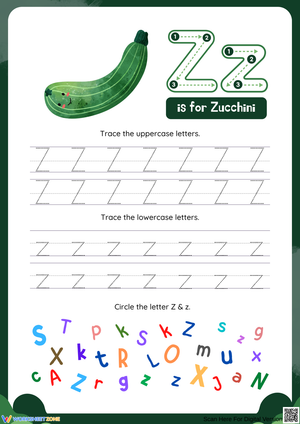
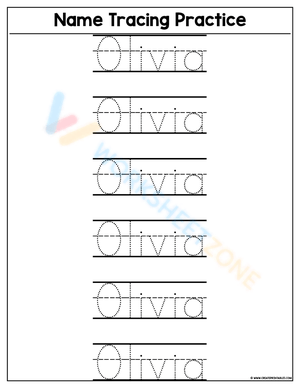
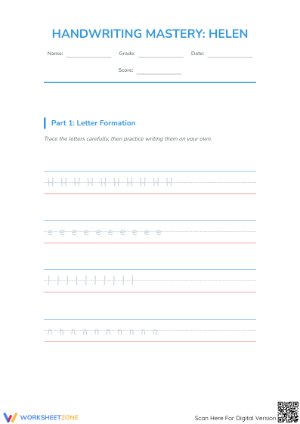
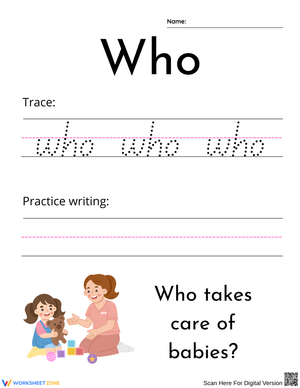
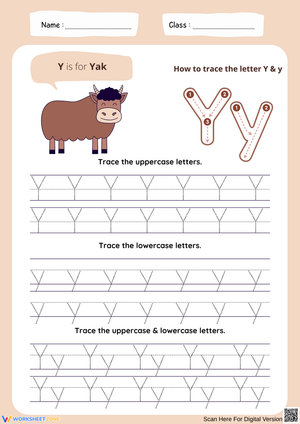
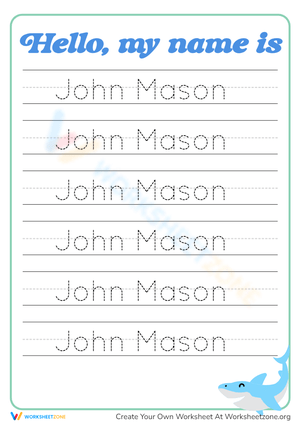
Children at this age learn best when steps are small and victories are visible. Worksheets that begin with simple strokes, then move to lowercase letters, uppercase letters, and finally short words, allow your child to feel progress on every page. Each completed line becomes proof that effort pays off, which is the kind of reassurance a six or seven year old genuinely needs. Worksheetzone designs these printable resources with clear baselines, dotted guides, and friendly arrows so children always know where to start and which direction to move the pencil. That structure quietly removes guesswork and replaces it with steady, achievable wins.
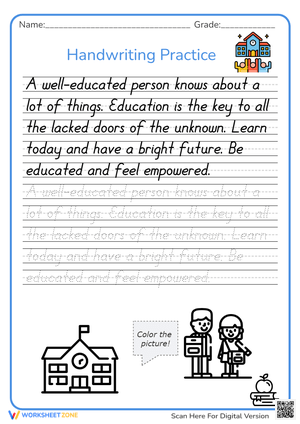
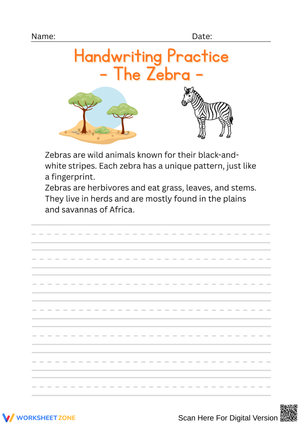
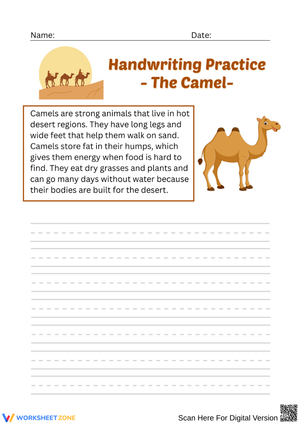
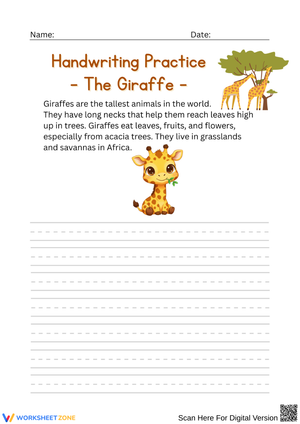
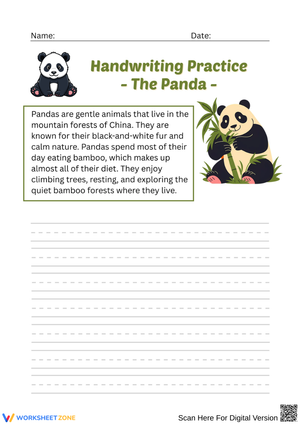
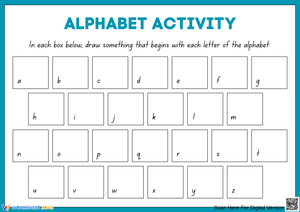
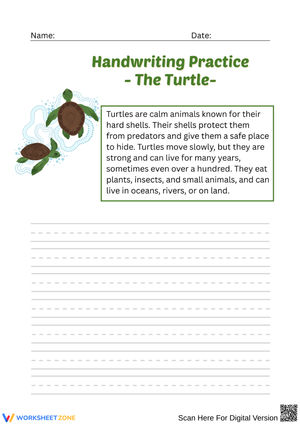
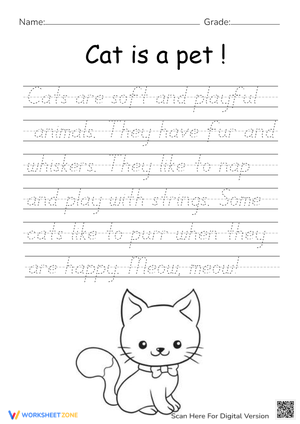
What makes these pages especially welcome at home is the playful design woven into the practice. Bright themes, gentle illustrations, and short prompts turn each worksheet into something closer to an activity than a drill. Your child can trace a letter, then draw a small object that begins with that sound, or copy a sentence about a favorite animal. This blend of art and writing keeps little hands engaged longer and reduces the resistance many parents face during homework time. For more letter-by-letter practice, the playful A is for Apple printable is a friendly companion to any first grade routine.
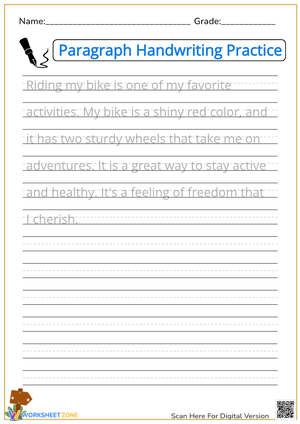
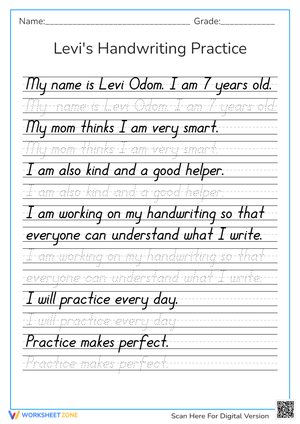
Beyond neat letters, these worksheets quietly mirror what teachers cover in the classroom. When your child practices uppercase and lowercase pairing, proper spacing between words, and writing on the line, you are reinforcing the same expectations their teacher uses every day. That alignment helps your child feel prepared rather than confused when the school week begins again. It also gives you, as a parent, a clearer picture of exactly what is being taught, so conversations about school become more specific and supportive instead of vague. Over time, you will notice cleaner letter formation in journal entries, birthday cards, and even grocery lists your child proudly writes for you.
Make handwriting practice a small, warm ritual at home, perhaps fifteen minutes after snack or before bedtime stories. Sit beside your child, celebrate each careful letter, and let progress unfold naturally page by page. For a deeper guide on building daily routines and choosing the right activities, the first-grade handwriting practice guide from Worksheetzone offers gentle next steps. With consistent encouragement and the right printable companions, your child will move from shaky lines to steady, confident handwriting they are genuinely proud to show you.
Frequently Asked Questions
Question 1: How often should my child use 1st grade handwriting worksheets at home?
A short, consistent routine works far better than long sessions. Aim for ten to fifteen minutes, three to four times a week, alongside regular schoolwork. At this age, young learners gain more from steady repetition than from intensity. Keeping each session brief protects focus, prevents pencil fatigue, and helps your child associate handwriting practice with calm, positive moments rather than pressure or boredom.
Question 2: My child reverses letters like b and d. Will worksheets help fix this?
Yes, structured worksheets are very supportive for letter reversals because they show clear starting points and directional arrows. Encourage your child to say the letter aloud while tracing, since pairing voice with motion strengthens memory. Reversals are common and developmentally normal in first grade, and they usually fade with patient, repeated practice. If reversals persist past second grade, a quick chat with the classroom teacher is wise.
Question 3: Should my first grader practice cursive or print first?
Print handwriting is the standard focus in first grade across most schools, so printable resources at this level emphasize clear manuscript letters. Mastering print first builds the fine motor control and letter recognition needed for later cursive instruction. Once your child writes lowercase and uppercase letters confidently on the line, you can introduce simple cursive strokes for fun, without rushing the transition or replacing core print practice.
Question 4: How can I make handwriting practice feel less like a chore?
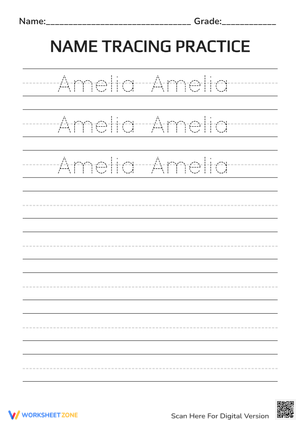
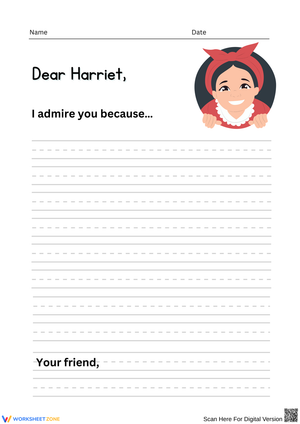
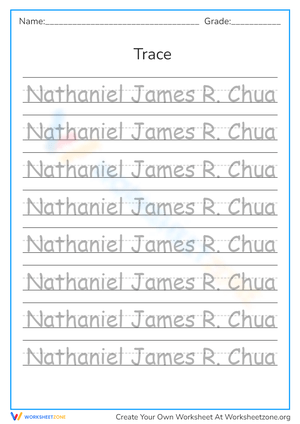
Connect each worksheet to something your child loves. Let them write the names of pets, favorite snacks, or characters from a bedtime story. Add stickers for completed pages, or display finished sheets on the fridge as a small gallery. Sitting beside your child, praising effort over perfection, and laughing at silly sentences together turns 1st grade handwriting worksheets into shared moments rather than tasks.












 Interactive Worksheet Maker
 Quiz Maker
 Word Search Maker
 Crossword Puzzle Maker
 Word Scramble Generator
 Sentence Scramble Generator
 Handwriting Worksheet Generator
 Name Tracing Generator
 Fill In The Blank Generator