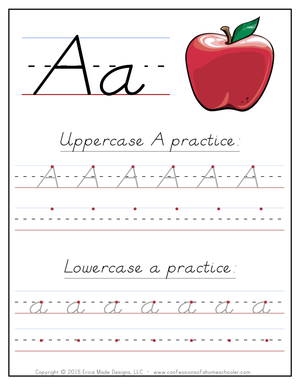
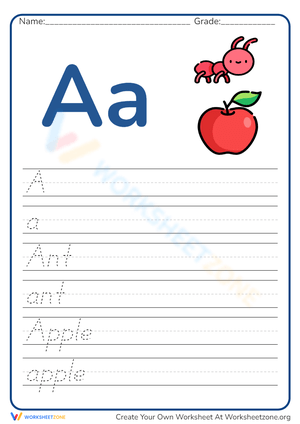
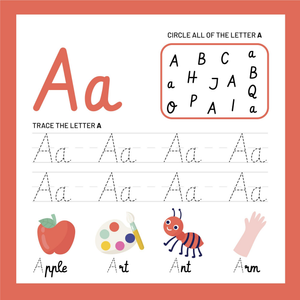
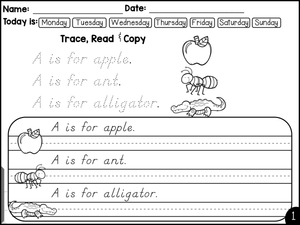
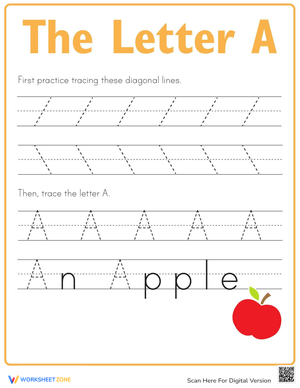
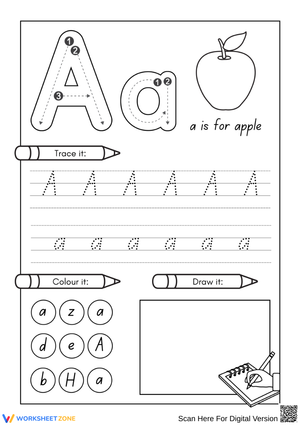
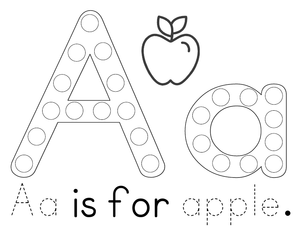
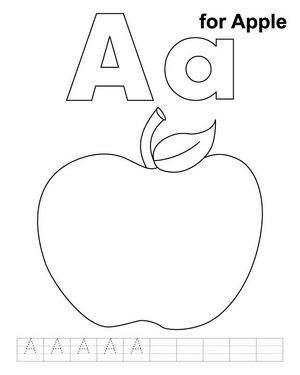
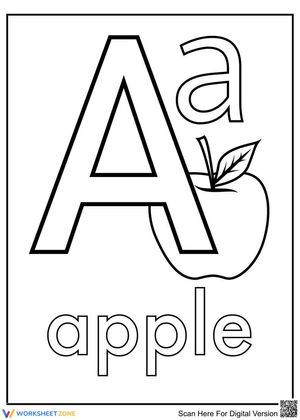
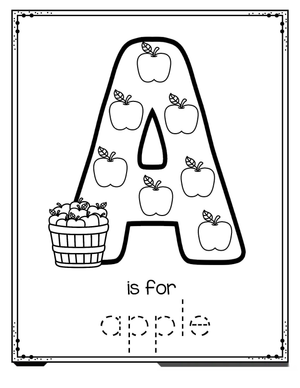
Helping your child sound out their very first letter at the kitchen table can feel like a big responsibility, and we want you to know that you are doing a wonderful job. A is for apple worksheets are designed to take the guesswork out of those early phonics moments, giving you a calm, friendly path to follow with your little learner. You do not need to be a trained teacher to guide a child toward reading; you simply need warm encouragement and a printable that does the heavy lifting for you.
These pages move in small, manageable steps so your child can feel a sense of accomplishment after every short session. A child who traces the letter A, colors a crisp red apple, and whispers the short A sound is building memory through sight, sound, and touch all at once. Each completed worksheet becomes a tiny trophy on the fridge, and that growing stack of practice pages quietly tells your child that learning at home is something to be proud of every single day.
What parents often love most is how playful these printables feel during quiet afternoons or rainy weekends. Children connect the curve of the letter A to a familiar apple shape, then stretch into matching activities, simple word building, and gentle coloring. Pairing the worksheets with a real apple snack or a quick walk to look for the letter A on signs turns a lesson into a shared family memory rather than a chore that your child has to push through.
The pages also give you a clear window into the classroom alphabet routine your child follows during the school week. When you see the same letter formation lines and beginning sound exercises at home, you can chat with your child's teacher using the same vocabulary and reinforce the exact skills being introduced. That alignment helps a child feel that home and school are working as one team, which builds the kind of steady confidence that carries into every later grade.
If you would like a wider plan for guiding your child through every letter, our complete alphabet teaching playbook walks you through pacing and printable choices for the whole family. You can also start tonight with a soft tracing session using our guided tracing pages for the letter A right beside your child. Print, sit close, and let those A is for apple worksheets become the cozy beginning of a lifelong reading journey together.
Frequently Asked Questions
Question 1: At what age should my child start using A is for apple worksheets?
Most children are ready for these printables between three and five years old, when they begin recognizing letter shapes and showing curiosity about words on signs and books. There is no strict deadline, so follow your child's interest. Short five to ten minute sessions a few times each week tend to feel playful rather than tiring and help young learners build steady letter recognition without pressure or frustration at home.
Question 2: How can I make tracing the letter A more enjoyable for my child?
Try pairing the worksheet with a real red apple, a favorite crayon color, or a soft sticker for every line completed. You can also say the short A sound together in a silly voice, hunt for the letter A on cereal boxes, or trace the letter in the air before touching the page. These small rituals turn practice into a warm shared moment your child will eagerly look forward to.
Question 3: What skills do these worksheets help my child develop?
Beyond letter recognition, your child practices pencil grip, fine motor control, left to right tracking, and beginning phonemic awareness. Connecting the sound of A with a familiar apple image strengthens vocabulary and listening skills at the same time. Coloring sections support hand strength, while matching activities build early problem solving. Together these skills create the steady foundation that confident reading and clear handwriting will rest on later.
Question 4: How do I know when my child is ready to move on to the next letter?
Watch for three signs of readiness. Your child can name the letter A on sight, write it with reasonable control, and produce the short A sound when shown a picture. When those three appear together over several sessions, gently introduce the letter B while still revisiting A in fun review games. Steady spiral practice keeps prior learning fresh and protects your child's growing confidence.












 Interactive Worksheet Maker
 Quiz Maker
 Word Search Maker
 Crossword Puzzle Maker
 Word Scramble Generator
 Sentence Scramble Generator
 Handwriting Worksheet Generator
 Name Tracing Generator
 Fill In The Blank Generator