Why Leveled Reading Matters for Literacy Development
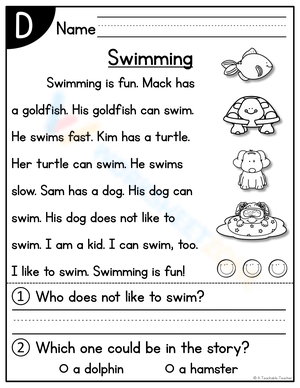
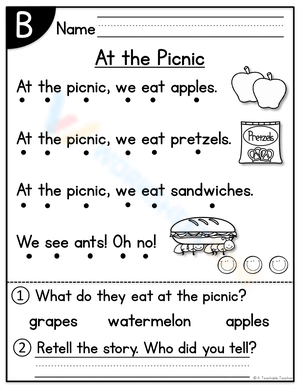
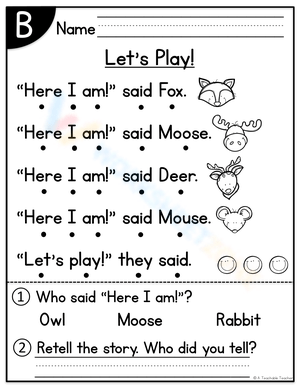
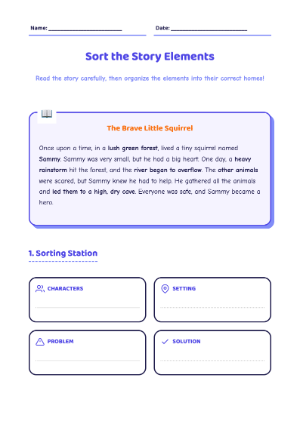
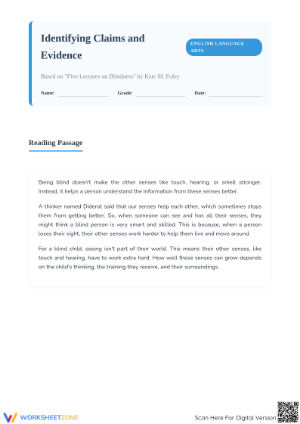
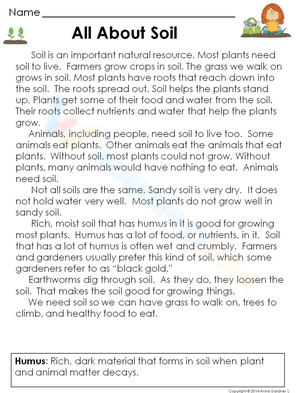
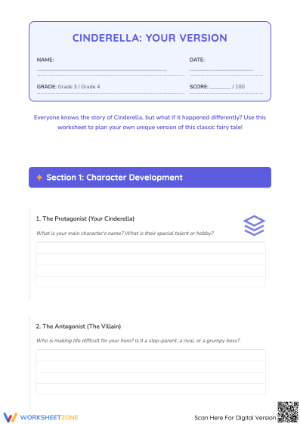
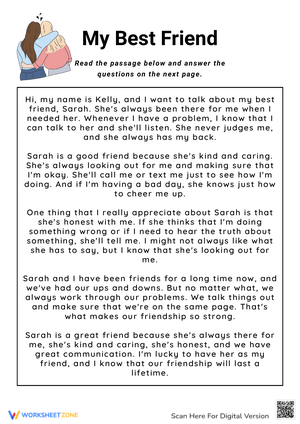
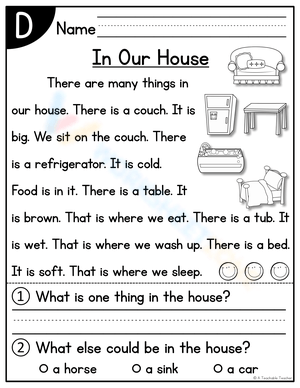
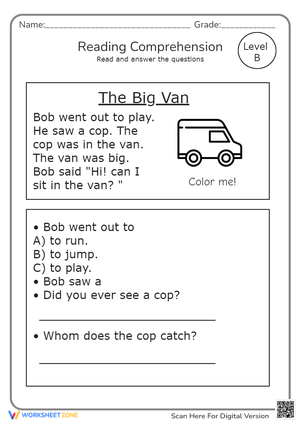
Reading instruction requires careful planning and a deep understanding of student needs. Providing a single text for an entire class often leaves some students struggling and others entirely unchallenged. Leveled reading worksheets resources solve this problem by offering targeted materials that align directly with a student's current proficiency. When teachers use tiered texts, they create an environment where every learner can experience success, build confidence, and develop foundational literacy skills. This approach acknowledges that reading development is a continuum, not a uniform checklist.
By grouping students based on their specific reading abilities, teachers can provide instruction that is neither too simple nor overly complex. Students who receive correctly leveled materials are more likely to engage with the text, apply decoding strategies, and comprehend the underlying message. A well-structured reading program relies on ongoing assessment and flexible grouping. Access to high-quality printables ensures that teachers always have the right text available for small group interventions or independent practice. Differentiated instruction becomes a practical reality rather than an abstract educational theory when teachers have a comprehensive library of leveled texts at their disposal.
Core Components of Properly Leveled Texts
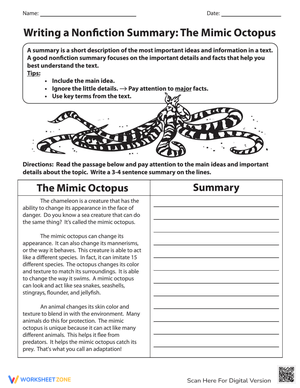
Creating or selecting a leveled text involves more than just shortening paragraphs or using simpler vocabulary. Properly leveled reading worksheets balance several distinct elements to ensure the material is appropriate for a specific stage of reading development. Vocabulary density plays a significant role. Texts designed for early readers introduce high-frequency sight words and easily decodable patterns, while advanced levels incorporate domain-specific terminology and multi-syllabic words that require strong morphological awareness. The ratio of known words to unknown words must be carefully managed to maintain momentum.
Sentence complexity and syntactic structure are equally important. Early leveled texts feature simple, repetitive sentence structures that help students predict text patterns and build fluency. As the levels progress, sentences become longer and feature complex clauses, varied punctuation, and sophisticated transitions. Additionally, subject familiarity impacts comprehension. Authors of leveled materials consider all these factors, ensuring that the cognitive load of decoding does not overwhelm the student's ability to understand the content.
Understanding Major Leveling Systems
Teachers encounter several different frameworks when organizing their classroom libraries and instructional materials. Understanding these systems is essential for effectively using leveled reading worksheets files. One of the most widely recognized frameworks is the Lexile framework, which assigns a numerical measure to both readers and texts based on semantic difficulty and syntactic complexity. This allows for a very precise quantitative match between a student's reading ability and the text's difficulty. Other common systems include Fountas & Pinnell, which uses an alphabetical continuum from A to Z, and the Developmental Reading Assessment (DRA), which utilizes a numerical scale based on specific reading behaviors and comprehension benchmarks.
How to Accurately Assess Student Reading Proficiency
Before assigning leveled reading worksheets, teachers must determine each student's current proficiency baseline. Assessment is a continuous cycle that informs instruction and flexible grouping. Formal assessments, such as standardized reading inventories or district-mandated benchmarks, provide a strong starting point at the beginning of the academic year. These tools often yield a specific numerical or alphabetical score that aligns with the major leveling systems. Informal assessments are just as valuable for daily instructional decisions. Running records are a staple of early literacy classrooms. By listening to a student read aloud and noting their errors, self-corrections, and fluency rates, teachers gain immediate, actionable data about decoding skills and reading behaviors. Effective teachers combine data from formal benchmarks with observations from daily small group interactions to establish an accurate, dynamic reading profile for every child in the classroom.
Matching the Right Text to the Right Reader
The goal of differentiated reading instruction is to identify a student's instructional reading level. This is the level at which a student can read with 90 to 94 percent accuracy and demonstrate satisfactory comprehension with teacher support. Independent reading materials should be slightly easier, allowing the student to read with 95 to 100 percent accuracy without assistance. Frustration level texts, which fall below 90 percent accuracy, should be avoided during independent practice, as they can quickly demotivate struggling readers.
According to the overview Understanding Lexile Measures from Lexile, tracking student growth with precise leveling metrics allows teachers to monitor literacy progress effectively. Data indicates that matching readers to texts within their optimal Lexile range can increase reading comprehension scores and vocabulary acquisition over a standard 9-week grading period.
When selecting leveled reading printable worksheetss, teachers must consider both the quantitative measure of the text and the qualitative needs of the reader. A text might fall within a student's Lexile range but contain thematic elements that are too mature or require background knowledge the student lacks. Teachers act as curators, reviewing the available materials and making informed judgments about which specific worksheet will best support a student's individual learning targets for the week.
Teacher Tips
Organizing a comprehensive system for leveled reading worksheets resources requires careful planning and systematic execution. First, establish a clear organization method for your printed materials and digital files. Create folders categorized by leveling system or specific reading skills, ensuring that you can quickly locate the exact worksheet you need during a busy instructional block. Keep a master tracker of student reading levels, updating it regularly based on running records and comprehension assessments. This tracker will guide your grouping decisions and text selections.
When introducing a new leveled text, always begin with a strong pre-reading routine. Activate prior knowledge, introduce challenging vocabulary words before the students encounter them in the text, and set a clear purpose for reading. During small group instruction, observe reading behaviors closely. If a student breezes through a text without any errors and answers all comprehension questions effortlessly, it is time to move them to a more challenging level. Flexibility is the key to successful implementation.
Incorporating Printables into Small Group Instruction
Small group instruction is the ideal environment for utilizing leveled reading worksheets. During these targeted sessions, the teacher can provide direct instruction tailored to the specific needs of four to six students who are reading at a similar proficiency level. The leveled printable serves as the anchor text for the lesson. Teachers can guide students through the text, modeling decoding strategies, prompting for self-correction, and facilitating discussions that deepen comprehension and critical thinking skills.
Frequently Asked Questions
1. How can parents or teachers determine a student's current reading level?
Teachers typically determine a student's reading level through a combination of formal benchmark assessments and informal measures like running records. Formal assessments might include computer-based adaptive tests that yield a Lexile measure or specific literacy inventories that provide a Fountas & Pinnell letter grade. Parents can support this process by communicating regularly with the classroom teacher to understand their child's current level and asking for recommendations on appropriately leveled texts for home reading practice. Observing a child read aloud and noting if they stumble on more than one word out of ten can also serve as a quick, informal check.
2. What is the difference between major leveling systems like Lexile and Fountas & Pinnell?
The primary difference lies in how they evaluate text complexity. The Lexile framework is a quantitative system that uses an algorithm to analyze semantic difficulty, such as vocabulary frequency, and syntactic complexity, such as sentence length. It assigns a numerical score. Fountas & Pinnell is a qualitative and quantitative system that uses an alphabetical continuum. It considers sentence complexity and vocabulary but also factors in qualitative elements like text structure, layout, visual supports, and thematic maturity, relying on the judgment of literacy experts to assign a level.
3. How often should a student's reading level be re-assessed to ensure material appropriateness?
Reading levels are dynamic, especially in early elementary grades, and should be monitored continuously. Formal benchmark assessments are typically administered three times a year: fall, winter, and spring. However, teachers should conduct informal assessments, such as running records, much more frequently. For students in early reading stages or those receiving targeted intervention, progress monitoring should occur every two to three weeks. For fluent readers making steady progress, checking in every four to six weeks may be sufficient. Regular assessment ensures that students are consistently matched with materials that provide the optimal level of challenge.