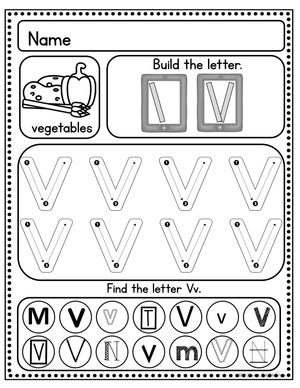
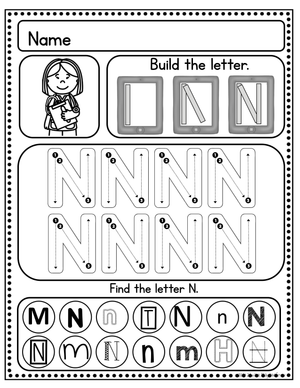
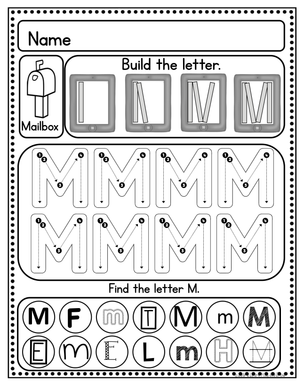
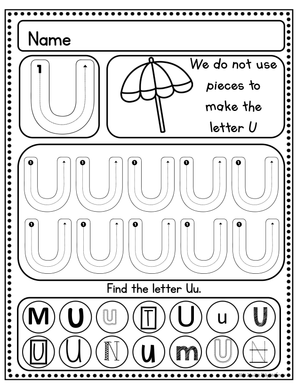
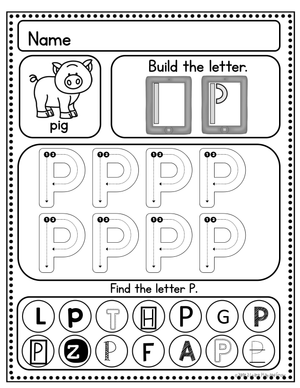
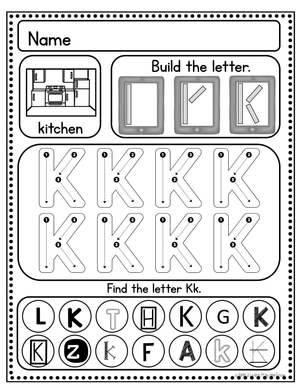
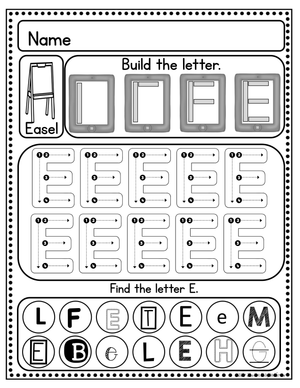
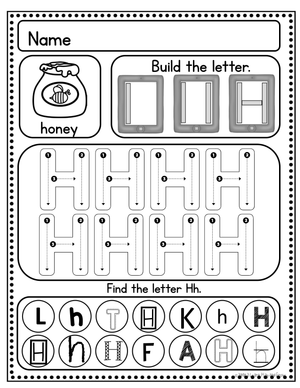
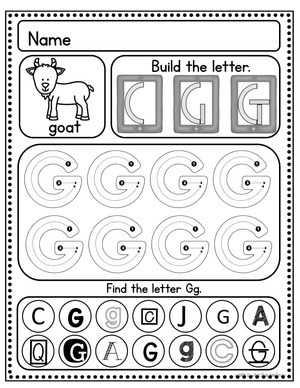
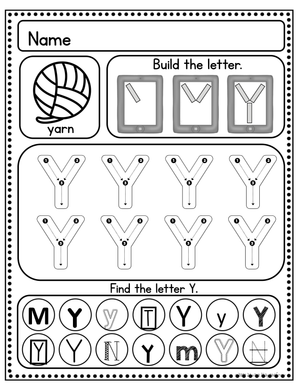
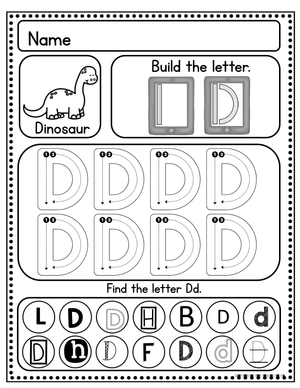
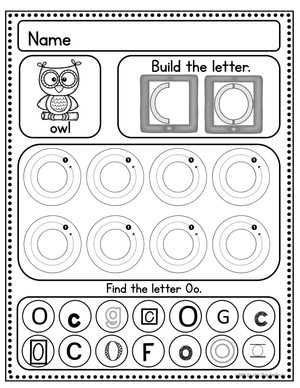
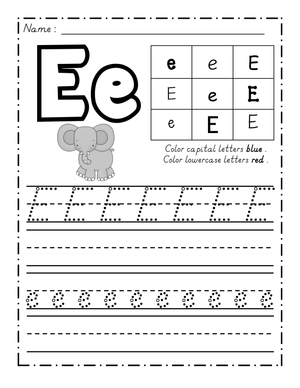
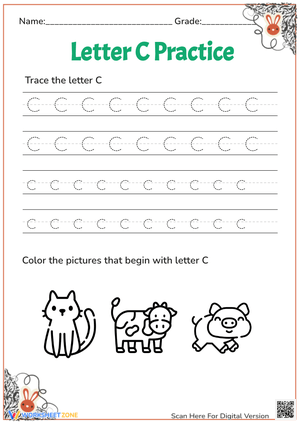
If you searched for Handwriting Without Tears for kindergarten, you're probably trying to decide whether to swap your current letter-formation routine for something new. HWT departs from traditional print curricula in a few concrete ways. Letters are simplified into basic strokes, capitals are taught before lowercase letters, and letters are grouped by the strokes they share rather than by alphabetical order. That sequencing matters for five- and six-year-olds who are still building fine motor control: a child who has practiced vertical and horizontal lines on capital letters like L, F, and E can transfer that same stroke pattern to lowercase l, i, and t with less relearning.
Teacher Tips for Daily HWT Practice With Kindergarten Students
HWT is designed around short, frequent sessions rather than long blocks, which fits naturally into a kindergarten schedule already built on rotations. A few adjustments make it easier to sustain all year.
- Schedule 10-15 minutes of handwriting practice at the same point in your daily routine so it becomes automatic for students.
- Introduce letters in HWT's stroke-based groups rather than alphabetical order, starting with capitals that use straight lines before moving to curved and diagonal strokes.
- Use slate chalkboards or wood pieces for the first few minutes of a lesson, then transition to paper practice once a student shows the correct stroke pattern.
- Check pencil grip and paper position individually during small-group rotations rather than only during whole-class instruction.
- Keep a simple weekly checklist of which students still reverse letters or struggle with specific strokes so you can regroup for targeted practice.
Using Printable Worksheets for HWT-Aligned Practice In Kindergarten Classes
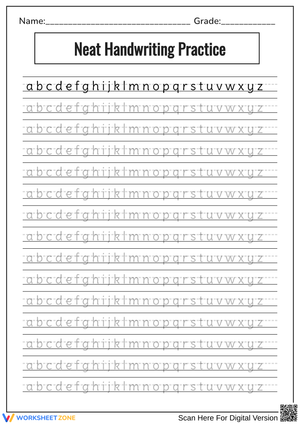
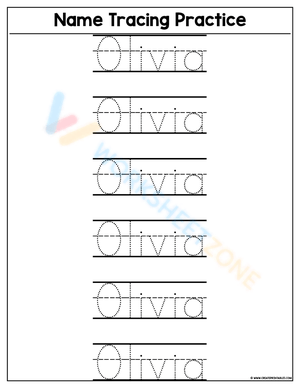
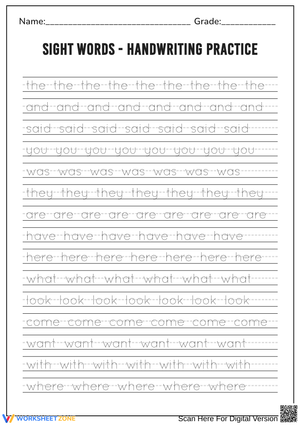
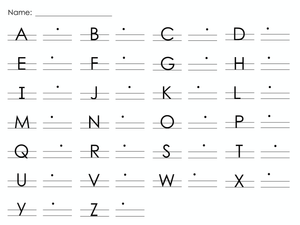
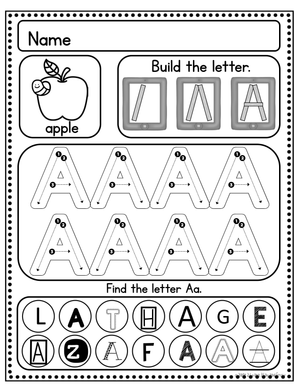
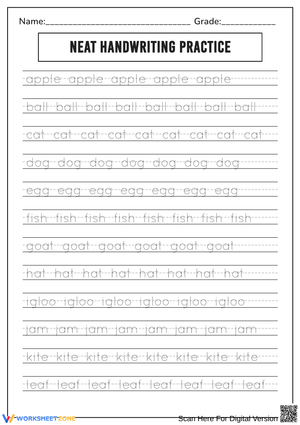
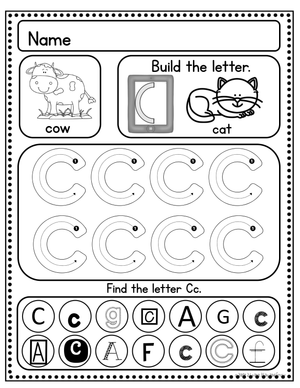
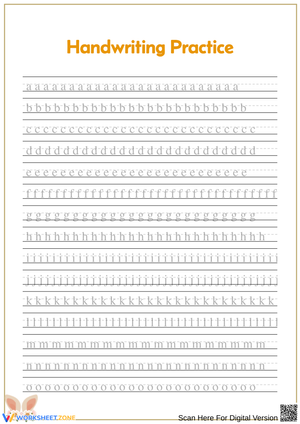
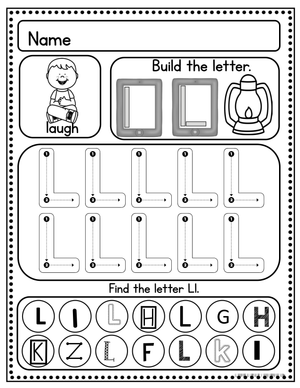
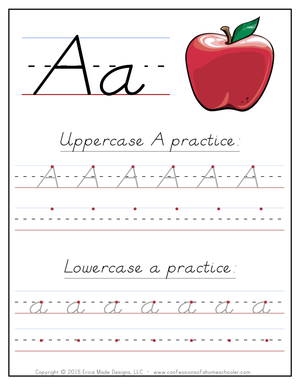
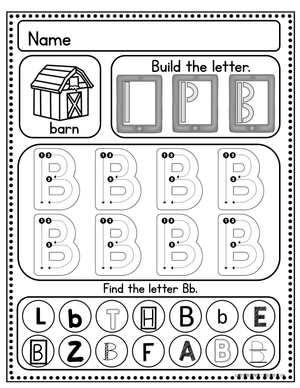
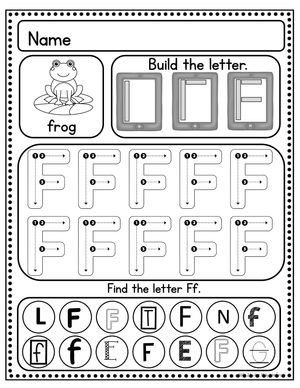
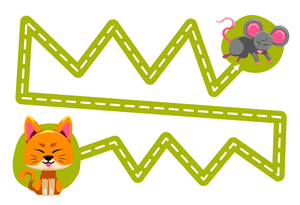
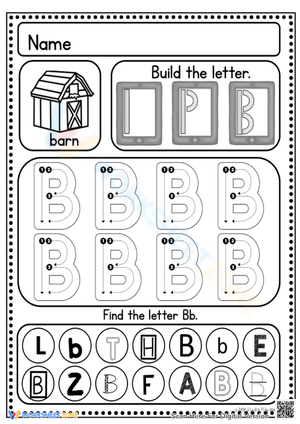
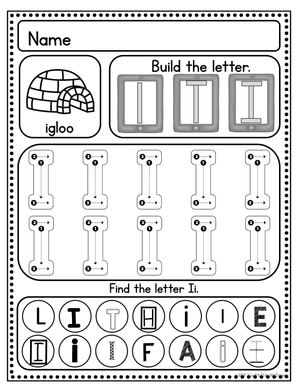
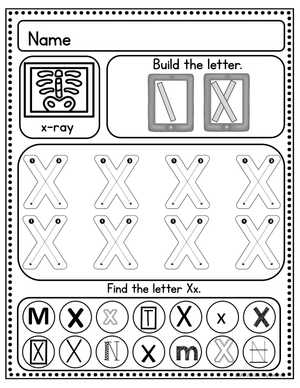
Worksheets remain useful for reinforcing HWT letter formation once students have had hands-on practice with the physical tools. For whole-class instruction, a worksheet with HWT-style letter models and guided practice lines gives every student repeated exposure to correct stroke order. For small-group intervention, worksheets targeting a single letter group, such as the straight-line capitals, let you focus practice time on students who need more repetition. Worksheets also double as a quick formative assessment: reviewing a stack of completed pages tells you within minutes which students have solid letter formation and which need another round of multisensory practice before moving forward.
Frequently Asked Questions
1. Is Handwriting Without Tears backed by research for kindergarten classrooms?
Yes. A 2015 study in the American Journal of Occupational Therapy found kindergartners using HWT outperformed a control group on all 10 subtests of a standardized handwriting assessment, with large effect sizes.
2. How is HWT different from other handwriting curricula for young learners?
HWT teaches capital letters before lowercase, groups letters by shared strokes instead of alphabetical order, and uses multisensory tools like wood pieces and slate chalkboards alongside paper practice.
3. Do teachers need occupational therapy training to use HWT in a general education classroom?
No. The research behind HWT used a consultative model where an occupational therapist supported the classroom teacher, who delivered the actual instruction without needing OT credentials themselves.
4. How often should kindergartners practice with HWT-style materials each week?
HWT is designed for short, frequent sessions, typically 10-15 minutes most days of the week, rather than long blocks once or twice weekly.
5. Can HWT-style worksheets be used for handwriting intervention or only whole-class instruction?
Both. Worksheets can support whole-class practice and also target a single letter group for small-group intervention with students who need extra repetition.












 Interactive Worksheet Maker
 Quiz Maker
 Word Search Maker
 Crossword Puzzle Maker
 Word Scramble Generator
 Sentence Scramble Generator
 Handwriting Worksheet Generator
 Name Tracing Generator
 Fill In The Blank Generator