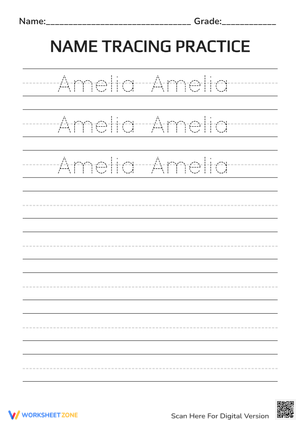
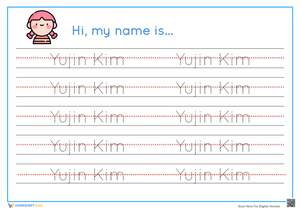
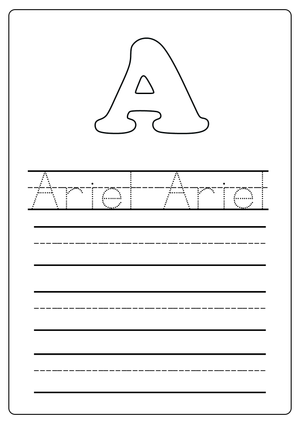
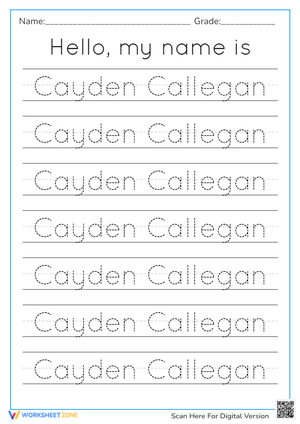
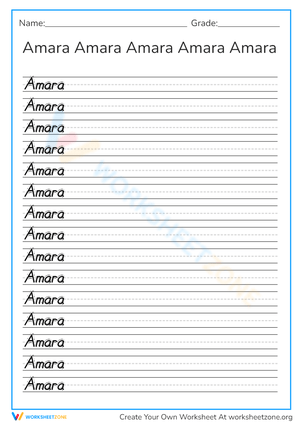
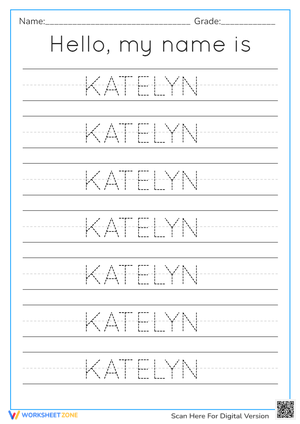
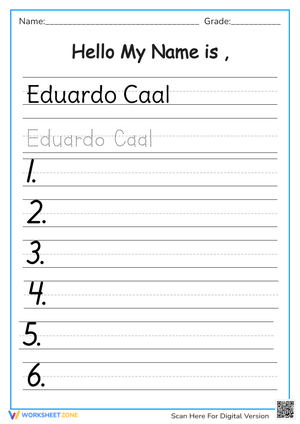
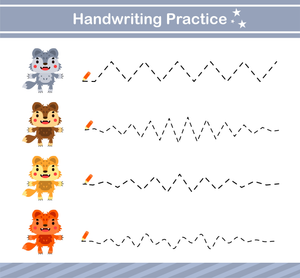
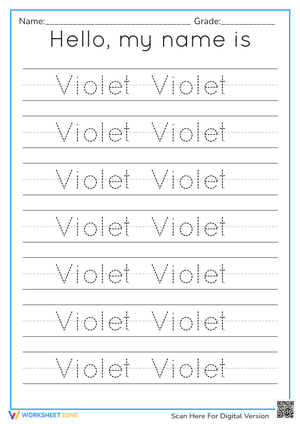
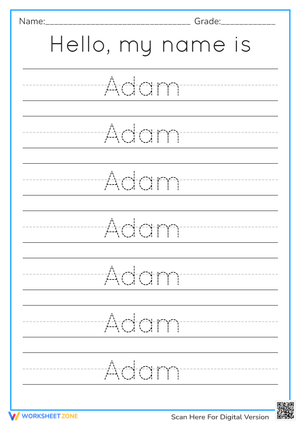
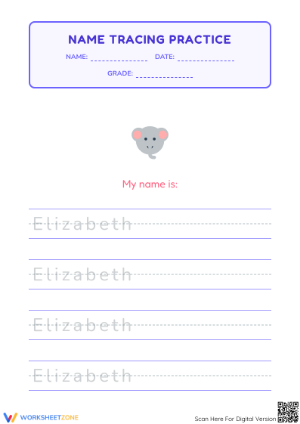
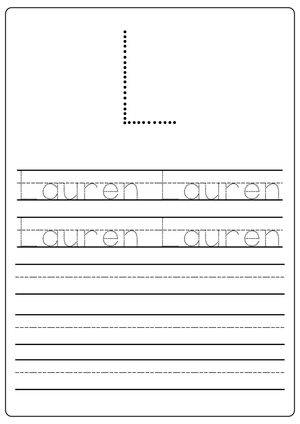
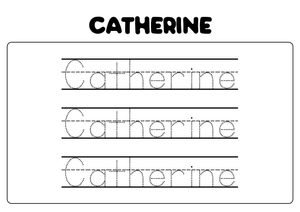
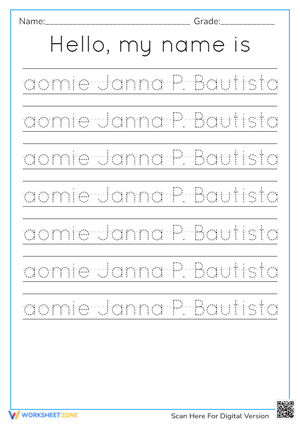
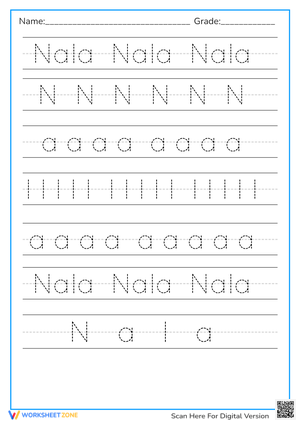
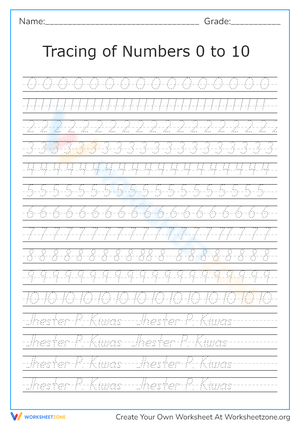
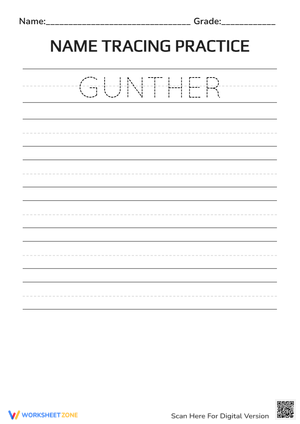
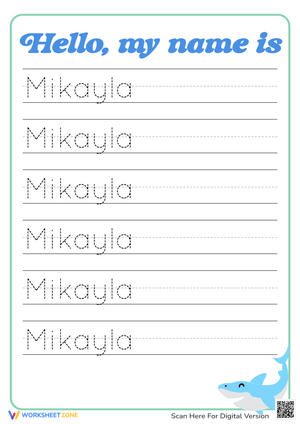
Welcome to the foundational step of early literacy and fine motor development. For young learners, writing their own identity on paper is a meaningful milestone. Utilizing name tracing handwriting PDF worksheets for kindergarten provides educators with a practical tool to guide this essential skill. These printable resources allow teachers to generate individualized practice sheets, ensuring every student receives targeted instruction on proper letter formation, stroke order, and spatial awareness on primary lined paper.
Aligning with Common Core State Standards
Effective handwriting instruction is not just about neatness; it is directly tied to early literacy standards. The Common Core State Standards for English Language Arts - Kindergarten specifically require students to print many upper- and lowercase letters (L.K.1.A). Name tracing is a highly effective method for meeting this standard because it introduces a mix of capital and lowercase letters in a context that makes sense to the child.
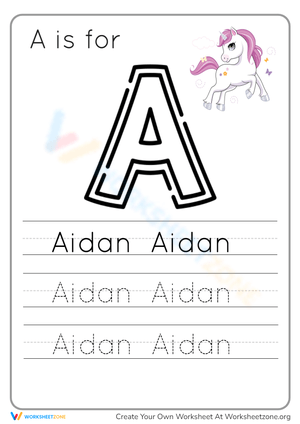
Instead of practicing letters in alphabetical order, students learn the specific strokes required for the letters in their own names. This targeted practice reinforces the standard while keeping the learning process highly relevant. Teachers can use customizable PDF templates to ensure that the first letter is capitalized and the subsequent letters are lowercase, modeling the exact formatting expected in formal writing assignments.
Progression of Handwriting Skills
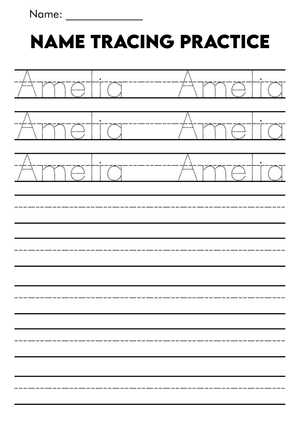
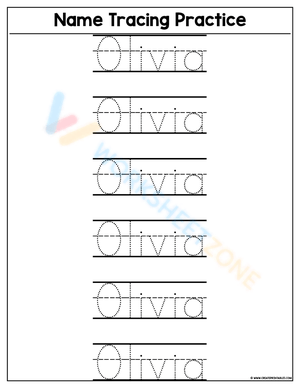
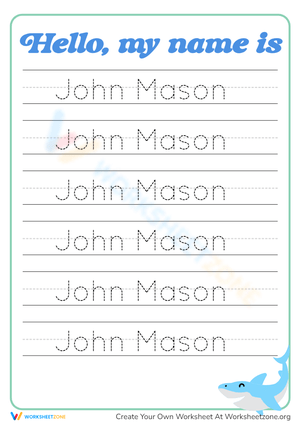
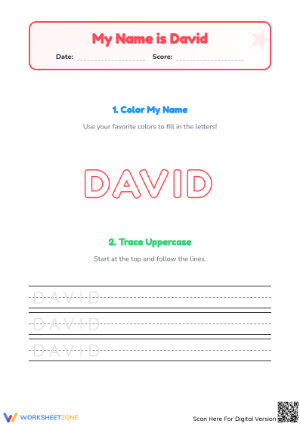
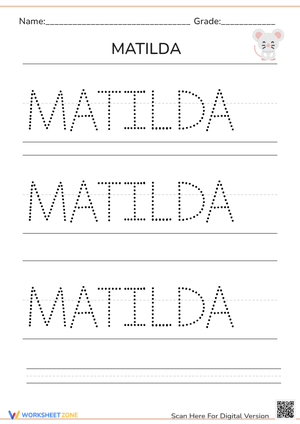
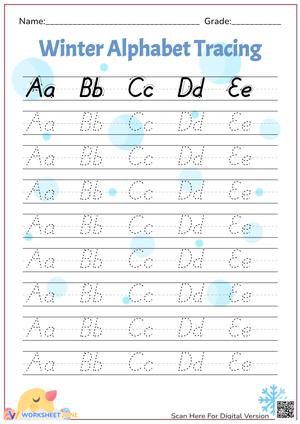
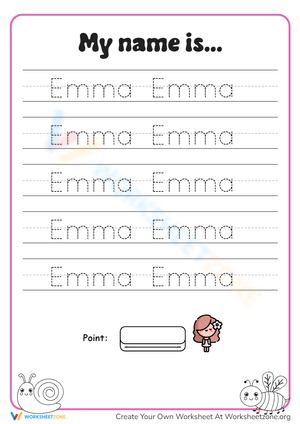
Mastering name writing is a gradual process that requires careful scaffolding. Effective name tracing worksheets progress through several distinct stages to build independence. Initially, students may trace over solid, thick lines to understand the basic shape and directionality of each letter. As their fine motor control improves, the worksheets can transition to dashed or dotted lines. This intermediate step requires more precision and encourages students to rely on their own muscle memory rather than simply coloring over a solid path.
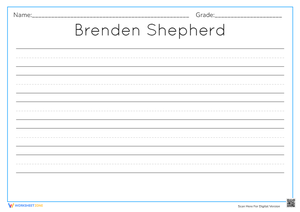
Finally, the practice sheets should provide blank primary writing lines where students can attempt to write their names independently, using the traced versions above as a visual reference. The Edutopia: Developing Fine Motor Skills in Early Childhood resource highlights the necessity of this gradual release of responsibility. By moving from heavy tracing support to independent writing space, teachers help students develop the intrinsic hand strength and coordination needed for long-term writing success.
Alongside the visual progression of the lines, teachers must also pay close attention to the physical progression of the student's pencil grip. Tracing activities provide an excellent, low-stakes opportunity to correct improper grasps. Because the cognitive load of remembering how to spell the name is removed by the tracing template, the student can focus entirely on holding the pencil correctly. Teachers should encourage a dynamic tripod grasp, gently redirecting fingers as students work through their daily tracing sheets.
Classroom Implementation
Integrating name tracing into the daily schedule is highly effective when done consistently. Many teachers utilize these PDF worksheets as part of a morning arrival routine. As students enter the classroom, they locate their personalized tracing sheet and begin working immediately. This establishes a calm, focused start to the day while guaranteeing daily handwriting practice. Another excellent strategy is to incorporate name tracing into literacy centers or sign-in stations.
To maximize the effectiveness of morning sign-in routines, place each student's personalized name tracing PDF inside a heavy-duty dry-erase sleeve. Provide a fine-tip whiteboard marker and a small felt eraser at the station. This allows students to practice tracing their names multiple times a week without the need to print hundreds of individual paper copies, saving valuable prep time and classroom resources while still delivering the daily repetition required for muscle memory.
Additionally, teachers must actively monitor these practice sessions to ensure students are using the correct stroke order. Starting letters from the top and pulling down is a fundamental habit that must be established early. If students trace letters from the bottom up, they develop inefficient writing patterns that are difficult to correct later. Active supervision during these implementation periods ensures that the tracing practice translates into proper, fluent handwriting.
Customizing PDF Worksheets for Your Roster
One of the greatest advantages of using name tracing handwriting PDF worksheets for kindergarten is the ability to customize the materials for an entire class roster. Customizable Name Tracing Sheet generators allow teachers to input a class list and instantly create personalized tracing sheets for each student. This eliminates the tedious task of hand-writing dotted names on primary paper for twenty or more students.
When generating these PDFs, teachers can select the appropriate font size and line spacing to match the developmental level of their classroom. Early in the year, larger fonts with wider primary lines are ideal. As the year progresses, teachers can generate new PDFs with smaller fonts to challenge students and prepare them for standard writing tasks. This flexibility ensures that the instructional materials always match the current needs of the learners.
Frequently Asked Questions
1. How can I create a custom name tracing worksheet for my kindergarten class?
Teachers can use Worksheetzone's Name Tracing Worksheet generator designed specifically for early childhood education. By typing a student's name into the generator's text field, the tool automatically formats the text into a traceable, dashed font aligned on primary writing lines.
2. What font style is best for kindergarten name tracing?
The best font style is a standard manuscript or block letter font that closely mirrors the handwriting curriculum used in your school. Look for fonts that feature a clear distinction between uppercase and lowercase letters, use simple vertical and horizontal strokes, and include a traditional lowercase "a" and "g" rather than the complex typographic versions. Dashed or dotted versions of these manuscript fonts are ideal for tracing.
3. How do I transition students from tracing to writing their names independently?
Start with full tracing support using dashed letters. Next, provide a worksheet where the student traces their name once or twice, followed by a blank primary line where they must write it independently using the traced version as a model. Finally, remove the tracing entirely and provide only a starting dot on the primary line to remind them where the first capital letter should begin.
4. Should kindergarteners trace their first and last names together?
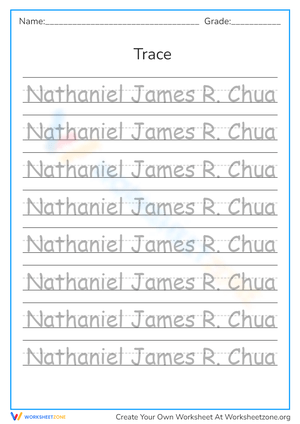
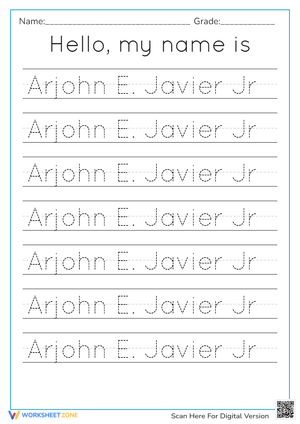
At the beginning of the year, it is best to focus exclusively on the first name to avoid overwhelming the student. Once a child has mastered tracing and writing their first name with proper capitalization and stroke order, you can introduce the last name. When introducing the last name, generate a new PDF worksheet that includes both names, ensuring there is a clear, exaggerated space between the two words to teach spatial awareness.












 Interactive Worksheet Maker
 Quiz Maker
 Word Search Maker
 Crossword Puzzle Maker
 Word Scramble Generator
 Sentence Scramble Generator
 Handwriting Worksheet Generator
 Name Tracing Generator
 Fill In The Blank Generator