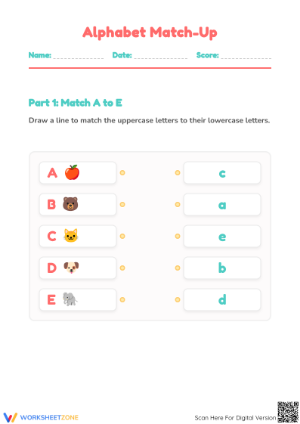
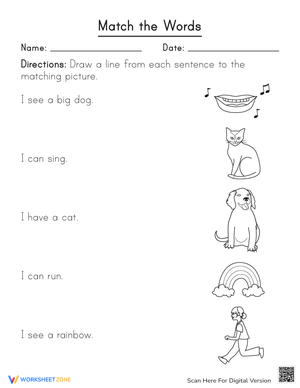
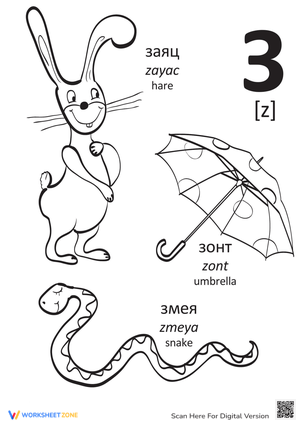
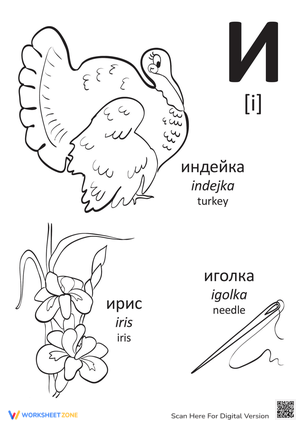
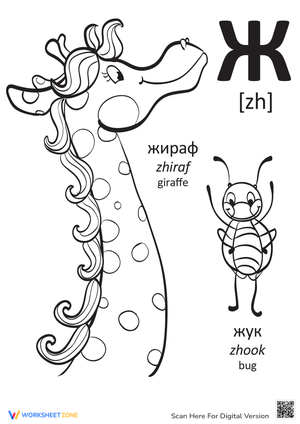
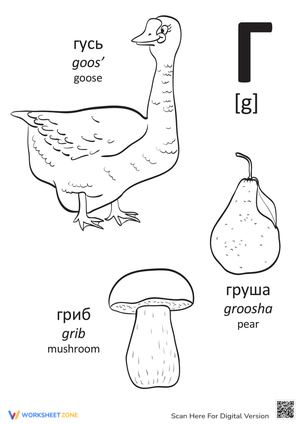
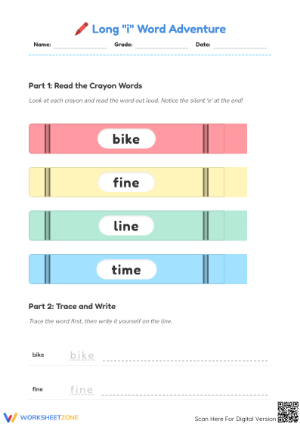
These kindergarten letters and words pdf worksheets give teachers a direct route to one of the most underestimated skills in early literacy: helping five-year-olds understand that a letter and a word are fundamentally different things. Most kindergartners arrive knowing some letter names — plenty can rattle off the alphabet by September. Far fewer can look at a line of print and identify where one word stops and the next one starts, and that gap is exactly what these worksheets address.
The Specific Skills These Worksheets Build
Each worksheet focuses on the visual and conceptual work of distinguishing letters from words. Across the set, students:
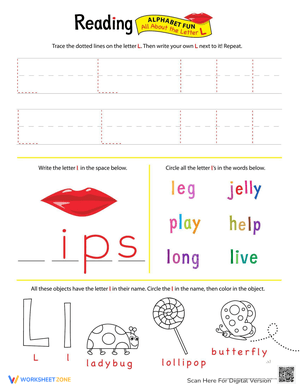
- Circle all letters on a worksheet in one color, then mark the words in a second color
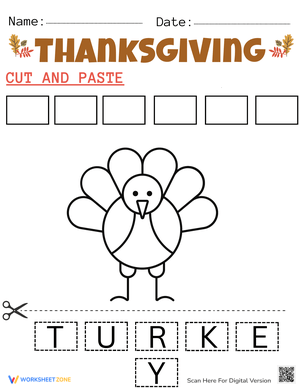
- Sort printed items — some single characters, some short strings — into letter and word columns using a cut-and-paste format
- Count the letters within a given word and record the total
- Identify whether a printed item is a letter, a word, or neither — some worksheets include numerals as intentional distractors
- Match a printed word to the correct letter count on a simple number line
The letter-counting tasks matter more than they might appear. When a child has to say "c-a-t — three letters, so it's a word, not a letter," they are internalizing the distinction in a way that passive circling tasks alone don't produce. That counting work also connects naturally to the one-to-one correspondence students are building in math, which reinforces both domains at once without adding extra instructional time.
Mistakes Students Make That the Worksheets Help You Catch
The most consistent error we see is students treating two-letter words as letters. A child who confidently marks "B" as a letter will often mark "at" the same way, because it's short and reads almost as fast as a single character. They aren't wrong about the phonics — "at" does go by quickly — but they haven't yet grasped that letter count, not pronunciation speed, is the deciding factor. Worksheets that mix items like "a," "an," and "and" in the same column make this confusion visible immediately.
A second predictable error involves words with doubled letters. Students will sometimes split "moon" into two items in their minds — the "oo" looks like repetition, and repetition reads as separate to a kindergartner who hasn't absorbed the idea that a word stays whole regardless of its internal patterns. Words like "bee," "see," and "tree" surface this confusion on paper, which is useful: better to find it during worksheet practice than during guided reading when other demands are competing for attention.
There's also a less-noticed error worth watching for in students who mark letters and words correctly on a worksheet but lose the distinction inside continuous text. Pointing to a line like "the dog ran" and asking a child to touch just the words reveals whether the skill has actually transferred, or whether they've learned to complete a worksheet format without generalizing the concept to real print.
How to Build These Worksheets Into Your Literacy Block
The most efficient placement is the ten-to-fifteen minutes of independent work while the teacher runs a small guided reading group. Students who are still building basic letter recognition work through the simpler sorting worksheets; those who are further along move to the letter-counting tasks. Because each worksheet stands alone, there's no sequencing burden — pull what fits the group that day.
Morning meeting follow-up is another natural fit. After a shared reading lesson where the class has discussed print concepts on a big book, a short worksheet gives each student the chance to show the concept individually rather than calling out as a group. It takes about five minutes and produces a concrete record of who is tracking and who isn't — far more reliable than whole-class hand-raises.
For centers rotation, laminate a few of these kindergarten letters and words pdf worksheets and provide dry-erase markers. The reuse factor matters here: some students need the same task four or five times before the concept settles, and laminated sheets make that possible without burning through paper copies. Pairing students to check each other's work in a partner rotation also generates real conversation about print — a five-year-old explaining to a classmate why "dog" is a word often consolidates their own understanding faster than another solo practice round would.
Adjusting the Set for a Range of Learners
Students who are still building letter recognition benefit from worksheets with large, well-spaced print and no more than three or four items per row. Reducing the visual field lowers the processing load without removing the conceptual challenge. A partner structure — one student points, one marks — keeps the task social and helps sustain attention for students who find written tasks quickly frustrating.
For students who already have the basic distinction secure, the letter-counting worksheets push toward more analytical interaction with print. You can extend those further by asking students to write a word that contains a specific number of letters — "write a word with four letters" — rather than simply identifying one. That shift from recognition to production is a meaningful jump in cognitive demand for a five-year-old and keeps these students genuinely engaged rather than breezing through tasks they mastered two weeks ago.
Students who finish quickly and correctly can serve as informal peer coaches during centers. Asking a student to explain why "dog" is a word and "d" is a letter surfaces their understanding in a way that simply marking a worksheet does not — and gives you a cleaner read on whether the knowledge is solid or was somewhat lucky on the written task.
Standard Alignment
These worksheets align directly with CCSS RF.K.1, the foundational print concepts standard, and most specifically with RF.K.1c: recognizing that words are separated by spaces in print. In classroom terms, RF.K.1c sits in the early fall window when teachers are establishing shared vocabulary — what counts as a letter, what counts as a word, what a sentence is. The kindergarten letters and words pdf worksheets in this set address RF.K.1c at the level of visual discrimination before students encounter the standard's application in continuous reading.
The letter-counting tasks also build readiness for RF.K.3, since students who can isolate discrete letters within a word are closer to mapping individual sounds to those letters — the core work of phonics instruction that follows once concepts of print are stable.
Frequently Asked Questions
Can these worksheets work for students who don't yet know all their letter names?
Yes. Letter identification and the letter-versus-word distinction are related but separate skills. A child can learn to recognize that "m" is one character while "mom" is a string of characters without yet knowing the names of all twenty-six letters. The worksheets that use color-coding or symbol-marking tasks don't require students to name letters — just to distinguish single characters from strings. That said, letter-name knowledge does accelerate the work, so pairing this practice with alphabet review makes sense if students are still building that foundation alongside concepts of print.
How often should I use these worksheets each week?
Using kindergarten letters and words pdf worksheets daily for the first two weeks of a concepts-of-print unit tends to produce faster consolidation, after which one or two each week works well as a maintenance activity. The risk of overdoing it is not confusion but boredom — once students have the distinction down, the simpler sorting tasks feel unchallenging, so shift to the letter-counting and production tasks to maintain genuine engagement rather than mechanical completion.
What should I do when a student keeps confusing letters and words after repeated practice?
First, determine whether the confusion is happening on the worksheets or in actual text — these are different problems. If the errors are worksheet-specific, the issue may be unfamiliarity with the task format rather than a missing concept; try demonstrating with magnetic letters or physical blocks before the next attempt. If the confusion appears during guided reading when the student is asked to point to a single word or a single letter in a real book, that signals a deeper concepts-of-print gap. A brief one-on-one observation using a simple picture book pointing task will tell you more than any worksheet result can.












 Interactive Worksheet Maker
 Quiz Maker
 Word Search Maker
 Crossword Puzzle Maker
 Word Scramble Generator
 Sentence Scramble Generator
 Handwriting Worksheet Generator
 Name Tracing Generator
 Fill In The Blank Generator