Spacing Between Words printable worksheets for Kindergarten
These spacing between words printable worksheets for kindergarten give teachers structured, varied practice for one of emergent writing's most persistent challenges: convincing a five-year-old that the white space on the page belongs there on purpose. The set includes multiple worksheet types — from sentence repair to cut-and-paste word strips — so formats can be rotated without losing the instructional focus. Each worksheet zeroes in on word boundaries specifically, rather than burying the concept inside a general handwriting unit.
Why This Skill Is Genuinely Hard for Five-Year-Olds
Children enter kindergarten experiencing spoken language as a continuous stream of sound. When they begin to write, many treat the page the same way — as one long flow — because no one explicitly told them that the gaps between spoken words get represented as blank space on paper. The concept is genuinely abstract. A child who can say "I like cats" correctly has no automatic reason to write it as three distinct visual blocks rather than one string.
What makes this especially difficult is that emergent writers are already managing multiple demands at once: letter formation, sound-symbol correspondence, left-to-right directionality, and sometimes capital letters. Word spacing gets dropped because it sits at the end of a long list of things to track. These worksheets temporarily remove the spelling and formation demands — presenting pre-written or partially written text — so students can focus on the spatial reasoning piece in isolation before applying it in their own writing.
What Students Practice Across the Set
The worksheets cover five distinct task types, and the variation is deliberate. A student who can identify missing spaces in a squished sentence is not necessarily applying that knowledge when she writes independently. Each worksheet targets a different point in that transfer process:
- Sentence repair: Students receive a run-together sentence — something like "Ilikemydog" — and rewrite it with proper spacing. This requires reading the letter string, locating word boundaries, and producing the corrected version.
- Space marking: Students place a dot or draw a short line at each word boundary in a pre-printed sentence. Lower-stakes than rewriting; a useful entry point before production tasks.
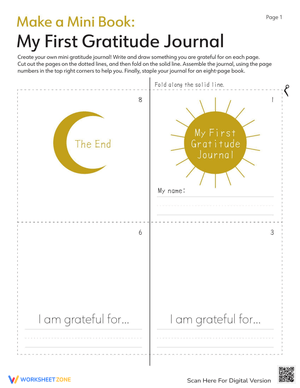
- Cut-and-paste word strips: Individual word cards are placed on a sentence strip with visible gaps between them. Students see and feel correct spacing before they produce it with a pencil.
- Trace and space: Students trace a word inside a shaded area, move past a blank gap, and trace the next word. The physical rhythm — write, pause, write — begins to build the habit at a procedural level.
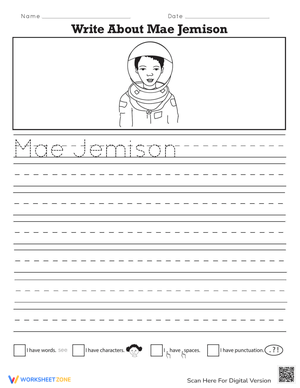
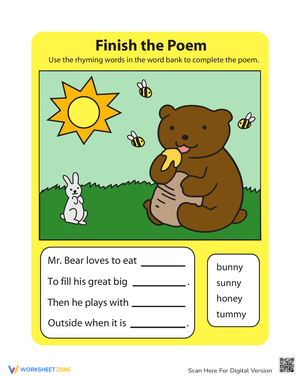
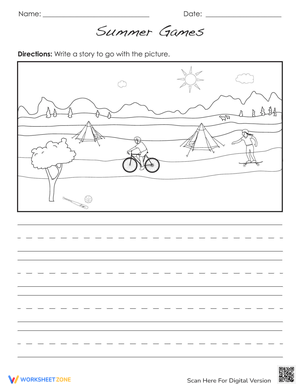
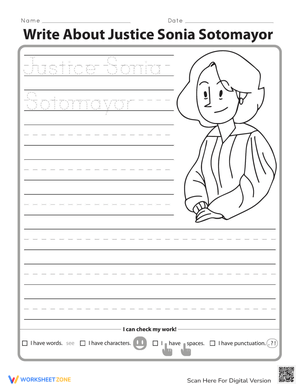
- Picture-prompted writing: Students write their own short sentence from an image, applying everything practiced in the guided formats. This is where you see whether understanding transfers to production.
Student Errors These Worksheets Help Teachers Catch
The most familiar pattern is the full letter string — no spaces anywhere. But teachers who run these worksheets with small groups quickly notice a subtler error: students who do leave some spaces place them inconsistently. A child might write "I like" with a clear gap, then run "mycats" together because she lost track partway through. The space she reserved at the start simply ran out as the sentence grew longer.
A less expected error is mid-word spacing. Students sometimes split compound-sounding words — writing "some thing" or "be cause" — because they hear a slight natural pause in their own speech at those points. Sentence repair worksheets surface both error types quickly, because teachers can compare the student's rewrite directly against the original squished sentence and see exactly where the word-boundary knowledge broke down.
Fitting These Worksheets Into the Writing Block
Spacing between words printable worksheets for kindergarten work best in the five to eight minutes immediately before students begin journal writing. Model on the whiteboard first: write a squished sentence, ask the class to read it aloud, watch them struggle, then space it out. Send students to their desks to complete one worksheet, then open journals. The proximity is what makes the timing work — transfer is far more likely when the structured practice and the independent writing happen back to back rather than separated by a snack break or a transition.
Small group is where the real monitoring happens. When five or six students work through a sentence repair worksheet at the same table, you see precisely where each child's word knowledge breaks down. A student who can't separate "they" from "went" in a repair task often also has trouble writing "they" in isolation — useful diagnostic information that goes well beyond the spacing lesson itself.
For literacy centers, pair these worksheets with a physical spacing tool. A craft stick with a small sticker on one end works fine. Students press it against the last letter of a finished word before moving the pencil to start the next one. The stick acts as a physical placeholder and reduces reliance on estimating distance by eye, which is genuinely difficult for children whose fine motor control is still developing.
Standard Alignment
RF.K.1.C (Common Core State Standards, Foundational Skills) states that kindergarten students must understand that words are separated by spaces in print. That standard sits inside the Foundational Skills strand, which is expected to be addressed explicitly and systematically — not incidentally through read-aloud or morning message alone. These worksheets give teachers a concrete, paper-based record of student progress toward RF.K.1.C, which matters during instructional team reviews and parent conferences when the question "how are you addressing print concepts?" needs more than a verbal answer.
Adjusting the Set for Different Learners
For students who are still learning to track print at all, start with space-marking and cut-and-paste worksheets before moving to sentence repair. Marking tasks require recognition only — no production. That distinction matters for students who are not yet writing independently, because it lets them engage with the concept without the handwriting demand blocking everything else.
Students who understand the concept but apply it unevenly — which describes most of the class by mid-year — benefit most from trace-and-space and picture-prompted formats. The goal for these students is automaticity, not initial understanding. They need repetitions, not re-explanations.
For the small number of students who arrive in kindergarten already writing with consistent spacing, the spacing between words printable worksheets for kindergarten still serve a purpose. Use the sentence repair tasks as a fluency and early decoding exercise rather than a spacing drill. These students can read the squished sentence, identify the word breaks, and rewrite quickly — practicing word recognition while classmates work on the spatial concept.
Frequently Asked Questions
My students space correctly on worksheets but write solid letter strings in their journals. What gives?
This is one of the most common frustrations with spacing instruction, and it signals that the skill has not yet become automatic. The most effective fix is timing: complete a spacing worksheet immediately before journal writing, not earlier in the day. Also add a quick pre-writing step — ask students to say their sentence aloud and count the words on their fingers before picking up the pencil. "Three words means two spaces" gives them a concrete plan rather than relying on a habit that hasn't formed yet.
How many words should the repair sentences include for early kindergarten?
Three-word sentences are the right starting point in September and October. Something like "I see cats" gives students a manageable string to decode without overwhelming their working memory. Four-word sentences work well for most students by mid-year. Beyond five words, the cognitive load shifts toward decoding and away from the spacing concept, which undermines what the task is supposed to teach.
Do these worksheets work for students who already struggle to hold a pencil?
The cut-and-paste and space-marking worksheets are the right fit for students with fine motor difficulties, because they minimize the writing demand. A child who uses significant physical effort to form each letter will drop the spacing habit first — it simply takes the lowest priority when writing itself is already taxing. Build the conceptual understanding through low-motor tasks first. The spacing between words printable worksheets for kindergarten that rely on marking or manipulating pre-printed words rather than writing from scratch are the ones to reach for with this group.
Clear All