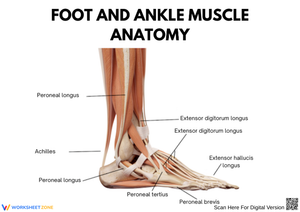
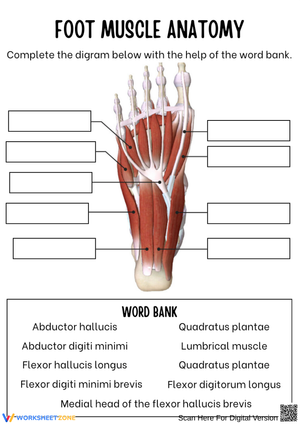
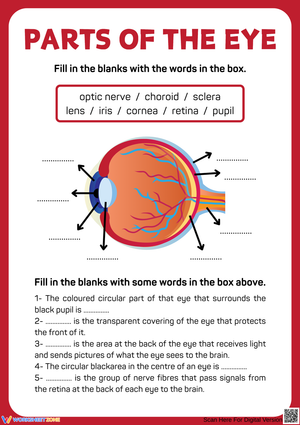
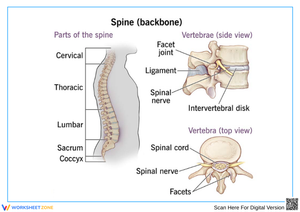
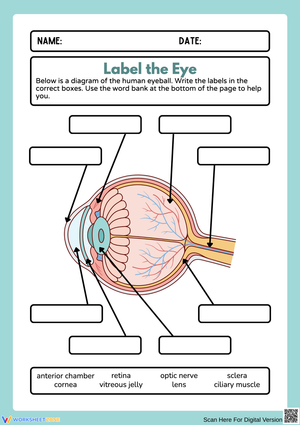
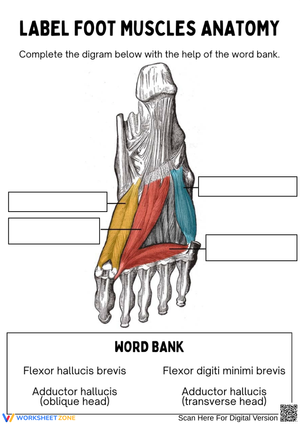
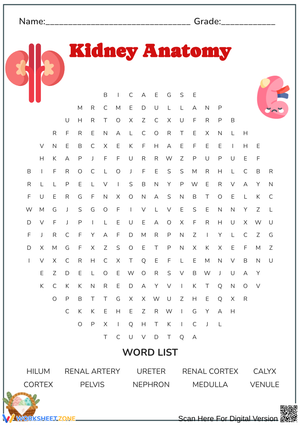
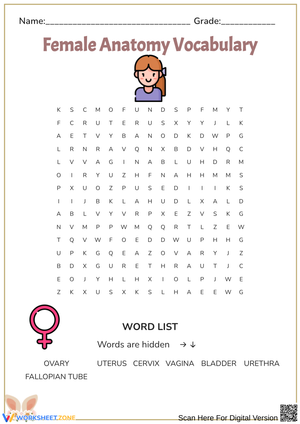
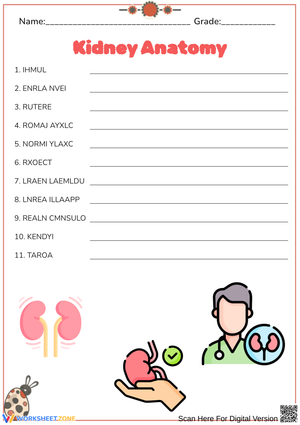
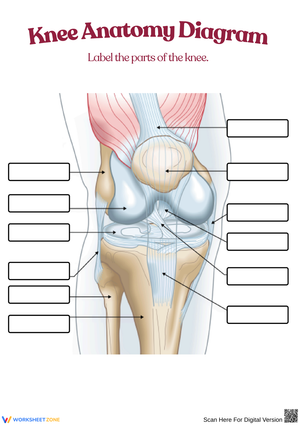
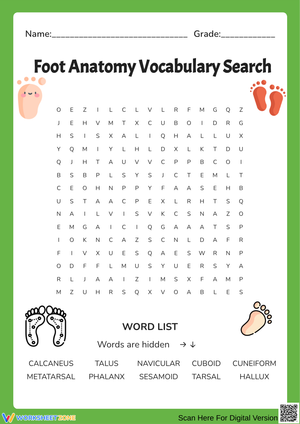
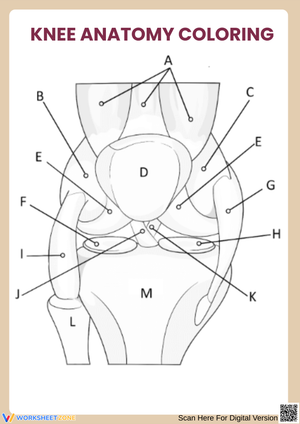
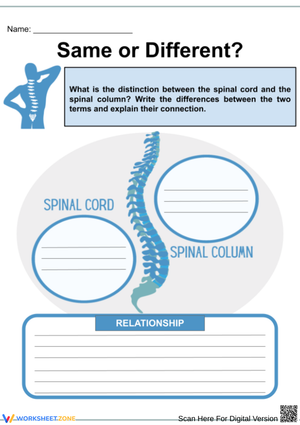
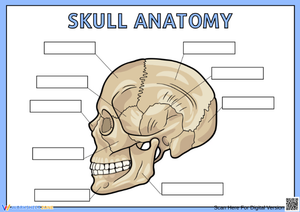
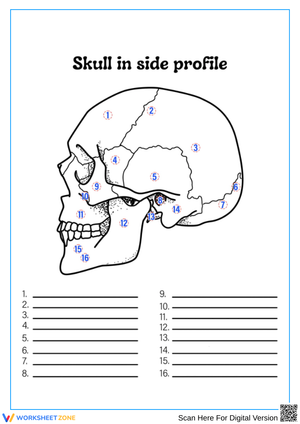
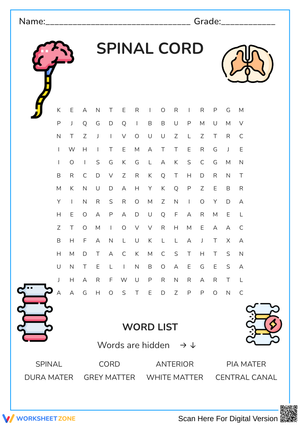
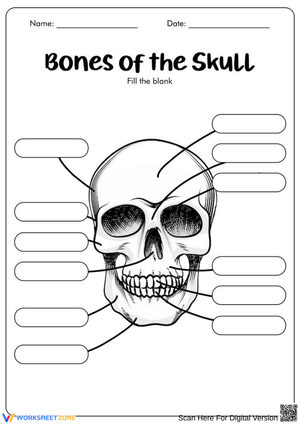
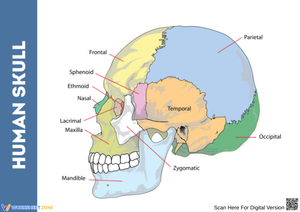
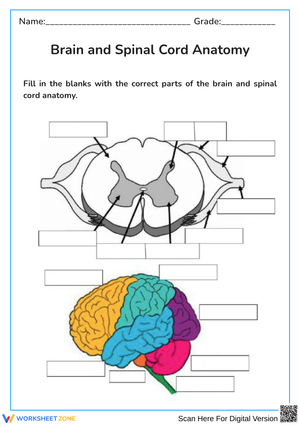
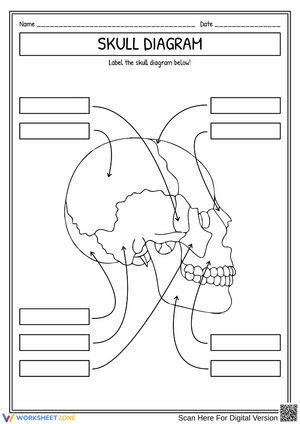
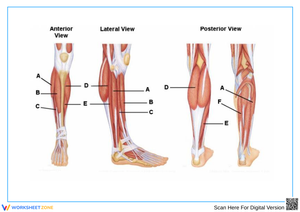
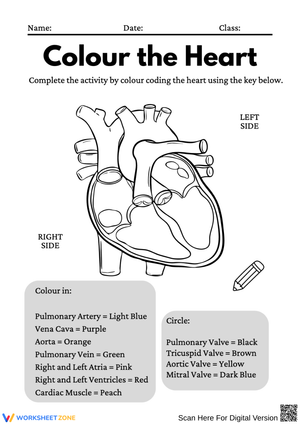
These human anatomy printable worksheets for 9th grade give biology teachers a structured entry point into system-level thinking — the conceptual shift that separates high school biology from the organ-identification work most students did in middle school. Each worksheet targets a specific body system or cross-system relationship, with tasks that include diagram labeling, pathway sequencing, feedback loop mapping, and short-answer analysis. The set covers the skeletal, muscular, circulatory, respiratory, nervous, and digestive systems, with sustained emphasis on homeostasis as a unifying concept across all of them.
The Specific Skills Targeted in Each Worksheet
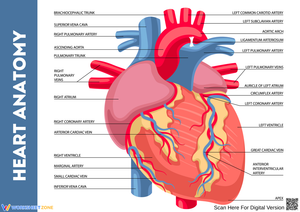
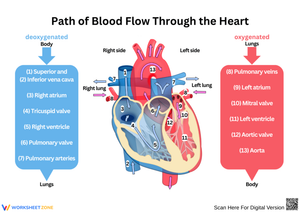
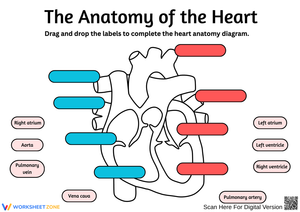
The task types vary by system, but every worksheet asks students to do more than fill in a blank next to an arrow. A student working through the circulatory worksheet traces the full path of a red blood cell from the right atrium through pulmonary circulation and back into systemic distribution, then annotates where gas exchange occurs and why. That's a different cognitive demand than pointing to "the heart" on a torso diagram.
Across the set, students will:
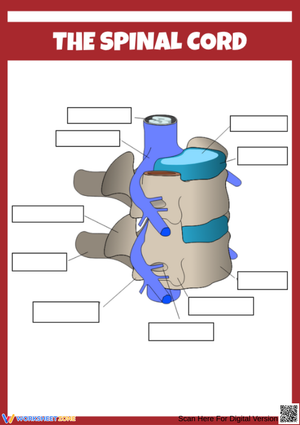
- Label anatomical diagrams with precision — including directional terms like superior, inferior, proximal, and distal that carry forward into every subsequent worksheet
- Sequence circulatory and respiratory pathways in the correct order, including the roles of all four heart valves
- Map negative feedback loops for homeostasis, identifying the sensor, control center, and effector in each mechanism
- Identify antagonistic muscle pairs at joints and explain how opposing muscles produce controlled, reversible movement
- Trace signal direction through a labeled neuron diagram, committing to a specific direction rather than just naming structural parts
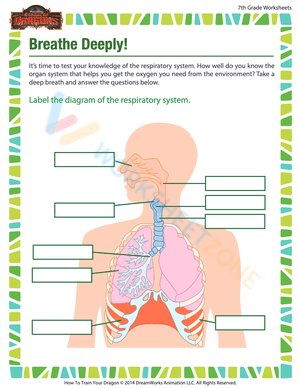
- Apply system knowledge to physiological scenarios — what happens to the respiratory system when a person shifts from rest to intense exercise, and which other systems respond in sequence
How Feedback Loops Connect the Systems
Homeostasis is where 9th graders most often hit a conceptual wall, so it gets sustained treatment across multiple worksheets rather than a single diagram. Students can memorize "the body maintains balance" without being able to explain the mechanism. The homeostasis worksheets walk students through the sensor–control center–effector model using thermoregulation first — a concrete, familiar example — then ask them to apply the same model to blood glucose regulation. When students build that transfer themselves, the model becomes something they can use, not just recite. That's the level of analysis NGSS expects by the end of high school biology.
One structural detail matters here: students consistently misread "negative feedback" as something harmful or abnormal. The word carries a negative connotation in everyday English, so students arrive with a pre-loaded misunderstanding. These worksheets address it directly by asking students to define what "negative" means in this context before they begin mapping the loop — a front-loaded step that prevents students from completing an entire diagram with a foundational error baked in.
Frequent Student Errors Worth Watching For
The most persistent error in 9th grade circulatory anatomy is directional reversal. Students who correctly name all four chambers will still draw oxygenated blood flowing from the right ventricle — or place the pulmonary artery on the left side of the heart — inverting the logic of the double circulation system entirely. When this error appears as a missequenced flowchart on the worksheet, it becomes visible and correctable before it hardens into an exam mistake. Asking students to mark "O" for oxygenated and "D" for deoxygenated on each arrow — not just label the vessel name — forces them to track the full pathway rather than memorizing isolated structures.
In the nervous system worksheet, students frequently draw signals traveling toward the cell body rather than away from it, inverting the direction of axon transmission. That error is easy to miss in a standard fill-in-the-blank format but shows up immediately when students annotate directional arrows on a neuron diagram. In the muscular system, students who understand that biceps and triceps are antagonistic will still describe them as "taking turns" rather than explaining that one relaxes while the other contracts — which is a meaningful functional distinction, not just a phrasing preference.
Smart Ways to Work These Worksheets Into Your Week
Where you place each worksheet in a lesson sequence changes what it accomplishes. Used before direct instruction, a partially completed diagram functions as an activation task — students mark what they already know, and what they leave blank tells you where to focus. Used after a lecture, the same worksheet becomes formative practice. Used at the end of the week, the cross-system analysis questions serve as a low-stakes check before a quiz without requiring any additional prep on your part.
Station rotations are especially effective with this set. Setting up six stations — one per body system — with groups of three or four rotating every twelve minutes keeps the period moving without fragmenting content. The peer discussion that happens when a group disagrees on a label is more productive than most whole-class review. Human anatomy printable worksheets for 9th grade also work cleanly in a substitute teacher plan: the diagram and analysis tasks require no setup, and a sub who isn't a science specialist can run the stations with a simple instruction card.
Standard Alignment
The core standard these worksheets address is NGSS HS-LS1-2: develop and use a model to illustrate the hierarchical organization of interacting systems that provide specific functions within multicellular organisms. In classroom terms, that standard appears in every worksheet that asks students to explain how a structure's shape relates to its function, or to trace consequences across systems when one system changes its output. The homeostasis and feedback loop worksheets also connect to HS-LS1-3, which asks students to plan and conduct investigations providing evidence that feedback mechanisms maintain homeostasis. These worksheets build the conceptual groundwork students need before they can design those investigations in a meaningful way.
Differentiating the Set Across Ability Levels
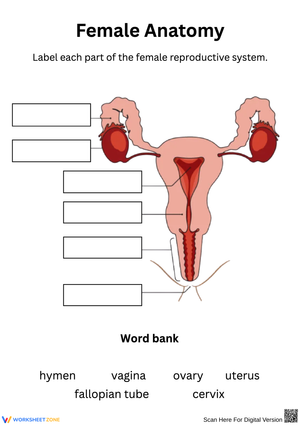
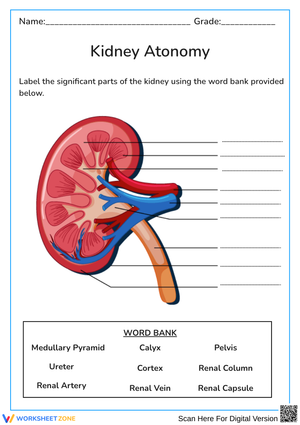
The most direct adjustment is the word bank. Giving students a list of anatomical terms to work from doesn't lower the cognitive demand of placing those terms correctly — it removes a retrieval barrier that would otherwise block access to the task entirely. For students working above grade level, remove the word bank and add an open-ended question at the bottom of each worksheet: "If this system failed entirely, which systems would be affected first, and in what order?" That question has no fill-in answer, and the response reveals exactly how far a student's thinking extends beyond memorization.
For students who need more step-by-step support, the sequencing activities can be broken into two passes: first sort events into broad categories — events occurring in the lungs versus events occurring in the heart — then order them within each category. This two-stage approach builds toward the full sequence without overloading students who are still orienting to the content. Students working well above grade level can annotate each step with quantitative data — partial pressure values during gas exchange, heart rate ranges during aerobic activity — beginning to connect the diagram to the numerical reasoning they'll encounter in AP Biology.
Frequently Asked Questions
Do these worksheets require prior anatomy instruction, or can they introduce a system cold?
They hold up as a first encounter with the material. Most 9th graders arrive with some organ-name recognition from middle school life science, but the worksheets don't assume anything beyond that. The labeling tasks build vocabulary in context, and the analysis questions develop system-level thinking from the ground up. Teachers who prefer to pair a worksheet with brief direct instruction first will find the diagrams support that sequence naturally, but front-loading instruction isn't required.
Are these worksheets usable in co-taught inclusion settings?
In co-taught classrooms, the structure of human anatomy printable worksheets for 9th grade makes differentiation practical rather than something the co-teacher has to construct separately. The diagram, sequencing, and short-answer sections are visually organized and clearly segmented, giving both teachers obvious checkpoints for monitoring understanding and stepping in with support. For students with IEPs that include modified assignments, the word bank approach and the two-stage sequencing option described above are already available in the set — no separate version required.
How do I sequence the worksheets across a unit?
Most teachers run one worksheet per body system over six to eight class periods — roughly one per week in a standard semester biology unit. Starting with the skeletal system works well because it establishes the directional terminology that students carry into every subsequent diagram. From there, moving to the muscular system maintains the structural-mechanical thread before shifting into the transport and control systems. That said, each worksheet stands on its own and can be used in whatever order a curriculum map requires.
Can these resources support exam review?
The diagram and sequencing tasks are well suited to review because they require active recall rather than passive re-reading — students who review by completing a blank heart diagram consolidate the information more durably than students who reread their notes. For a test-prep session, pairing the diagram worksheets with the cross-system analysis questions gives students practice at both the recall and application levels that human anatomy printable worksheets for 9th grade unit exams typically assess.












 Interactive Worksheet Maker
 Quiz Maker
 Word Search Maker
 Crossword Puzzle Maker
 Word Scramble Generator
 Sentence Scramble Generator
 Handwriting Worksheet Generator
 Name Tracing Generator
 Fill In The Blank Generator