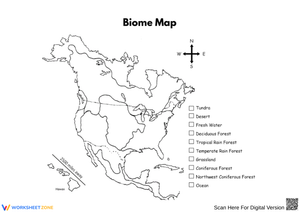
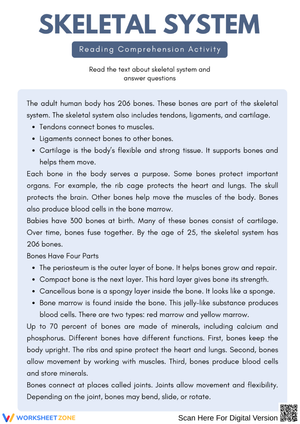
These 7th grade biology worksheets resources give life science teachers topic-specific, print-ready practice tools built around the concepts seventh graders return to most — cells, heredity, ecosystems, classification, and human body systems. Each worksheet targets one focused skill, which means teachers can drop one into a bell ringer, assign it after a lab, or hand it to a substitute without any additional setup.
Topics and Targeted Skills Across the Set
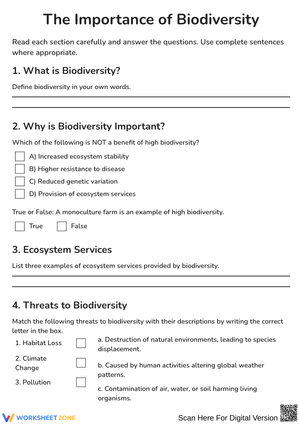
The worksheets divide into five content areas that map directly to a typical grades 6–8 life science scope and sequence. Within each area, tasks move past simple recall.
- Cell biology: Students label plant and animal cell diagrams, match organelles to their functions, and explain why the cell membrane controls what enters and exits. One worksheet pairs a blank diagram with a function-matching column so students connect structure to role before they begin writing.
- Heredity and genetics: Students complete Punnett squares, identify dominant and recessive traits, and sort phenotypes from genotype tables. Constructed-response prompts ask students to explain why two brown-eyed parents can produce a blue-eyed child.
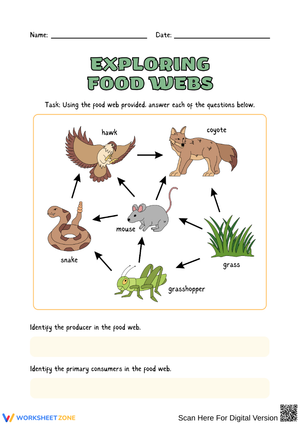
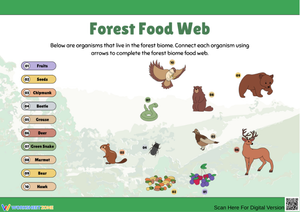
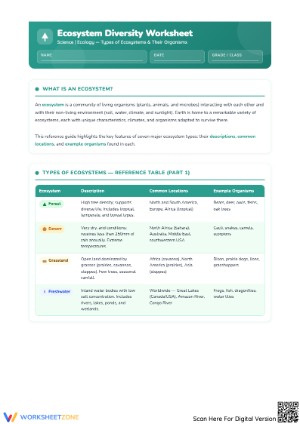
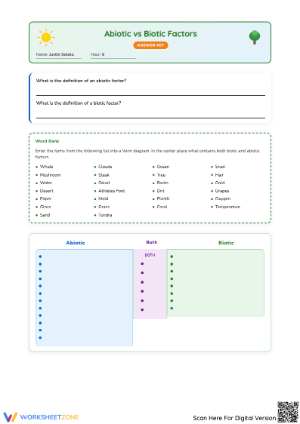
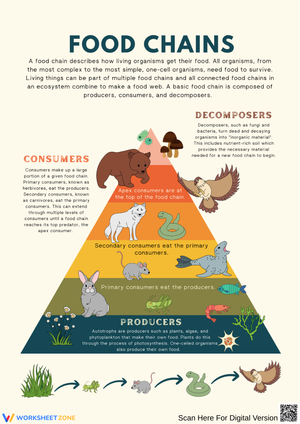
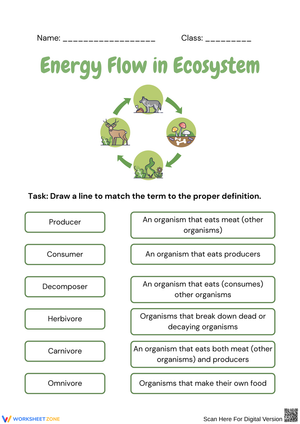
- Ecosystems and ecology: Students trace energy through food chains, interpret food webs with multiple trophic levels, and analyze population graphs that show predator-prey cycles over time.
- Classification and taxonomy: Students sort organisms by shared traits, practice binomial nomenclature, and compare major kingdoms using visual charts. Tasks include reading a dichotomous key and labeling a classification hierarchy — concrete work rather than memorizing textbook lists.
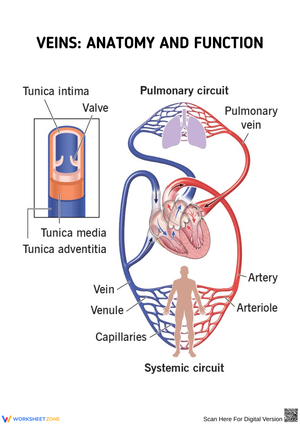
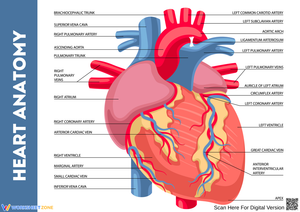
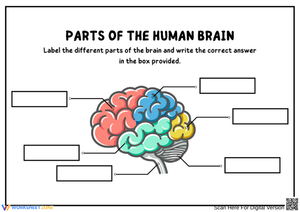
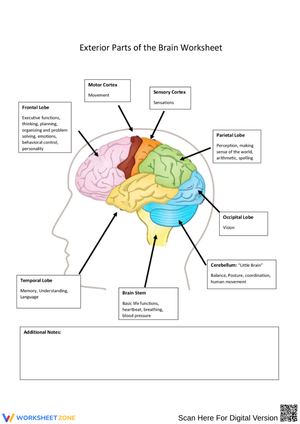
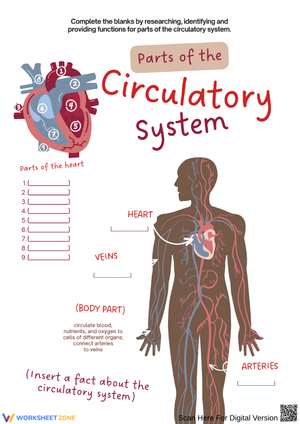
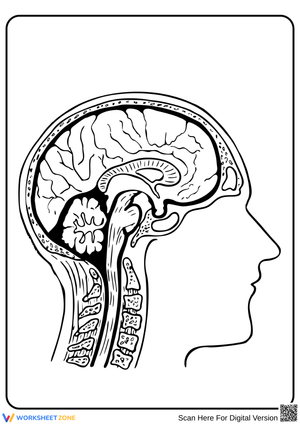
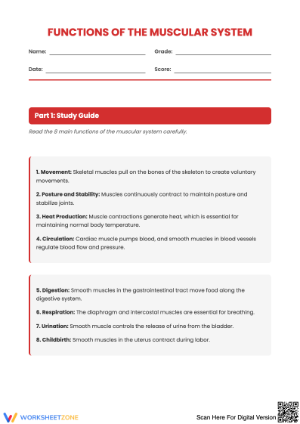
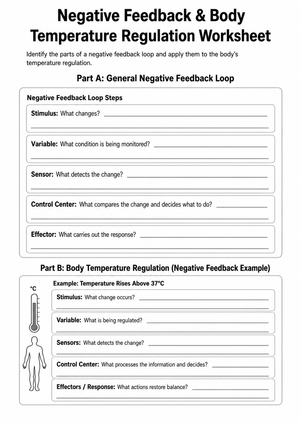
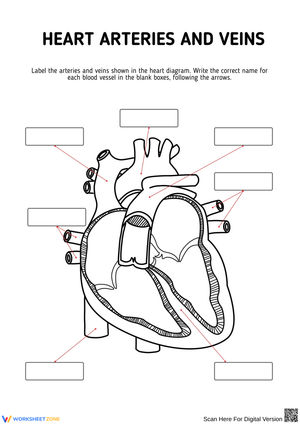
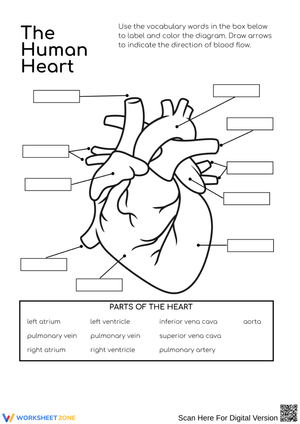
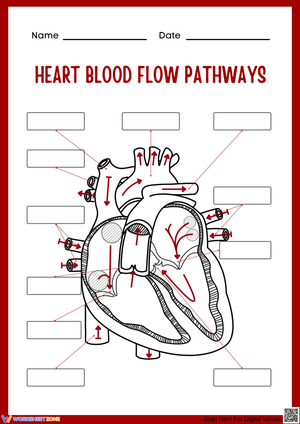
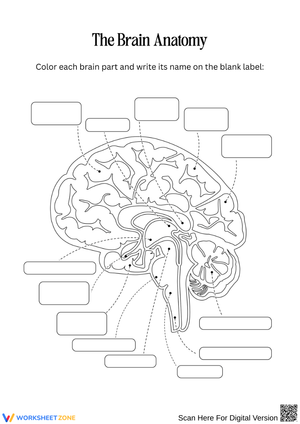
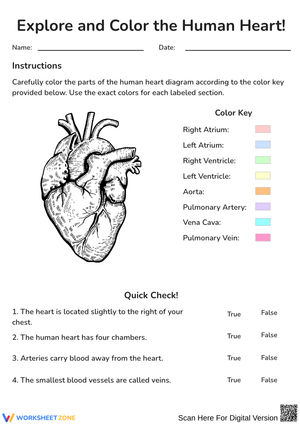
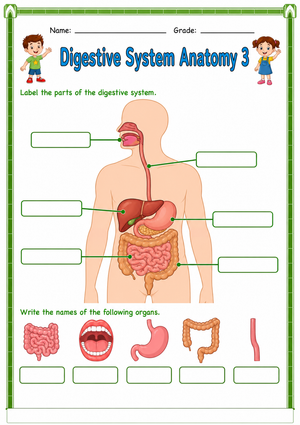
- Human body systems: Students label organ diagrams, match organs to their systems, and write short explanations of how two systems interact. The circulatory-respiratory pairing is the most common task at this grade level, and for good reason — seventh graders can trace the path of oxygen through both systems without needing prior anatomy coursework.
Student Errors Worth Anticipating Before You Hand These Out
Cell organelle confusion is the most predictable problem in the cells unit. Students consistently mix up chloroplasts and mitochondria because both organelles relate to energy in some way. The specific error looks like this: a student reads "powerhouse of the cell" and labels the chloroplast — because it is green and visually prominent in the diagram. Worksheets that require students to state both the function and the location of each organelle surface this error faster than pure labeling tasks, which can be completed correctly through elimination even when the underlying understanding is shaky.
In genetics, the Punnett square layout trips students up at the setup stage, not the completion stage. Many seventh graders place parent alleles inside the grid rather than along the top row and left column, then fill the boxes with their own logic. The result looks like a completed Punnett square, but the genotype combinations are wrong. These worksheets address this directly by including partially set-up squares with directional arrows showing where parent alleles belong before students begin the cross.
The food web arrow direction is a third persistent issue in ecology. Students read the arrow as "eats" — drawing it from prey to predator — when the arrow actually shows the direction of energy transfer. A constructed-response prompt asking students to explain what the arrow represents in their own words catches this misunderstanding more reliably than a labeling task alone, because students cannot hide behind a correct-looking diagram when they have to put the reasoning into sentences.
How to Work These Worksheets Into Your Lesson Week
Middle school life science moves fast, and the most useful role for these resources is targeted reinforcement at specific lesson moments — not general seatwork assigned to fill time. A few patterns hold up across a full unit.
Use a vocabulary-and-diagram worksheet as the first contact with a new topic, then return to the same content with a constructed-response worksheet later in the week. That spacing — first exposure Monday, retrieval and explanation Friday — applies spaced retrieval in a format that fits naturally into a unit plan without adding extra prep. Students who complete the labeling task early in the week write more accurate short answers by the end of it. The improvement is visible in the specificity of their language: "the mitochondria releases energy from glucose" rather than "it gives energy to the cell."
For sub plans, cell diagrams and food web interpretation worksheets work best because they are self-contained and visually guided. A substitute does not need to introduce vocabulary to run a session around these — students can work from the diagrams themselves. Keep a ready-to-print folder organized by topic rather than by unit week so the material is findable without context.
These 7th grade biology worksheets files also fill the gaps that are easy to lose in a busy week — the twelve minutes before the bell on a review Thursday, or the block the day before an assessment when a full lesson would feel forced. Targeted vocabulary or diagram work in that window pays off more than an improvised lecture-length review.
Adjusting the Set for Students at Different Readiness Levels
The most direct way to differentiate is to vary the task format while keeping the science content constant. On a cell biology day, one group might work through a labeling-and-matching worksheet that provides the organelle names and asks students to connect each to a description. A second group might use a blank diagram with only a word bank. A third group might skip the diagram entirely and move to a short reading passage with evidence-based response prompts. All three groups are working with the same science content, but the amount of built-in guidance decreases as readiness increases.
For students still building academic vocabulary, run the vocabulary worksheet and the diagram worksheet on the same day rather than separating them across lessons. Working through terms and visual structures together reduces the cognitive load of encountering new words without any context to anchor them. For students ready to push further, the constructed-response prompts on genetics and ecology worksheets work well as discussion starters or exit tickets rather than written practice completed in isolation — a small change in how the worksheet is used rather than a different resource entirely.
Standard Alignment
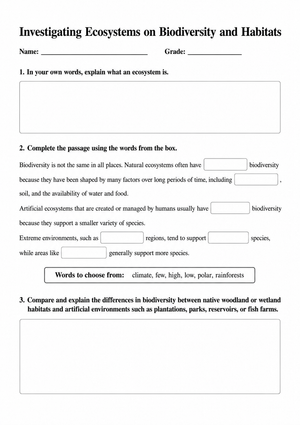
The worksheets align to Next Generation Science Standards middle school life science performance expectations. Cell structure and function content connects to MS-LS1-1 and MS-LS1-2, which address how cell structures support organism function. Heredity worksheets align to MS-LS3-2, covering how sexual reproduction produces genetic variation in offspring. Ecosystem worksheets target MS-LS2-1 through MS-LS2-4, which address energy flow, matter cycling, and how population dynamics shift when one part of an ecosystem changes. Classification practice draws from the NGSS disciplinary core idea LS4.D on biodiversity and the crosscutting concept of patterns.
These standards span most of a full year of seventh grade life science in typical state-adopted scope and sequences. Finding 7th grade biology worksheets resources already organized by NGSS topic area cuts alignment work at the unit-planning stage — teachers can match worksheets to upcoming performance expectations without sorting through a generic collection.
Frequently Asked Questions
Are these worksheets appropriate for a course labeled "Life Science" rather than "Biology"?
Yes. Most US middle schools teach seventh grade biology content under the life science course label. The topics in this set — cells, genetics, ecosystems, classification, and human body systems — are the same concepts regardless of what the course is called on a student's schedule.
What task formats appear across the worksheets?
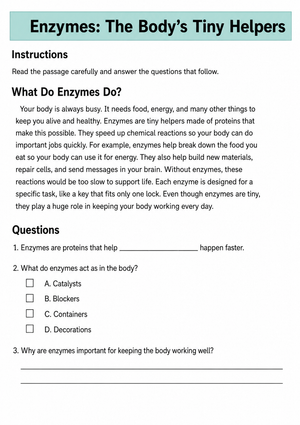
The set uses labeling diagrams, vocabulary matching, constructed-response prompts, Punnett square practice, food web analysis, and short passage-based reading questions. Each worksheet leads with the format best suited to its content. Diagram-heavy topics like cell biology open with visual tasks; heredity and ecology worksheets move more quickly to written explanation and data interpretation once foundational vocabulary is in place.
How do these fit alongside labs and class discussions?
The most common pattern: a vocabulary worksheet before a lab to build language, a diagram or labeling worksheet during or just after the lab for immediate reinforcement, then a constructed-response worksheet later in the week for retrieval. These resources fill the gaps between lab days rather than replacing hands-on work. They are not meant to carry the unit — they support what students are already doing in class.
Can teachers assign these digitally as well as in print?
The PDF format works in most learning management systems as a viewable or assignable file, and students can annotate digitally if the classroom setup allows it. Layouts are built for letter-size printing, so they display cleanly without reformatting. Searching for 7th grade biology worksheets by specific topic — "middle school Punnett square worksheet" or "7th grade food web worksheet pdf" — tends to surface more targeted matches than a broad search when teachers know exactly which skill they need to address.
Do all worksheets in the set need to be used together?
Each worksheet stands alone. Teachers do not need to work through the full set sequentially to get value from any individual one. A teacher who only wants cell diagram practice and Punnett square review can pull just those worksheets without touching the rest of the set.












 Interactive Worksheet Maker
 Quiz Maker
 Word Search Maker
 Crossword Puzzle Maker
 Word Scramble Generator
 Sentence Scramble Generator
 Handwriting Worksheet Generator
 Name Tracing Generator
 Fill In The Blank Generator