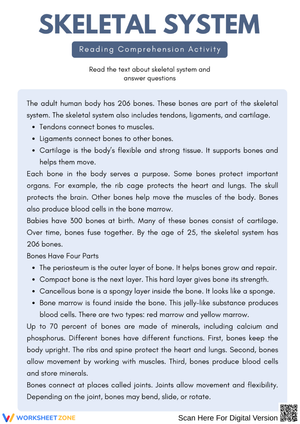
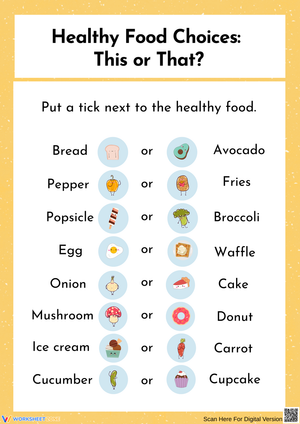
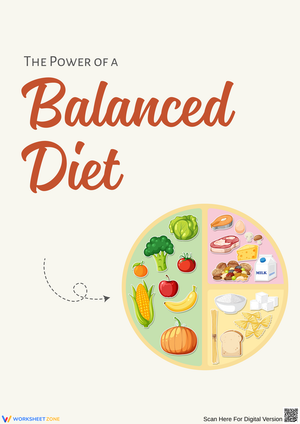
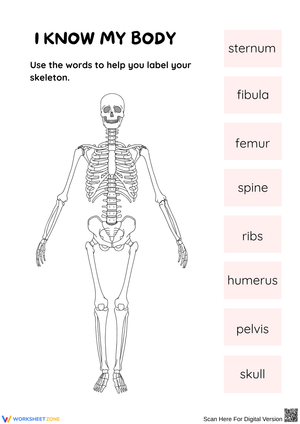
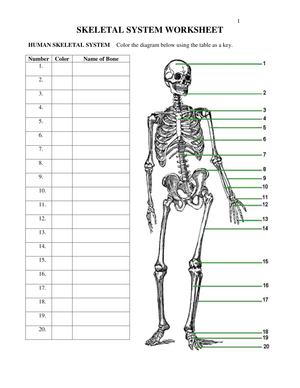
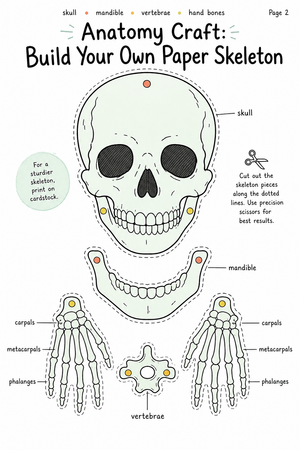
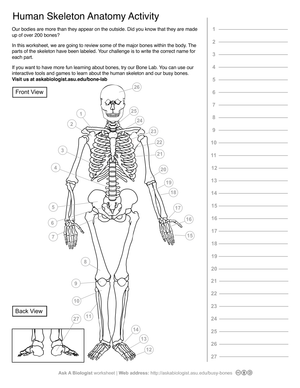
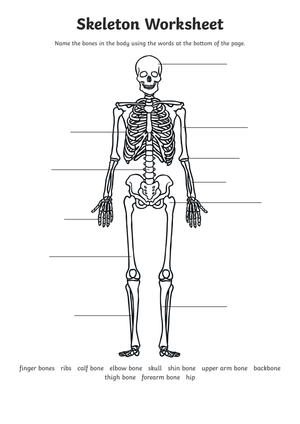
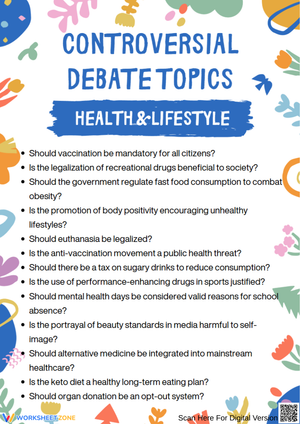
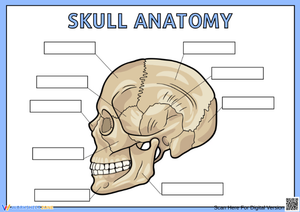
These body and health pdf worksheets for 7th grade target the exact instructional gap that opens when middle schoolers can recite organ names but cannot explain what those organs actually do in the context of a functioning, healthy body. Each worksheet focuses on one content area — labeling a system, interpreting a short health passage, sorting key vocabulary terms, or working through a scenario that asks students to connect science content to a real health decision. The full set spans human body systems, nutrition, disease prevention, personal hygiene, and wellness habits.
What the Worksheets Ask Students to Do
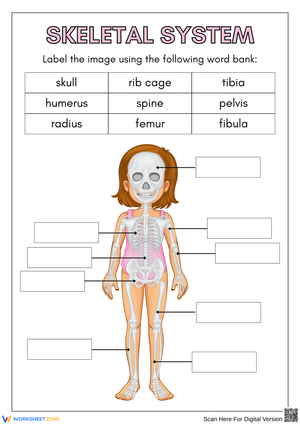
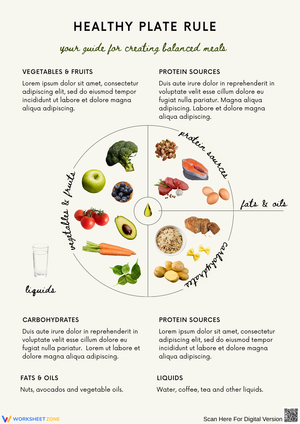
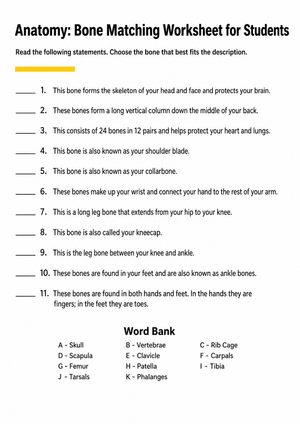
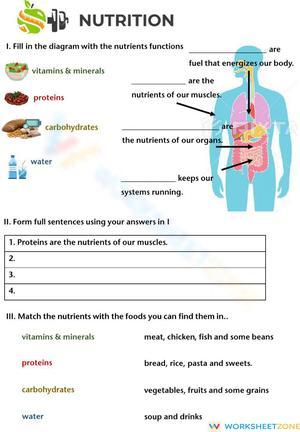
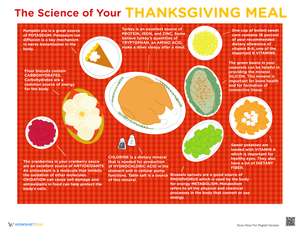
The set organizes around five content areas that 7th grade science and health instruction regularly covers: body system structure and function, nutrition, personal hygiene, disease prevention, and healthy lifestyle habits. Within body systems, students label organs, trace how materials move through a system, and answer short questions that connect structure to function. Nutrition worksheets ask students to identify nutrients, evaluate food choices, and explain how specific dietary factors support body function. Health-habit worksheets use brief scenarios that require students to identify a behavior, explain its effect on the body, and compare two choices when the prompt calls for it.
What keeps a worksheet set from becoming a random pile of printables is vocabulary continuity. The terms introduced on a Monday labeling worksheet reappear in the application questions later in the week, giving students spaced retrieval opportunities with the same content rather than a single exposure to a rotating cast of words they never encounter again.
Student Error Patterns That Surface During This Unit
The most predictable error at this level is boundary confusion between adjacent body systems. Students who correctly label the stomach and small intestine on a digestive system diagram will still write "nutrients travel to the lungs" when asked to trace a food molecule from digestion to muscle use — they know the parts but have not built the handoff logic that connects one system to the next. These worksheets address that directly by pairing each labeling section with a short explanation prompt that asks students to name where one system ends and another begins.
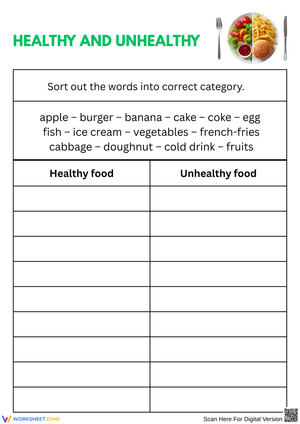
Nutrition worksheets surface a different problem: students conflate "healthy" with "low sugar" and will mark fruit as an unhealthy choice on a sorting task. This is not a reading error — they understand the question. It reflects a media-absorbed oversimplification that needs explicit correction. Application scenario questions, which require students to justify a food choice using a named nutrient function, expose this reasoning gap far more reliably than multiple-choice items do.
Building These Worksheets Into a Teaching Week
Body and health pdf worksheets for 7th grade fit naturally into the varied time slots that define a middle school schedule — the 10-minute bell ringer before a lab, the 20-minute independent block on a Friday afternoon, or the structured activity that keeps a class on task when a substitute is covering. A practical sequence for a body-systems week: labeling worksheet Monday, short reading with text-based questions mid-week, and a scenario-based application worksheet Thursday or Friday. That progression moves from recognition to recall to application without requiring the teacher to rebuild the logic each time.
Station rotations work well with this set. A labeling station, a vocabulary-sort station, and a short-response station each hold 8 to 10 minutes of independent work, keeping students moving while covering the same content in different formats. For sub plans, labeling and vocabulary worksheets require the least teacher introduction and tend to produce consistent student work even when classroom management is unpredictable.
Standard Alignment
The body system worksheets connect most directly to NGSS MS-LS1-3, which asks students to use argument supported by evidence to explain how the body functions as a system of interacting subsystems. In classroom terms, this standard pushes instruction past organ identification toward questions like how digestion depends on circulatory delivery of oxygen to gut tissue — which is why the stronger worksheets pair labeling tasks with brief explanation prompts rather than stopping at diagram fill-ins. Health-focused worksheets align with NHES Standard 1 (understanding core health concepts) and NHES Standard 7 (practicing health-enhancing behaviors), both assessed across 7th grade health frameworks in most state curricula.
Differentiating the Set for Mixed-Readiness Classrooms
Body and health pdf worksheets for 7th grade become genuinely flexible when teachers treat the diagram and the written questions as separable tasks. Students who need more support complete the labeling section with a word bank, then answer two or three written questions rather than all five. Students working above grade level remove the word bank and respond to an extension prompt — comparing two systems' roles in a health scenario, or tracing a nutrient from intake to cell use — without changing the core worksheet content.
Reading level matters most on the passage-based worksheets. Students below a 5th-grade reading level often stall not because the questions are difficult, but because text density consumes all their processing capacity before they reach the questions. A few targeted moves restore access:
- Partner first-read: one student reads aloud while the other follows; both then complete the questions independently.
- Diagram annotation before the passage: students label what they already know on the system diagram, creating a concrete reference before they encounter dense text.
- Reduced written output: accepting bullet-point responses in place of full sentences for students who write slowly, while holding the same comprehension standard.
Frequently Asked Questions
Do these worksheets belong in a science class, a health class, or both?
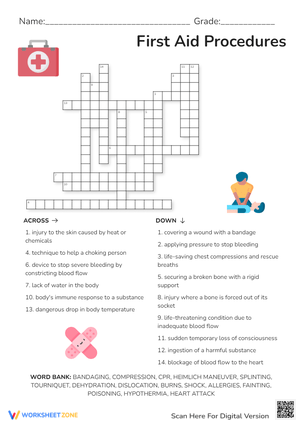
Both settings use this set, and the content split is fairly clean. Body system labeling, organ function questions, and reading-response worksheets on system interactions belong most naturally in a life science or integrated science classroom. Nutrition, hygiene, disease prevention, and healthy habit worksheets cross readily into health instruction, advisory periods, or a dedicated wellness unit. Many teachers pull from both content areas within a single unit because the anatomy content and the health-application questions reinforce each other.
How long does each worksheet take in a typical class period?
Labeling and vocabulary worksheets take most students 10 to 15 minutes on task. Short reading-response worksheets run 15 to 20 minutes depending on passage length and question count. Application and scenario worksheets land closer to 20 to 25 minutes for students who write slowly or need more processing time on open-ended items. Plan an additional 5 minutes in a typical 7th grade period to account for directions, transitions, and the inevitable "I don't have a pencil" delay.
Can a student who was absent complete these worksheets independently?
Each worksheet is self-contained, so absent students don't need to reconstruct what happened in class to attempt the assignment. Labeling and vocabulary worksheets work especially well as makeup packets because they review content directly rather than asking students to reflect on a class discussion they missed. Body and health pdf worksheets for 7th grade also function as effective pre-test review tools, since the vocabulary recall and diagram tasks parallel the kinds of items that appear on unit assessments.












 Interactive Worksheet Maker
 Quiz Maker
 Word Search Maker
 Crossword Puzzle Maker
 Word Scramble Generator
 Sentence Scramble Generator
 Handwriting Worksheet Generator
 Name Tracing Generator
 Fill In The Blank Generator