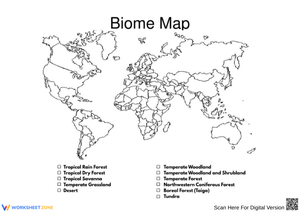
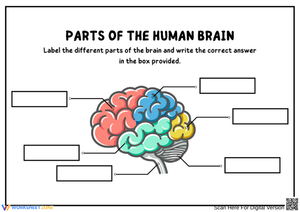
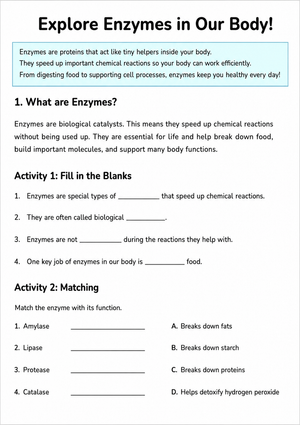
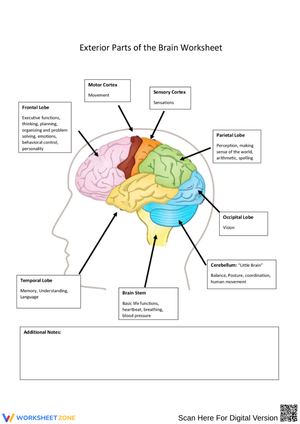
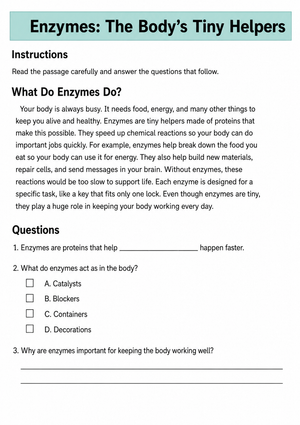
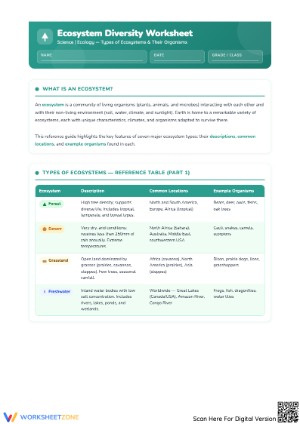
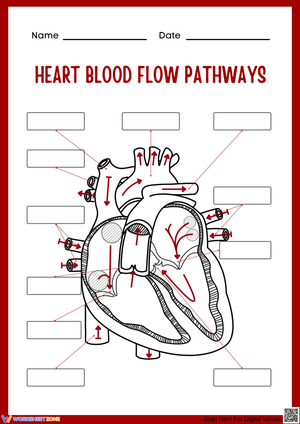
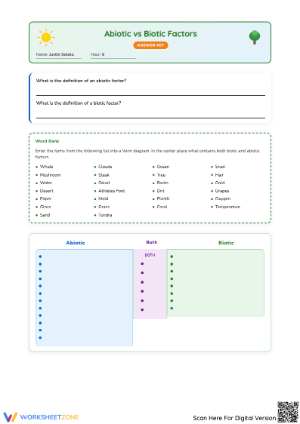
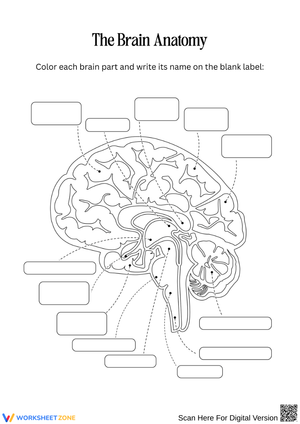
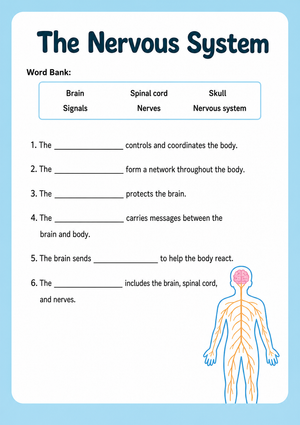
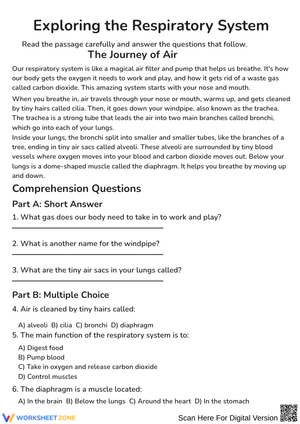
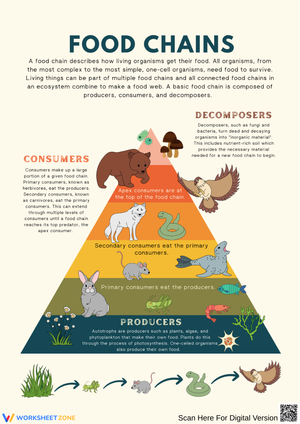
These 6th grade biology printable worksheets resources give middle school teachers a practical set of life science materials covering cells, ecosystems, heredity, body systems, and plant processes — one concept per worksheet, with enough structure to run as classwork, homework, or a quick review without extra setup. Each worksheet combines diagram work, short reading, vocabulary tasks, and at least one application question, so students practice identifying structures and explaining how those structures function, not just naming them.
The Specific Skills Each Worksheet Targets
At 6th grade, life science content makes a meaningful shift. Students move from simple observation — plants grow toward light — toward explanatory reasoning: plants grow toward light because chloroplasts require it for photosynthesis. That shift from description to explanation is where students most need structured practice, and it shapes what each worksheet in this set asks students to do.
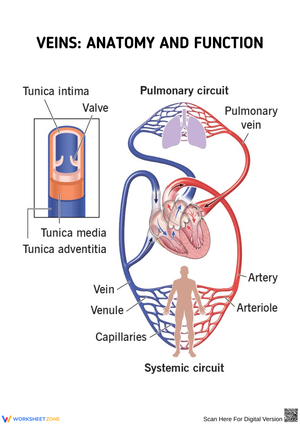
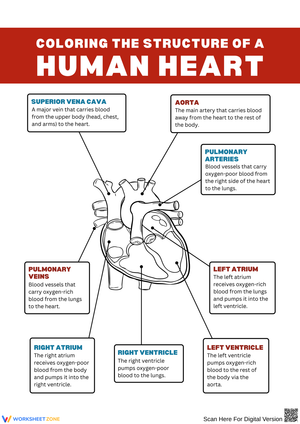
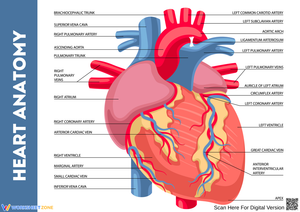
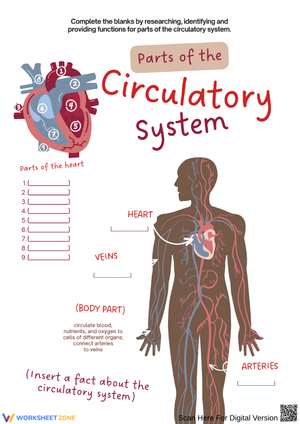
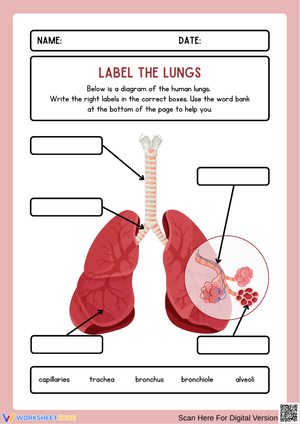
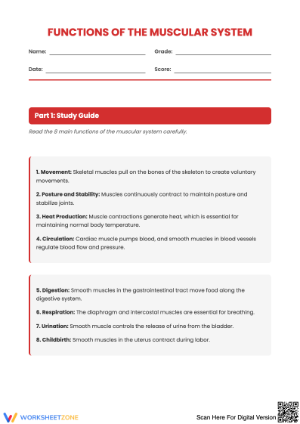
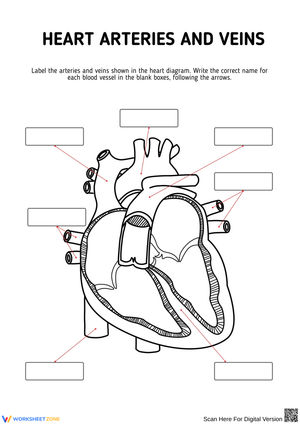
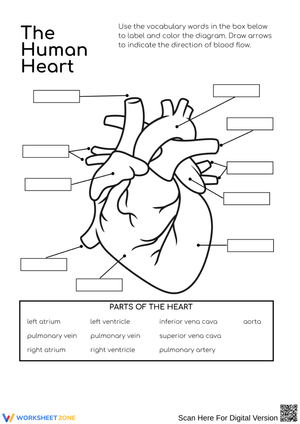
- Diagram labeling: cell organelles, plant and animal cell comparisons, body system structures, food web relationships — students mark and name, then connect each label to a function
- Function-to-structure matching: pairing what a part looks like with what it actually does, so students build understanding rather than memorize terms in isolation
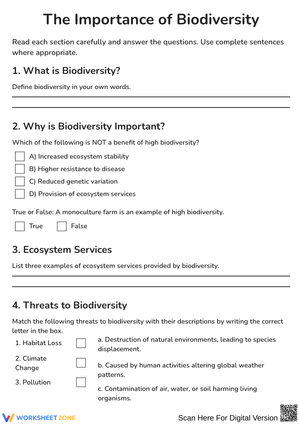
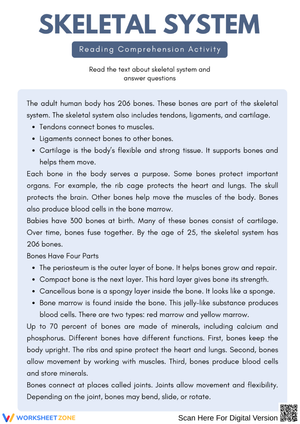
- Annotated reading passages: 100 to 150 words tied to a single concept, with tasks asking students to underline evidence or mark key terms in the text
- Data interpretation: simple tables showing population data, growth rates, or nutrient comparisons that students analyze to answer cause-and-effect questions
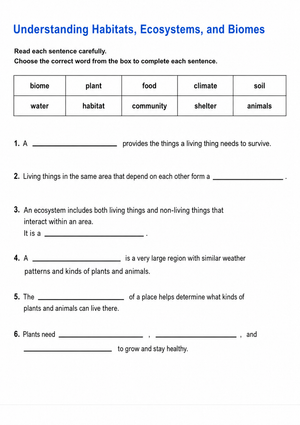
- Vocabulary in context: sorting, matching, and sentence-completion tasks that require students to use terms correctly — not just recognize them from a list
The most useful worksheets in the set chain these tasks together. A cell organelle worksheet becomes more than rote practice when students first label the mitochondria, then write its function, then explain why a muscle cell contains more mitochondria than a skin cell. That three-step sequence — identify, explain, apply — is the difference between practice that fades by the weekend and understanding that holds up on a unit test.
Fitting These Worksheets Into the Rhythm of Your Week
6th grade biology printable worksheets resources earn their place when teachers know exactly where each one fits in the unit sequence. The cell diagram worksheets are especially useful the day after a microscope lab, when students need to transfer what they observed into labeled scientific vocabulary. That transfer step — from visible structure to named concept — is where understanding either consolidates or slips, and having a focused worksheet ready for that moment matters. Bell ringers are another natural slot: an eight-minute organelle review at the start of class activates prior knowledge before a lesson moves into new territory.
A few teachers use the data-interpretation and application questions as exit tickets, assigning the final two or three items as a written check before the period ends. That works because each worksheet places application questions last — so you can run the full worksheet as classwork and pull just the closing items if you want a fast formative read. Sub plans are a reliable use as well. Worksheets that include clear printed directions and an answer key keep a class productive without requiring the substitute to understand the content.
Errors Students Make That These Worksheets Help Surface
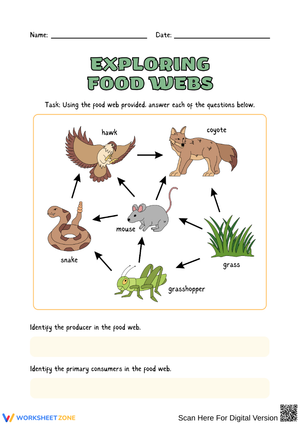
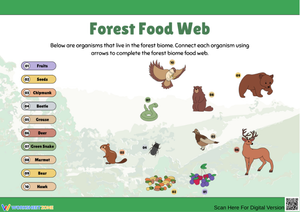
Two errors appear in 6th grade life science work so consistently that they're worth preparing for before students ever sit down with the worksheet. The first is food chain arrow direction. Students draw arrows pointing from prey to predator — toward what's doing the eating — when the arrow is supposed to indicate energy transfer, which flows the other way. A food web worksheet catches this because students have to trace energy across multiple trophic levels, and the misdirected arrows show up clearly in their diagrams rather than hiding inside a multiple-choice answer.
The second is nucleus-as-energy-source confusion. Students frequently assign energy production to the nucleus because it looks dominant in cell diagrams and sounds like the logical headquarters for everything the cell does. After direct instruction on the mitochondria, many still write "the nucleus makes energy" on open-response items. The organelle-matching worksheets separate identification from function explanation — a student who labels the nucleus correctly in one column may still write an incorrect function in the next, which tells you precisely what to address before the lesson moves forward.
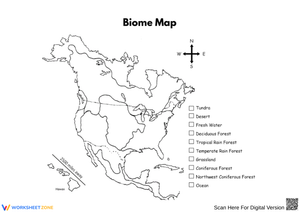
A third error surfaces specifically on ecosystem worksheets: students treat food webs as food chains. They trace a single straight line through the diagram rather than reading the branching relationships. Asking them to highlight every organism that feeds on a specific prey item — not just trace one path — forces engagement with the web's actual structure instead of defaulting to a linear reading.
Standard Alignment
These worksheets align to the Next Generation Science Standards at the middle school life science level. The most directly addressed performance expectations are MS-LS1-1 (arguing from evidence for how the body functions as a system of interacting subsystems), MS-LS1-6 (constructing a scientific explanation for the role of photosynthesis in matter cycling), MS-LS2-3 (developing a model for energy flow and matter cycling in ecosystems), and MS-LS3-1 (using a model to explain how structural gene changes may affect traits). The vocabulary and data tasks also support MS-LS2-1, which asks students to analyze and interpret data on population interactions within an ecosystem.
In most 6th grade life science sequences, cell structure and body systems appear in the fall semester, with ecosystems and heredity following in the spring. The worksheets are organized to match that typical progression, which makes them easy to drop into existing unit plans without restructuring the sequence. Teachers preparing students for state science assessments find the cause-and-effect and data-table question formats particularly useful, since those item types appear consistently on middle school science tests.
Adjusting the Worksheets for a Range of Learners
Students who need additional support on cell and body system worksheets benefit most from a printed word bank included directly on the worksheet. For ecosystem work, pre-highlighting key terms in the reading passage before distribution reduces the cognitive effort of hunting for vocabulary while students are still building their science language. Adding a sentence frame — "The ___ is responsible for ___ because ___" — gives students a structure for written explanation without removing the thinking the question requires.
Advanced students generally need extension questions that call for comparison across systems rather than deeper recall of the same content. After a digestive system worksheet, ask: how does the digestive system depend on the circulatory system to complete its function? After a food web worksheet, assign a written claim-evidence-reasoning response predicting what would happen to hawk populations if the rabbit population declined by 60 percent over two years. Neither extension requires new materials — both push the existing worksheet into higher-order territory without additional prep.
For collaborative groups, the diagram sections work well when cut apart and distributed. Assign different structures to different partners, then have each partner teach their section to the group. This works particularly well with body system worksheets and food web diagrams, where the parts only make full sense in relation to each other. Students who explain a structure aloud often catch errors in their own labeling before the group discussion is over.
Frequently Asked Questions
What biology topics does the set cover?
The worksheets address cell structure and organelle function, plant and animal cell comparisons, classification and the characteristics of living things, ecosystems and food web analysis, energy flow and trophic levels, inherited versus acquired traits, introductory heredity, human body systems (digestive, respiratory, circulatory, and skeletal), photosynthesis, and plant adaptations. Each worksheet covers one topic or subtopic, making it straightforward to assign by unit or pull individual worksheets for targeted review.
Do these work better as in-class practice or homework?
It depends on the worksheet type. Diagram-labeling worksheets work better in class, where students can ask questions about specific structures they're uncertain about. Vocabulary and short-response worksheets travel well as homework since the directions are self-contained. For 6th grade biology printable worksheets resources to hold up as homework, reading passages need to be short enough for independent comprehension, and task directions need to be specific enough that no additional classroom context is required to complete them.
How do these connect to state science test preparation?
Most state middle school science assessments include items on cell function, ecosystems, and body systems — the three strongest content areas in this set. The data-table and cause-and-effect question formats in particular mirror the item types that appear on standardized tests. Teachers who use these worksheets for unit practice often pull the application questions into review packets in the weeks before testing.
Can I use these for intervention or post-lab follow-up?
Both work well. The cell and body system worksheets fit naturally after a lab because they ask students to name and explain structures they've just observed — shifting from seeing to explaining. For intervention, the vocabulary-matching and diagram sections provide targeted review without requiring students to revisit an entire lesson. These 6th grade biology printable worksheets resources are well-suited for a 15 to 20 minute intervention block because each worksheet addresses one focused concept and students can work through it independently once directions are read aloud once.












 Interactive Worksheet Maker
 Quiz Maker
 Word Search Maker
 Crossword Puzzle Maker
 Word Scramble Generator
 Sentence Scramble Generator
 Handwriting Worksheet Generator
 Name Tracing Generator
 Fill In The Blank Generator